
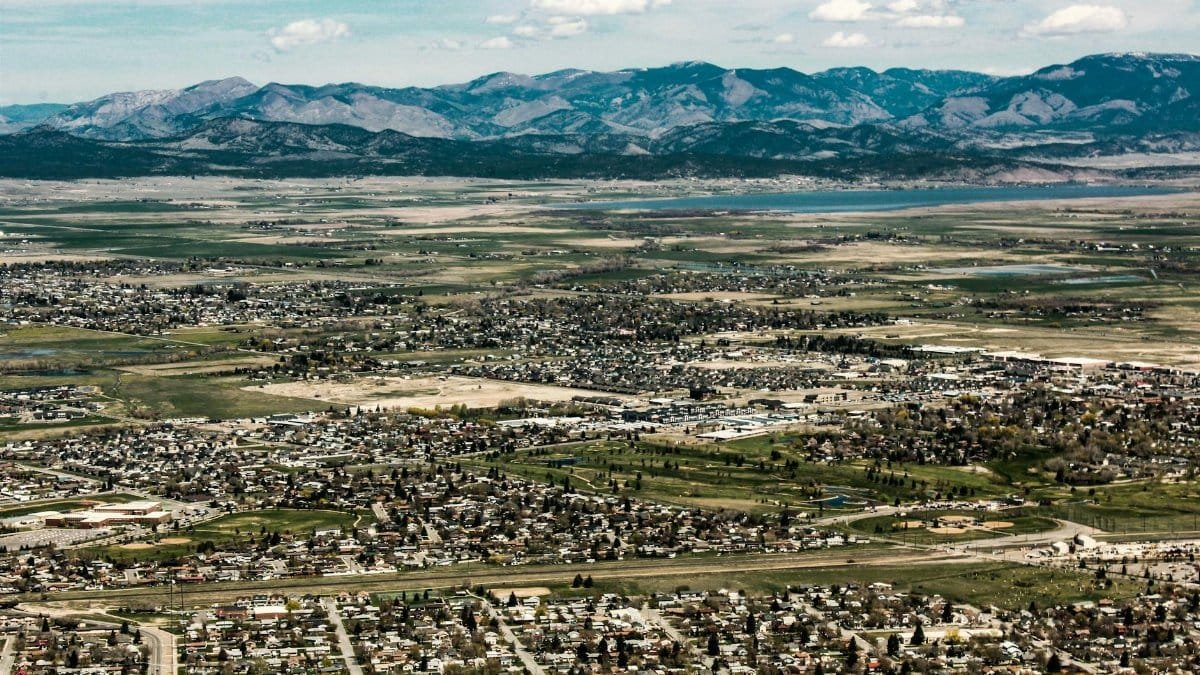
In a groundbreaking move for driver wellness, Helena, Montana, is making waves with its new “helena breath stops,” a series of scenic pull-outs designed to combat road fatigue. Launched on March 8, 2025, these stops offer more than just a pretty view of the Big Belt Mountains—they provide 90-second guided meditations via EgoEase QR codes. Early feedback from truck drivers points to a noticeable drop in moodiness, and the state’s Department of Transportation (DOT) is already eyeing the impact on winter driving safety. Could this be a new standard for highway rest areas?
A New Approach to Roadside Rest

Montana’s highways are notorious for long, grueling stretches, especially for truck drivers navigating through harsh winter conditions. The introduction of five strategically placed pull-outs near Helena marks a shift in how the state addresses driver fatigue. Unlike traditional rest stops with vending machines and restrooms, these “helena breath stops” prioritize mental reset over physical convenience. Each location offers panoramic views of the rugged Big Belt Mountains, creating a natural backdrop for a brief escape from the road’s monotony.
Guided Meditation at 65 MPH

What sets these stops apart is the integration of technology with nature. Each pull-out features a QR code linked to EgoEase, a platform offering 90-second guided meditations. Drivers can scan the code, park safely, and follow a quick breathing exercise or mindfulness prompt while soaking in the mountain scenery. The brevity of the sessions is intentional—designed for busy travelers who can’t afford long breaks but still need a mental recharge. It’s a small window of calm amid the chaos of long-haul drives.
Truck Drivers Report Real Benefits

Early data from a survey of truck drivers using the Helena stops paints a promising picture. Participants reported a 12% reduction in fatigue-related moodiness after incorporating these brief pauses into their routes. For an industry plagued by stress and burnout, this statistic suggests a tangible impact. While the sample size and specifics of the survey remain undisclosed, the feedback aligns with broader research on mindfulness reducing stress among high-pressure professions. The DOT is taking note, hoping these stops could improve overall road safety.
Winter Driving: A Critical Test
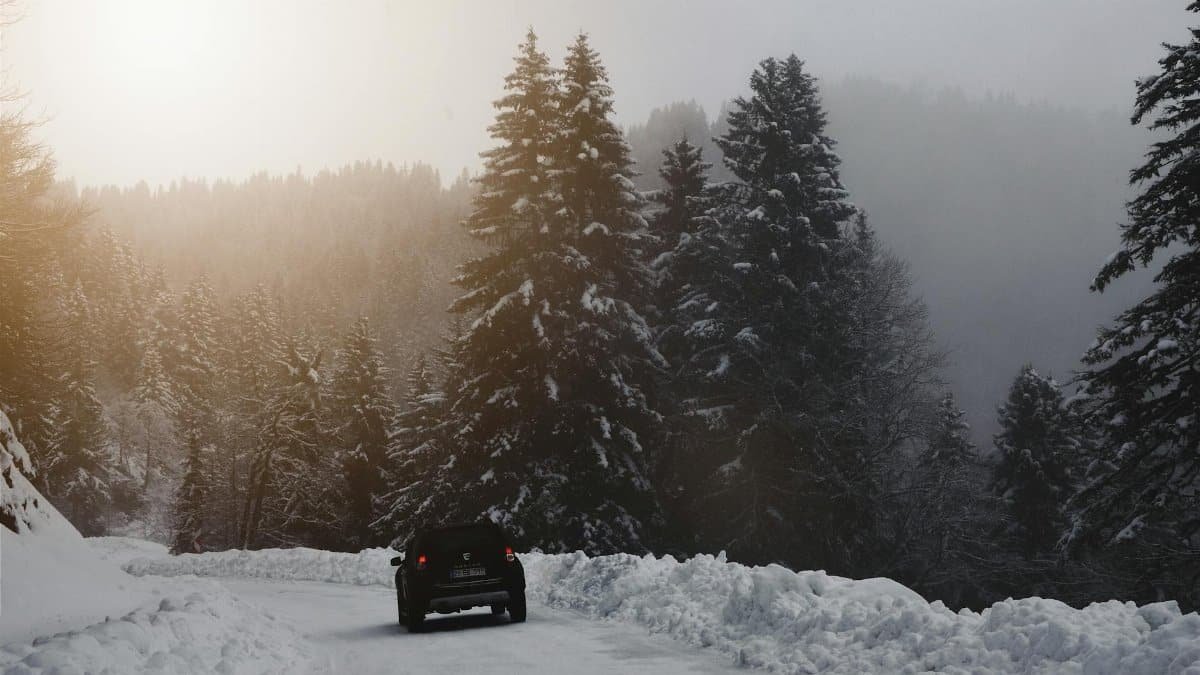
Montana’s winters are brutal, with icy roads and whiteout conditions often leading to accidents. The DOT is closely monitoring accident statistics over the 2025 winter driving season to assess whether the “helena breath stops” correlate with fewer incidents near these pull-outs. Fatigue is a known contributor to crashes, especially on rural highways where help can be hours away. If the data shows a decline in accidents, this pilot program could expand to other regions of the state—or even inspire similar initiatives nationwide.
Broader Implications for Driver Wellness

The Helena project taps into a growing recognition of mental health’s role in road safety. Studies from organizations like the Centers for Disease Control and Prevention (CDC) highlight how fatigue impairs reaction times as severely as alcohol in some cases. Meanwhile, mindfulness programs are gaining traction in workplace wellness, as noted by resources from the National Institutes of Health (NIH). Montana’s experiment could signal a shift toward integrating such practices into public infrastructure.
Challenges and Future Expansion
While the initial response to the Helena stops is positive, questions remain about scalability and accessibility. Not all drivers may feel comfortable with guided meditations, and rural internet connectivity could hinder QR code access for some. Additionally, maintaining these pull-outs during heavy snowfalls poses logistical hurdles. The DOT has yet to announce plans for expansion, but the outcome of the winter data analysis will likely shape the future of this initiative. For now, these stops stand as a bold experiment in blending wellness with highway design.
A Model for Other States?

As driver fatigue continues to be a pressing issue across the U.S., Montana’s “helena breath stops” could serve as a blueprint for other states. With mental health increasingly prioritized in 2025, the idea of roadside wellness might resonate beyond Big Sky Country. The combination of natural beauty, quick mindfulness tools, and a focus on safety addresses a universal need. Whether this becomes a trend depends on hard data—but for now, Helena is proving that a 90-second pause might just save a life.