

Wisconsin calm cow is making waves in the dairy industry this year. The state has rolled out a groundbreaking certification for dairies that prioritize stress-free milking through innovative, calming techniques. Dubbed the “Calm Cow” program, it’s catching attention for its unique approach—think breath-paced routines and lo-fi music playlists for cows. Early results are striking, with milk cortisol levels testing 22% lower in certified herds. As buyers like Organic Valley offer premiums for this low-stress milk, Wisconsin is setting a new standard for animal welfare and product quality.
The Birth of the Calm Cow Certification
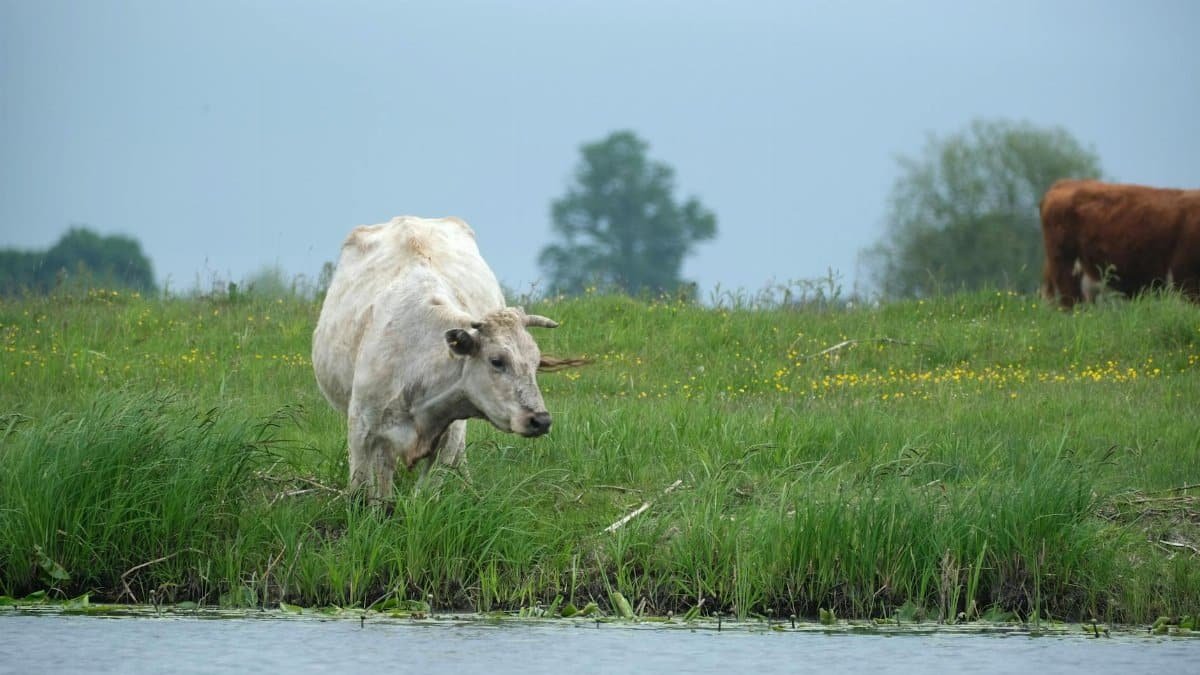
In a bid to revolutionize dairy farming, Wisconsin agriculture officials launched the “Calm Cow” certification in early 2025. The program targets stress reduction in dairy herds, focusing on management practices that prioritize cow comfort. Farms must meet strict criteria to earn the seal, including documented routines that minimize anxiety during milking. The initiative stems from growing consumer demand for ethically produced dairy and evidence linking animal stress to milk quality. It’s a bold move, positioning Wisconsin as a leader in humane farming practices.
Breath-Paced Routines: A New Milking Rhythm

One cornerstone of the Wisconsin calm cow program is the use of breath-paced routines. Farmers are trained to synchronize milking schedules with the natural respiratory rhythms of cows, reducing agitation during the process. This method, inspired by mindfulness techniques adapted for livestock, ensures cows remain relaxed as machines or hands extract milk. Early adopters report calmer herds and smoother operations, with some noting fewer instances of cows resisting or kicking during milking sessions.
Lo-Fi Music as a Stress Buster

Another standout feature of the certification is the integration of lo-fi music in barns. Low-frequency, ambient tracks—think soft beats and mellow tones—are played during milking to soothe cows. Studies have long suggested that music can lower stress in animals, and Wisconsin dairies are putting this theory to the test. Certified farms must maintain specific decibel levels to avoid startling the herd. Farmers say the playlist isn’t just for the cows—many find the calming tunes improve their own workday vibe.
Milk Cortisol Levels Drop Significantly

The numbers speak for themselves: milk from Calm Cow-certified herds shows cortisol levels 22% lower than in traditional dairies. Cortisol, a stress hormone, can affect milk composition and taste, and reducing it signals healthier, less anxious cows. Testing is a mandatory part of the certification process, conducted by state-approved labs. This measurable outcome has bolstered the program’s credibility, proving that stress-free environments aren’t just a feel-good gimmick—they deliver tangible results for dairy quality.
Premium Prices from Buyers Like Organic Valley

The financial incentive for farmers is clear. Major buyers, including Organic Valley, are offering premium prices for milk from Calm Cow-certified dairies. These companies market the product as a premium, ethically sourced option, appealing to consumers willing to pay more for humane practices. For Wisconsin farmers, the certification isn’t just about animal welfare—it’s a business strategy. The added revenue helps offset the costs of implementing new routines and equipment, making the program a win-win for producers and buyers alike.
Consumer Demand Drives the Trend

Behind the Calm Cow initiative is a broader shift in U.S. consumer behavior in 2025. Shoppers are increasingly prioritizing animal welfare and sustainability in their purchasing decisions. Dairy brands face pressure to demonstrate ethical practices, and certifications like Wisconsin’s offer a clear, verifiable standard. Industry experts note that similar trends have reshaped meat and egg production, with cage-free and grass-fed labels gaining traction. The Calm Cow seal taps into this growing market, giving certified milk a competitive edge on store shelves.
Challenges for Farmers Seeking Certification

While the benefits are evident, earning the Calm Cow certification isn’t easy. Farmers must invest time and resources into retraining staff, adjusting schedules, and installing audio systems for music. Regular inspections ensure compliance with stress-reduction protocols, and failing to meet standards can result in losing the seal. Smaller dairies, in particular, may struggle with the upfront costs, though state grants and buyer premiums aim to ease the burden. It’s a rigorous process, but many see it as worth the effort.
Broader Implications for Dairy Welfare
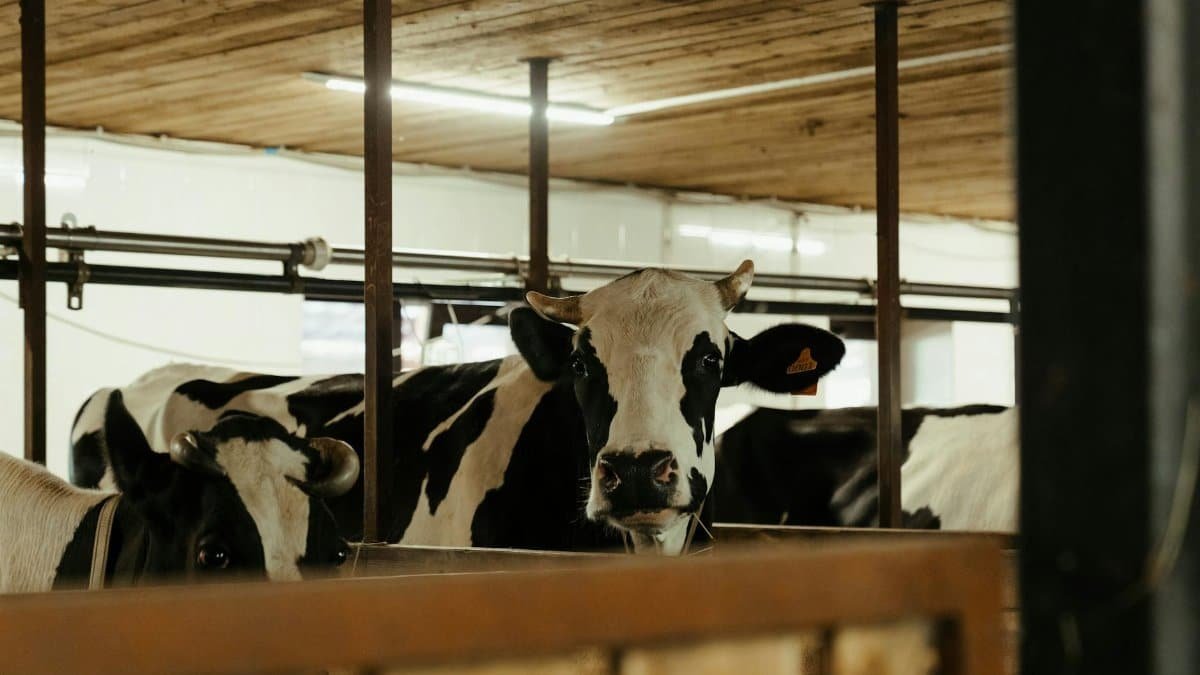
The Wisconsin calm cow program could set a precedent for dairy welfare nationwide. Animal rights advocates praise the initiative as a step toward more humane farming, while researchers are eager to study its long-term effects on herd health and milk production. If successful, other states may adopt similar certifications, reshaping industry standards. For now, Wisconsin’s experiment is a test case, watched closely by farmers, policymakers, and consumers alike. Resources like the USDA Agricultural Marketing Service provide broader context on certification trends.
A Model for Ethical Innovation

Wisconsin’s Calm Cow certification isn’t just about milk—it’s about redefining how we think about dairy farming. By blending science, ethics, and market incentives, the state is proving that innovation can align with compassion. As more data emerges, the program’s impact on animal welfare and industry practices will become clearer. For deeper insights into dairy welfare research, check out studies summarized by Dairy Herd Management, a trusted resource for industry updates. Wisconsin’s calm cows might just be the future of farming.