

In a groundbreaking approach to pain management, Duluth, Minnesota, is making headlines with an innovative use of virtual reality. St. Luke’s Hospital has introduced a VR program dubbed “duluth vr snowfall,” where chemotherapy patients experience a calming snowfall simulation during treatment. Early results are striking—medical staff report a 40% reduction in self-rated pain scores among 120 patients. This development could redefine comfort in medical settings, and with Mayo Clinic stepping in to track long-term effects, the implications for patient care are worth watching closely.
Virtual Snowfall: A New Pain Relief Tool
At St. Luke’s Hospital in Duluth, a serene virtual snowfall is helping patients endure the often grueling process of chemotherapy. The “duluth vr snowfall” program immerses patients in a peaceful winter landscape, complete with gently falling snowflakes, designed to distract from the discomfort of IV insertions and other procedures. This isn’t just a gimmick—staff have observed tangible improvements in how patients perceive their pain, marking a potential shift in how hospitals approach non-pharmacological interventions.
Significant Pain Reduction Reported

The numbers speak for themselves. Among the 120 chemotherapy patients who participated in the VR sessions at St. Luke’s, self-reported pain scores dropped by an impressive 40%. This reduction suggests that virtual reality could serve as a powerful adjunct to traditional pain management strategies. For patients facing the physical and emotional toll of cancer treatment, this drop in perceived pain offers a glimmer of relief, potentially improving their overall treatment experience in measurable ways.
How VR Alters the Patient Experience

Chemotherapy is notorious for its side effects, often compounded by the anxiety of medical procedures. The duluth vr snowfall simulation aims to counter this by providing a mental escape. Patients wear VR headsets that transport them to a tranquil snowy environment, effectively diverting their focus from needles and infusions. Staff at St. Luke’s note that this distraction technique not only lowers pain perception but also seems to reduce stress, creating a more tolerable atmosphere during treatment sessions.
Mayo Clinic Joins the Effort
The promising early results have caught the attention of the renowned Mayo Clinic, which is now collaborating with St. Luke’s to dive deeper into the data. Specifically, Mayo researchers are tracking changes in opioid dosage among these VR participants over a six-month period. This partnership aims to determine whether virtual reality interventions can reduce reliance on pain medications, a critical question amid the ongoing national conversation about opioid use and dependency in medical settings.
Potential to Reduce Opioid Dependence

With opioid addiction remaining a public health crisis in the U.S., any tool that might lessen the need for these drugs is significant. The Mayo Clinic’s involvement in the duluth vr snowfall study focuses on whether lower pain scores translate to reduced opioid prescriptions for chemotherapy patients. If the data over the next six months shows a consistent decrease in dosage, VR could emerge as a viable, non-addictive alternative for pain management in hospitals nationwide.
Broader Implications for Healthcare

The success of VR at St. Luke’s raises questions about its scalability and application beyond chemotherapy. Could similar simulations help with other painful procedures or chronic conditions? As healthcare providers in 2025 continue to seek innovative solutions, the Duluth experiment might pave the way for broader adoption of virtual reality in clinical settings. The technology’s ability to address pain without pharmaceuticals aligns with growing demands for holistic and patient-centered care across the country.
Supporting Research and Context

While the St. Luke’s program is still in its early stages, it builds on existing research into VR’s therapeutic potential. Studies from institutions like the National Institutes of Health have explored how immersive environments can reduce pain perception, supporting the findings in Duluth. For more on VR in medical contexts, see resources from National Institutes of Health. Additionally, Mayo Clinic’s ongoing work on pain management offers a robust framework for this study, accessible via Mayo Clinic Pain Management Resources.
What’s Next for Duluth’s VR Program
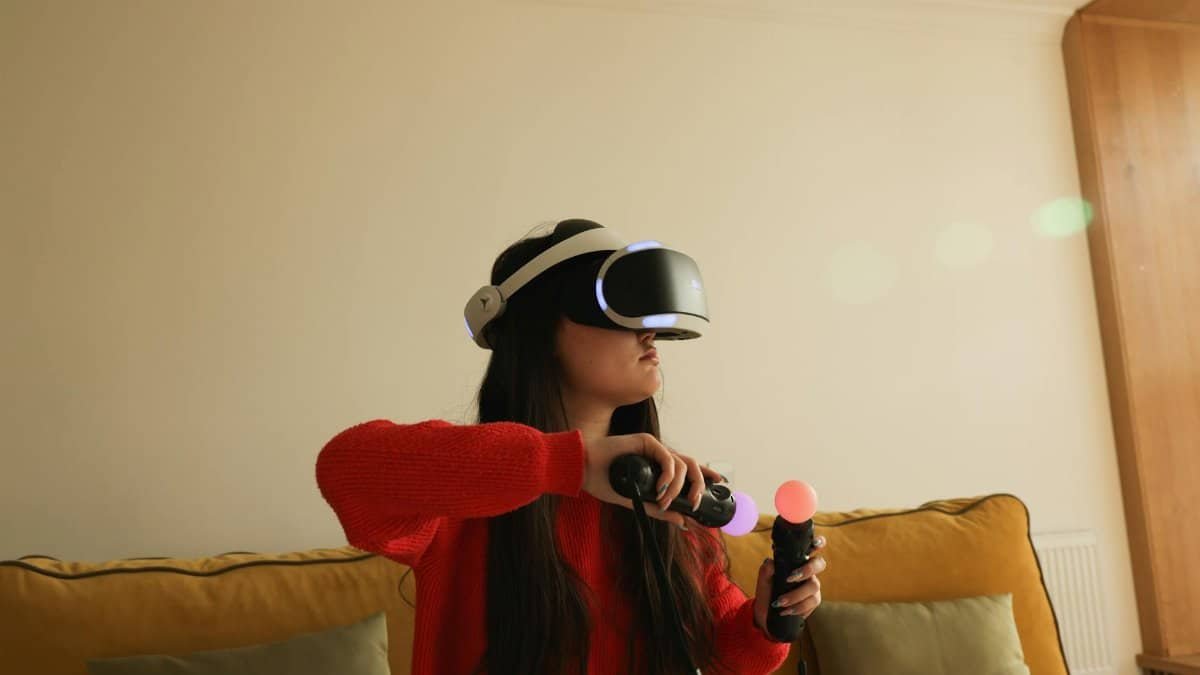
As the six-month study with Mayo Clinic progresses, St. Luke’s Hospital plans to refine and possibly expand the VR snowfall initiative. The goal is to gather enough evidence to influence hospital protocols not just locally but on a national scale. For now, the 120 patients in Duluth are at the forefront of a quiet revolution in pain management—one that swaps pills for pixels and offers a softer, snowy escape from the harsh realities of treatment.