
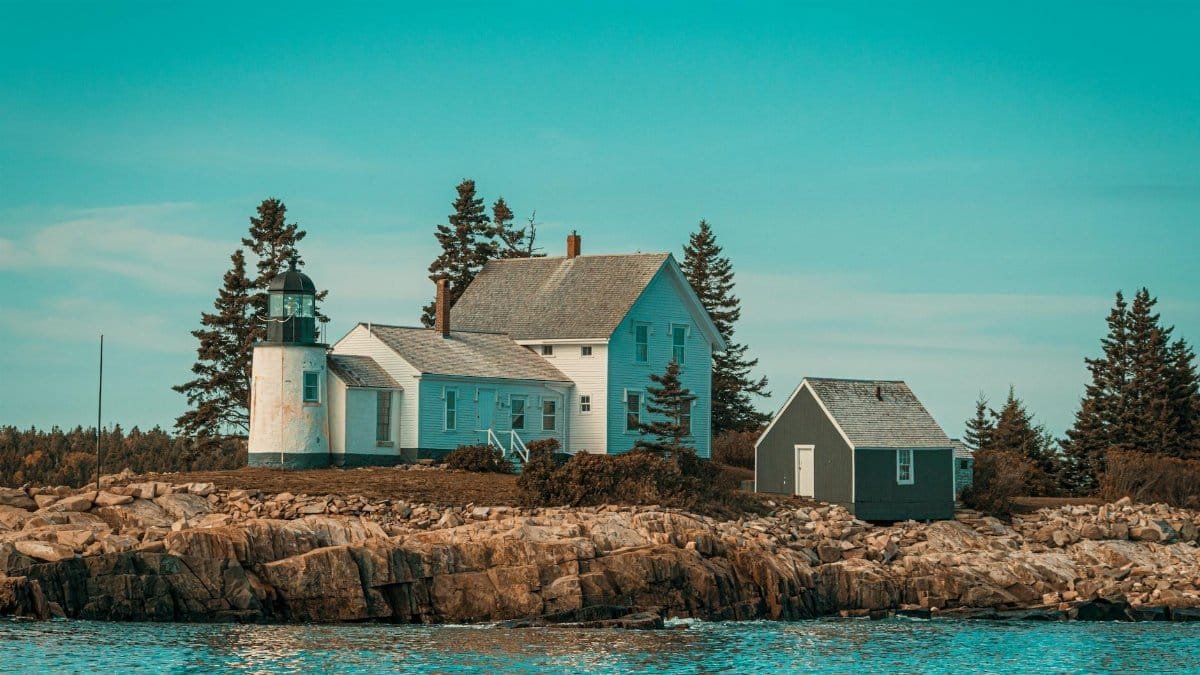
Is a Maine dark sky retreat the answer to your sleepless nights? In a groundbreaking move, Maine has certified a new type of wellness destination aimed at combating insomnia through the power of darkness. Dubbed “Dark-Sky Retreat Centers,” these facilities are designed to reset the body’s natural sleep rhythms using ultra-low light environments and specialized workshops. With insomnia affecting millions of Americans, this innovative approach is drawing attention as a potential game-changer. Three coastal inns have already earned certification, and early results from a university study are promising.
Certification Standards for Darkness
Maine’s certification for Dark-Sky Retreat Centers sets a high bar to ensure a truly light-free experience. Facilities must maintain nighttime lighting levels below 0.1 lux, a measurement so dim it mimics the natural darkness of a moonless night. This strict standard is intended to minimize artificial light exposure, which research suggests disrupts the body’s circadian rhythm—the internal clock governing sleep and wakefulness. By enforcing such conditions, Maine aims to create environments where guests can fully disconnect from the glow of modern life.
Guided Circadian Workshops

Beyond the darkness, these retreat centers offer structured programs to help participants realign their sleep patterns. Guided circadian workshops are a core component, teaching techniques to synchronize the body’s natural rhythms with the environment. These sessions cover topics like timed exposure to natural daylight, mindfulness practices to reduce pre-sleep anxiety, and strategies to avoid stimulants before bed. The goal is to equip guests with tools they can use long after their stay, addressing insomnia at its root.
Three Coastal Inns Lead the Way
Three inns along Maine’s rugged coastline have become the first to earn the Dark-Sky Retreat Center certification. While specific names and locations remain undisclosed in the initial announcement, their accreditation marks a significant milestone for the state’s wellness tourism sector. These inns have retrofitted rooms to block out external light, installed specialized low-lux fixtures, and trained staff to deliver the required workshops. Their coastal settings also offer a serene backdrop, enhancing the therapeutic experience for visitors seeking rest.
Promising Results from UMaine Study

Early data from a sleep lab at the University of Maine provides a compelling case for the efficacy of these retreats. Participants in a pilot program at certified centers showed a 25 percent improvement in sleep-efficiency scores—a metric that measures the ratio of time spent asleep versus time spent in bed. This improvement suggests that the combination of ultra-dark environments and guided interventions could offer real relief for those struggling with chronic sleep issues. Researchers are eager to expand the study to confirm these findings.
Why Darkness Matters for Sleep
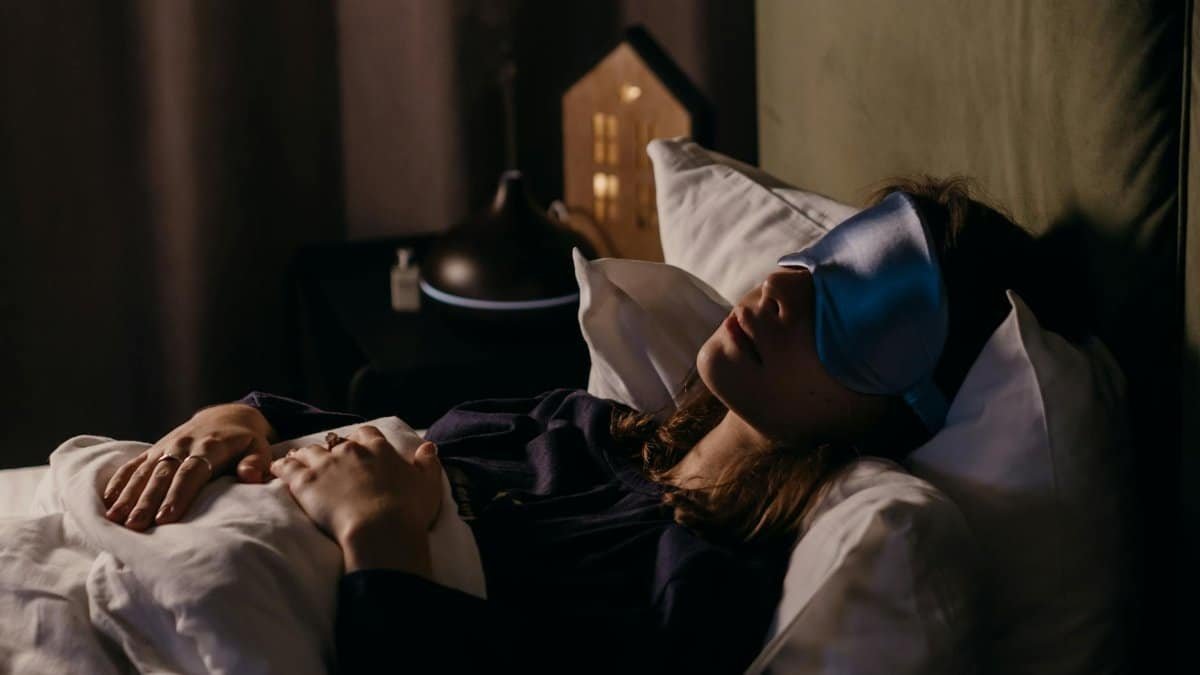
The science behind Maine’s dark sky retreat initiative is rooted in the impact of light on human biology. Exposure to artificial light, especially blue light from screens, suppresses melatonin production—a hormone critical for sleep. By creating environments with minimal light pollution, these centers allow the body to naturally ramp up melatonin levels at night. This approach taps into a growing body of evidence linking light exposure to sleep quality, a connection that’s become more relevant in our screen-saturated world.
Broader Implications for Insomnia Treatment

With insomnia affecting roughly 30 percent of adults in the U.S., according to data from the Centers for Disease Control and Prevention, Maine’s initiative could signal a shift in how we address sleep disorders. Traditional treatments often rely on medication or behavioral therapy, but dark-sky retreats offer a non-invasive alternative that prioritizes environmental factors. If successful, this model might inspire other states to explore similar certifications, potentially reshaping wellness tourism in 2025 and beyond.
Challenges in Scaling the Concept
Despite the early success, scaling the dark-sky retreat model poses challenges. Maintaining such low light levels requires significant investment in infrastructure, from blackout curtains to specialized lighting systems. Additionally, not all locations can achieve the necessary darkness due to proximity to urban areas or other light sources. Training staff to deliver effective circadian workshops also demands resources, which could limit how many facilities qualify for certification in the near future.
A New Frontier in Wellness Tourism
Maine’s certification of Dark-Sky Retreat Centers positions the state as a pioneer in wellness tourism. By blending the natural beauty of its coastline with cutting-edge sleep science, it’s carving out a niche that could attract visitors from across the country. For those desperate for a good night’s sleep, a Maine dark sky retreat might just be the remedy they’ve been searching for. As more data emerges, the impact of this initiative will become clearer, potentially setting a precedent for others to follow.
For more information on the science of sleep and light exposure, visit the CDC Sleep and Sleep Disorders page or explore research summaries at the National Institutes of Health.