
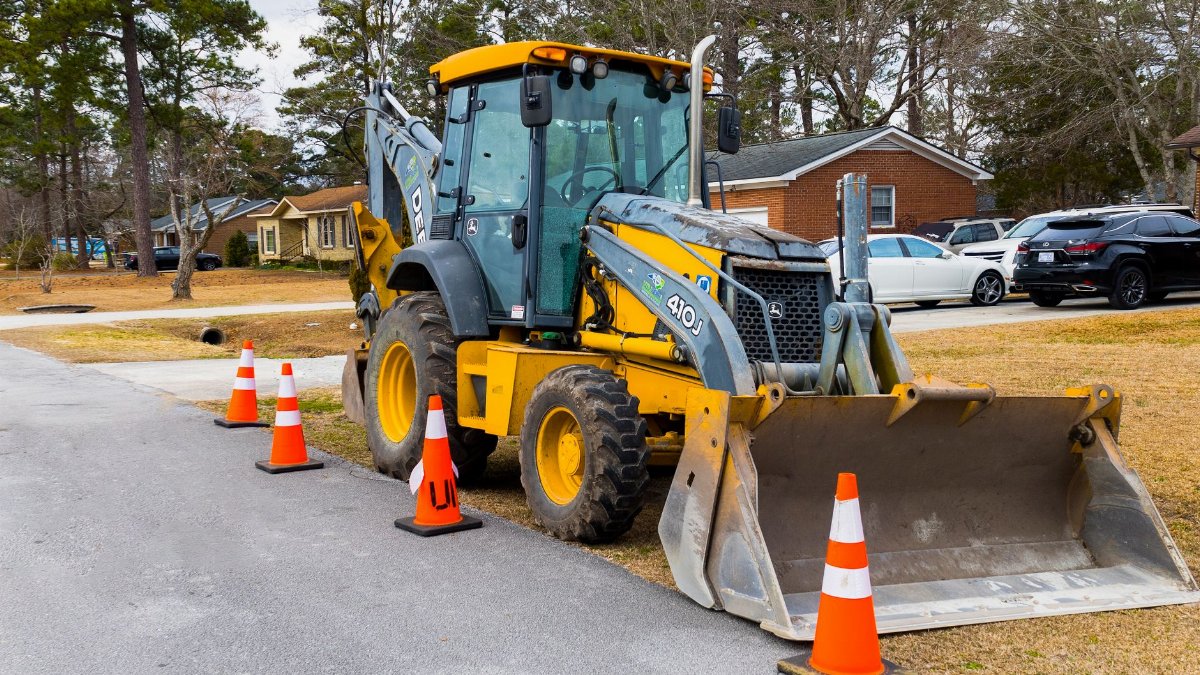
On a humid Tuesday morning north of Houston, brake lights stack along Sawdust Road long before the workday truly begins. Parents inch toward school drop off. Delivery vans idle beside office parks. Commuters glance at the clock and recalculate the same familiar math. Traffic here is not a surprise. It is a daily condition, shaped by growth, water, and a freeway that still funnels too many trips through too few choices. That is the setting for The Woodlands road projects now moving through Montgomery County and state planning, a cluster of rebuilds meant to ease congestion and reduce the flood risk that turns ordinary rain into a detour.
A place built faster than its roads
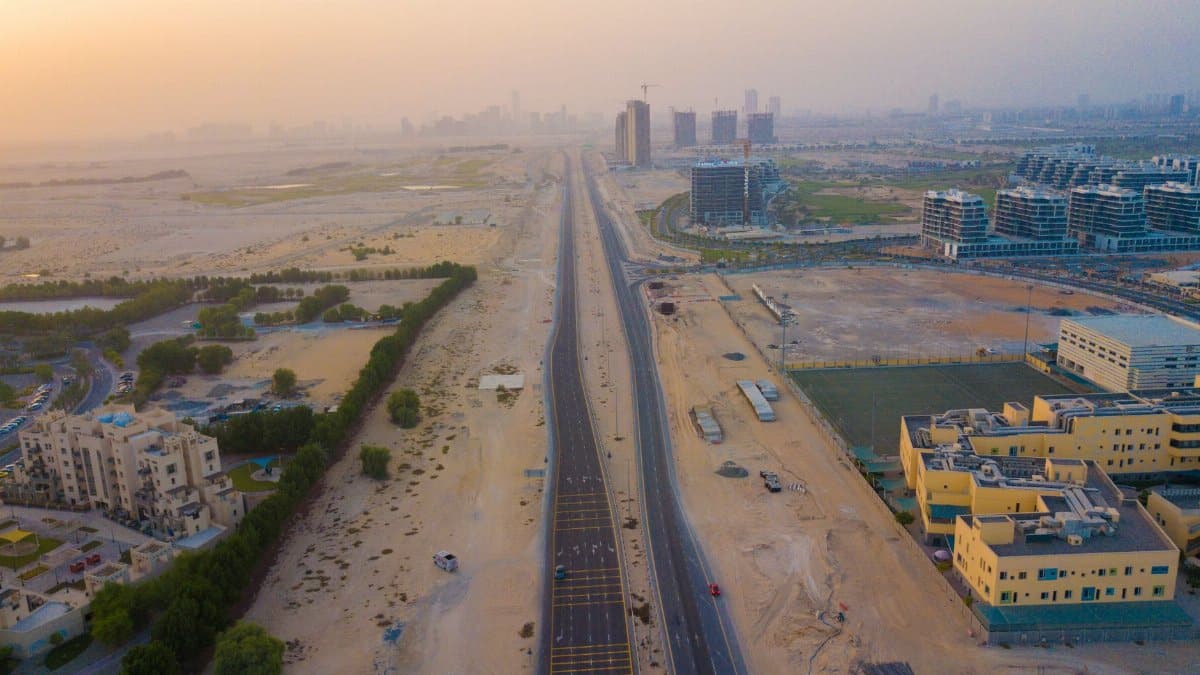
The Woodlands did not grow by accident. Planned neighborhoods, corporate campuses, and retail strips drew families who wanted trees and a shorter drive than a life spent entirely inside the urban core. The promise held for a while. Then the region kept adding rooftops, and the same handful of east west and north south routes had to carry school traffic, shift changes, and weekend shopping all at once.
Sawdust Road sits in that squeeze. It links residential streets to Interstate 45 and to the commercial spine that residents use without thinking until a lane closes or a creek rises. When the bridge and the approaches cannot shed water quickly, a storm does not stay a weather story. It becomes a missed meeting, a late pickup, and a line of cars searching for a side street that was never designed as a relief valve.
County leaders and state highway planners have treated that pattern as a design problem, not a temporary inconvenience. The work now in motion is meant to separate conflicting movements, raise or rebuild structures that sit too close to floodwater, and give drivers a path that does not collapse into gridlock every time volume spikes.
The Sawdust Road bridge, in plain terms
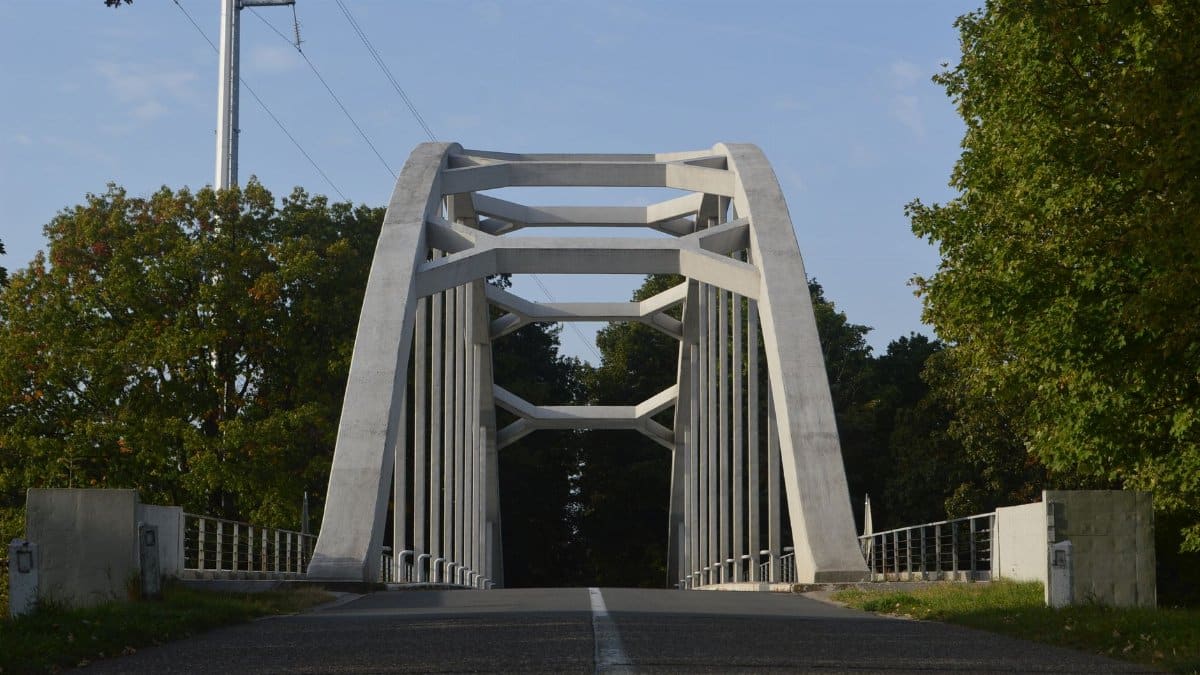
The most concrete piece of the current package is a rebuild of the Sawdust Road bridge, reported at about $10 million in coverage by the Houston Chronicle. The figure matters less as a budget headline than as a signal of scale. This is not a resurfacing job that disappears over a weekend. It is a structure replacement, the kind of project that touches drainage, approaches, and the daily rhythm of everyone who crosses that span.
A bridge rebuild sounds simple until you stand at the site. Crews must keep some movement of traffic if a full closure would dump thousands of vehicles onto neighborhood streets. They must also rebuild in a way that does not recreate the same bottleneck five years later. Elevation, lane width, and how the road meets the creek all sit inside that decision. Residents tend to notice the cones first. Engineers notice whether the new span can pass a heavy rain without becoming the low point of the corridor.
For The Woodlands road projects, the Sawdust work is the piece people can point to on a map and understand without a planning glossary. A bridge either carries you or it does not. When it fails in a storm, the failure is visible. When it is rebuilt with flooding in mind, the success is quieter: a morning that stays ordinary.
Floodwater as a traffic engineer
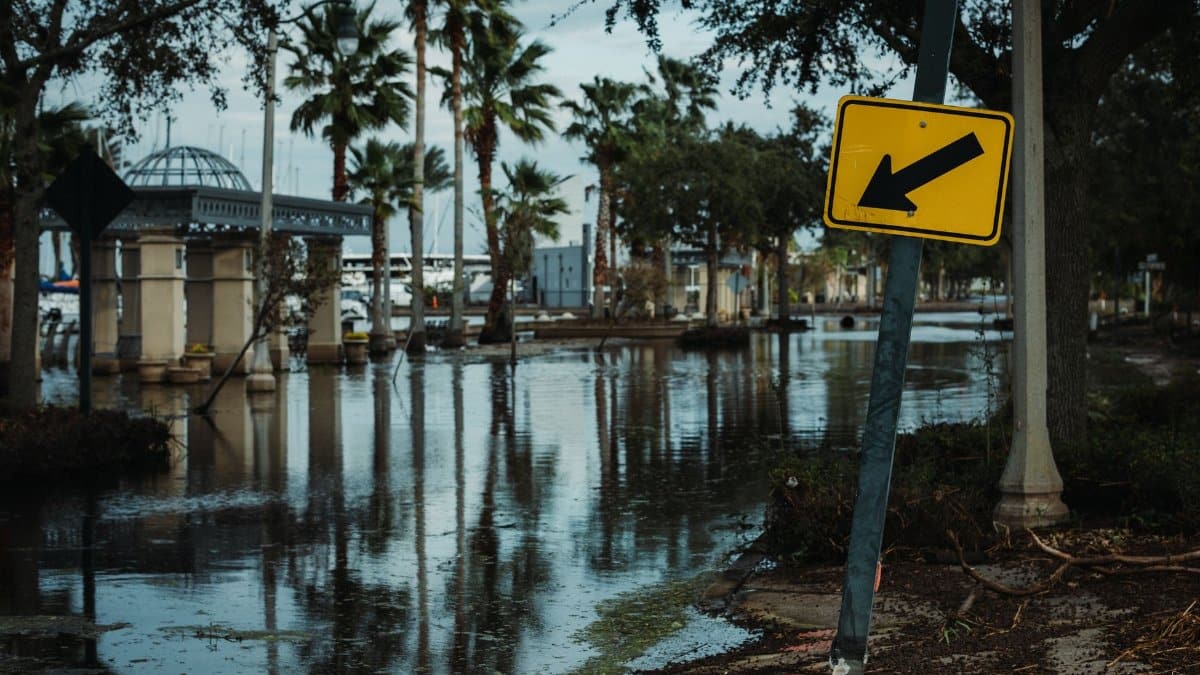
Montgomery County has learned, repeatedly, that pavement and drainage are the same problem wearing two names. High water does not merely damage asphalt. It removes options. A submerged crossing forces detours onto roads that already run near capacity. Emergency vehicles lose minutes. Parents reroute through unfamiliar intersections. The economic cost hides inside those small delays until a storm season stacks them into something larger.
That is why local officials have paired congestion relief with flood performance instead of treating them as separate wish lists. A wider road that still goes under in a routine Gulf rain is not a finished road. It is a fair weather improvement. The Sawdust rebuild sits inside that logic. So do the state led changes along the freeway, where ramps and frontage movements can trap water and traffic in the same tight geometry.
None of this erases the larger watershed. A single bridge cannot drain a county. What it can do is stop one familiar failure point from multiplying every other delay on the network. In a place where people already budget extra time for the drive, removing even one predictable choke point changes the week.
What a braided ramp is trying to fix

The second major piece is a braided ramp tied to Interstate 45, the freeway that still organizes almost every long trip out of The Woodlands. A braided ramp separates crossing movements so one stream of vehicles does not have to weave through another at the worst possible moment. Think of two flows that currently bargain for the same short stretch of pavement. The braid gives each flow its own path, stacked or split so the merge happens where drivers can see it coming.
Weaving is where freeway trouble starts. A driver entering from a frontage road looks for a gap while another driver tries to exit for a shopping center or a neighborhood. Speeds drop. Gaps close. A small hesitation becomes a mile of brake lights. Braiding is an attempt to end that negotiation by design rather than by hope.
The Texas Department of Transportation carries the freeway side of this work, while the county focuses on the local bridge and the roads that feed it. That split is practical. Interstate 45 is a state facility. Sawdust Road is lived at a county and neighborhood scale. The Woodlands road projects only function if those two jurisdictions build toward the same outcome: fewer forced merges, and fewer places where a storm and a ramp backup arrive together.
Who holds the plans, and who holds the delay

Large road work in this part of Texas almost never belongs to a single desk. Montgomery County can advance a bridge when local funds, drainage needs, and right of way line up. TxDOT controls the freeway geometry, the ramp permits, and the standards that govern how a local road touches an interstate. Cities and municipal utility districts sit nearby with their own streets, signals, and construction calendars. A project that looks unified in a headline is often a stack of agreements.
That structure explains why timelines feel slippery to people who drive the corridor every day. Design can be done while funding is still being assembled. A ramp concept can be public while the exact phasing is not. Utility relocation, environmental review, and the need to keep businesses reachable all insert months that do not show up in a simple announcement.
Readers should treat early descriptions as direction, not as a promise of a particular opening day. The direction is clear enough: rebuild the vulnerable Sawdust crossing, and untangle the Interstate 45 movements that feed it. The calendar will move with bids, weather, and whatever the ground reveals once crews cut pavement.
The third pressure: growth that does not pause

Two named structures do not capture the whole strain. A third pressure runs underneath both of them, and it is the continued buildout of northern Harris County and southern Montgomery County. Every new subdivision, medical office, and warehouse adds trips that still want the same freeway ramps at the same hours. Even a well built bridge can feel inadequate if the roads on either side keep filling.
Local planners have answered that pressure with a mix of widening, signal timing, and intersection rebuilds over the years. Some of that work helps. Some of it simply moves the queue a half mile down the road. The current set of projects is more structural. A braided ramp changes who conflicts with whom. A bridge rebuild changes whether a storm erases the route. Together they are an admission that paint and timing alone will not carry the next decade of growth.
Residents sometimes hear that admission as overdue. Business owners hear it as risk. A restaurant on a frontage road can survive a slow season. It has a harder time surviving a year of blocked turns. The public interest is real on both sides: mobility that lasts, and access that does not vanish during the fix.
What drivers will actually feel

Construction communication in Texas suburbs often arrives as a lane closure map and a hope that people will read it. The lived version is more specific. Morning peaks will lengthen on the days when a ramp is reduced. School traffic will hunt for the next open crossing. Night work may trade daytime pain for sleep lost along the frontage roads. None of that is a reason to skip the work. It is a reason to describe it honestly.
Expect uneven months rather than a single dramatic shutdown, unless engineers decide a short full closure is safer than a long partial one. Expect detours that look reasonable on a diagram and feel longer once every other driver discovers them. Expect drainage work that seems unrelated to driving until the first hard rain proves why the ditch had to move.
The practical advice is ordinary and still worth saying. Leave more time when the first cones appear. Watch county and state alerts rather than relying on memory of last month’s route. Give work zones the gap they ask for, because a bridge crew and a ramp crew are standing closer to traffic than any commuter wants to imagine.
Neighborhoods that absorb the overflow
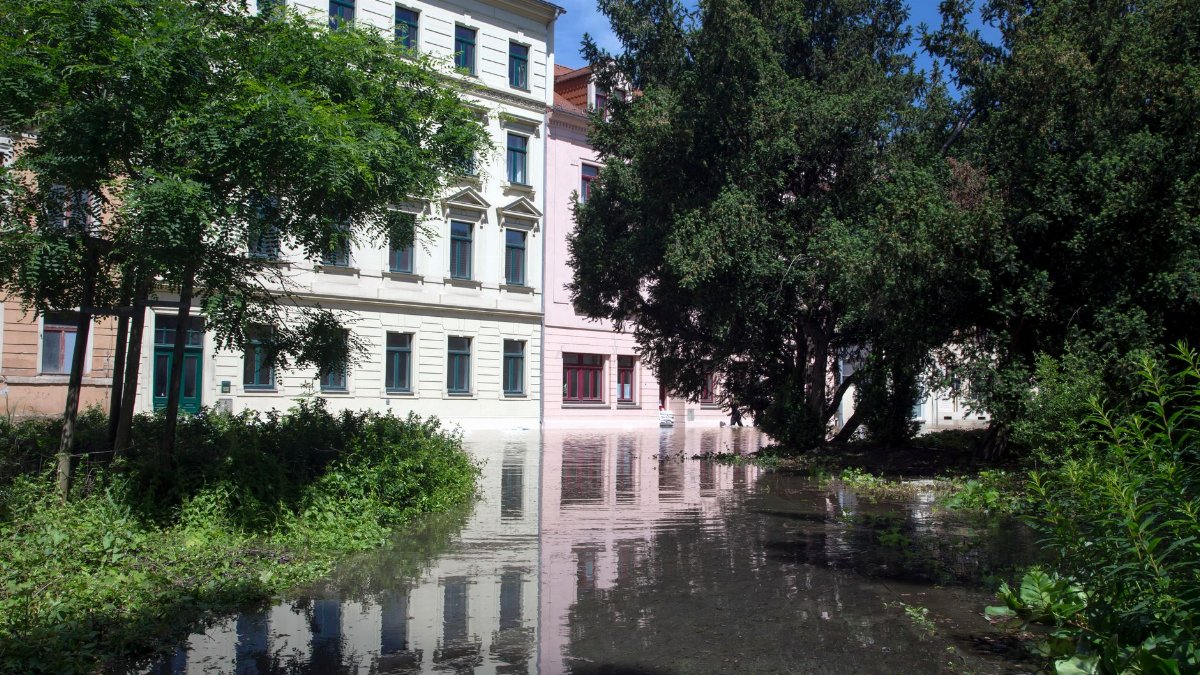
When a main road clogs, the pain does not stay on the main road. Grogan’s Mill, Research Forest, and the smaller connectors between them become release valves whether or not they were built for that role. Cut through traffic brings speed to streets where children bike and where driveways open directly onto the lane. That spillover is one of the quiet costs of delaying a rebuild, and it is also a cost of building the rebuild badly.
Good phasing keeps heavy vehicles on roads that can hold them. It protects school hours. It gives residents a way to report a detour that has become a racetrack. Those details rarely lead a press release. They decide whether a community trusts the next project.
The Woodlands has a particular sensitivity here because so much of its identity is the internal street, the trail, the shaded collector that was never meant to impersonate a freeway. If construction pushes freeway behavior onto those streets for months, the project will be judged on that intrusion as much as on the finished bridge.
Money, memory, and the storms people still name

Infrastructure debates in greater Houston always carry weather in the background. People remember which intersection vanished under water, which ramp became a lake, which afternoon they abandoned a car. Those memories shape patience. A community that has watched roads fail in a storm is more willing to endure cones if the new work is clearly about staying open when the sky opens.
The reported $10 million Sawdust bridge figure is modest beside a freeway ramp program, and that modesty can mislead. Local bridges punch above their budget because they are the last link between a neighborhood and the state highway. Lose the bridge and the expensive ramp work upstream cannot help the driver who cannot reach it.
Funding will continue to mix local and state sources, as it does across the region. What residents can reasonably ask is not a fantasy of zero disruption. It is a clear account of what each dollar changes: elevation, separation of movements, and a crossing that still works after the rain.
How to read the next announcements

Upcoming updates will likely arrive in pieces. A bid opening. A lane closure schedule. A revised drawing of how the braided ramp meets the frontage road. None of those documents is the whole story, and none should be ignored. The useful habit is to match each notice to a question. Does this change the flood elevation or only the surface? Does this separate weaving traffic or only add a lane that will fill? Does this closure push volume onto a school route?
Public meetings, when they are held, are worth the hour if you drive the corridor. They are also imperfect. The people with the least flexible jobs are often the people most exposed to the delay, and they are the least able to attend a weekday session. Written comments and neighborhood associations remain the practical channel for that gap.
Skepticism is healthy. So is proportion. Not every cone is a broken promise. Some are the visible part of a fix that was argued over for years before the first barrel appeared.
What success would look like on an ordinary Thursday

Success for The Woodlands road projects will not look like a ribbon in a photograph. It will look like a Thursday that nobody remarks on. The Sawdust crossing stays open after a heavy shower. The Interstate 45 ramp no longer forces a last second weave in front of a loaded truck. A parent makes the school line without inventing a new route. A delivery arrives when the invoice said it would.
That standard is modest, and it is the right one. The region will keep growing. Storms will keep arriving from the Gulf. No bridge and no braid can repeal either fact. They can stop those facts from colliding at the same pinch point every week.
Until the pavement is down and the first real storm has tested it, the honest posture is watchful. Follow the county on the bridge. Follow the state on the freeway. Measure the work by whether the morning gets simpler, not by whether the announcement sounded ambitious. In The Woodlands, a simpler morning is already a serious public good.