
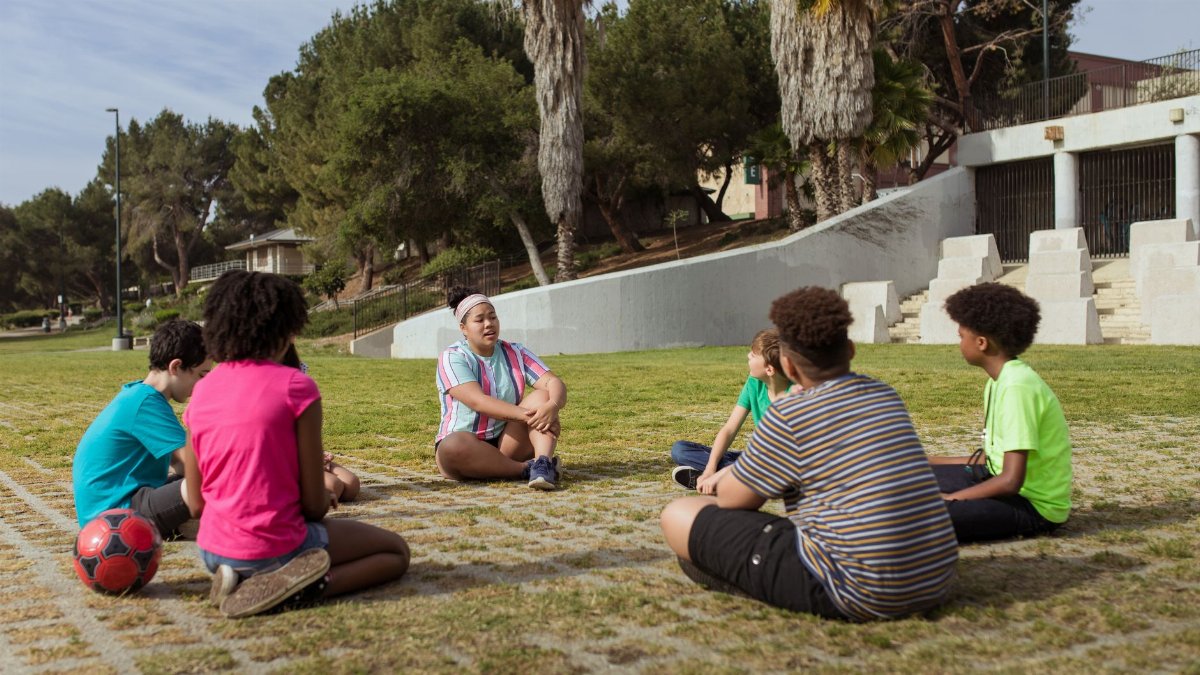
On a gray afternoon in Kent, the last school bell does not send every child toward an empty kitchen. Some walk to a low building where staff already know their names, where a snack is set out, and where the hour after class is treated as part of the day rather than a gap to survive. Kent Youth and Family Services has built its reputation on that ordinary scene. Its free after-school programs sit inside a larger promise: take a child in, and stay when the calendar turns.
A door that does not close in June

Many youth programs end when the funding cycle ends, or when a child ages out of a single grade band. Families in south King County have learned to expect that pattern. KYFS has tried to refuse it. The organization, long rooted in Kent, offers youth development, counseling, and family support under one roof, so a student who arrives for homework help can later find a counselor, a job skill class, or simply an adult who remembers last winter. The point is continuity. A child should not have to reintroduce a crisis every September.
That approach is less dramatic than a single rescue story and harder to fund. It asks donors and public partners to pay for presence, not for a splashy launch. Presence is what parents describe when they talk about the place: someone answers the phone, someone notices a missed week, someone does not treat a setback as a reason to exit the file.
What the afternoon actually holds

The phrase free after-school programs can sound like childcare with a worksheet attached. At KYFS the afternoon is more specific. Students get a safe room, food, help with assignments, and adults who are paid to pay attention. For working parents on shifts that do not match the school day, that room is the difference between a supervised hour and a risky one. For a child who is behind in reading or carrying worry from home, it is also a place where academic trouble is not confused with bad character.
Staff describe the work in practical terms. They track attendance. They call home. They sit with a math problem until it yields. None of that is glamorous, and none of it replaces a well funded school day. It fills the hours schools were never designed to cover alone, especially in a city where housing costs push families into longer commutes and tighter budgets.
Kent as a test of whether care can keep up

Kent is not a postcard of the Seattle boom. It is a working city of warehouses, apartment complexes, and school districts that enroll students who speak many languages at home. Rents rose with the rest of the region. Wages in logistics and service jobs did not always rise with them. In that gap, a nonprofit becomes infrastructure. Parents use it the way they use a bus route: not as charity theater, but as a way to get through Tuesday.
The Seattle Times has reported on how Kent Youth and Family Services takes in kids in need and does not let go, including families who stayed connected for years rather than for a single semester. That reporting matters because local nonprofits are often described in slogans. The more useful question is whether a family can still find the same organization after a move, a job loss, or a teenager’s bad season.
A former student who came back to work

One former participant arrived in the region from Cambodia as a child and later returned to the organization as a colleague, working alongside the mentors who had once watched her come through the door. That arc is easy to sentimentalize. It is better read as evidence of time. A program that only offers a snack cannot produce a staff member. A program that stays through middle school, high school, and the unsteady years after can.
Her path also corrects a common picture of service, in which helpers and helped occupy separate rooms forever. Here the line moved. The adult who once needed a ride, a translator, or a patient explanation of American school rules now explains those same rules to someone else. Institutions rarely get that kind of return unless they are willing to be ordinary and available for a very long time.
Counseling beside the homework table
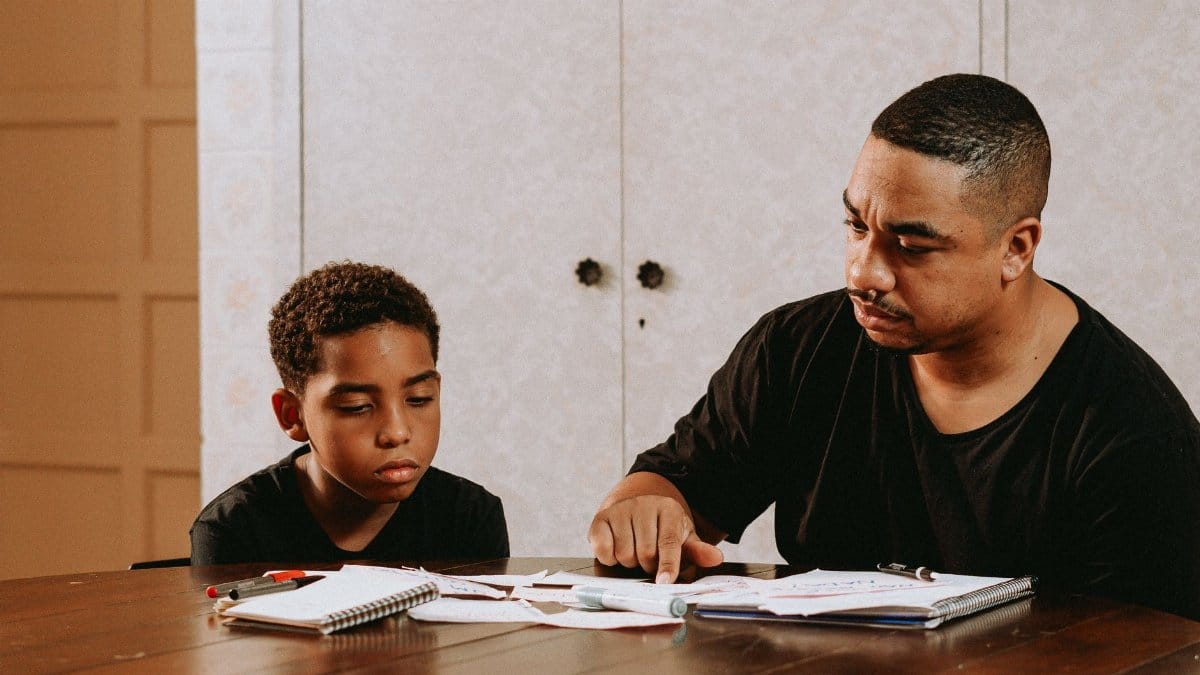
Academic support and mental health care are often funded and housed apart, as if a child’s mind splits cleanly at 3 p.m. KYFS has treated them as neighbors. A student who is failing a class may also be managing grief, a parent in treatment, or the stress of translation duty at home. Counseling on site, or close at hand, means the afternoon staff do not have to pretend that algebra is the only problem in the room.
This is not a claim that every worry yields to a session. It is a design choice. When counseling sits near free after-school programs, a referral does not require a parent to take another unpaid afternoon off, find parking across town, and retell a story to a stranger. Access is partly a matter of maps. Shorten the distance, and more families use the help they were already eligible to receive.
Why free is not a small word

Sliding scale fees still shut people out. A ten dollar afternoon is nothing to a household with spare income and a wall to a family counting grocery money. Free, in this setting, is an admission policy. It says the child is not a customer who must qualify by wallet. It also forces the nonprofit to raise money elsewhere: contracts, grants, individual gifts, and the slow work of convincing a city that unsupervised hours are a public cost whether or not anyone pays for them up front.
Readers sometimes hear free and assume casual. The opposite is closer to the truth. If no family is paying tuition, quality depends entirely on whether the organization can hire steady staff, keep ratios sane, and resist the temptation to enroll more children than the rooms can hold. Generosity without capacity is just a waiting list with better language.
Faith, in the plain sense of the word

KYFS is not a church, and it does not need to be recast as one. Still, the work brushes a question that religious communities have argued for centuries: what do we owe the child who is not ours? In Kent the answer has been institutional rather than doctrinal. Show up. Learn the name. Do not flinch when the story gets complicated. Stay employed in the same building long enough that a teenager can test you and still find you there.
That is a kind of faith, stripped of creed. It trusts that attention compounds. It refuses the fashionable idea that impact must be fast, measurable in a quarter, and easy to photograph. A former student returning from a childhood that began in Cambodia to sit beside her old mentors is not a metric. It is a rebuttal to impatience.
What mentors actually do

Mentorship is a word that has been worn thin by panels and posters. In a youth center it looks like repetition. An adult remembers which student hates reading aloud. An adult notices when a usually loud kid goes quiet. An adult drives a point about respect without humiliating anyone in front of peers. Over years, those small corrections become a model of adulthood that some children do not get at home, not because their parents fail, but because their parents are at work.
The mentors who remained in this story did something harder than inspiration. They shared a workplace with someone they had once guided. That requires ego in check. It requires an organization willing to hire from within its own community rather than treating former participants as permanent exhibits of success. Employment is a sturdier form of belief than a speech at a gala.
The limits of one address

No nonprofit erases poverty, housing shortages, or the unevenness of public schools. KYFS can keep a child safe from 3 to 6 and still send that child home to an overcrowded apartment. It can offer counseling and still lose a teenager to a wait for specialized care elsewhere. Honesty about those limits is part of responsible praise. Readers who want a single organization to stand in for a social contract will be disappointed, and they should be.
The fairer measure is comparative. What happens to the same child without the afternoon room, without the phone call, without an adult who is not grading them and not billing them? On that measure, free after-school programs with counseling attached are not a luxury add on. They are a floor. Cities that treat them as optional discover the cost later, in truancy, in emergency rooms, and in the quiet withdrawal of kids who decide no one is keeping track.
How a region might copy the habit, not the logo

Other cities do not need a replica of one Kent nonprofit. They need the habit that nonprofit represents: long tenure, low or no fees, and services placed where families already are. School partnerships help. So does public money that does not vanish after a pilot year. So does hiring staff who speak the languages of the neighborhood and who are paid enough to stay past the first hard winter.
Philanthropy can start a room. It cannot, by itself, guarantee the fifteenth year. That guarantee is closer to a civic choice, the same choice a congregation makes when it keeps a food pantry open after the novelty fades. The spiritual trend worth noticing is not a new doctrine. It is the return of endurance as a virtue, in institutions that measure success by who is still in the building.
Staying is the whole story

I have sat in enough community meetings to know how quickly a good program becomes a bullet point. The Kent example resists that flattening. A child from Cambodia grows up inside a web of afternoons and counseling sessions. Years later she works next to the people who held that web. Nothing about the sequence is automatic. It depended on funding that held, on adults who did not rotate out every season, and on a definition of help that included coming back.
For families scanning listings of free after-school programs, the lesson is practical. Ask who answers in July. Ask whether counseling is a referral slip or a door down the hall. Ask whether former students are welcome as colleagues, not only as testimonials. Kent Youth and Family Services has staked its name on the answers. The rest of the region can argue about models. The children already know the difference between a program that hosts them and a place that keeps them.