

On a bright November morning the trains still pass overhead with the same metallic sigh they have made for decades, but the ground beneath them no longer feels like leftover land. Joggers move in loose pairs. A woman pauses with a coffee and watches a dog circle a patch of grass. Children cut across a path that used to be little more than a service corridor. The Underline Miami, a ten mile public trail stitched under the Metrorail from the urban core toward the southern suburbs, has reached the end of eight years of construction, and the city is treating the moment as more than a ribbon cutting.
A corridor the city had learned to ignore
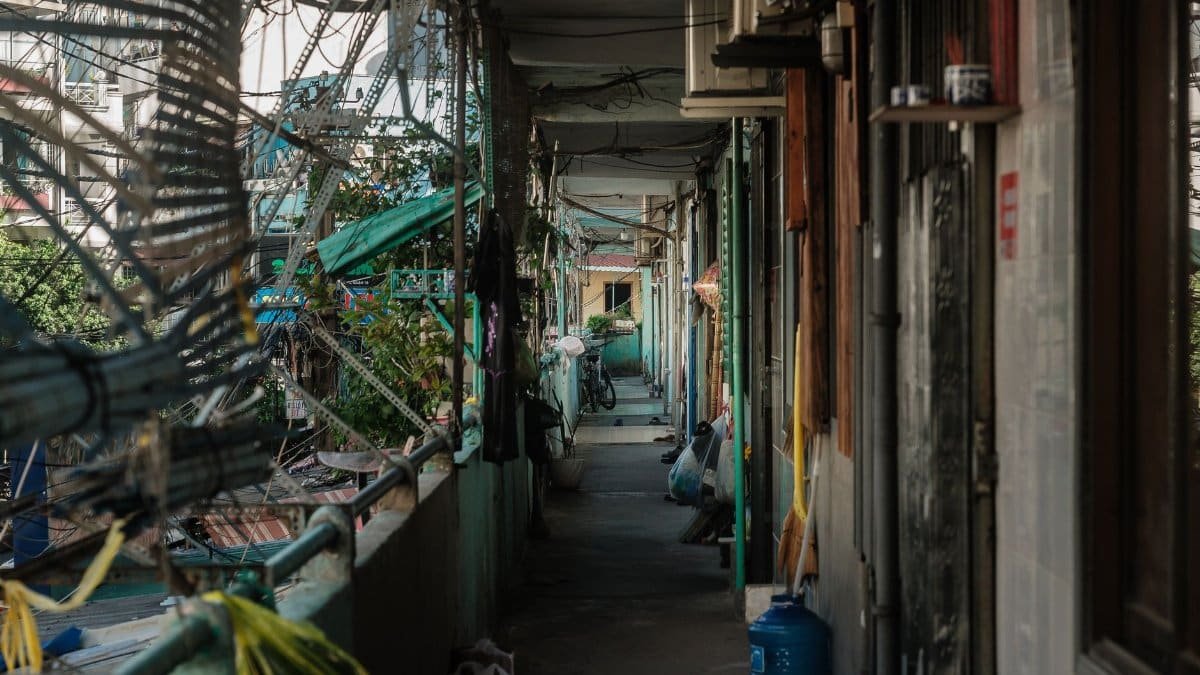
For a long time the space under the elevated tracks was a kind of civic afterthought. Cars rushed along nearby streets. Pedestrians crossed only when they had to. Shade existed, which in South Florida is never a small thing, yet the shade covered gravel, fencing, and the occasional forgotten lot. Residents drove past it on the way to work and barely registered the columns. Planners knew the land was public in a technical sense and neglected in a practical one. Completion does not erase that history. It makes the neglect visible by contrast, because the same columns now frame lawns, plantings, and places to sit.
The celebration arrives after a build that moved in phases rather than in one dramatic sweep. Early segments drew curious crowds and a fair amount of skepticism. Later segments had to prove that a linear park could feel coherent when it passed through neighborhoods with very different incomes, densities, and expectations. The finished length, about ten miles and roughly one hundred twenty acres of parks, paths, and dog runs, is large enough to change daily routes. It is also narrow enough that every design choice shows.
What eight years of work actually produced

Eight years is a long time in a city that reinvents its skyline faster than it repairs its sidewalks. Construction closures, utility conflicts, and the ordinary friction of working beside an active rail line stretched calendars and tested patience. What stands now is not a single park in the old sense of a fenced green square. It is a sequence of rooms under concrete: exercise areas, gardens, play spaces, and long stretches where the only program is walking.
Dog runs matter more than a press release might suggest. In a dense county where many people live in apartments, a safe place for animals is also a social place for owners. Parallel paths separate faster cyclists from people who want to stroll. Lighting and sight lines attempt to make evening use feel ordinary rather than brave. None of this is glamorous engineering. It is the unglamorous work of turning a right of way into a place someone might choose on a Tuesday.
Shade as the real luxury
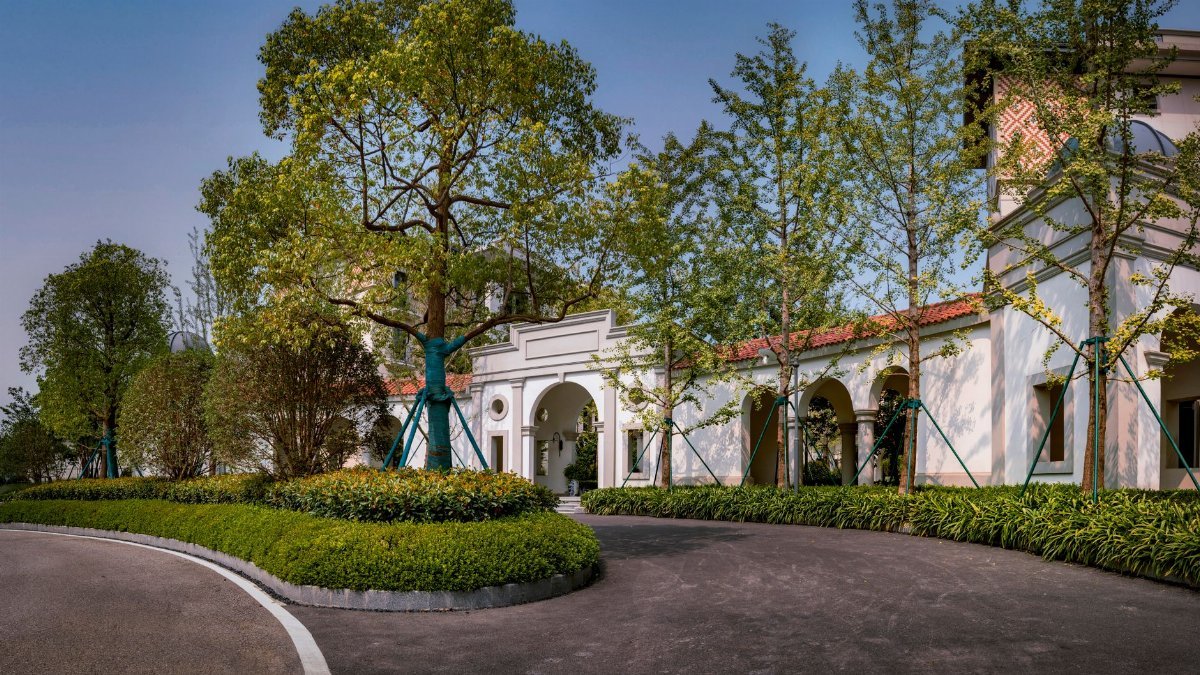
Miami sells sun. Residents organize their lives around escaping it. The Underline Miami sits in a strip of borrowed shade that the transit structure already provided, and the planting plan tries to thicken that gift with trees and understory rather than fight the climate with ornament alone. On the hottest afternoons the difference between open asphalt and a planted colonnade is not aesthetic. It is whether a walk is possible at all.
That practical mercy gives the project a quieter claim than the usual language of destination making. A trail that lets an older resident reach a grocery trip, a clinic, or a friend’s building without a car is infrastructure. It is also, for people who walk to think, a kind of daily chapel without a denomination. The category of spiritual trend can sound soft beside concrete and rebar. Spend an hour under the tracks at dusk and the softness looks like attention: bodies slowing down, conversations lengthening, strangers sharing a bench because there is finally a bench.
A private walk that became a public argument
The origin story is now local lore. After a cycling injury, Meg Daly found herself traveling the Metrorail and walking beneath it, and she noticed how much usable land the city had filed under the heading of nothing. Friends of the project grew from that observation into a partnership with public agencies, designers, and donors. The personal beginning matters because so many civic ideas die as complaints. This one acquired a map, a budget, and a constituency willing to sit through hearings.
It also acquired critics, which is the proper fate of any plan that redraws how land is used. Some neighbors feared construction dust, night lighting, and a surge of outsiders. Others worried that beautification would raise rents along the line and that the people who most needed a free place to walk would be priced out of the apartments nearest the path. Those arguments did not vanish at the celebration. They travel with the finished work, and they should. A park is not morally complete because the pavers are in.
Money, agencies, and the slow machinery of yes

Linear parks look simple in renderings and complicated in ledgers. The Underline Miami depended on a braid of public funds, philanthropic gifts, and the patience of transit and county partners who had to keep trains running while crews worked below. Each phase had its own permits, its own neighbors, and its own moment when costs met reality. Supporters describe that braid as proof that Miami can still assemble a long project. Skeptics describe it as proof that only a project with wealthy champions and a photogenic concept can survive the wait.
Both descriptions can be true. The existence of one hundred twenty acres of new public ground does not mean the next neglected corridor will receive the same coalition. It does mean the city has a working example of what collaboration looks like when it holds. Maintenance will be the next test of that coalition. Planting dies without care. Lights fail. Paths crack. Celebration is a single day. Stewardship is the decade after the photographers leave.
How people are already using the ground
Use is the only review that counts. On weekday mornings the trail carries commuters who treat it as a last mile rather than a lifestyle accessory. Parents push strollers between stations. Teenagers claim basketball courts with the territorial confidence of any public court in America. Office workers eat lunch where they once would have stayed inside. Dog owners develop informal schedules, the way regulars do at any well loved patch of grass.
Weekend use looks different and louder. Visitors come from neighborhoods that do not touch the line, which is a success if the goal is a civic common and a tension if nearby residents expected a quiet backyard. Programming, from fitness classes to small performances, will decide whether the space feels hosted or merely open. The best public places allow both: a reason to arrive and permission to do nothing.
Walking as a civic practice
There is a fashion, easy to mock, for treating every new park as a spiritual awakening. The mockery is fair when the language outruns the benches. Still, something real happens when a city gives people a continuous place to move without a transaction. Walking has always been a way to sort a day, to grieve, to rehearse a hard conversation, or to feel briefly unhurried. Faith communities have known this for centuries. So have people with no faith at all who simply need air.
I walked a short stretch near the end of the build, not as a pilgrim and not as a critic with a clipboard, and what stayed with me was the sound mix: train above, footsteps below, a sprinkler somewhere out of sight. The Underline Miami will not heal loneliness or traffic or the price of housing. It can offer a repeated encounter with other people that is neither a meeting nor a fight. In a loud region that may be a modest form of grace, and modest grace is worth building.
Equity along a line that is not one neighborhood

A ten mile path is not a single community. It passes apartment towers, older houses, commercial strips, and blocks where public investment has historically arrived late. If programming, policing, and upkeep concentrate where donors live and photos look best, the project will reproduce the map it was supposed to soften. If transit connections, shade, and safe crossings are tended with equal seriousness at the southern end, the trail can function as shared infrastructure rather than a branded amenity.
Equity here is not a slogan to print on a banner. It is crosswalk timing, working water fountains, and rules enforced the same way on a Tuesday in every segment. It is also honesty about who was at the table when designs were locked. Completion is a chance to publish those lessons while memory is fresh, not only the renderings that survived.
Heat, storms, and the plants that have to live here
South Florida does not forgive decorative landscapes. Salt, heat, sudden rain, and the occasional storm will edit the planting plan whether designers like it or not. The intelligent response is species that belong, irrigation that does not waste, and a maintenance crew empowered to replace failures quickly. A dead tree line under a rail structure would turn the celebration into a cautionary slide.
Climate talk in Miami often jumps to seawalls and insurance bills, which are the right scale of worry. A shaded trail will not hold back a surge. It can, however, reduce the small daily harms of heat for people who walk because they must. Those harms add up in emergency rooms and in the simple decision to stay inside. Public health is not a side benefit of parks. In this climate it is one of the main arguments.
The politics of a finished picture

Politicians like completion because it photographs cleanly. Advocates like it because fatigue is real and donors need an ending. Residents like it when the fences come down and the detours end. The risk is that a finished picture freezes debate. There will be sections that feel cramped, art that ages badly, and rules about bikes or dogs that need revision after a year of actual behavior. A mature city treats opening day as the start of editing, not the end of responsibility.
Friends of the project and the public agencies beside them now share a reputation. If the lawns hold and the paths stay genuinely public, the eight year argument will look prescient. If the space drifts into event rental and private control, the argument will look like a familiar Miami story wearing greener clothes. The public should watch the calendar of fees as closely as it watches the blooms.
What completion asks of the rest of the city

Other elevated lines and wide roads hide similar scraps of land. Not every scrap should become a destination, and not every neighborhood wants a parade of visitors. The lesson from this trail is narrower and more useful: look at land the city already owns, ask who can reach it without a car, and fund the unphotogenic years of care. The Underline Miami is a local achievement with a portable question attached.
That question is spiritual only in the plain sense that civic life is a practice. People become neighbors by sharing ground over time, not by attending a single party under the tracks. The trains will keep their schedule. The columns will keep their shade. What changes is whether the city remembers, after the speeches, that a path is a promise renewed every morning someone chooses to use it.