
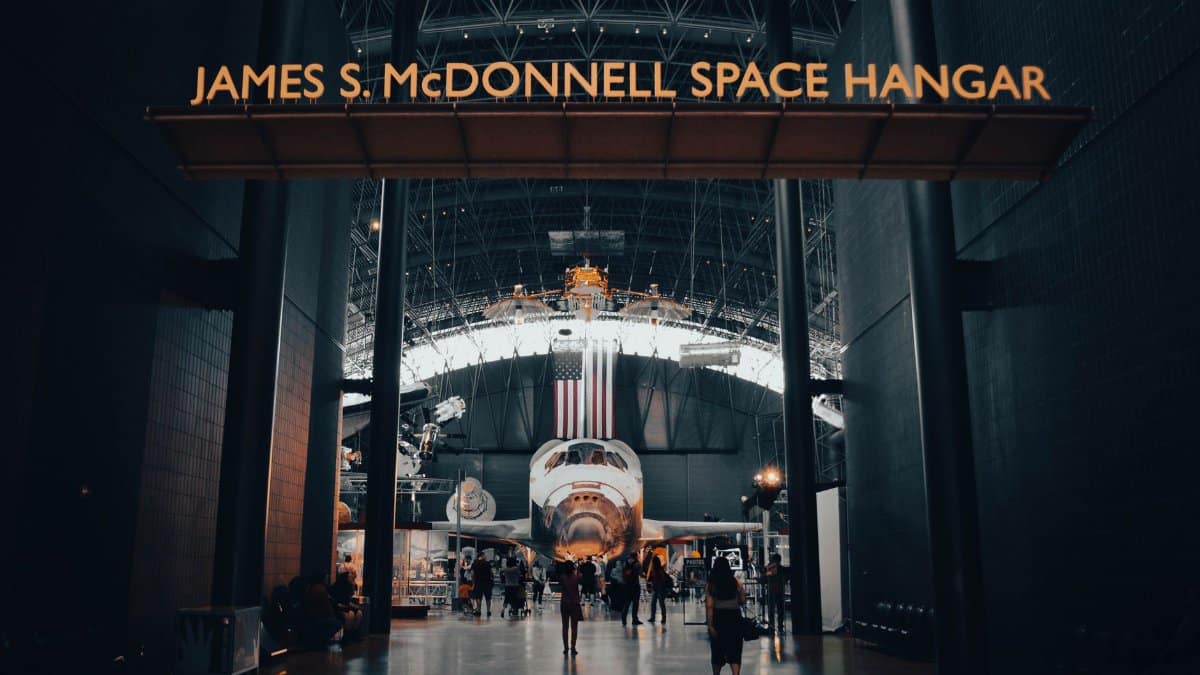
On a morning when Texas politics usually sounds like a quarrel in a crowded room, two men who almost never share a microphone found the same sentence. Democrat James Talarico and Republican Ted Cruz put their names on a joint appeal asking Washington to site a proposed national training campus in the state, and they did it by backing a U.S. Space Academy Texas bid built around Houston rather than a blank map. The moment is small on paper and large in tone. A senator known for combat and a younger lawmaker known for moral language chose the same civic argument: the country already has a place where people learn to leave Earth, and it sits on the Gulf Coast.
A courtesy that still counts as news

Joint statements are cheap when they come from allies. They are rarer when they cross the aisle in a state that treats every federal prize as a campaign commercial. Cruz has spent years arguing that Texas should lead American space policy. Talarico has spent his rise talking about public institutions, vocation, and the duty of government to form citizens rather than merely to score points. Their first shared document on this subject does not dissolve those differences. It does show that a campus, a workforce, and a city can sometimes outrank the pleasure of contrast.
Readers who follow only national cable will miss the texture. This is not a peace treaty. It is a bid letter with two signatures. Still, in a season when cooperation is treated as suspicion, the letter itself is the story.
What the academy is meant to be

The proposal, associated with Donald Trump and with a wider push to treat space as a standing national enterprise, imagines a school for the next generation of flight specialists, engineers, and mission staff. Details remain thinner than the rhetoric. Advocates speak of a place that would train people the way service academies train officers, with discipline, technical depth, and a shared sense of purpose. Critics hear a branding exercise attached to an industry that already has universities, contractors, and NASA centers doing pieces of that work.
The honest version sits between those poles. America does not lack rockets. It sometimes lacks a clear public path for young people who want a life in exploration rather than a job posting. An academy, if it is real and not a slogan, would try to make that path visible. Whether Congress funds it, where it sits, and who controls the curriculum are still open questions. Texas is answering the location question before the others are settled.
Houston already keeps the memory

The state’s case rests less on ambition than on habit. Johnson Space Center has been the human address of American flight for decades. Controllers there have talked crews through danger. Classrooms, simulators, and contractor floors around Clear Lake have turned abstract physics into shift work. Families in the region can point to a parent who worked a mission, a neighbor who machined a part, a teacher who sent a student toward engineering because the example was local.
That history is not nostalgia for its own sake. Training is a culture. It lives in people who know how a console feels at three in the morning and in shops that already speak the language of flight safety. A new campus dropped onto empty land can buy buildings. It cannot instantly buy that memory. Cruz and Talarico are betting that memory is the competitive advantage.
The case for a campus beside the center
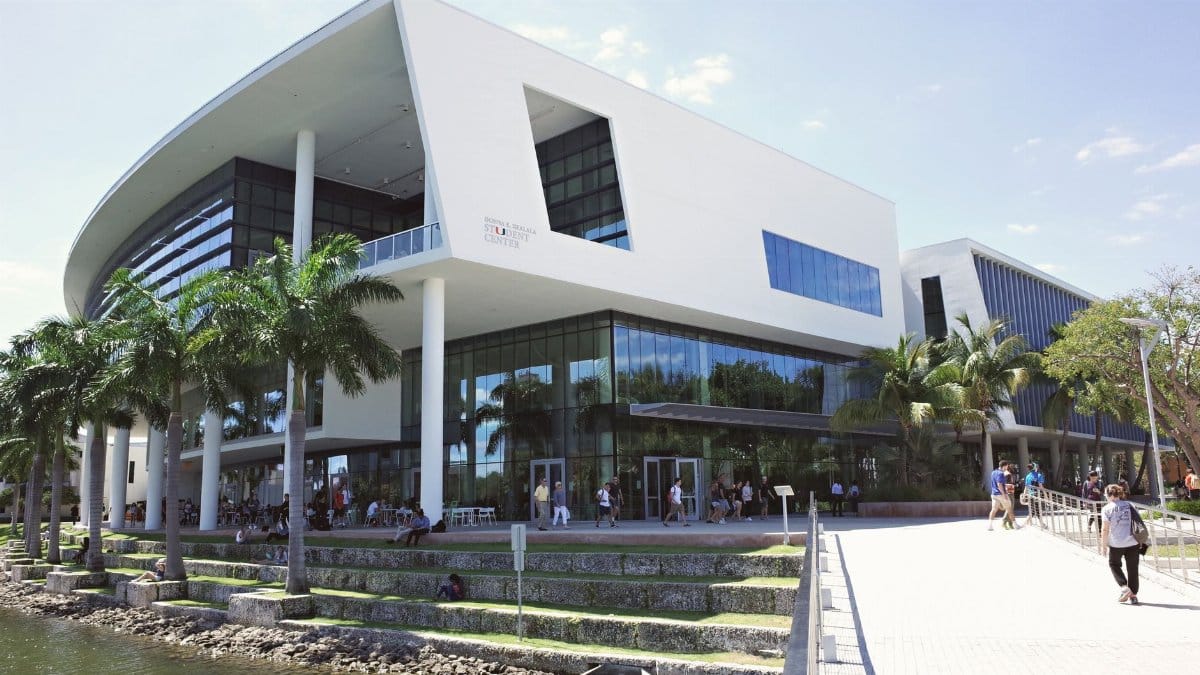
Placing a U.S. Space Academy Texas installation beside existing federal and private capacity would avoid the pretense that a nation must invent expertise from a groundbreaking ceremony. Students could see working missions, not only models. Instructors could be drawn from a labor pool that already includes flight directors, physicians, software teams, and technicians. The pitch to Washington is practical: do not duplicate what Houston spent sixty years learning.
There is also a civic claim. A national school in a working space city tells the rest of the country that exploration is not a coastal fashion or a billionaire hobby. It is a public craft. That argument will appeal to readers who are tired of space talk that never leaves a launch livestream.
Other states are not waiting politely

Texas is not alone in the waiting room. States with launch ranges, research universities, or military space units will make their own maps and their own job estimates. Florida can point to the historic pads. Colorado can point to a deep bench of defense and satellite work. Alabama can point to a long role in propulsion and to a political class that knows how to hold a federal campus once it arrives. California can point to talent and to private companies that already hire the graduates everyone else wants.
Competition of that kind is healthy if it forces a clear standard. It turns sour if it becomes a subsidy race in which the winner is the state willing to promise the most land and the fewest questions. The joint Texas statement is an opening move, not a verdict. Other delegations will answer, and some of them will be bipartisan too.
A Trump project in a Democratic mouth

The awkwardness is obvious and worth naming. The academy carries the imprint of a president many Democrats oppose on nearly every other subject. Talarico’s willingness to attach his name to a Texas bid does not make him a convert to that broader agenda. It suggests a calculation that a training institution, if it is public and serious, can outlast the man who branded it. Republicans will say the credit belongs to Trump. Democrats who sign on will say the credit belongs to Houston. Both can be partly true, which is why the politics will stay noisy even if the construction is quiet.
Voters in the middle, the readers this kind of fight actually reaches, tend to care less about the label than about whether their children could walk into a real classroom. They have heard enough ribbon cuttings that never became payrolls.
Jobs, yes, but also a kind of calling
Economic development offices will count construction wages, hotel nights, and supplier contracts. Those numbers matter in a region that has watched energy cycles rise and fall. They are not the whole measure. Space work has always carried a vocational charge that sits oddly beside ordinary industrial policy. People accept hard hours and public risk because the work feels like participation in something larger than a firm.
That is the nearest this fight comes to a spiritual question, and it is not a small one. A nation that talks constantly about meaning and then offers young adults only gig work and cynicism should not be surprised when they drift. An academy, at its best, is a promise that skill and wonder can share a building. At its worst, it is a costume. Texans backing the bid are implicitly promising the first version. They should be held to it.
What the letter does not settle

A joint statement cannot appropriate money, write a curriculum, or guarantee that cadets will be chosen by merit rather than by politics. It cannot say how the school would relate to existing universities, to the military, or to NASA. It cannot promise that a Houston address will survive a future administration that prefers another map. Those gaps are not reasons to sneer. They are the next work.
Lawmakers who want the campus will have to show cost, governance, and a student pathway that does not collapse into contractor marketing. Neighbors will ask about traffic, housing, and whether the benefits reach beyond the usual ring of firms. Teachers will ask whether the academy lifts public schools or simply skims their best science students. Those are adult questions. A serious bid welcomes them.
The Johnson Space Center as proof, not prop
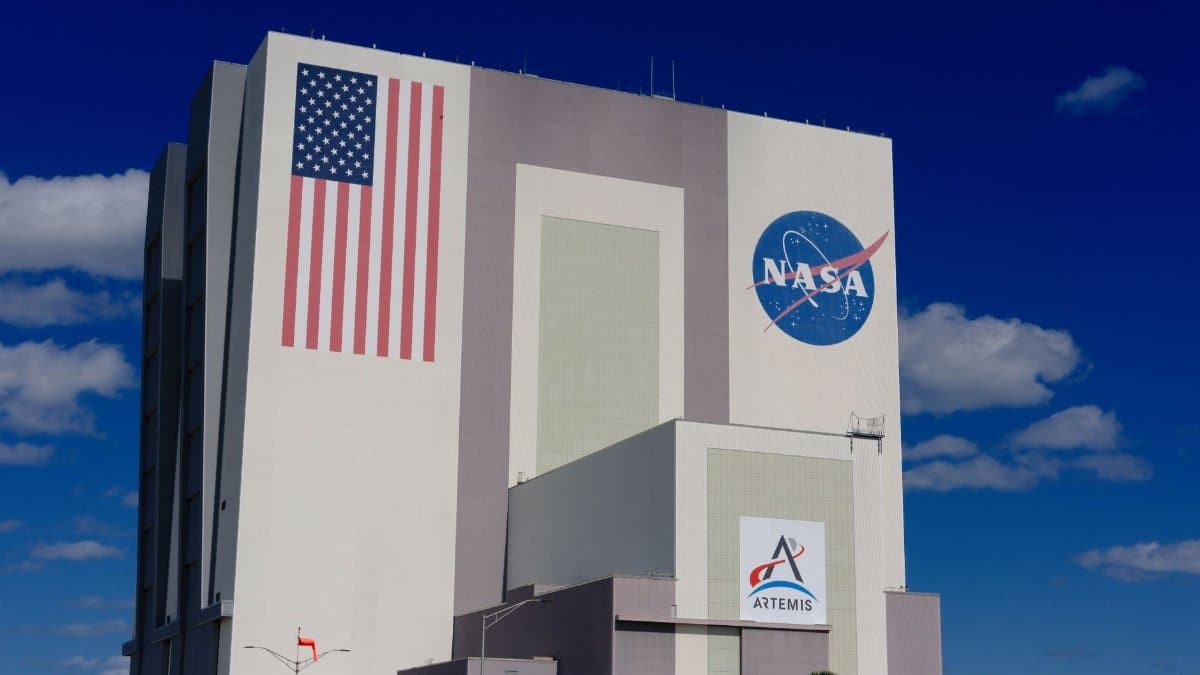
Using the center as a mascot would be a mistake. Using it as proof is stronger. The buildings, the lessons of past failures, and the people who still train crews are evidence that Texas can host national responsibility without treating it as a souvenir. Reporting in the Houston Chronicle has framed the Cruz and Talarico statement in exactly that local key: a bid, a center, and a competition with other states, not a victory lap.
I have watched enough civic campaigns to know that a famous campus can become a backdrop for speeches while the real training happens elsewhere. If this effort is worthy, visitors should be able to find students at work, not only elected officials at a podium.
A test of whether Texas can keep a promise

The alliance will be judged less by the press release than by the follow through. Can a Republican senator and a Democratic rising figure stay in the same argument when the cameras leave and the appropriations fight begins? Can Houston’s institutions accept oversight as the price of a national role? Can the state resist the temptation to treat every delay by Washington as an insult rather than as the ordinary pace of a contested project?
Those are political tests, and they are moral ones. Public trust is a kind of faith, not in a doctrine but in the idea that officials sometimes mean the practical thing they say. A U.S. Space Academy Texas campaign that remains a slogan will confirm the cynics. One that becomes a school, with standards and open doors, would be a rarer achievement.
What readers should watch next

Watch the money, not the adjectives. Watch whether other Texas officials join or peel away once primary politics heat up. Watch whether rival states offer a clearer plan rather than a louder one. Watch whether the academy is defined as a public institution with a mission, or as a nameplate for work the private sector already sells.
Cruz and Talarico have done the easy rare thing, which is to sign together. The hard rare thing is to build something that still makes sense when their names are no longer the headline. Houston has earned the right to make that case. It has not yet been handed the keys. Between those two facts sits the whole story of a U.S. Space Academy Texas bid, and of a country still deciding what it owes the next people who will look up and mean it.