

On a warm Tuesday night in Austin, a city attorney flipped through a stack of state statutes before the council could even take a vote on a local labor rule. The ritual has become familiar across Texas: draft an ordinance, check whether the Legislature has already claimed the field, then watch the idea die in a memo. For more than a decade that pattern defined Texas local control, the fight over whether city halls and county courthouses may set their own rules or must yield to the Capitol. This month, after Democrats swept statewide offices and won the Texas House, that long war looks closer to an armistice than it has in years.
A decade of shrinking city power

Republican majorities treated big city government as a problem to be managed from above. Session after session, lawmakers passed preemption bills that stripped cities and counties of authority over wages, housing, policing, environmental rules, and even the plastic bags at a grocery checkout. Supporters called the project uniformity. Mayors called it a takeover. The practical result was the same. Local experiments that once moved from Austin to Dallas to El Paso stalled in the attorney general’s office or in a state courtroom.
The pace quickened after 2017, when the Legislature overturned local rules on ride hailing and tree preservation and signaled that more would follow. By the early 2020s, city attorneys in Houston and San Antonio kept binders of banned topics. A council member who wanted a new rule on construction sites or short term rentals first asked a political question, not a policy one: would this survive the next session in Austin.
Why the Capitol kept winning
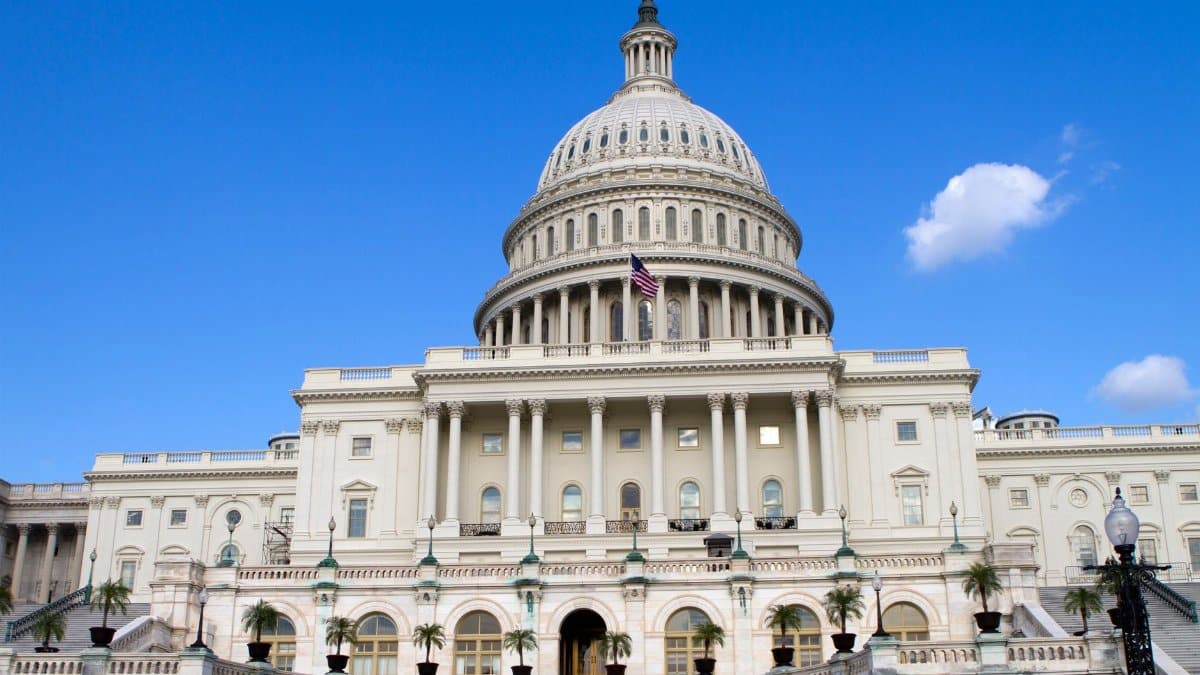
The legal theory was simple and powerful. Texas cities are creatures of the state. Home rule charters give them broad power, but only until the Legislature speaks. Courts have long read that hierarchy in favor of state law. Republican leaders used it with unusual discipline. They paired broad preemption statutes with private lawsuits, so a business owner or an activist could haul a city into court without waiting for the attorney general.
That design mattered more than any single bill. A city can outlast one governor. It cannot easily outlast a statute that invites endless litigation and shifts legal fees onto local taxpayers. County judges in fast growing suburbs described the same squeeze. They still ran jails, roads, and elections, yet a growing share of their agendas arrived prewritten from the Capitol.
Austin as the favorite target

No city absorbed more of the conflict than Austin. Its paid sick leave ordinance became a statewide rallying point and then a court loss. Later fights over police budgeting, camping bans, and land use turned the city into a symbol for both sides. Conservatives pointed to rising rents and visible homelessness and argued that local progressives had failed their own residents. Progressives answered that the state had removed the tools and then blamed the toolbox.
The symbolism traveled. When legislators wanted a tough vote at home, they could frame it as a check on Austin rather than a limit on Fort Worth or Lubbock. That rhetoric papered over a wider pattern. Mid sized cities and rural counties lost discretion too, often on issues with no culture war gloss, such as how to permit a wastewater plant or whether a county clerk could set weekend hours.
What voters just changed

The election did not repeal a single statute overnight. It did change who writes the next ones. Democrats now hold the statewide executive offices and a majority in the Texas House, according to the results that settled the month. The Senate remains a separate fight, and narrow margins will test every promise. Still, the coalition that treated city government as an adversary no longer controls the full machinery of preemption.
Incoming House leaders have said they will start by declining to expand the bans, not by tearing up the code in a weekend. That is less dramatic than a campaign speech and more realistic. Many restrictions sit inside larger bills on property tax, energy, and public safety. Unwinding them cleanly will take committee work, fiscal notes, and a governor willing to sign what the House sends.
The case city halls will make
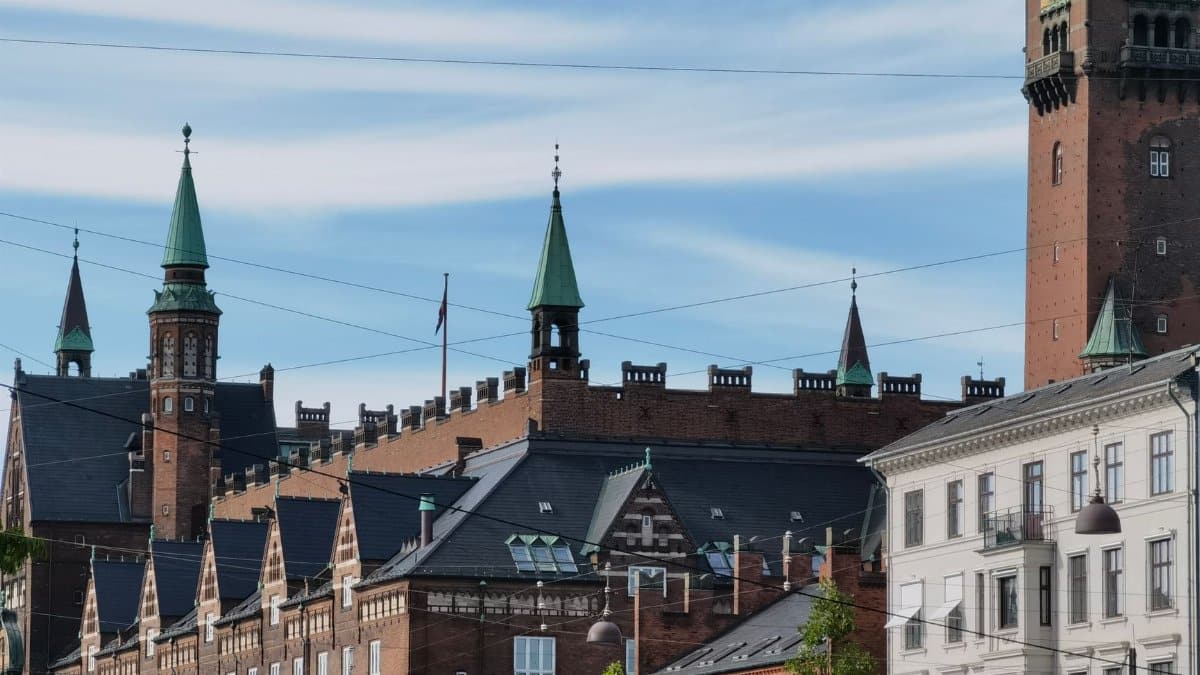
Mayors who spent years in defensive crouches are already drafting a shorter list. They want room to set workplace standards above the state floor, to shape housing near transit, and to enforce local environmental rules where a river or an aquifer does not respect a city limit. They also want relief from laws that punish cities for reducing police budgets or for adopting civilian oversight that legislators dislike.
County officials add a different plea. They ask for flexibility on elections administration, indigent defense, and development in unincorporated areas that now look like cities without the charter. In their telling, Texas local control is not a slogan for Austin liberals. It is the ordinary ability of a commissioners court in the Rio Grande Valley or the Panhandle to match rules to local facts.
The argument that will not vanish

Business groups and many Republican senators will not concede the field. They argue that a patchwork of wage rules and permitting standards raises costs for firms that operate in more than one city. They warn that local housing mandates can slow construction in a state that has sold itself on speed. They also note that voters in some cities have themselves limited council power, through charter amendments and ballot measures on policing and camping.
Those points will shape whatever bargain emerges. A Democratic House can stop new preemption. It cannot, by itself, force every Republican senator to restore every lost power. Expect narrow deals: restoration on workplace rules in exchange for state standards on permitting timelines, or local climate experiments that stop short of utility regulation. The rhetoric of total victory will meet the math of a split Legislature.
Housing, heat, and the cost of waiting

The stakes are concrete. Texas cities are adding residents faster than they add homes in many neighborhoods. Local governments want zoning changes, fee waivers, and rules that push apartments toward job centers. State preemption has cut both ways, sometimes blocking city limits on density and sometimes blocking city attempts to require affordability. A reset could let cities try again, with the risk that bad local rules slow the boom the state depends on.
Heat is the other clock. Houston, Dallas, and San Antonio have written, and sometimes lost, rules on water breaks for outdoor workers. Summers keep setting records. If the new majority restores that slice of Texas local control, the first test will not be a press conference. It will be whether a roofing crew on a July afternoon gets a mandated break that state law once forbade cities to require.
Police, libraries, and the culture fights

Public safety bills drew the loudest crowds. After 2020, the Legislature limited how far cities could cut police spending and constrained some oversight boards. Supporters said they were protecting residents from ideological budgeting. Critics said they froze a single model of policing into state law and ignored voter approved charters. A Democratic House is likely to revisit those limits, but police unions remain influential in both parties, and any rewrite will be negotiated, not declared.
Libraries and school related ordinances followed a similar script. State lawmakers moved to standardize what local boards could do on challenged books and certain health policies. Those fights will not cool just because party control shifted. Parents who organized at the Capitol will organize at city halls if authority flows back down. Restoring local discretion means restoring local argument, which is messier than a statewide ban and closer to how these institutions were designed to work.
What an ending would look like

An end to the assault is not the same as a golden age of municipal wisdom. Cities waste money, write vague ordinances, and sometimes chase headlines. Counties feud with their own sheriffs. The case for local power has never been that every council is right. It is that residents can fire the council, that problems differ from Beaumont to El Paso, and that a state of thirty million people cannot be governed by a single template written for a primary electorate.
If the new majority is serious, the next session will be judged on deletions as much as on new programs. Watch for bills that repeal private rights of action against cities, that narrow the topics where state law occupies the field, and that stop using the budget process to punish localities for lawful policy choices. Watch also for whether Democrats, newly powerful, resist the temptation to preempt conservative suburbs in the name of their own statewide goals. A principle that applies only to friendly cities is not a principle.
The cities that learned to wait

In the meantime, local government has adapted in small, unglamorous ways. Councils pass resolutions instead of ordinances. They use procurement, zoning maps, and public land to do quietly what they cannot do by mandate. Philanthropy fills gaps the state forbids cities to fill with regulation. That improvisation kept some services alive. It also hid the cost of the preemption years, because residents rarely see the ordinance that was never filed.
Staff who stayed through the fights describe a culture of anticipatory surrender. A promising idea dies in a pre meeting because someone remembers a similar bill from two sessions ago. Rebuilding the habit of trying will take more than one friendly governor. It will take city attorneys willing to risk a lawsuit again, and state leaders willing to let a few local failures stand without answering them with a ban.
A narrower peace

The headline temptation is to declare the wars over. The more accurate picture is a narrower peace. Democrats can end the routine habit of punishing cities for governing. They can restore slices of authority that matter in daily life, from worker safety to housing experiments to the boring machinery of county administration. They cannot erase a decade of statutes in one term, and they should not pretend the Senate and the courts have left the stage.
For residents who never attended a preemption hearing, the change will show up sideways. A council agenda will include items that used to be dead on arrival. A county budget will fund a program that once required a waiver. A business that operates in five cities may face five slightly different rules again, and will lobby accordingly. That friction is the price of a system in which Texas local control means something more than a speech at a chamber luncheon.
The Capitol spent years teaching cities to look up before they acted. The election invites them to look around again, at their own voters, their own rivers, their own housing markets. Whether that invitation lasts depends on what the new majority does when its own cities disappoint it. The assault can end. The argument over who governs Texas up close is only changing hands.