
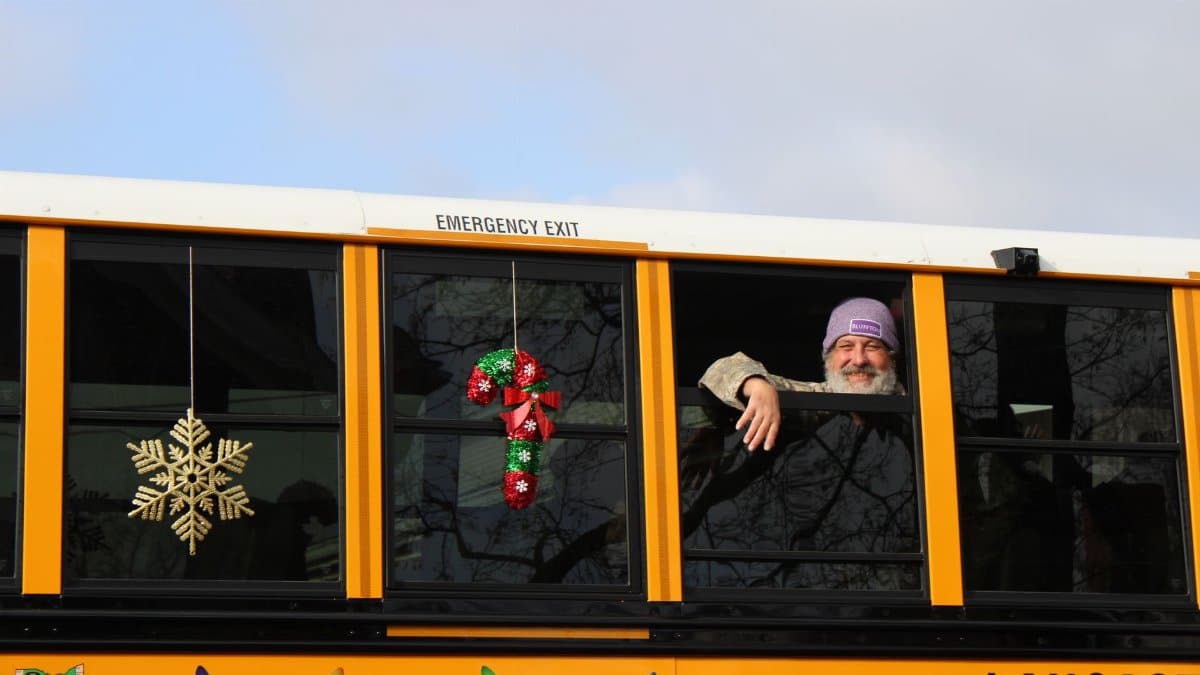
Rain hammered the rivers while wind shoved awnings into odd angles, and still the kitchens of the city smelled like butter, celery, and onion. In living rooms from Germantown to South Philadelphia, people tugged blankets higher and waited for a broadcast that would have to carry an entire civic tradition by itself. The Philadelphia Thanksgiving parade, usually a moving river of bands and giant balloons, had been pulled off the avenue. A nor’easter made the outdoor procession unsafe, so the cheer arrived as a studio telecast. For a holiday built on gathering, the change felt both smaller and strangely intimate, as if the city had decided that gratitude could survive a closed street.
A storm that rewrote a city ritual
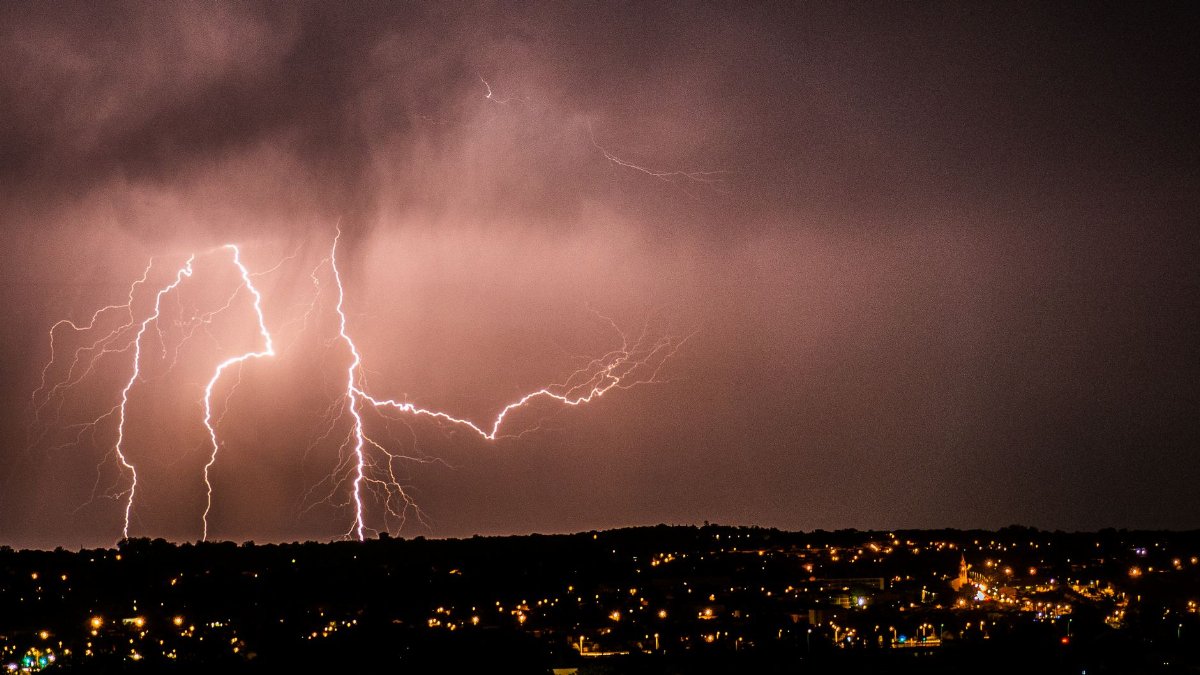
Nor’easters do not negotiate. They pile water against the coast, slick the brick, and turn a marching route into a hazard for children in thin costumes and musicians hauling drums. Organizers faced the choice every parade director dreads: protect the spectacle or protect the people in it. They chose safety and cancelled the street event, then rebuilt what they could inside a television studio associated with the long running 6abc broadcast. The decision disappointed vendors, school bands, and families who had marked calendars months earlier. It also prevented a worse story, the kind that begins with a slip on wet pavement and ends in an emergency room on a day meant for thanks.
Weather has always been an uncredited character in this holiday. Cooks time turkeys against travel delays. Churches move evening services when ice coats the steps. This year the storm simply claimed a larger role. The city did not lose Thanksgiving. It lost one beloved way of walking through it together.
Why the oldest parade still matters
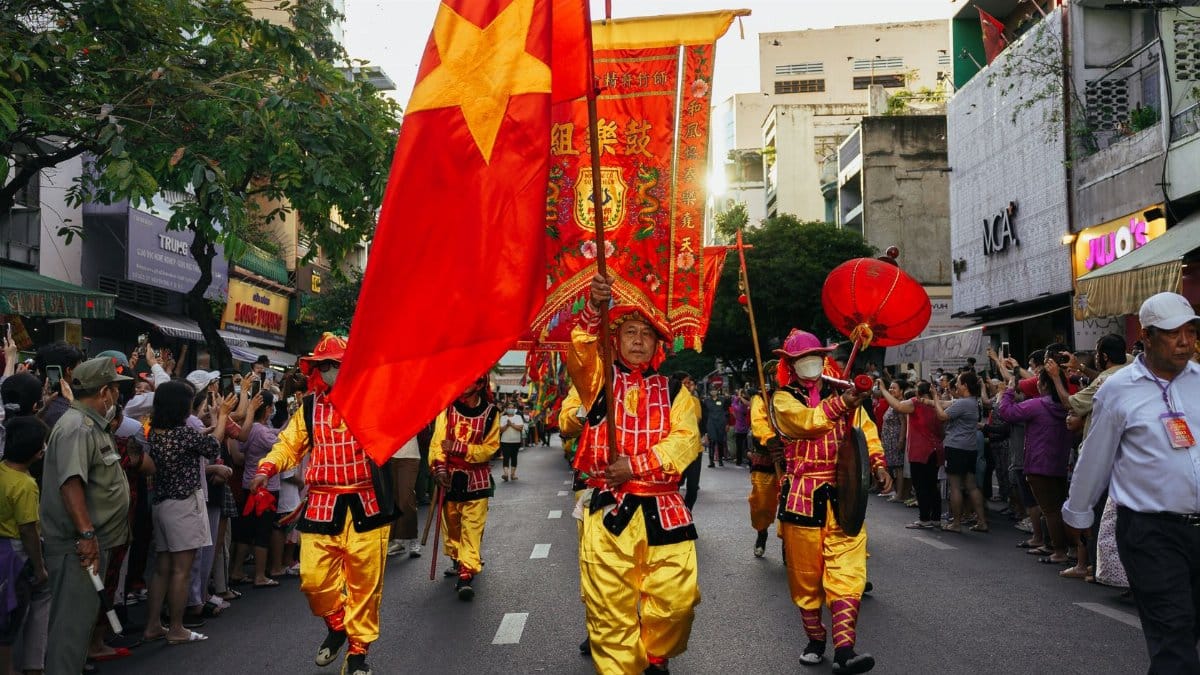
Philadelphia has carried the nation’s oldest Thanksgiving parade for generations, a claim that sits beside the usual arguments about who invented the holiday meal and who serves the better stuffing. Age is not the point by itself. Continuity is. Children who once watched from curbs return as parents with thermoses. High school drummers become the adults who recognize a cadence from blocks away. The route has functioned as a public calendar, a reminder that November asks something gentler than speed.
When that procession cannot happen, the absence is not trivial. A city measures itself by the rituals it keeps. Cancelling the march does not erase the history. It tests whether the meaning can travel without the pavement.
From curb to studio floor
A studio is a different kind of street. Lights replace daylight. Cues replace the unpredictable gap between a float and a marching unit. Performers who expected wind in their faces met a controlled room, cameras, and a clock measured in segments rather than city blocks. Viewers at home received music, costumes, and hosts doing the old work of welcome under new constraints. The scale shrank. The intention did not.
Television has always been part of this parade’s life. Many residents never stood on the route at all. They knew the event as a picture in a warm room, volume up, someone calling from the kitchen to catch a favorite balloon. This year that second audience became the only audience. The screen stopped being a convenience and became the gathering place.
Holiday cheer that fits through a lens
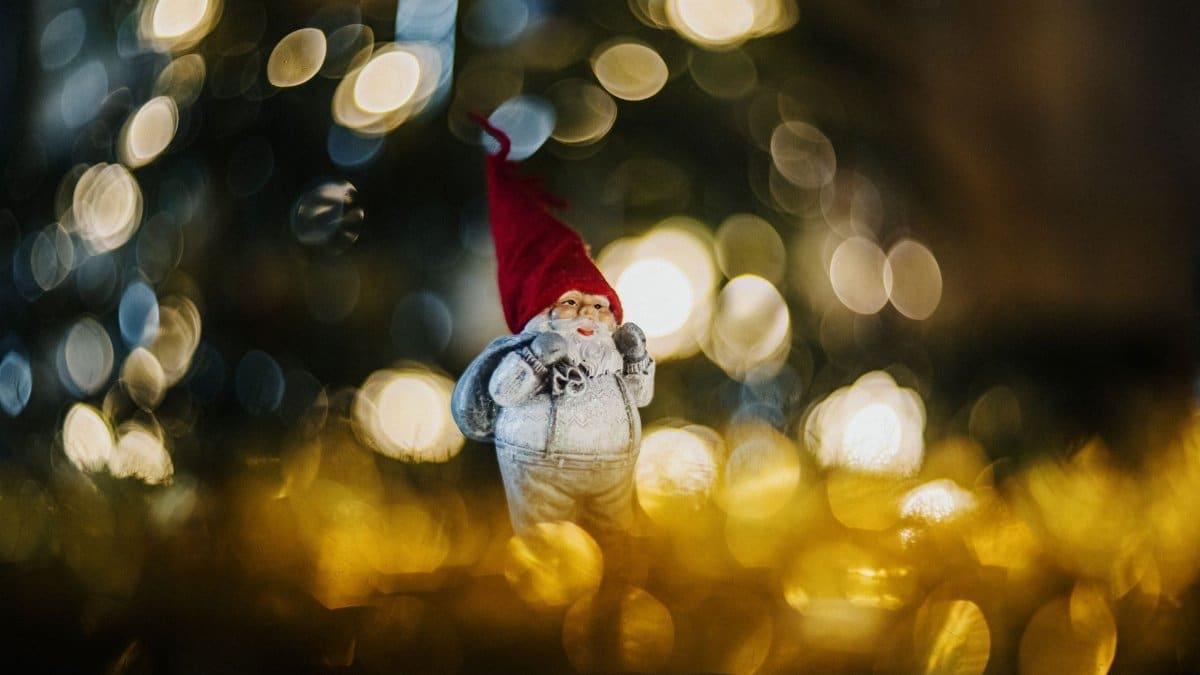
Cheer is a soft word, easy to dismiss, yet it names a real public good. Color, rhythm, and shared anticipation loosen a week that can feel heavy with travel, money, and unresolved family talk. A studio telecast cannot reproduce the smell of pretzels or the jostle of a crowd. It can still offer a sequence of faces trying, in public, to be glad. That effort has spiritual weight even when no one uses religious language. It says the day is worth marking, storm or no storm.
People who watched described a quieter pleasure. There was no hunt for a viewing spot, no debate about which corner had the better sight line. There was a couch, a child pointing, an older relative who could hear the music without standing for hours. Access, in that sense, widened even as spectacle narrowed.
The Philadelphia Thanksgiving parade at home
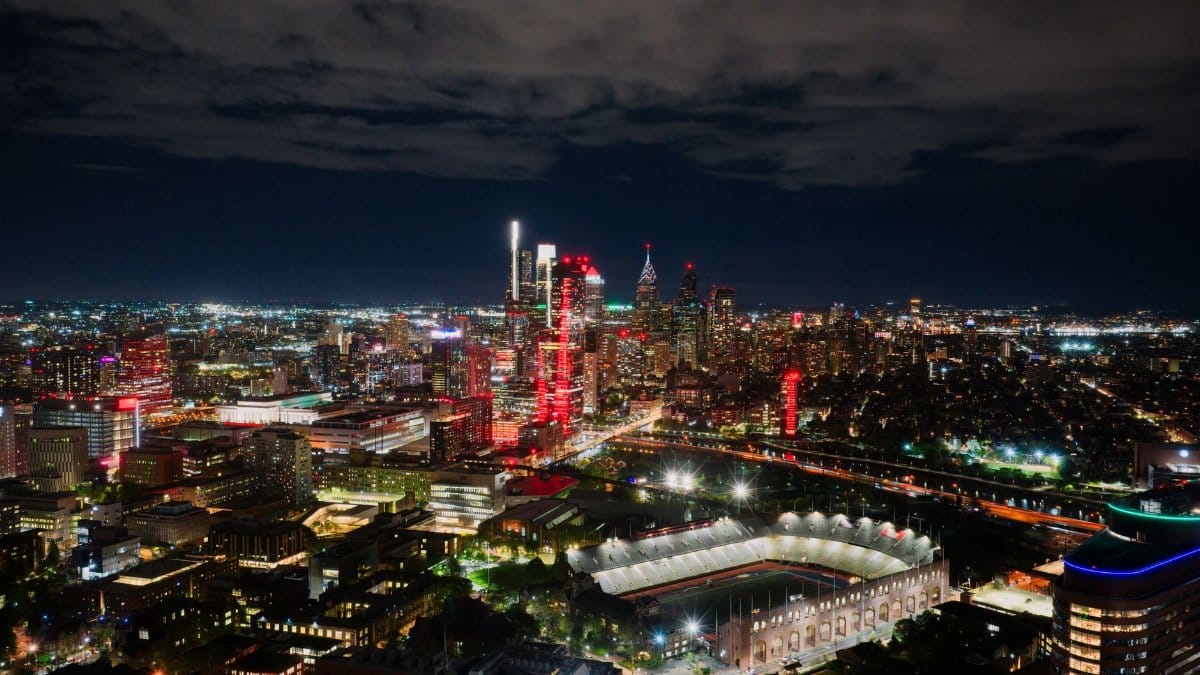
The Philadelphia Thanksgiving parade has long belonged to two publics at once: those who endure the cold in person and those who keep faith with it from a living room. This season collapsed the distinction. Apartments in Fishtown and row houses in West Philadelphia hosted the same program. Neighbors texted when a familiar song began. The communal feeling did not require a shared sidewalk. It required a shared hour.
That is not a small substitution. Modern life already scatters families across states and shifts. A televised ritual gives scattered people a simultaneous task: watch this, then call. In a storm, simultaneity is a kind of shelter.
Gratitude as practice rather than scenery
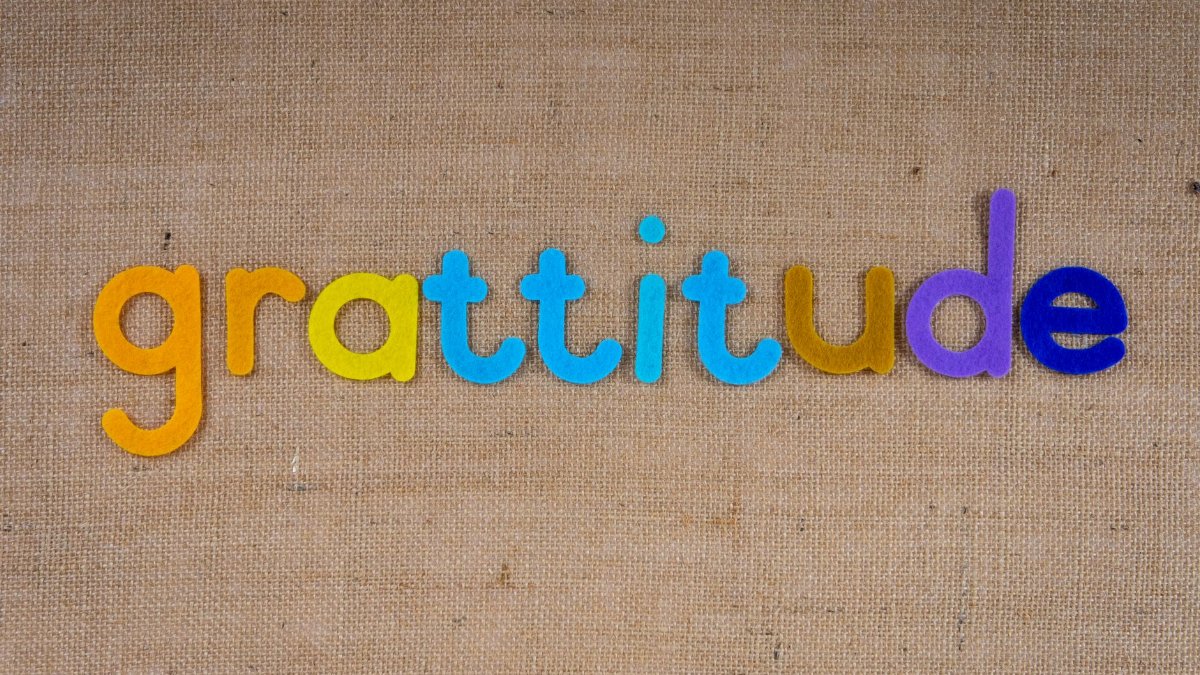
Thanksgiving rhetoric can turn gratitude into decoration, a word printed on napkins. The cancelled march offered a sterner version. Gratitude, practiced, means naming what remains when a plan fails. It means thanking the stagehands, the student musicians who rehearsed for a route they never walked, the producers who rebuilt a show on short notice, and the crews who kept power and signals alive while wind worried the region.
Houses of worship across the city have always treated this week as more than a feast. Sermons talk about enoughness, about the danger of measuring a holiday by its abundance. A smaller parade fits that teaching. The blessing was not the size of the balloon. The blessing was that people still chose to mark the day with something other than worry.
What children lost and what they kept
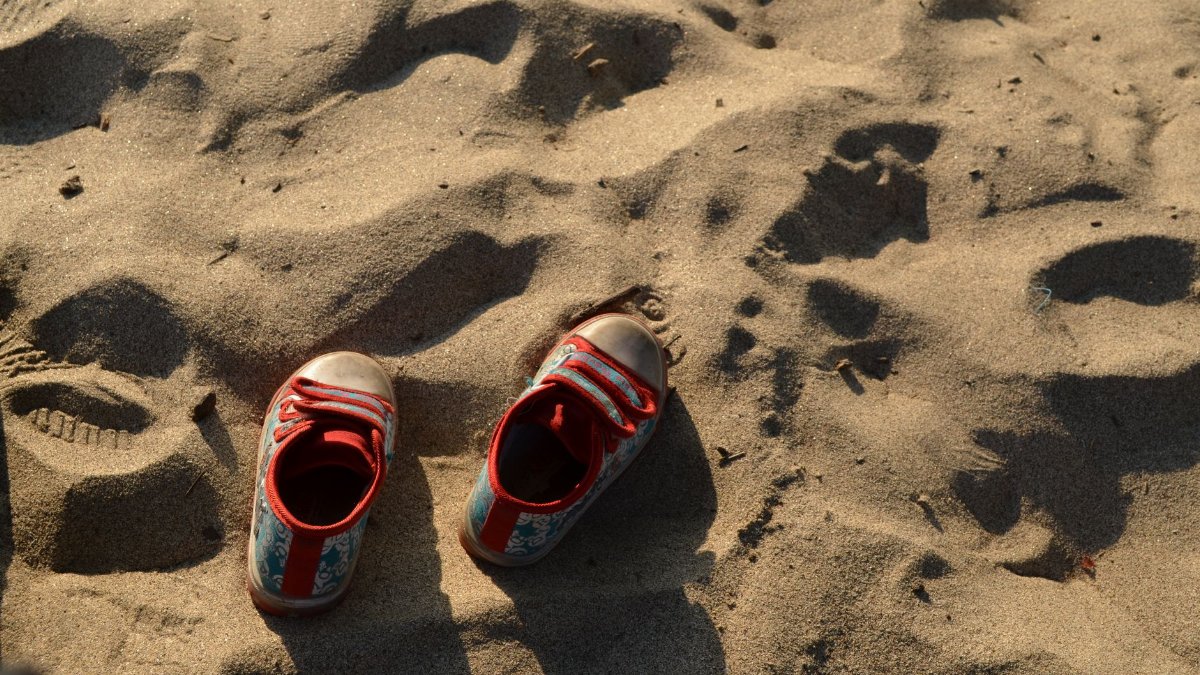
For many children the parade is the first public proof that the holiday has arrived. A giant character rounding a corner can feel like proof that adults keep promises. Those children lost that particular proof. Parents had to explain weather, safety, and the difference between a disappointment and a disaster. Those are useful lessons, though no one enjoys delivering them before pie.
What remained was performance itself. Costumes still appeared. Music still landed. A child can learn that joy is portable, that a tradition bent by weather is not a tradition broken. Adults who remember lean years often say the memory that lasts is not the perfect table. It is the sense that someone tried.
Faith, tables, and the work of welcome
Spiritual communities in Philadelphia spent the week doing what they do when plans fray. Some opened doors for people who could not travel. Some adjusted meal services because volunteers could not cross flooded intersections. None of that labor shows up in a highlight reel, yet it belongs to the same story as the studio broadcast. Both are attempts to keep a promise: you will not face this day alone.
The parade, even in reduced form, functioned as a civic blessing. It did not replace prayer, soup kitchens, or the hard conversations that happen after the dishes. It sat beside them, a bright interval that reminded a tired city why the table matters.
Merchants, musicians, and the cost of caution
Caution has a bill. Hotels that expected parade crowds saw quieter lobbies. Restaurants near the usual route lost a rush they count on. Student groups that fund activities through appearances absorbed a missed chance. A responsible city does not pretend those losses are imaginary. It also does not treat them as reasons to march people into dangerous wind.
The honest accounting holds both facts. Safety was the right call. The right call still hurt small businesses and young performers. Holiday coverage that only celebrates resilience can glide past that hurt. A grown account includes the empty tip jars and the uniforms that never left the garment bags.
Memory and the next clear morning
Cities remember exceptions. People will talk about the year the parade left the street the way they talk about the year the power flickered during dessert or the year a cousin arrived after midnight because the trains stalled. Exception becomes folklore, and folklore becomes part of the tradition it interrupted. Future crowds may even feel a little proud of having watched from home when the weather refused to cooperate.
Organizers will study what the studio version proved. Some elements travel well through a camera. Some do not. The lesson is not that streets no longer matter. The lesson is that a ritual can have more than one body, and that the second body can carry people through a hard week.
A smaller brightness, still shared
There is a temptation, after any scaled down holiday, to declare that nothing was lost or that everything was. Neither claim is true. Philadelphians lost the crush and glitter of the avenue, the unpredictable delight of a float passing close enough to touch the air around it. They kept music, costume, and the decision to celebrate anyway. They kept one another within reach of a phone and a screen.
The Philadelphia Thanksgiving parade has survived changes in sponsors, tastes, and the city’s own arguments about what public joy should look like. A nor’easter is a harsh editor, but not a final one. Next year, if the sky allows, the bands will likely step off again and the curbs will fill. Until then, the studio hour stands as evidence that cheer is not a luxury item. It is a practice, portable enough to fit indoors, sturdy enough to outlast the wind.
What the day still asked
Away from the cameras, the day asked the usual things. Pass the dish. Call the person who is alone. Notice who is missing from the table and say their name without rushing past it. Thank the hands that cooked, drove, and cleaned. Those acts do not need a parade permit. They are the parade’s quiet twin, older than any balloon, and they do not cancel when the forecast turns ugly.
In that light the telecast was not a consolation prize. It was one more way of saying the city still knows how to gather, even when gathering means a million separate rooms tuned to the same glad noise. The storm took the street. It did not take the thanks.