

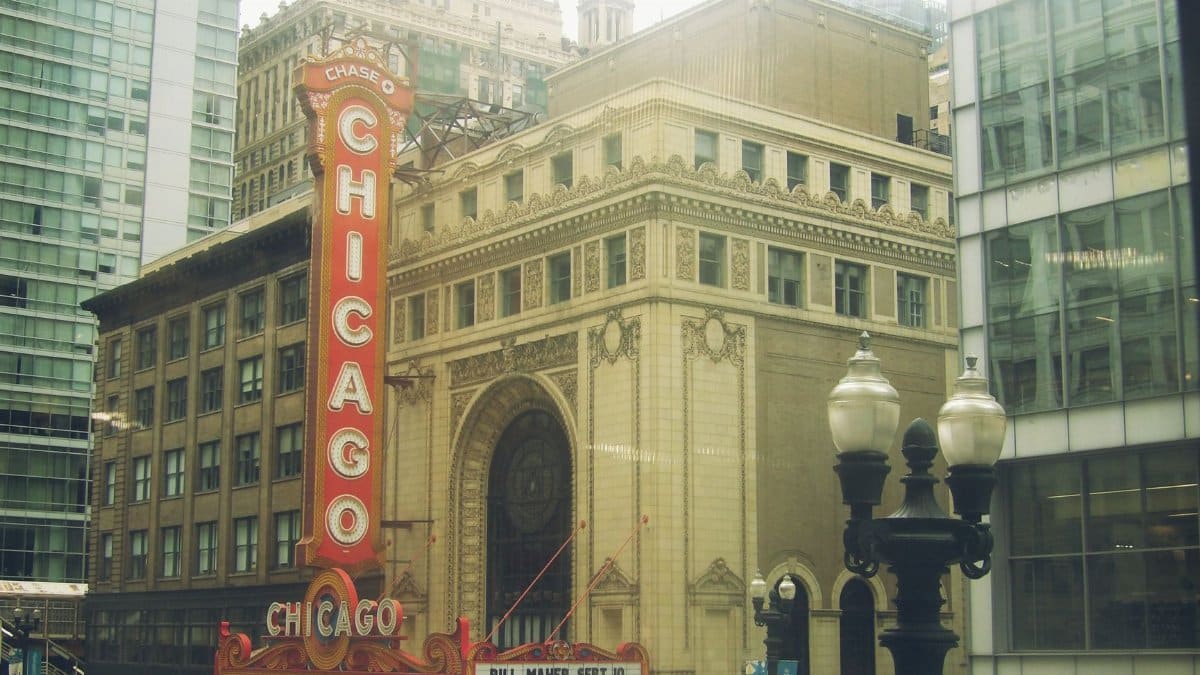
On a cold December evening in the Loop, the sidewalks fill with people who already know the ending and still want to hear it again. They are headed toward red velvet seats, a live orchestra, or a radio studio built on a stage, chasing the same three stories that return every winter. Those Chicago holiday shows turn familiar plots into a civic habit, the kind of night that feels less like entertainment and more like a shared appointment.
Why these three stories keep the city coming back
Charles Dickens, Pyotr Ilyich Tchaikovsky, and Frank Capra do not share a city or a century, yet Chicago treats them as seasonal neighbors. A Christmas Carol asks what a person owes the people around him. The Nutcracker offers wonder without much moral lecture. It is a Wonderful Life insists that an ordinary life can hold a town together. Audiences do not need a lecture on why those themes fit a dark month. They feel it in the coat check line.
The repetition is the point. Children who once sat on a booster seat return with their own children. Longtime subscribers can recite a line before the actor says it. That familiarity does not flatten the work. It gives directors, choreographers, and actors a frame they can refresh without breaking the promise the title makes on the marquee.
The Goodman Theatre and the long life of Scrooge
For decades the Goodman Theatre has treated A Christmas Carol as a flagship, not a leftover slot on the calendar. The production is large enough to feel like a pageant and intimate enough that Scrooge’s change of heart still lands as a private decision. Designers lean on snow, feast tables, and the ghostly visitors, but the spine remains the counting house and the lonely rooms.
What keeps the show from turning into a museum piece is the casting and the small textual choices that shift from year to year. A new Scrooge can make greed look weary rather than cartoonish. A Cratchit family played with less sentiment and more fatigue can make the goose and the pudding feel earned. Chicago audiences, who have seen many versions, notice those adjustments. They come partly to measure this year’s ghost against the one they remember.
The story also maps easily onto a city that argues, often loudly, about wealth, work, and who gets left outside. Dickens wrote about London. On the Goodman stage the questions sound local without anyone forcing a Chicago joke into every scene. That restraint is part of the production’s authority.
Joffrey and a Nutcracker built from the World’s Fair
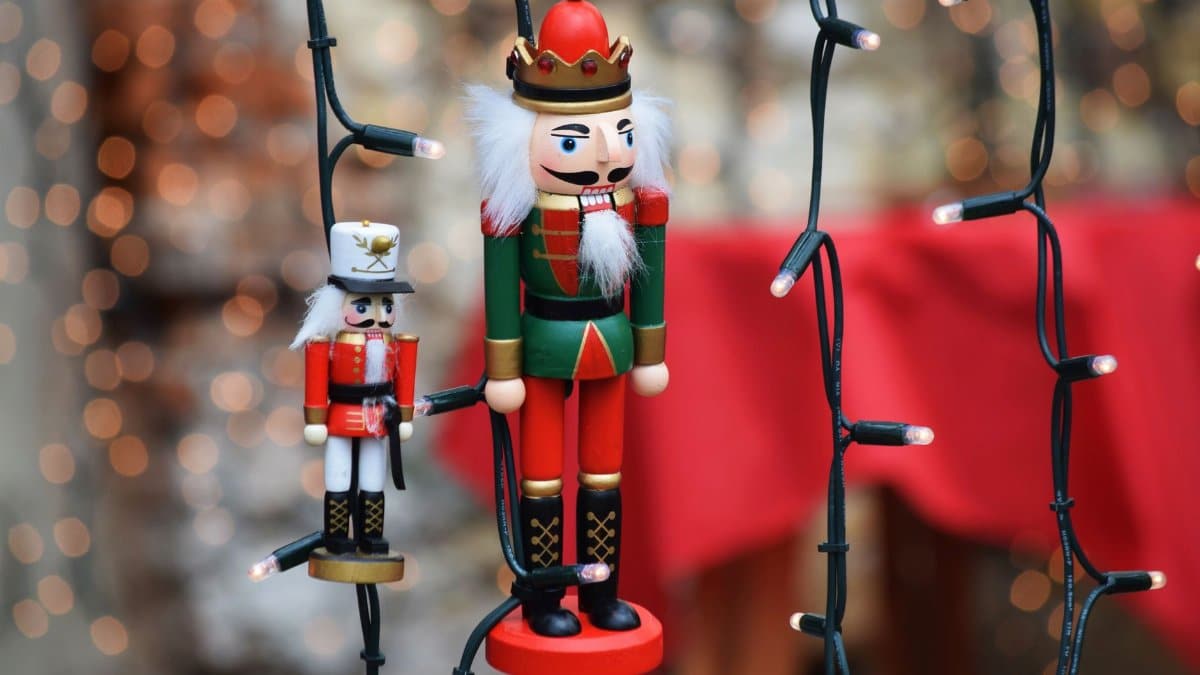
The Joffrey Ballet’s Nutcracker is not a generic palace fantasy dropped into any theater that can rent a tree. The company reset the ballet in Chicago at the time of the 1893 World’s Fair, so the dream begins in a city the audience can recognize. Immigrant households, the fairgrounds, and the spectacle of a metropolis inventing itself sit underneath Tchaikovsky’s score. The magic is still magic. It simply has a street address.
That choice matters for families who want more than pretty snowflakes. Children see a holiday party that looks like a historical Chicago gathering, then follow Marie into a vision shaped by the fair’s sense of wonder. Adults who know the lakefront and the museum campus catch echoes of civic ambition. Among Chicago holiday shows, this one argues that fantasy can be rooted in a real place without losing its lift.
The orchestra is not background. Tchaikovsky’s dances, from the delicate sugar plum writing to the booming finale, need live players if the evening is going to feel like a ritual rather than a recording with costumes. Joffrey’s presentation treats the music as a partner to the steps, which is why regulars book early and treat the date like a standing dinner reservation.
Ruth Page and the 1965 line that never really broke

Before many of today’s holiday brands existed, Chicago already had a Nutcracker associated with Ruth Page, the choreographer whose Civic Ballet and related presentations helped fix the ballet in local memory. The 1965 lineage is still invoked by companies and schools that see themselves as heirs to that tradition. It is less a single frozen staging than a claim: this city has been dancing the score for generations.
That history explains why so many studios schedule their own Nutcracker weeks in church halls, suburban theaters, and school auditoriums. A child in the party scene is not only performing. She is stepping into a local chain that reaches back to Page’s era. Parents who danced in those earlier productions sit in the dark and watch the same music do its old work on a new cast. The professional houses get the reviews. The school shows keep the pipeline and the neighborhood feeling.
When tap shoes and hip hop answer Tchaikovsky
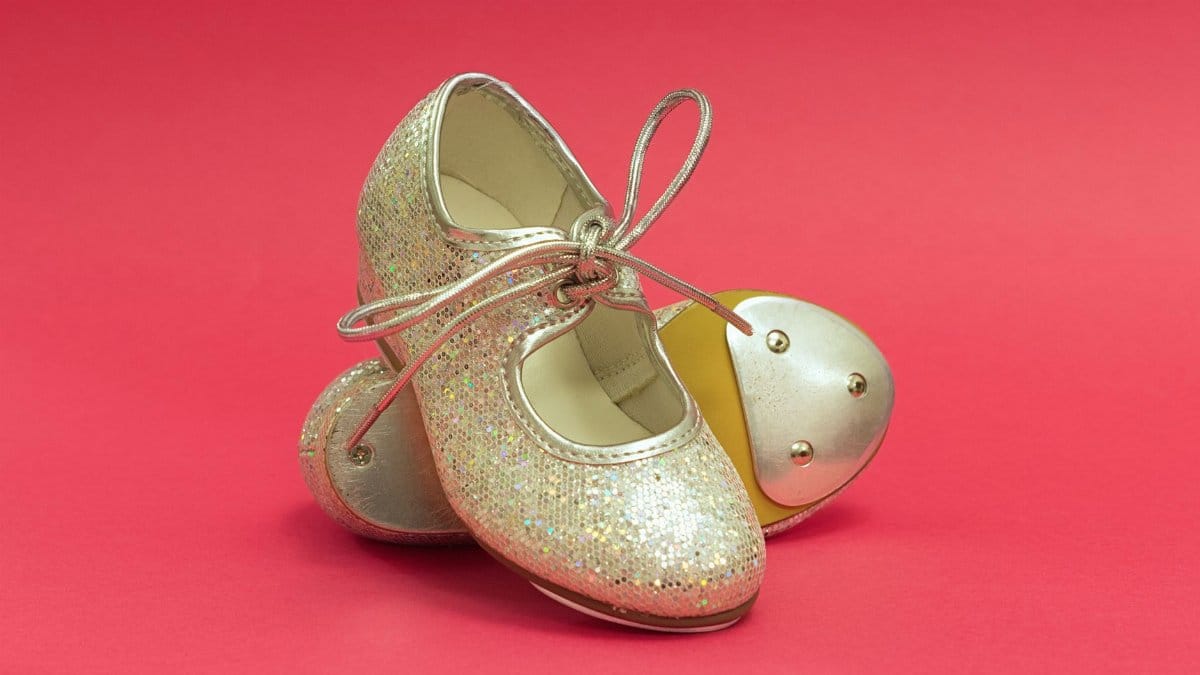
Not every Chicago take on The Nutcracker stays inside ballet slippers. Hip hop companies and tap ensembles have built evenings that keep the score, or a smart rearrangement of it, and replace the classical vocabulary with rhythms the audience already loves. A battle scene can become a cipher. The snow can arrive as a wash of body percussion. The Sugar Plum variation can turn into a tap solo that treats the famous celesta line as a dare.
These versions are not parodies, or at least the best of them are not. They are arguments about who gets to inherit a famous ballet. A teenager who would never audition for a classical company can still know every tempo in the second act because a hip hop Nutcracker put that music in his body. Parents who grew up on the Joffrey or on a Ruth Page style production often leave surprised that the story still reads when the steps change. Wonder, it turns out, is not loyal to one technique.
The practical difference is tone. Ballet Nutcrackers tend toward splendor and procession. Tap and hip hop nights lean into wit, competition, and the joy of a crowd that recognizes a move. Both belong in the same December conversation. A city large enough to support several orchestras can support several languages for the same fairy tale.
It is a Wonderful Life, told as if the microphones are still hot

Frank Capra’s film is so fixed in American memory that a stage version has to justify itself. In Chicago the justification has often been theatrical play, especially the live radio style associated with American Blues Theater, where actors hold scripts, crowd around vintage microphones, and build Bedford Falls with sound effects made in plain sight. Snow is a box of something shaken near a mic. A door is a piece of wood. The audience becomes the studio audience, laughing at the tricks and then, inconveniently, feeling the story anyway.
That double vision is the pleasure. You see the labor and you still fall for George Bailey. The format also suits a city with a deep radio and theater bench. Performers rotate through multiple roles. A foley artist becomes a star for two hours. The intimacy fits houses that are smaller than the big ballet palaces, which means the angel gets his wings in a room where you can hear a neighbor sniffle.
Capra’s sentiment is easy to mock and hard to replace. The live version earns its ending by letting you watch professionals commit to it without wink overload. When it works, the night feels like one of the sturdiest Chicago holiday shows on the calendar, precisely because it admits it is theater.
How the calendar actually fills
These titles do not occupy the same weekend in the same way. The Goodman Carol often runs for many weeks, a long corridor of performances that lets school groups, office parties, and Christmas Eve traditionalists find a seat. The big ballet Nutcrackers cluster in a shorter, intense burst, because orchestras, children in the cast, and touring or company schedules only bend so far. Radio play versions of It is a Wonderful Life tend to sit in a compact run that sells on word of mouth and annual loyalty.
Around them, the rest of the city adds concerts, gospel nights, Messiah sing alongs, and storefront plays that borrow the same hunger for gathering. A visitor who only buys one ticket still feels the density. Lobby conversations jump from Scrooge’s nightshirt to the Land of Sweets to George Bailey’s building and loan. December in Chicago is not one show. It is a stack.
Choosing a night without regretting the other two

People ask which production is best, as if the season were a contest. A better question is what the room is for. If you want moral weather and a ghost story that still bites, see A Christmas Carol. If you want music, pageantry, and a child who may levitate in the seat during the snow scene, see a Nutcracker, and then decide whether you want the Joffrey’s Chicago history, a Ruth Page descendant staging, or a hip hop or tap translation. If you want laughter that turns into a lump in the throat, and you like watching craft, see It is a Wonderful Life performed live.
Age matters less than attention span and start time. A full length ballet with a live orchestra is a different ask than a ninety minute radio play. A Goodman evening can run long enough that younger children fade before the final feast. None of that is a verdict on quality. It is logistics, the unglamorous half of being a good audience.
Tickets, transit, and the small courtesies that save the night
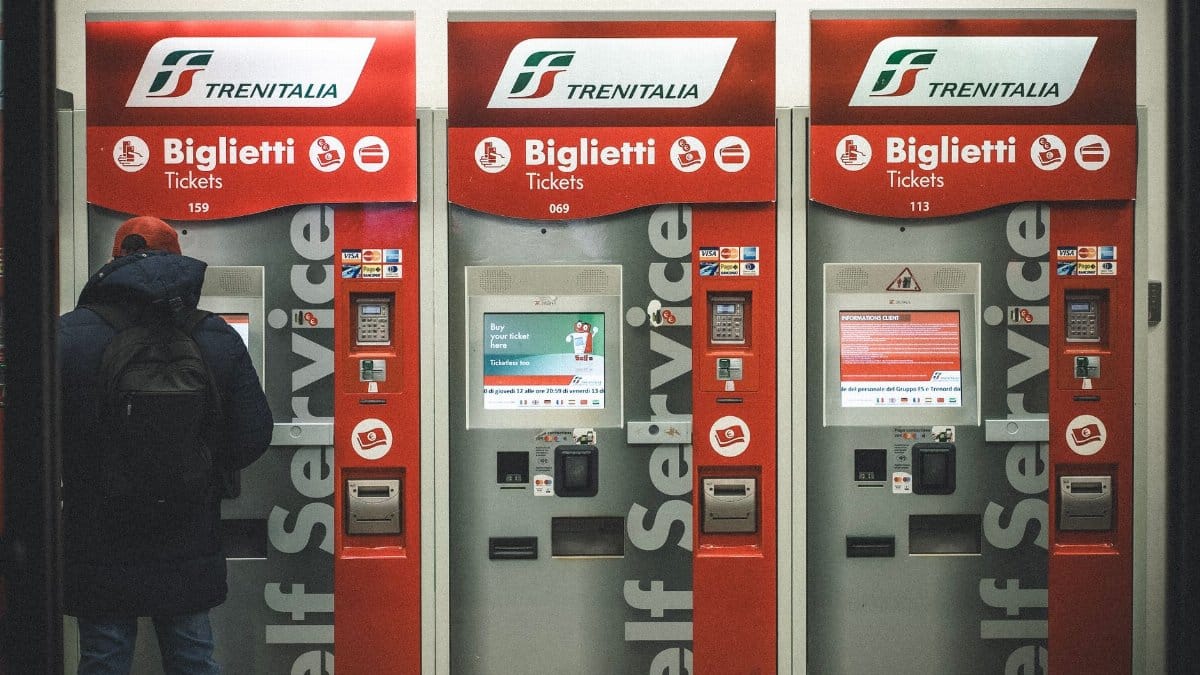
Holiday houses sell out in patterns veterans already know. Weekend matinees go first. Evening performances near Christmas Eve follow. Weeknights in early December are where patience is rewarded. Subscriptions and memberships at the large companies often include an early window. Everyone else should treat the on sale date as a real appointment, not a rumor.
Transit beats a frantic parking hunt when the weather turns. The Loop theaters sit near trains that still run late enough for a curtain. Suburban Nutcrackers and neighborhood radio play houses reward a plan: arrive early, accept that coats will consume a chair, and leave the lecture about phones to the usher. These rooms are full of people who saved for the seats. The courtesy is part of the show.
Prices range from school gym modest to orchestra seat serious. That spread is a virtue. A family can enter the tradition without buying the most expensive night in the building. Discount programs, rush policies, and student seats change yearly, so the company website, not a memory from three seasons ago, is the document that counts.
What the audience is really purchasing

Nobody buys a ticket because they lack access to the film of It is a Wonderful Life or a recording of Tchaikovsky. They buy the room. They buy the chance that a line they know will sound slightly different in a living voice. They buy the sight of a child seeing theatrical snow for the first time, or of a parent realizing the hip hop crew just honored a score he thought belonged only to ballet.
There is also a quieter purchase: proof that the city still gathers for something other than a screen. In a month when schedules fracture and travel plans wobble, a reserved seat is a small act of optimism. You will be there. The ghost, the mouse king, or the angel will be there too. Among Chicago holiday shows, that mutual showing up is the product, and the stories are the excuse that keeps working.
A season that argues with itself, politely
Put the three titles side by side and they do not agree. Dickens wants repentance and charity with a sharp edge. The Nutcracker, even in its Chicago World’s Fair telling or its tap translation, mostly wants joy and a little fear that dissolves by the finale. Capra wants you to believe a life is measured by the people who would miss you. A single weekend could hold all three arguments. Many households do exactly that, without feeling any need to reconcile them.
That loose harmony is very Chicago. The city likes a classic, and it likes a revision, and it rarely forces you to pick a permanent side. You can love the Goodman Scrooge on Thursday and a hip hop Snow Queen on Saturday. You can cry at George Bailey and still admit the plot is a contraption. The shows survive the argument because they are sturdy, and because performers here treat them as jobs worth doing well, not as obligations to endure until January.
Leaving the theater into the actual weather
The last pleasure is the exit. You step from a painted London, a dreamed fairground, or a fictional New York town into a real wind off the lake. The story does not survive that wind unchanged. It shrinks to a line, a step, a sound effect you will describe badly on the train. That shrinking is fine. The point was never to carry the whole production home. The point was to spend two or three hours inside a tradition the city refuses to retire.
Next year the casting will shift. A new child will play Marie or Clara or the Cratchit daughter. Someone will find a fresh sound for falling snow. The titles on the posters will look the same, which is how you know you are home in the season. If you see only one, see it fully. If you can see more, the month will hold you. Chicago holiday shows are not a checklist. They are a way the city tells itself, again, that the dark can be met with music, ghosts, and a little staged mercy.