
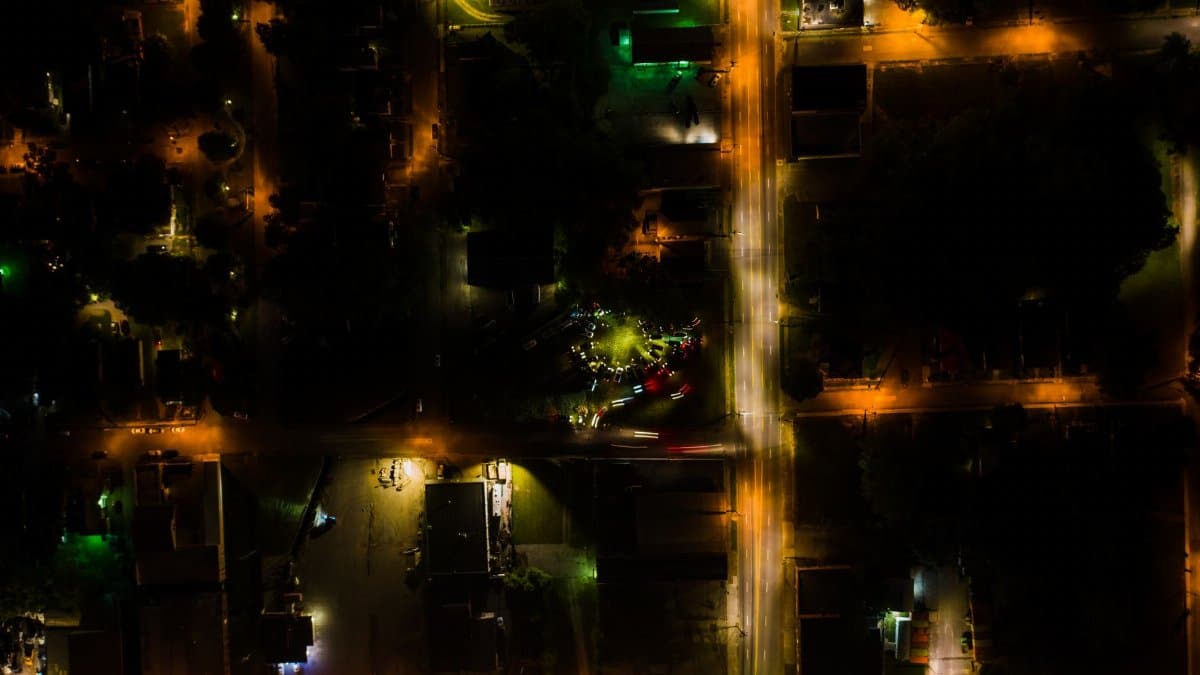
Late in the evening, a Twin Cities suburb can still feel like a place between city and country. Porch lights click off. Traffic thins. Then a new pole appears at a corner that used to fall into shadow, and a civic argument starts. Roseville streetlights have become a test of how a growing community defines comfort, safety, and the right to a darker night. City leaders are moving toward a multiyear buildout that would add more than 160 lights by 2029. A group of residents would rather keep some blocks dim, and they want a formal way to say so before the sky above their streets is rewritten.
A quiet fight over what night should feel like
The dispute is easy to misread as a quarrel about hardware. It is also a quarrel about atmosphere. For some households, a darker block is not neglect. It is a choice about sleep, wildlife, and the simple pleasure of looking up. For others, an unlit stretch is a hazard on the walk from bus stop to door, or a signal that a neighborhood has been left behind. Roseville, like many inner ring suburbs, is dense enough to feel urban and leafy enough that people still expect a private kind of dark. That tension does not resolve itself when a contractor sets a foundation in the boulevard.
Public meetings rarely capture the full feeling of the thing. A resident may speak for two minutes about glare on a bedroom wall. A parent may describe a child crossing a poorly lit intersection. Both can be telling the truth. The council job is to decide which truth the city will build into concrete and wire.
What the lighting plan is trying to finish
The proposal on the table is not a handful of replacements. It is a program meant to close gaps in the existing network and extend illumination to streets that have gone without city lights. Officials have framed the work as a safety and equity project, the kind of unfinished infrastructure that becomes visible only when someone asks why one block glows and the next does not. The schedule runs toward 2029, which means the change would arrive in stages rather than in a single season of construction.
Phasing matters. A multiyear plan gives neighbors time to organize, and it gives the city time to adjust spacing, brightness, and shields. It also means uncertainty lingers. People plan gardens, bedroom curtains, and even whether to stay in a house with a picture of the street five years from now. A light pole is small on a map and large in a front window.
Residents who would rather be left in the dark
The opposition is not a blanket rejection of every lamp in town. It is concentrated among people who treat darkness as a neighborhood amenity. They talk about stars that used to be easier to see, about insects drawn into useless orbits, about the way a white beam flattens the color of brick and leaf. Some of them have spent years asking the city to be careful with new installations. The current plan has given that loose concern a deadline and a number.
Wanting less light can sound privileged when crime or a bad fall is the fear next door. It can also sound like stewardship. American suburbs spent decades assuming that more light was always the civic good. A younger current in local politics treats excess brightness as pollution, not progress. Roseville streetlights sit in the middle of that shift, which is why a technical schedule has taken on the heat of a values debate.
Safety is not a switch you flip
Supporters of the buildout have a straightforward case. Pedestrians, older drivers, and people who work late should not have to negotiate a street that the city itself has left dim. Lighting is one of the few public safety tools that does not require a squad car. It is visible, shared, and, once paid for, relatively quiet in its upkeep compared with policing or road reconstruction.
The research picture is less simple than a campaign flyer. Brighter is not always safer if the light is harsh, poorly aimed, or so uneven that it creates pockets of deep shadow beside pools of glare. Drivers can be dazzled. Neighbors can feel watched without feeling protected. A careful program asks where people actually walk, where crashes cluster, and whether a lower, warmer, shielded fixture would do the job with less spill into yards. That is engineering. It is also politics, because every block believes its own risk is the one the map missed.
Sleep, wildlife, and the cost of a bright corner

Light at night does not stay on the pavement. It climbs bedroom walls, washes across wetlands, and alters the cues that tell birds, insects, and people when to rest. Residents who frame the issue in spiritual terms are not always speaking in doctrine. They are often describing a need for a boundary between the working day and the hours when a mind is supposed to settle. A street that never quite goes dark can feel like a city that never quite gives permission to stop.
Municipal leaders do not have to accept every metaphysical claim to take the practical ones seriously. Shielded fixtures, warmer color temperatures, and dimming after a certain hour are tools already used in other cities that want visibility without a permanent noon. Whether Roseville adopts those tools, or treats them as extras that slow the schedule, will tell residents how much of the dark the city is willing to design for rather than merely tolerate.
An opt out petition and the problem of fairness
The immediate procedural question is whether neighbors can petition to keep lights off a given segment. An opt out process sounds democratic. It also raises hard questions about who gets to vote, how large a majority is required, and what happens to people on the block who wanted the light and lost. A street is not a private club. Delivery drivers, visitors, and children who do not own the houses still use it.
If the petition bar is low, organized objectors can freeze a safety project on streets where quieter residents never heard about the form. If the bar is high, the opt out becomes a gesture that almost never succeeds, and trust erodes in a different direction. Roseville streetlights will be judged not only by lumens but by whether the process feels honest. Cities get into trouble when they invite participation and then treat the invitation as theater.
Money, poles, and the look of a block

There is also the ordinary matter of cost. Poles, conduit, fixtures, and long term energy bills are public money, even when a grant or a special assessment softens the hit. Residents who rarely walk at night may still care about the line item. Residents who walk every night may care more about whether the city chose a fixture that lasts, or one that will be obsolete and harsh within a decade.
Design is not cosmetic. A tall unshielded lamp announces a different kind of street than a lower fixture aimed at the roadway. Boulevard trees, setbacks, and older houses in Roseville were not built for the same lighting vocabulary as a new commercial corridor. Dropping a standard pole onto every gap can solve a map and spoil a place. The residents asking to be left darker are, in part, asking the city to admit that uniformity is not the same thing as care.
What the council has to weigh

When the City Council takes up the opt out petition process, it will be doing more than editing a policy paragraph. It will be deciding how much discretion a block may exercise over a citywide safety standard. That is a familiar suburban dilemma, cousin to fights over sidewalks, speed bumps, and backyard chickens. The difference is that light reaches past the property line in a way a fence does not. One household’s refuge is another household’s blind curve.
A durable decision would separate three questions that keep getting fused. Where is lighting genuinely missing for people on foot? What hardware keeps that light on the street and out of the second story? And where, if anywhere, may a documented neighborhood preference pause a pole without creating a private exemption from public responsibility? Answer those in order, and the emotion has somewhere to go besides a yes or a no shouted across a chamber.
A suburb learning how to hold the dark
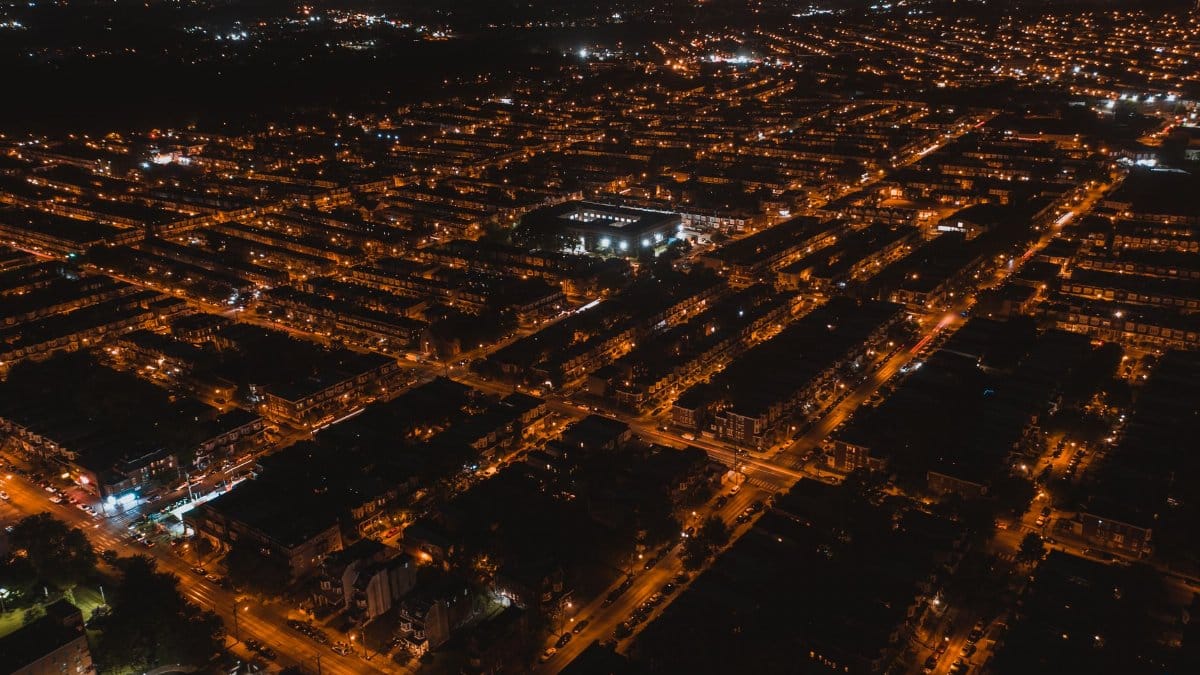
I have walked enough Midwestern blocks after supper to know that darkness is not one experience. On some streets it feels like abandonment. On others it feels like the day has finally loosened its grip. Roseville is large enough, and old enough in its housing stock, to contain both feelings within a short drive. Pretending that a single brightness solves both is how cities buy equipment they later regret.
The residents who want to be left in the dark are not asking the suburb to become a village with no obligations. They are asking it to treat night as something other than a defect. If the council builds a real petition path, it should be narrow, public, and tied to safety review, not a whisper network. If it rejects that path, it owes the objectors a lighting design that proves the city heard them anyway. Either way, Roseville streetlights will keep shining, or not, long after the meeting adjourns. The sky above those poles will be the record of what the city thought a good night was for.