
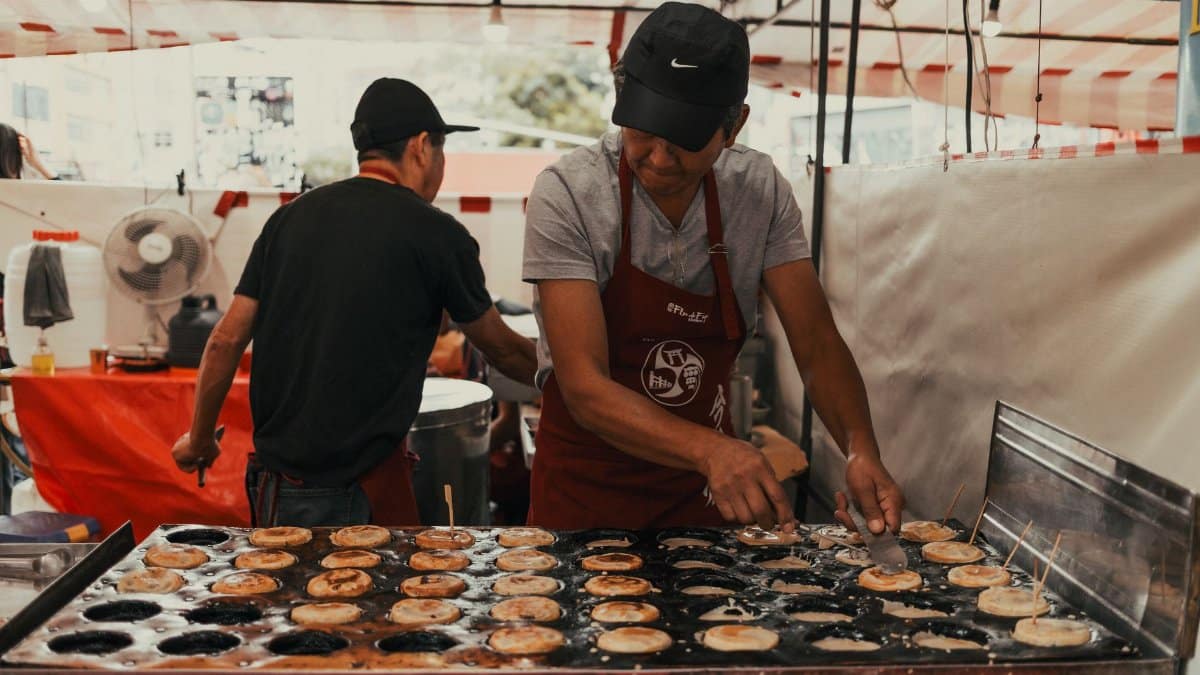
The smell arrived before the line did. Somewhere past the usual coffee and pretzel air of a departure hall, cumin and grilled citrus cut through the recycled chill, and people who had come only to catch planes slowed as if the schedule had briefly lost its authority. I had expected a novelty, a publicity gesture with paper cups and a backdrop. What I found was a small crowd treating George Bush Intercontinental Airport as a destination rather than a threshold. IAH Flavor Fest asked Houston to do something slightly absurd and oddly tender: buy a ticket, walk into a terminal, and taste the food that usually exists only for people already in motion. Nearly three hundred people said yes.
A festival with boarding pass energy
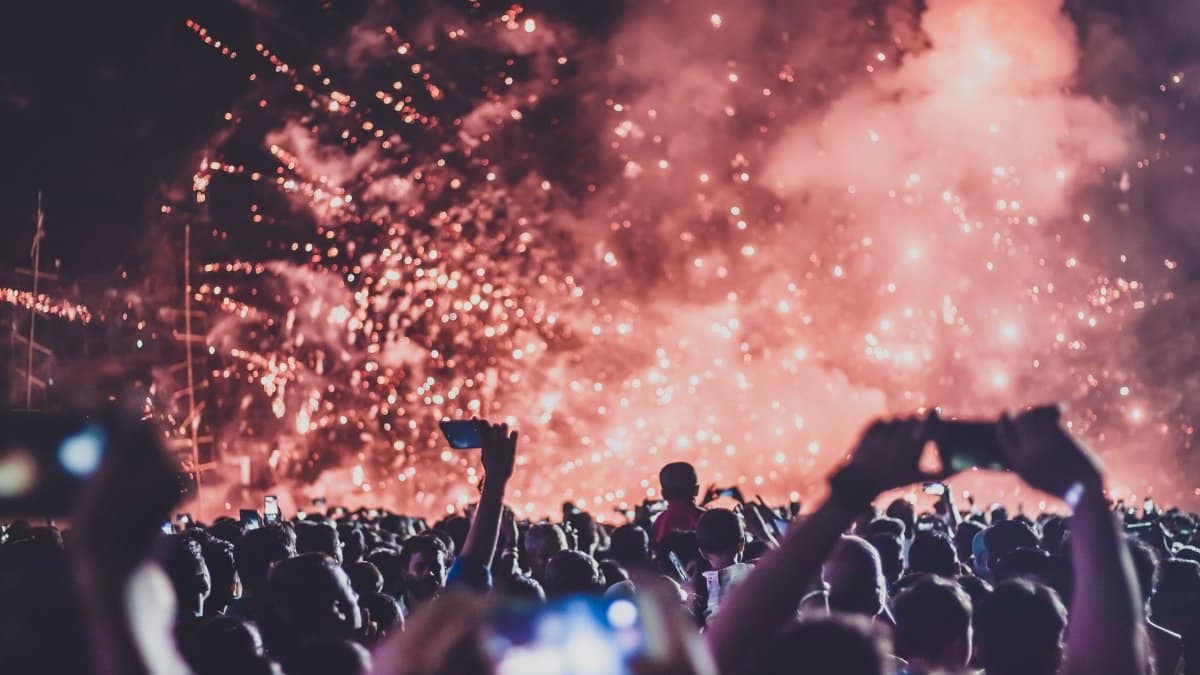
Airports are built for throughput. The architecture wants you moving, not lingering, and the food is usually priced for captivity. For a few hours that logic flipped. People arrived early, compared notes in low voices, and stood in lines that had nothing to do with security. The energy sat closer to a neighborhood gathering than to a gate announcement, except the block was a concourse and the neighbors included pilots in street clothes, airport staff off the clock, and families turning a layover into an excuse to stay.
There is a particular hush in a terminal on a day when the building is not at full roar. Announcements still cut across the ceiling. Suitcases still click over tile. But the crowd at the tasting tables had a different posture. Shoulders dropped. Phones came out for plates instead of departure boards. For once the airport was not only a machine for leaving. It was a room where Houstonians had chosen to remain.
What a ticket actually purchased
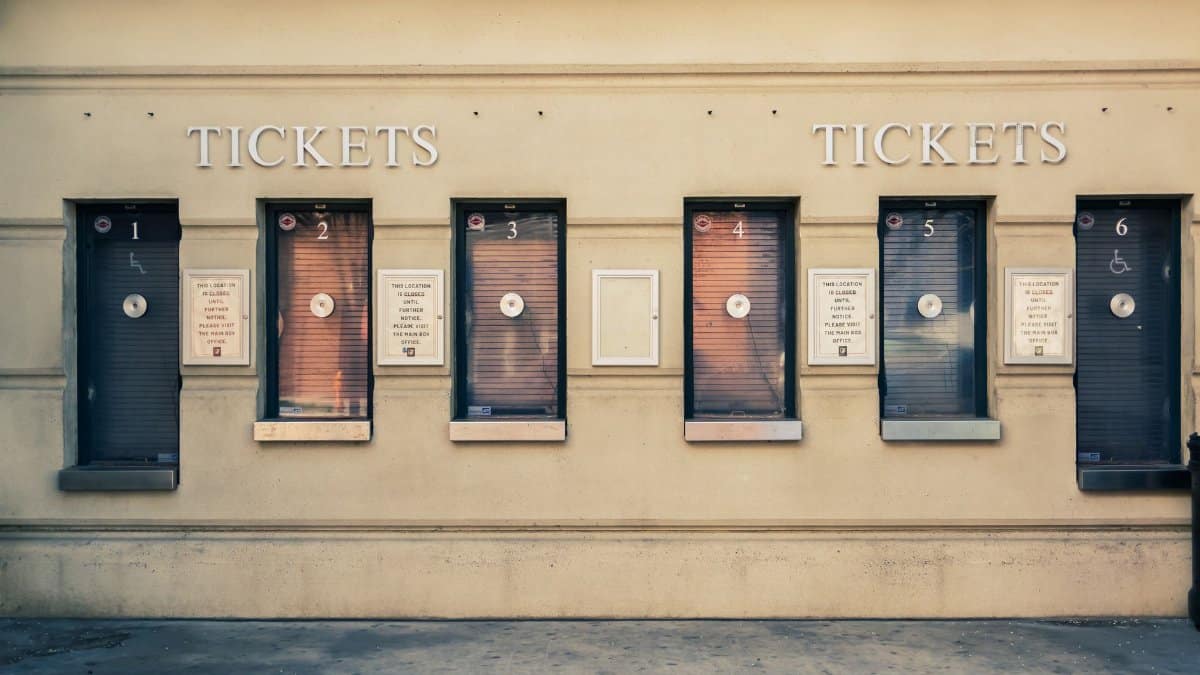
The offer was simple enough to explain to a skeptical friend. A ticket bought a path through samples from eleven terminal eateries, the kinds of counters most travelers meet only when a delay has already made them hungry and a little resentful. Nearly three hundred of those tickets sold. That is not a stadium crowd. It is a room sized success, the sort of number that tells you an idea found its people without pretending to be a citywide carnival.
What the ticket could not purchase was the ordinary airport bargain, the one in which you eat because you have no better option and the clock is louder than your appetite. Here the eating was the point. Guests moved from station to station with the mild seriousness of people at a county fair, asking what was in the sauce, whether the portion was the real menu item or a festival miniature, and how a kitchen that usually serves a rushing public had decided what to put forward when the public had time to taste.
Eleven kitchens, one hallway
Eleven is a modest number until you remember what an airport kitchen actually is. These are not dining rooms with a leisurely turn. They are tight lines, delivery schedules, health rules, and staff who already know the moods of a Monday morning bank of flights. Asking eleven of them to cook for an audience that came to judge, or at least to notice, is a different kind of service. The festival turned back of house competence into a public argument: this food can stand on its own, even when nobody is trapped.
I kept thinking about the geography. In a city as spread out as Houston, a terminal is one of the few rooms where strangers from every quadrant already share a floor. The festival used that accident. You did not need a reservation in a fashionable neighborhood or a car that could find parking on a Saturday night. You needed a ticket and a willingness to eat where the carpet has seen a million rolling bags. The setting did not flatter the plates. That was part of the honesty.
Eating while the flights kept leaving
No one paused the airport for the party. That may have been the most revealing detail. Overhead, the ordinary liturgy continued: zones, delays, last calls. A child asked whether the samples counted as dinner. A man in a lanyard checked his watch, took another bite, and looked almost guilty about enjoying himself. The festival did not seal itself off from the building. It borrowed a slice of it and let the rest keep working.
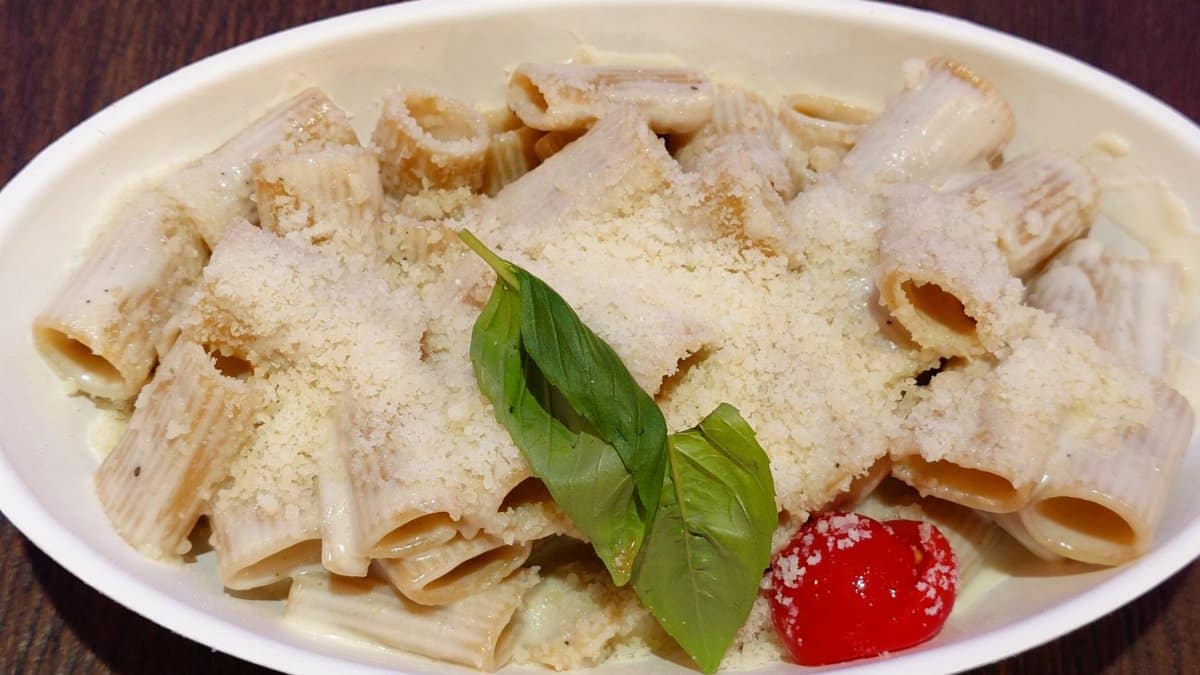
That friction gave the food a context you do not get in a restaurant review. A taco eaten between gates is not the same taco eaten at a patio table, even if the recipe is identical. Salt reads louder. Heat competes with air conditioning. Aromatic spices have to push past coffee, carpet, and jet fuel memory. If a dish still tasted like itself in that air, it had earned something. Several did. A few tasted like they had been designed for speed and were startled to be examined. Both results were useful.
Money meant for people who keep the place running
The plates were the attraction. The purpose sat a step behind them, and it mattered more than the novelty. Proceeds were directed toward airport workers in need, the people whose shifts make the building possible and whose emergencies rarely make a headline. An airport is a small city with bad hours. Someone is always opening, someone is always closing, and the distance between a steady check and a crisis can be a medical bill, a blown tire, a relative who needs a flight home.
Charity attached to a tasting can feel decorative if the hosts treat it as a ribbon. Here the connection was structural. The same workforce that plates the samples, wipes the trays, and keeps the lines moving was the community the event claimed to serve. IAH Flavor Fest did not pretend that a Saturday of small plates could solve wage questions or staffing strain. It did something narrower and still worth doing: it turned appetite into a modest fund, and it put the workers in the same sentence as the food instead of behind it.
The strange intimacy of terminal food
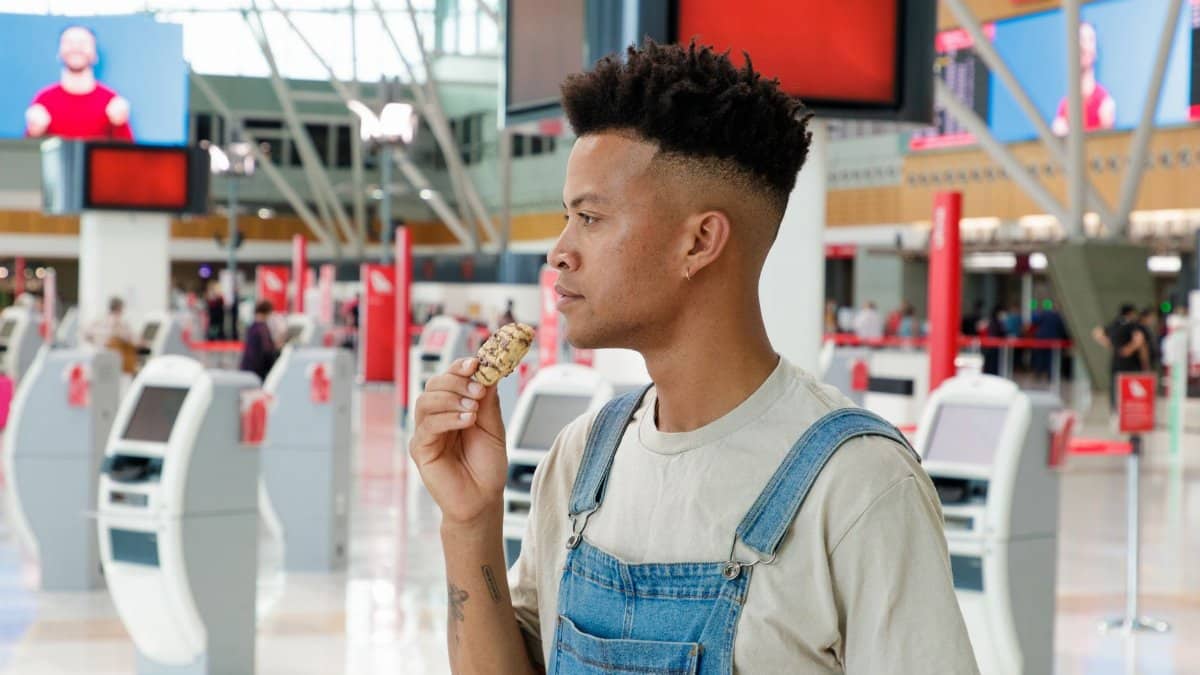
Airport dining has a reputation it did not entirely invent. Portions shrink, prices rise, and the captive customer becomes a punch line. Some of that is real. Some of it ignores how hard it is to cook well inside a secure building, where deliveries are complicated and waste is expensive and a missed flight is not the kitchen’s fault but still colors the mood. The festival was a chance to separate the meal from the resentment.
Standing there, I noticed how many guests already had a story about a particular counter. A bowl that had saved a miserable connection. A breakfast sandwich eaten too fast before a 6 a.m. departure. A spice level that surprised someone who thought terminal food would be timid. Those memories are not glamorous, but they are intimate. Flavor Fest gave them a public square. People were not only sampling. They were revising a private map of a building they thought they already knew.
Houston already knows how to eat in public
This city does not need a lecture on flavor. Its weekends are already a procession of trucks, church halls, strip center kitchens, and backyard pits. What it does not often do is gather that appetite inside infrastructure. We picnic in parks. We argue about brisket in parking lots. We rarely decide that a concourse can host the same curiosity.
That choice carries a civic hint, even if nobody at the tables was using civic language. Public buildings teach us what they are for. If an airport is only a chute, we pass through it with our heads down. If it can also be a place where a city tastes itself, the building gains a second job. Not a replacement for neighborhoods. A reminder that the spaces we share on the way to somewhere else are still part of the city, staffed by neighbors, capable of hospitality that is not accidental.
What the samples were really testing
A festival menu is a curated kindness. Kitchens choose the dishes that travel well in a small cup, that photograph without fuss, that will not collapse between the pass and the guest. That selection is a kind of editing. You learn what a restaurant believes it does best when it has one chance and a plastic fork.
You also learn what the guest is willing to forgive. Noise. Standing up. A line that moves in bursts. The absence of a proper table. Houston diners are not fragile, but they are opinionated, and an airport gives them less scenery to hide behind. If the sauce was thin, the room knew. If the portion was generous, the room said so out loud. IAH Flavor Fest functioned as a low stakes critic, less cruel than a star rating and more honest than a billboard in baggage claim.
Workers who rarely get the spotlight
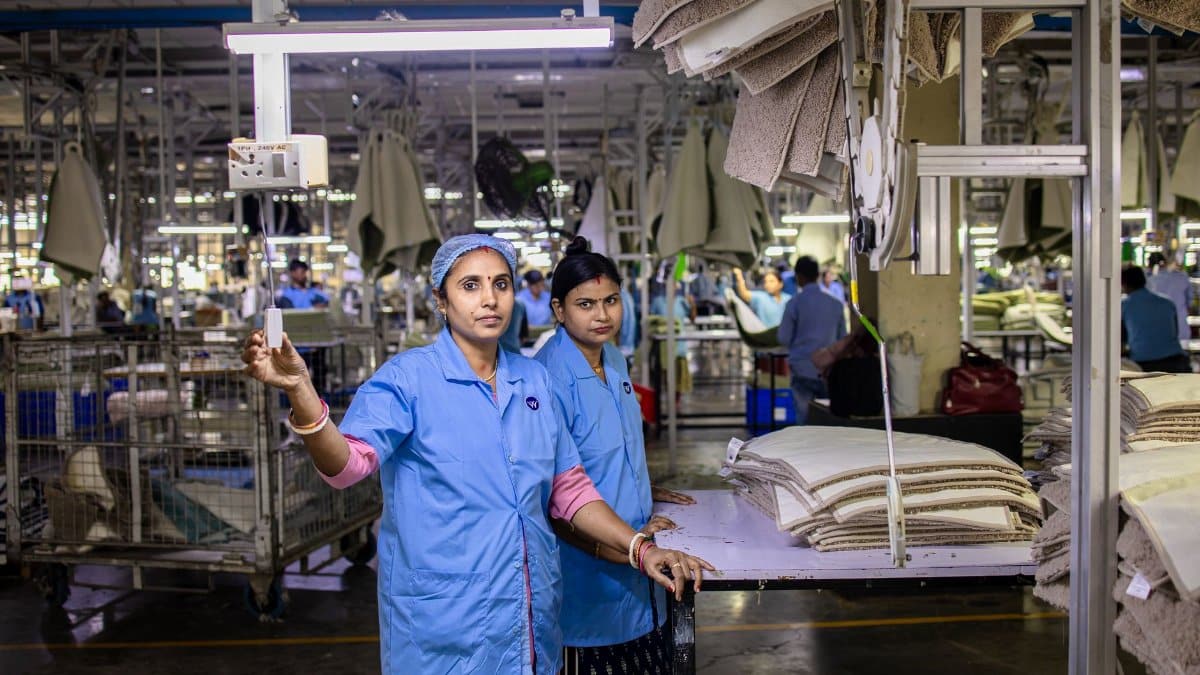
The most lasting image was not a dish. It was a cook leaning out to watch someone take a first bite, then looking away as if the attention were too much. Terminal kitchens are used to invisibility. Travelers remember the gate, the delay, the price. They seldom remember the name on the apron. A festival, even a small one, reverses the gaze for an afternoon.
That reversal is not the same as fair pay, predictable schedules, or a benefits package that survives a slow season. It would be cheap to confuse applause with security. Still, recognition is not nothing, especially when the money raised is aimed at workers in need rather than at a vague idea of community. The spiritual note, if the word is not too large for a concourse, was ordinary care: feed people, then remember the people who fed you.
A test of whether airports can host joy
Joy is an odd word for a building associated with missed connections and plastic bins. Yet joy was present in a limited, unsentimental form. It showed up as surprise. Guests kept saying versions of the same sentence: I did not think I would like this. The sentence was about the food and also about the premise. An airport food festival sounds like a contradiction until you are holding a plate and the contradiction has a flavor.
There were limits, and pretending otherwise would flatter the day past recognition. Capacity was finite. Not every beloved counter could be represented by eleven participants. A ticketed event, however modest, still leaves out people who cannot spare the fee or the Saturday. The charity case is stronger if future versions keep asking who is in the room and who is only funding it from the other side of a service counter. A good first chapter is allowed to be incomplete. It is not allowed to be complacent.
What the building felt like afterward
When the samples ran down, the terminal did not celebrate. It resumed. Tables cleared. The smell thinned back into coffee and floor cleaner. Flights that had been background became foreground again. That quick return to normal was its own lesson. A festival does not remodel an airport. It borrows the room, spends a few hours insisting that taste and generosity can share a hallway with logistics, and then gives the hallway back.
I left with the minor disorientation of someone who has been a guest in a place designed for passengers. The parking garage was the same. The signage was the same. The difference was private and small: a building I had used for years had disclosed a social life. Not a hidden restaurant row. A willingness, on one day, to let eating be deliberate.
Whether it ought to return

First editions earn a second look when they prove a demand that skeptics doubted and a purpose that outlasts the photo. IAH Flavor Fest did both in a restrained way. It sold nearly three hundred tickets without needing to become a spectacle. It put eleven terminal kitchens in front of people who were not racing a boarding clock. It tied the afternoon to airport workers in need, which keeps the event from collapsing into a stunt.
If it returns, the measure of success should stay human scaled. More kitchens only if the cooking can still be tasted slowly. A clearer account of where the money goes, told in plain language rather than in slogans. Hours that respect the staff who will clean up after the last guest and then work a regular shift. And a price that does not turn curiosity into a luxury. Houston does not lack festivals. It lacks many chances to see its public buildings as hosts. This one was imperfect, local, and strangely moving. That is a strong beginning for a room that usually only says goodbye.