
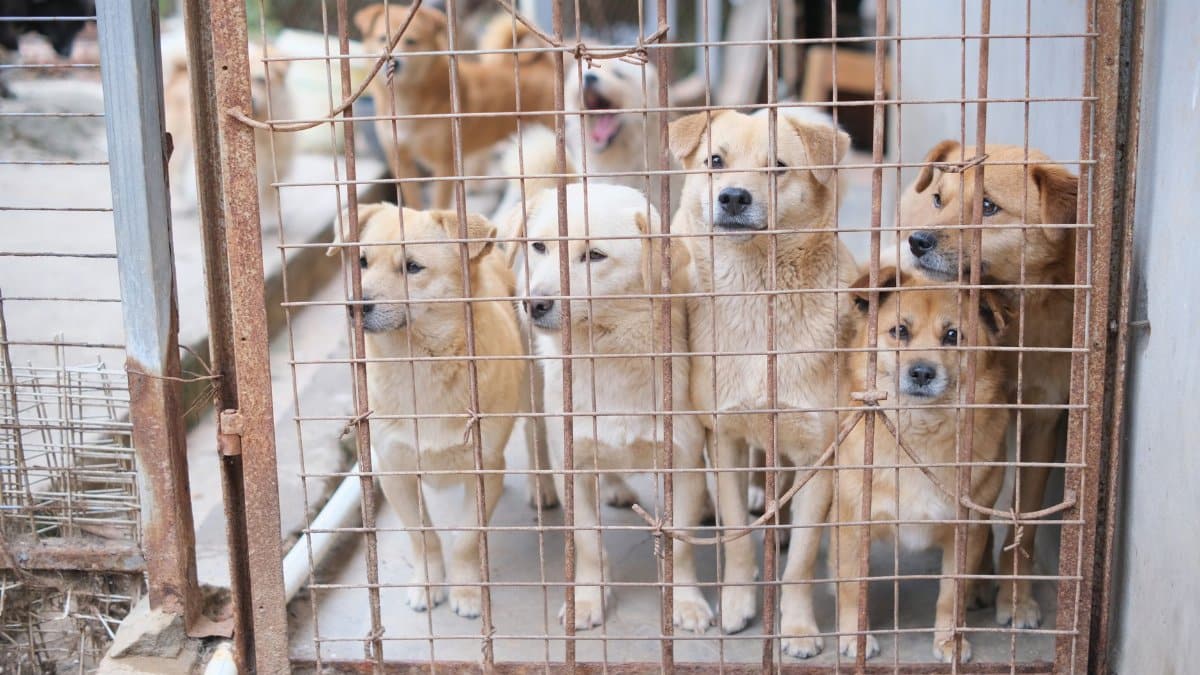
On a weekday morning in Pasadena, the kennel wing sounds different from the usual scatter of single barks. Staff move between runs with leashes in one hand and intake sheets in the other, because a sudden crowd of small dogs and angular puppies has filled space that was already tight. Pasadena dog adoption has shifted from a quiet civic habit to an urgent public ask, after Pasadena Humane took in 38 dogs recovered from one home. Nearly 30 of them are Chihuahuas and Belgian Malinois puppies, many named for fruits, a soft detail on a hard intake list. The need is not soft. These animals need households with time, secure yards, and patience before ordinary shelter work is pushed aside.
A house that held far too many dogs
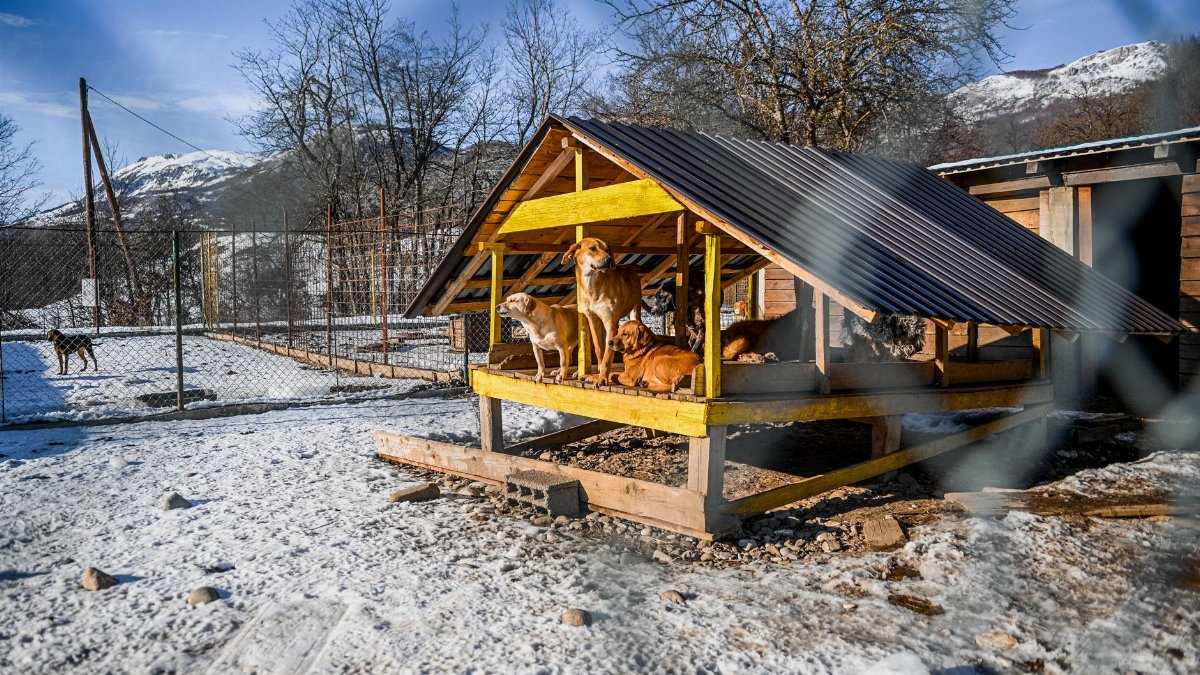
Thirty eight dogs from a single residence is not a quirky surplus. It is a failure of space, money, veterinary care, and judgment, whether the household began with good intentions or slid into neglect. Recovery, the word used when animals are removed and brought to a shelter, signals that private keeping had already broken down. Readers should resist the urge to invent a villain from a headline. What is known is enough: one home produced a caseload that a city shelter must now sort, treat, and place, dog by dog.
Shelters are built for turnover, not for absorbing a private collection overnight. Every run used by a recovered dog is a run not available for a stray, a bite quarantine, or an animal whose owner is in the hospital. That is the hidden arithmetic of a large intake. The public sees puppies. The operations staff sees capacity, disease risk, and a calendar that just got shorter.
Names that sound like a fruit stand

Fruit names on puppies are easy to smile at. Peach, mango, lemon, fig: the words suggest a kitchen, not a kennel. Naming is also a management tool. When dozens of young dogs arrive together, staff and volunteers need labels that stick in memory during feeding, medication, and meet and greets. A fruit name is quicker than a case number when someone is trying not to mix up littermates who look alike in bad light.
The charm should not blur the record. These are not props in a seasonal appeal. They are individual animals with unknown breeding histories, uneven socialization, and, in a crowded home, a real chance of parasites, poor nutrition, or fear. A pleasing name does not predict a pleasing first month in a new house.
Two breeds, two very different needs
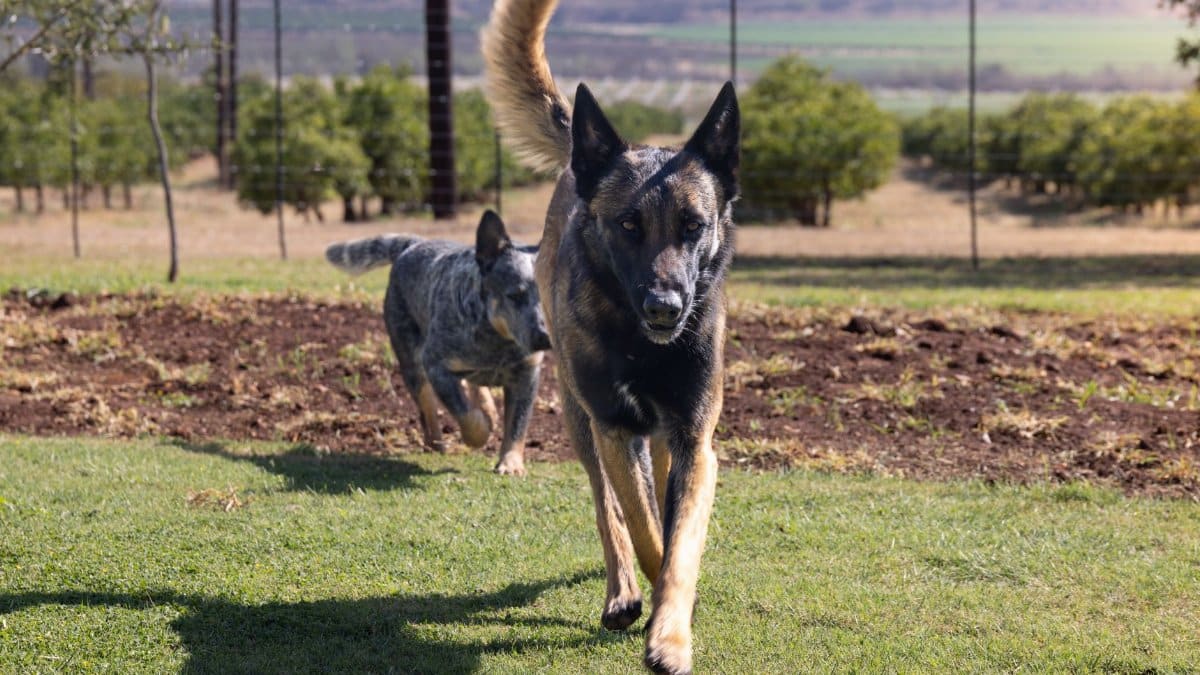
Chihuahuas and Belgian Malinois do not belong in the same sentence as if they were interchangeable small problems. Chihuahuas are tiny, often vocal, and prone to dental disease, slipping kneecaps, and a nervous energy that apartment life can either suit or inflame. Many do well with calm adults. Many do poorly with rough children, loose large dogs, or owners who expect a silent lap ornament.
Belgian Malinois puppies are another matter entirely. The breed was shaped for work: drive, stamina, a hard mouth on toys, and a mind that gets into trouble when underemployed. A Malinois adolescent in a suburban yard with two walks a day is a common origin story for shredded sofas, escaped fences, and shelter returns. Puppies from a crowded home may also lack the early handling that makes later training easier. Cute at twelve weeks is not a plan for twelve months.
What the shelter is asking neighbors to do
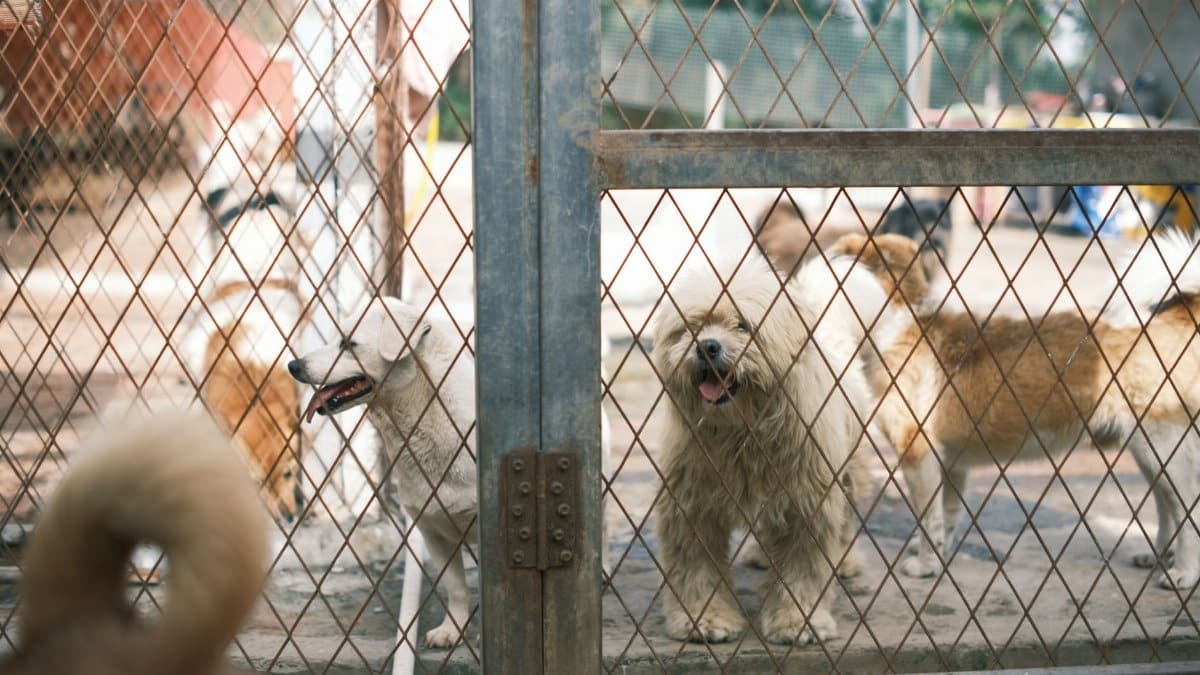
Anyone watching Pasadena dog adoption notices this week should start with the shelter’s own process, not with a comment thread. Pasadena Humane and similar agencies typically ask for applications, landlord approval where relevant, and a conversation about who lives in the home, including other pets. That friction is not bureaucracy for its own sake. It is how a shelter avoids sending a high drive puppy into a household that wanted a quiet companion and will bring the dog back in six weeks.
The ask is broader than adoption. Fosters free kennel space. Donors cover vaccines, spay and neuter, microchips, and the unglamorous costs of diarrhea, coughs, and dental work that follow a mass intake. People who cannot take a dog can still move an animal toward a home by funding the medical work that makes adoption honest.
How a responsible adoption visit unfolds
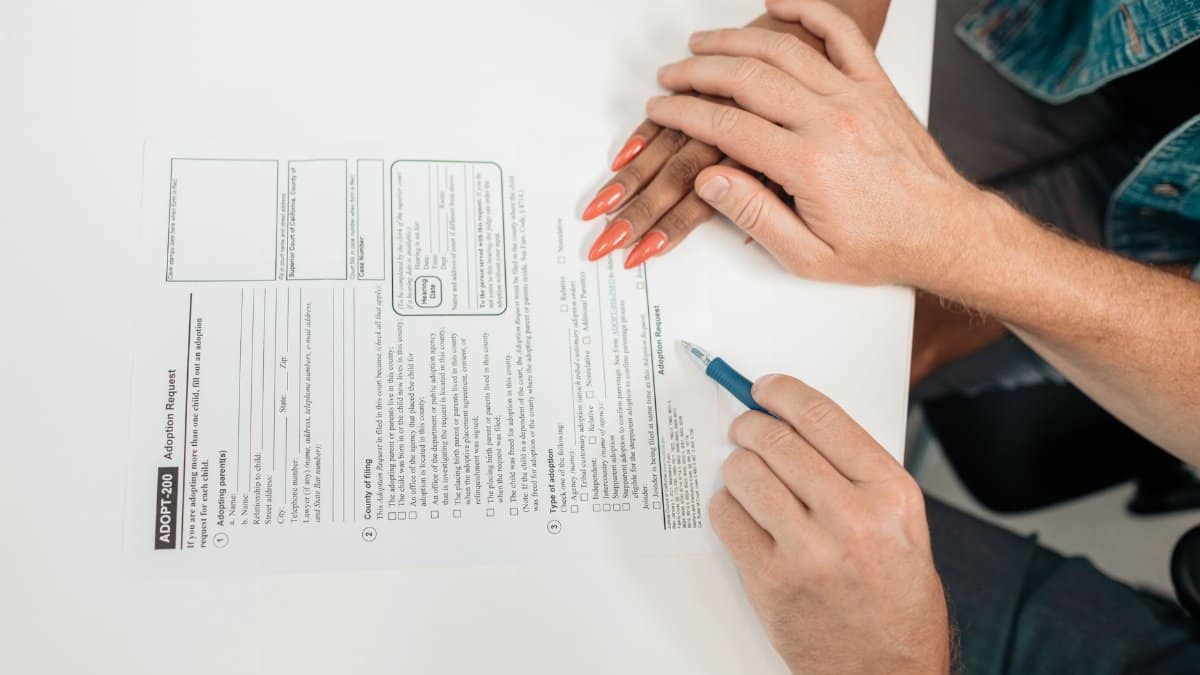
The practical path for Pasadena dog adoption is slower than a social media post suggests. A good visit includes time outside the kennel, where barking lies. Watch how the dog recovers from a startle, whether it takes a treat gently, and whether it can disengage from a toy when asked. For Malinois puppies, ask what exercise and training the shelter expects in the first year. For Chihuahuas, ask about house training, small dog fragility, and whether the animal has lived with children.
Bring every decision maker. A partner who meets the dog only on move in day is a frequent reason adoptions fail. If you rent, confirm the breed and size rules in writing before you fall for a face. Shelters cannot override a lease, and a dog returned because of a landlord is still a dog who has been moved twice.
Temperament is not a breed label
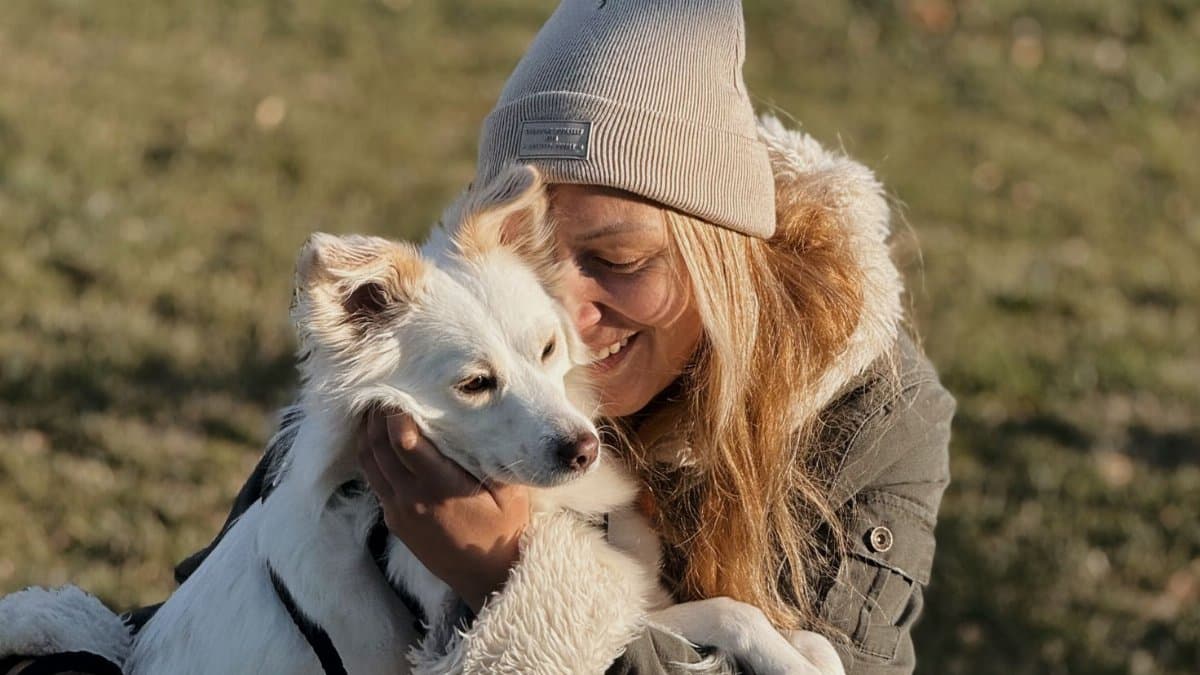
Breed is a forecast, not a verdict. A Chihuahua from a chaotic house may be brave, or it may freeze when a broom moves. A Malinois puppy may be biddable with daily work, or it may be too much for a first time owner no matter how sincere the owner is. Staff notes matter more than internet breed essays. So does your own record: hours away from home, stairs, other animals, and whether anyone in the house actually wants to train.
Successful Pasadena dog adoption depends less on pity than on fit. Pity adopts the saddest story. Fit adopts the dog whose needs match the life you already live, not the life you plan to invent after the holidays.
Foster care as a bridge, not a loophole
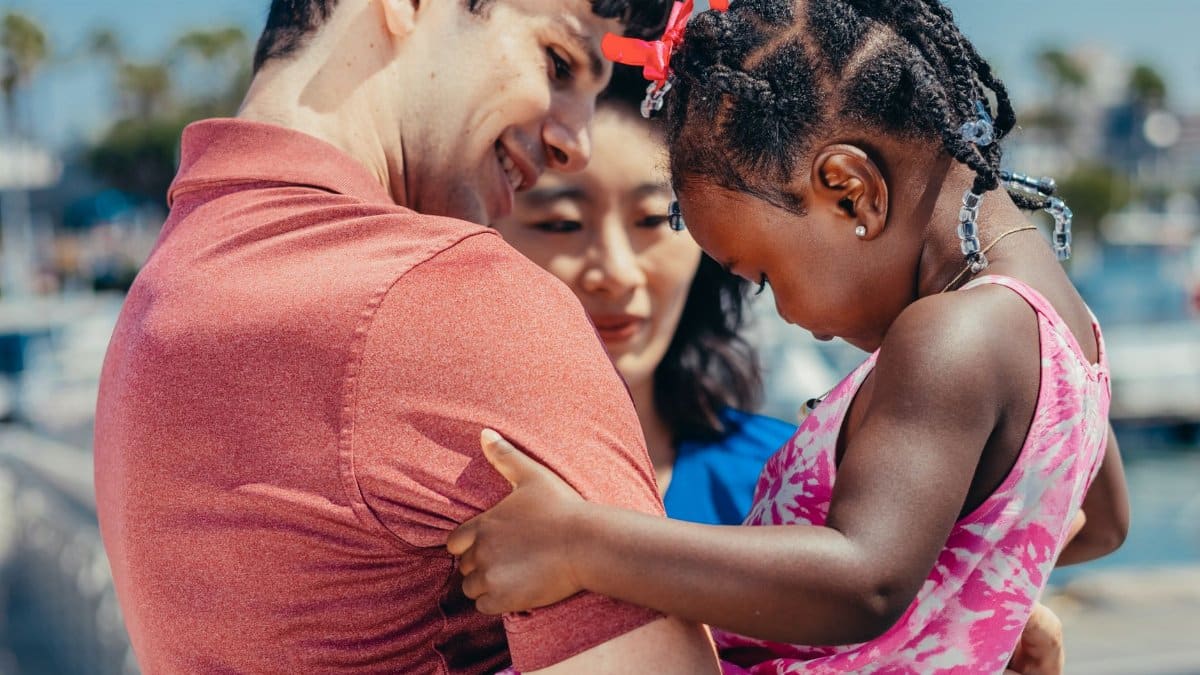
Fostering is often the most useful response to a sudden intake. A foster home lets a puppy learn stairs, vacuums, and quiet nights before a permanent family commits. It also lets the shelter see traits that a kennel hides: separation distress, resource guarding, or a surprising ease with cats. Those observations protect the next adopter from a surprise that ends in surrender.
Foster is not a trial you can abandon without cost. Puppies bond. If you foster, decide in advance whether you are open to adopting, and say so. Shelters would rather know you are a bridge than discover, late, that you cannot return the dog and also cannot keep it. Supplies, a crate, and a contact for medical questions should be in place before the animal arrives, not after the first accident on the rug.
Money, time, and the quiet costs

Adoption fees rarely cover the true cost of a recovered dog. Vaccines, deworming, spay or neuter, and a dental for an adult Chihuahua can exceed what a fee recoups. A Malinois puppy may need training classes for years, not weeks. Food for a working breed is not a rounding error. Fencing that looks fine for a beagle may be a suggestion to a young Malinois.
Time is the cost people underestimate. A puppy cannot be crated for a full workday without paying for it in behavior. A small dog left to rehearse barking at every passerby becomes the neighbor complaint that forces a rehoming. If your schedule cannot bend, the kinder choice is to fund care or to foster for a defined short stretch, not to adopt and hope character will adjust to your calendar.
Questions worth asking before you say yes

Ask what is known about the home of origin, and accept that much may be unknown. Ask which dogs are cleared medically and which are still in treatment. Ask about returns: what support exists if the match fails in the first month, and what the shelter expects you to try before bringing the dog back. Ask whether littermates should be adopted together. Sometimes a pair is calmer. Sometimes a pair practices bad habits on each other and both suffer.
Ask yourself a harder set of questions. Who cares for the dog if you travel? Who pays an emergency vet bill? Are you prepared for a dog that may never be fully comfortable with strangers? Romance about rescue collapses at 2 a.m. when a frightened Chihuahua will not stop barking, or when a Malinois has opened a cabinet you thought was secure.
The regional squeeze on shelter space
Pasadena does not sit outside the pressures facing shelters across Southern California. Housing costs push people to surrender pets they can no longer keep. Veterinary prices delay spay and neuter. A single large recovery can erase weeks of careful placement work. When one agency is full, animals move, or they wait, and waiting in a kennel is not neutral. Stress, illness, and missed adoption windows compound.
That context is why a local story belongs in a wider conversation about capacity. Helping one shelter adopt out fruit named puppies does not fix intake math. It does prevent this particular intake from becoming a longer stay, a disease outbreak, or a stack of returns next spring. Civic problems are often solved, imperfectly, by a series of specific yeses.
Care as a form of attention
There is a moral thread here that does not require a sermon. Taking responsibility for an animal is a practice of attention: noticing hunger, fear, boredom, and the slow signals of pain. In a culture that treats pets as accessories, a mass recovery is a reminder that living creatures accumulate obligations. Spiritual language, when it is useful at all, fits here as a claim about duty rather than mood. You do not adopt because a photograph moved you. You adopt, foster, or give because you can carry a concrete burden for a specific animal.
That standard also protects people. No one is obliged to take a working breed puppy they cannot train. Refusal, clearly stated, is more ethical than a sentimental yes followed by abandonment. The dogs recovered in Pasadena need fewer admirers and more accurate homes.
Small help that still matters

Not every useful act is an adoption. Sharing accurate shelter information, without inventing backstories, helps. Offering a foster home for two weeks helps more. Funding transport to a rescue partner with Malinois experience may place a puppy better than a general appeal. Volunteering for dog walking, if the shelter is equipped to train you, reduces kennel stress. Even a careful public correction matters: these are not all the same kind of dog, and treating them as one cute cohort sets adopters up to fail.
If you already have a dog, do not arrive unannounced for a group meet. Shelters schedule introductions for a reason. If you have children, be honest about ages and energy. If you want a project, say so, and then budget for a trainer who has worked with the breed you are considering, not a general obedience video watched once.
A home is a decision, not a mood
The dogs recovered from that Pasadena home will not all leave on the same day, and they should not. Some Chihuahuas may be ready for quiet adult households soon. Some Malinois puppies may need fosters who understand drive before a permanent placement is fair. Rushing the whole group into any available living room would only manufacture the next round of surrenders.
If Pasadena dog adoption is on your mind, start with a visit and a written sense of your limits. Look at the animal in front of you, not at the idea of rescue. Ask what the next year actually requires. Then either commit with your time and money, or help someone else commit. Dozens of dogs are waiting on that distinction, and the shelter cannot make it for you.