
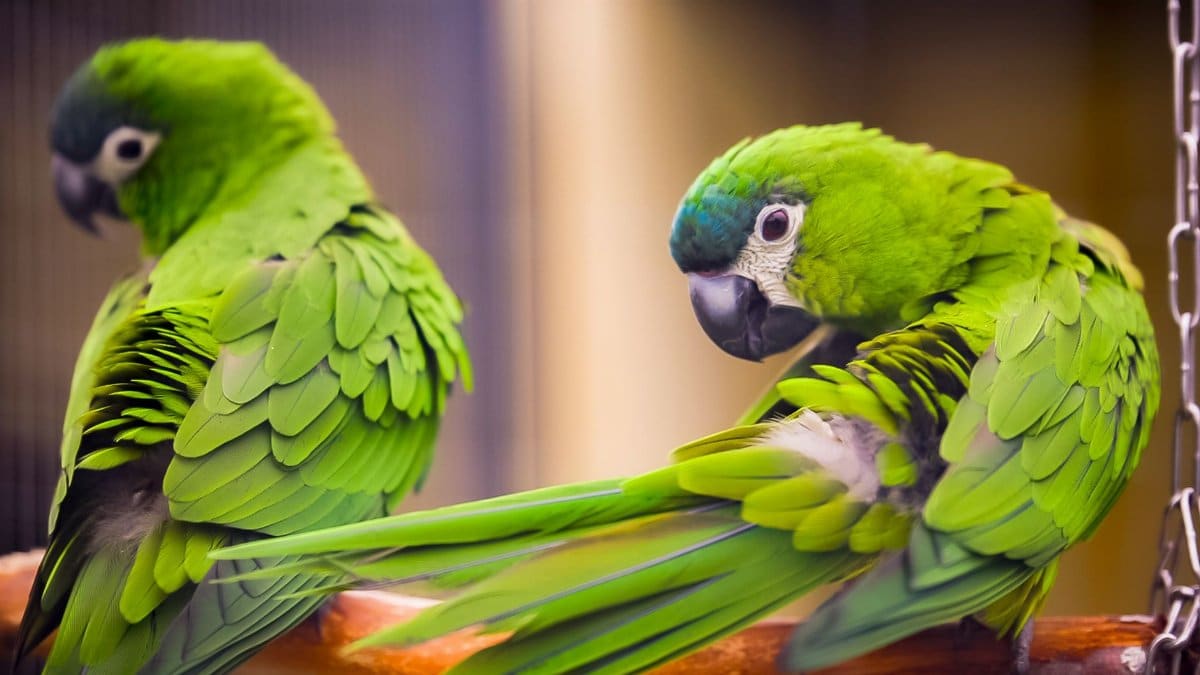
On a gray morning in Lincoln Square, the sound that stops people is not a siren or a train. It is a sharp, almost human cry from somewhere above the storefronts, the kind of voice that does not belong to a crow or a gull. Residents have been hearing it since August, and the bird making it is a Chicago escaped parrot, an endangered Mexican red headed Amazon that has spent months dodging the people trying to bring it down. As temperatures fall on the North Side, rescuers say the same cleverness that has kept the parrot free may now be the thing that puts it in danger.
A species far from its home range
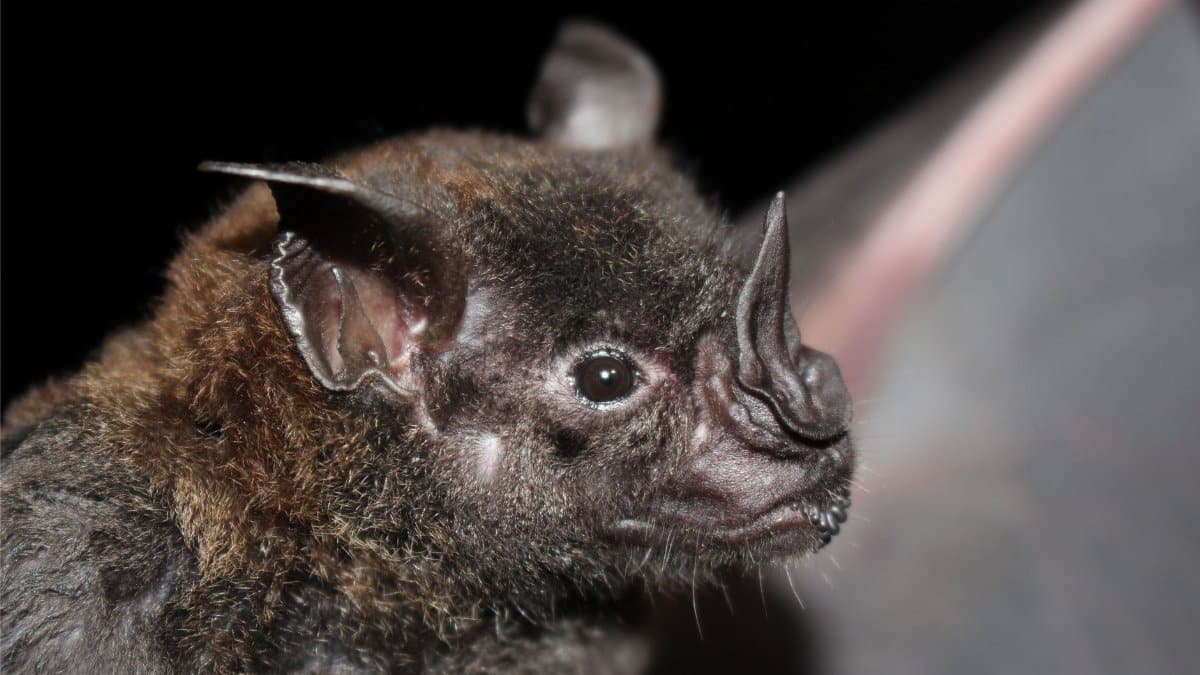
The bird is a Mexican red headed Amazon, green through the body, with a bright crown and a voice built for a flock. Its native ground is northeastern Mexico, in low woods and scrub where cavities in old trees serve as nests. Nothing in that life prepares a single pet for a Chicago November. Days shorten. Fruiting trees go bare. The wind off the lake finds every exposed perch.
People sometimes mix this bird up with smaller parrots that have settled, in limited numbers, in warmer American cities. Those flocks are a separate case. An Amazon that has lived in a house depends on offered food, a predictable roost, and company. This one has company only in the sense that a neighborhood has learned its cry. That is not the same as shelter.
Months of near misses in Lincoln Square
Since August the parrot has stayed in and around Lincoln Square, familiar enough that regulars know the sound, elusive enough that careful approaches keep failing. That is the sense in which rescuers call it wily. The bird does not scheme. It startles, climbs, and leaves. Wires, alleys, and flat roofs give it a map that a person on foot cannot match.
A Chicago escaped parrot is easy to notice and hard to hold in place. Color and noise create the notice. Flight undoes the plan. If a ladder, a carrier, or a knot of onlookers appears, the bird flushes, and the hour is lost. Each flush also teaches a lesson. Humans below often mean trouble. The next attempt at trust costs more time, and time is the asset winter is taking away.
A photo on a cornice is not the whole story.
Why cold is the real predator
Parrots do not wear the fat stores of many northern birds. They stay warm by eating well and by packing into a shared roost out of the wind. A lone Amazon in Chicago has neither the flock nor a dry cavity. Rain mats feathers. Wind strips heat. A night that a chickadee shrugs off can stagger a tropical parrot.
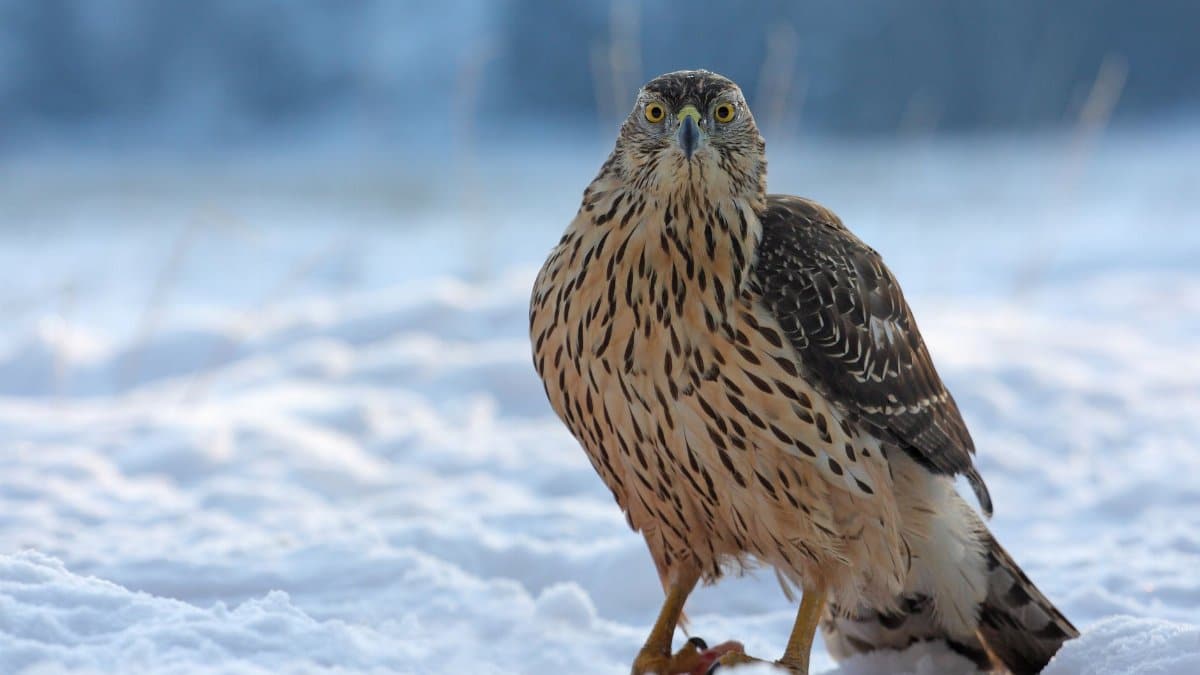
The worry is not theatrical. It is cumulative. August still offered warmth and long foraging hours. November does not. A feeder may help for an afternoon and then go empty. A tired bird is an easier target for a hawk, and an easier victim of cold. No blizzard is required. Ordinary weather on the North Side is enough to turn a delay into a loss.
The narrow craft of a live capture

Bringing a flying parrot down in a city is a craft, not a burst of goodwill. The bird must be hungry enough to approach, steady enough to remain, and unhurt by the effort. Food, timing, and a familiar voice matter more than speed. A grab that goes wrong can break a wing or confirm every suspicion the parrot already holds.
That is why the work has lasted for months. A poor trap is worse than waiting. People who care are asked to watch without crowding, to record the tree and the hour, and to leave the climbing to those prepared for a bird that can simply depart. Earnest help has scattered escaped pets before.
Calling the case a Chicago escaped parrot can make it sound small. The coordination it demands is not small at all.
What neighbors can do without making things worse
Useful help is specific and quiet. Note the cross streets, the time, the direction of flight, and whether the bird was feeding. A distant photo can confirm the species. A crowd cannot. Shouting, flinging food at random, or trying to corner the parrot in a yard usually sends it to a new block, where the people tracking its habits lose the thread.
If it lands low, keep cats in. Do not assume a bright bird on a fence wants hands. Amazons bite when afraid, and a bite is a bad opening for care. Should the parrot answer a known call or take a known food, that fact belongs to the rescuers already on the case. Improvisation feels brave. Often it is just noise.
An endangered bird and the life that preceded the escape
Wildlife authorities treat the Mexican red headed Amazon as endangered, a status shaped by lost nesting trees and by decades of capture for sale. The Lincoln Square bird is not a wild wanderer that missed a migration. Public descriptions frame it as a pet that got out.
Owners who find a cage empty do better to call practiced rescuers at once, set out familiar food, and tell the block before the bird learns every alley. Embarrassment delays those calls. Delay is expensive. A Chicago escaped parrot makes that private failure public.
There is a harder domestic truth under the spectacle. People acquire intelligent, long lived animals and then face years of noise, mess, and need. Some birds are cherished. Some are endured. Some leave on a summer afternoon and keep flying.
How a city learns to look up

Chicago already shares space with peregrine falcons on high ledges and coyotes along rail corridors. Those animals have ways to live here. A lone Amazon cannot borrow their success.
Attention is the unglamorous start. Residents who pause and really see the animal overhead give a rescue somewhere to begin. Residents who treat the cry as background leave a rumor in the air. I keep thinking the spiritual lesson, if there is one, is plain. Care begins as accurate noticing, not as a creed, and it ends in a report that someone can use.
The parrot is not a message sent to improve the North Side. It is a living creature in trouble. That is sufficient reason to be precise.
The fear of a slow ending
The bleak version of this story is not a single dramatic hour. It is a stretch of poor feeding, a wet night, a loss of strength, and a voice that no longer carries over the shops. Searchers may then find nothing. Silence is not proof of survival. A green bird in a leafy city, or later in a bare one, can vanish without offering a conclusion.
Calling the parrot wily is both respect and warning. Caution has carried it from August into the cold months. Caution does not make heat. If every human outline looks like a threat, the only tools likely to save the bird stay on the ground.
What remains hopeful is practical: an early sighting, a pause at food, a capture that does no harm, and people willing to look after the novelty has gone.
What success would actually mean

Success will not look like a clip of a parrot perched on a stranger. It will look like a warm room, a check for weight loss and cold injury, and a return to a responsible owner or to a qualified sanctuary if that owner cannot provide care. The sidewalk chapter would close. The slower work of recovery would open.
Failure would be quieter. A Chicago escaped parrot that evades every effort and then meets a hard night is still a loss, even when no one can be blamed for the wind. The city does not owe a tropical bird a mild season. A keeper owes it a shut door and a plan.
For now the story sits between those endings. There is a voice above Lincoln Square, a small group trying not to spook the bird, and a season that will not wait.