
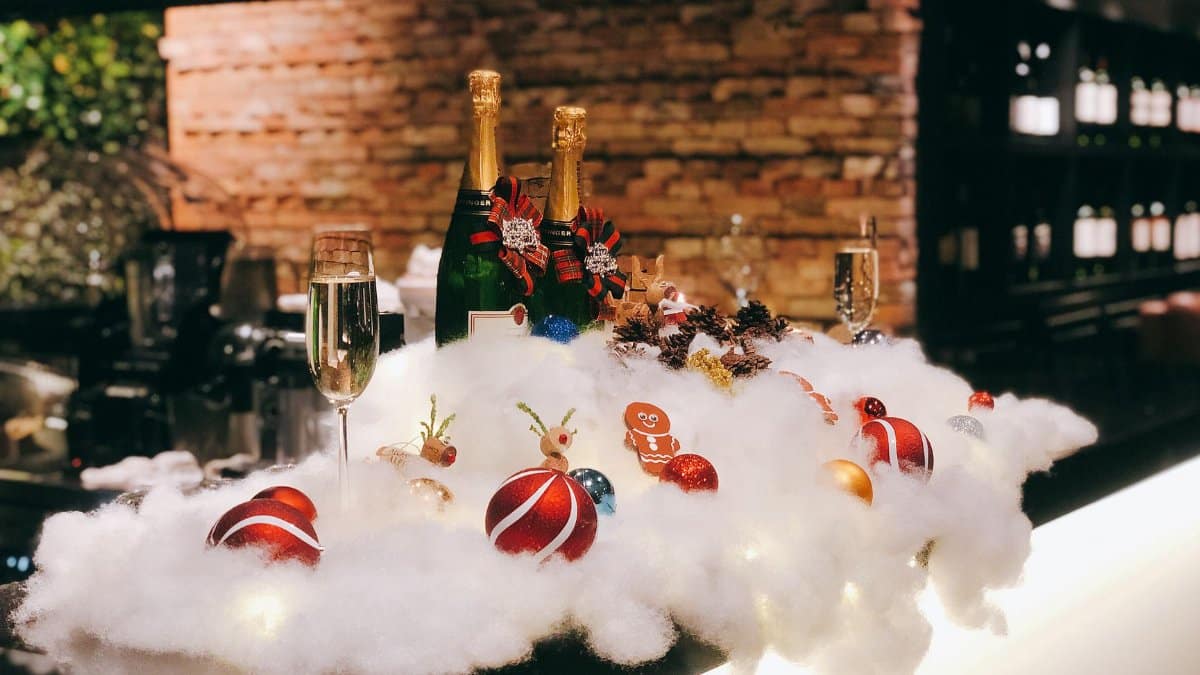
On a clear December evening the elevator climbs through the Hyatt Regency Houston and opens onto a circle of glass that has spent years turning with the skyline. This winter the same room has been dressed for a louder kind of season. Mariah Carey’s Holiday Bar has taken over Spindletop for a limited run, swapping the usual after dinner hush for tinsel, themed drinks, photo corners, and the particular theater of a singer whose name has become shorthand for the month itself.
The room that turns above downtown
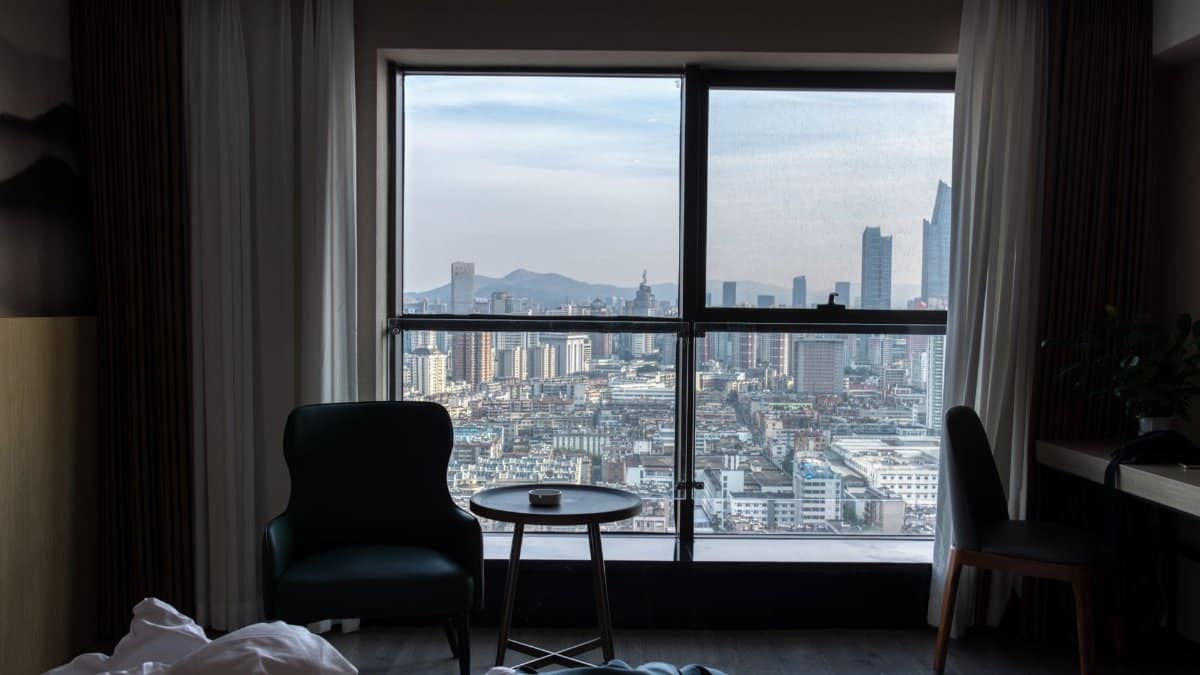
Spindletop sits high enough that Houston looks orderly from it. Freeways become ribbons. Towers catch the last light and then the first neon. A revolving floor does something subtle to conversation. People stop mid sentence to watch a building slide past, then pick up the thread as if the city had politely interrupted. That old trick is the quiet asset of the holiday takeover. Guests are not only buying a theme. They are buying a moving frame for it.
The temporary dressing matters because the architecture already knows how to perform. Add lights, a playlist pitched toward recognition, and a crowd that arrived ready to be seen, and the room does half the work. What changes is the social contract. On an ordinary night this is a place for a slow drink and a view. For these weeks it is closer to a set, with guests cast as both audience and extras.
Admission and what the ticket actually buys
General admission is listed at $30, a figure that will strike some readers as modest and others as a cover charge for walking into December. The number is worth pausing on because it reveals the business model. The ticket is not the whole evening. It is the key. Once inside, themed cocktails, photos, and the ordinary math of a rooftop bar take over. A couple who treat the visit as a single drink and a picture may leave feeling they got the show. A table that stays for a second round will spend in the register of a proper night out.
Mariah Carey’s Holiday Bar, in that sense, sells permission more than a fixed menu of memories. The permission is to be in the themed room during its short life, to say you went, and to carry a picture that proves it. Hospitality brands have learned that scarcity does as much selling as sparkle. A closing date concentrates demand. People who might drift past a permanent lounge will book a night they fear they will miss.
Cocktails as costume
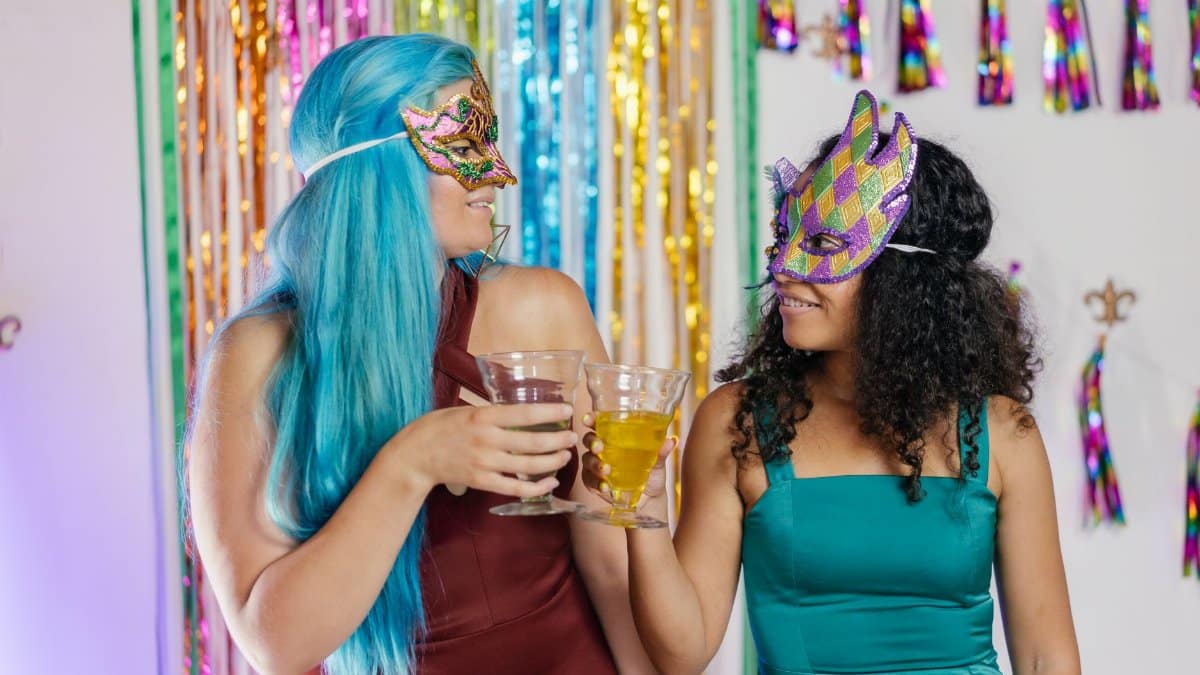
Themed cocktails are the edible part of the costume. A holiday bar does not need to invent a new theory of spirits. It needs drinks that photograph, taste like the season without tasting like a candle, and give servers a line they can deliver without embarrassment. Color, garnish, and a name guests can repeat at the table do more social work than obscure technique. The glass becomes a prop. The first sip is a small ceremony.
There is a craft question hiding in the glitter. Houston has spent the past decade building a serious bar culture, with rooms that care about ice, citrus, and restraint. A celebrity holiday installation does not have to meet that standard to succeed, and pretending otherwise flatters nobody. The fair test is narrower. Are the drinks pleasant, fairly poured, and honest about what they are? If the answer is yes, the theme can be fun without becoming a trick. If the answer is no, the view will not save the check.
Cameras, mirrors, and the holiday pose
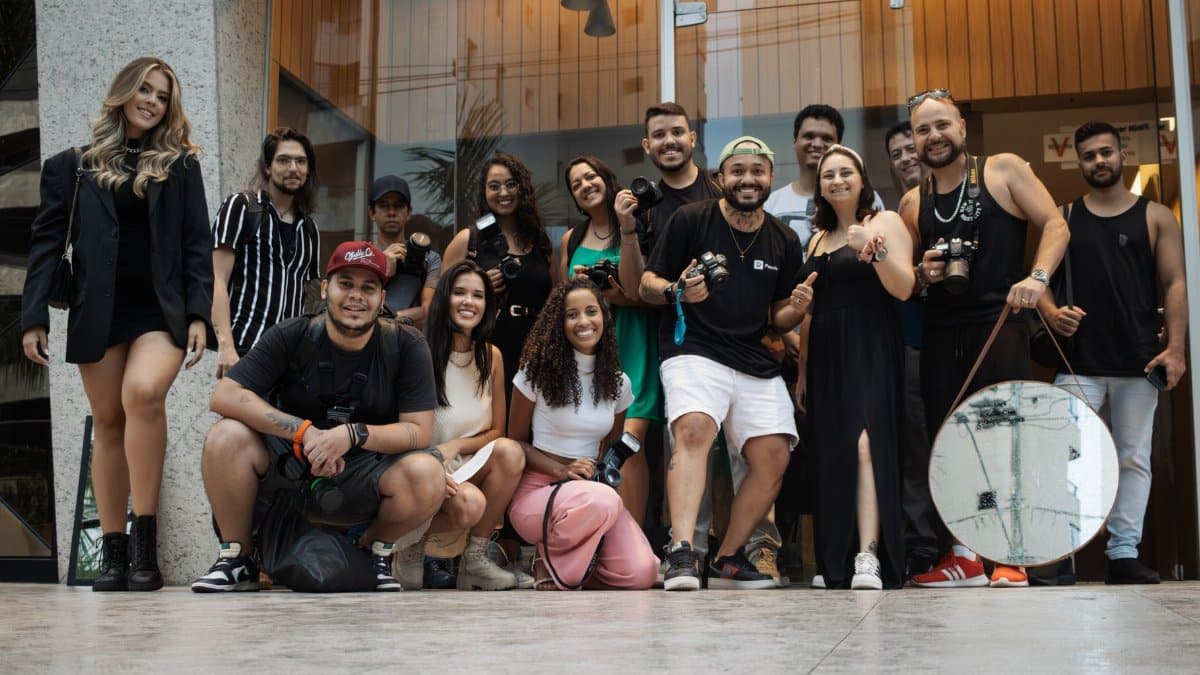
Photo ops are not a side dish here. They are a main course. A corner with flattering light, a bit of signage, maybe a prop that reads instantly on a phone screen, turns private pleasure into public proof. Middle aged guests are not immune to that urge, even if they joke about it. The holiday card has simply moved. It now lives in a group text, a feed, or a frame on a desk in January.
The pose has a cost. Rooms designed first for cameras can feel thin once the shutter closes. The best versions leave something for the eye that is not performing: a window, a conversation that lasts longer than a caption, a drink worth finishing after the picture is taken. Spindletop has that advantage built in. The skyline does not need a filter. It also does not wait. While a group arranges itself, the floor keeps turning, which is either charming or mildly chaotic, depending on how attached you are to a perfect background.
A city that treats December as a season of rooms
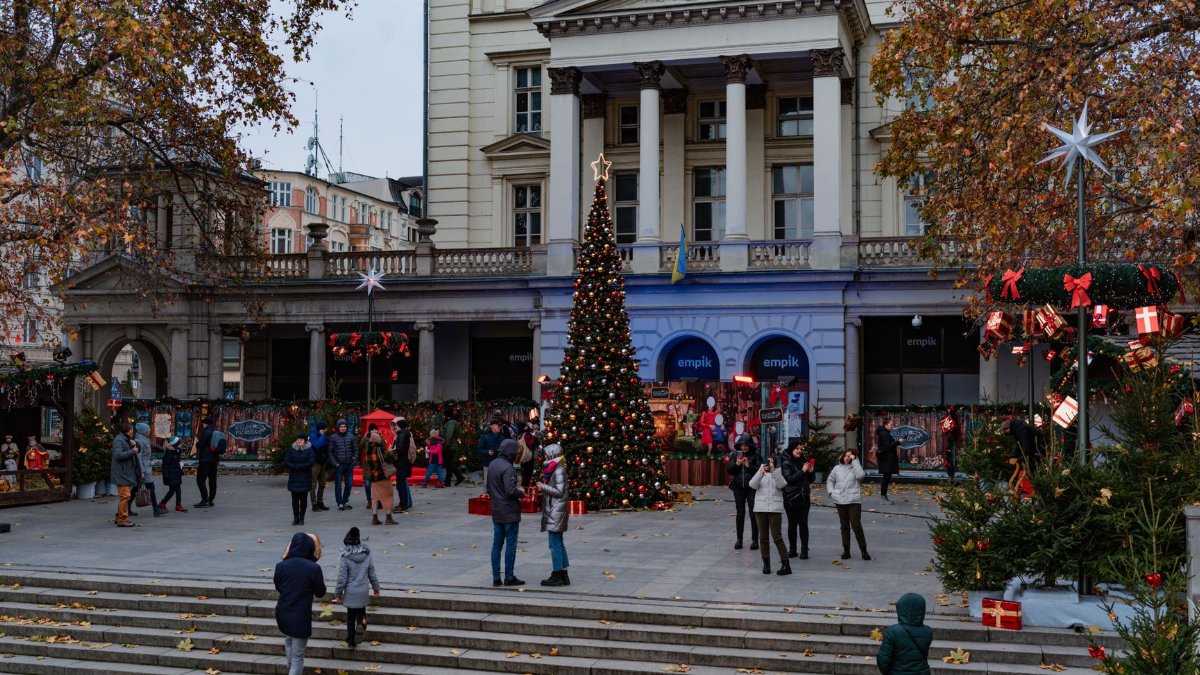
Houston does not get the postcard winter that northern cities sell. The air can be mild. The light stays generous. In place of snow, the city builds interiors. Hotel lobbies, museum courtyards, pop up markets, church halls, and rooftop lounges become the weather. People drive across town for an atmosphere they cannot get from a thermostat. That habit explains why a branded holiday bar can land here without looking like a mismatch. The product is not cold. The product is gathering.
There is also a civic tenderness in the habit, easy to miss if you only count the spending. December asks people to account for the year. Some do it in sanctuaries. Some do it at long tables. Some do it with a ridiculous cocktail and a friend they have not seen since summer. A revolving bar dressed for the season will not replace those older rooms. It can sit beside them as one more place where the calendar becomes visible.
Spindletop and the old promise of the view

The name Spindletop carries oil country history even if most guests arrive thinking only of the skyline. A landmark room accumulates meanings the way a favorite coat accumulates evenings. Regulars remember proposals, client dinners, rainy nights when the windows fogged and the city vanished. A holiday installation lays a new memory on top of those older ones. That layering is not vandalism. It is how public rooms stay alive. They rent themselves to the present without erasing the past.
Still, regulars have a right to feel a small grief. The bar they know has been borrowed. Staff rhythms change. The soundtrack gets louder. Strangers arrive in sequins on a Tuesday. None of that is a moral failing. It is the bargain of a hotel that must keep its signature space earning. The question for management, after the tinsel comes down, is whether the room still feels like itself. A good temporary show leaves the bones intact.
When a famous name rents the night
Celebrity branding in hospitality is a strange rental. The star is usually elsewhere. What arrives is a licensed mood: a palette, a playlist logic, a set of expectations guests bring in their own heads. Mariah Carey’s Holiday Bar works because those expectations are unusually specific. People do not need a briefing. They know the joke, the anthem, the wink. The name does the advertising before the elevator doors open.
That efficiency has a shadow. A famous name can paper over a thin experience, at least for the first wave of visitors. Curiosity is a finite fuel. If the room is only a logo with a cover charge, word travels, and Houston is a talkative city. If the staff are kind, the drinks are sound, and the view is allowed to remain the star it already was, the brand becomes a reason to book rather than the whole story. Guests can enjoy the costume and still notice the architecture underneath it.
Who feels welcome and who feels priced out
Thirty dollars at the door is not a fortune in a downtown hotel, and it is not nothing. Add parking, a drink, a shared plate, and a tip, and the evening climbs into territory that excludes plenty of households without announcing the exclusion. Holiday marketing loves the language of everyone. Rooms with covers tell a more precise truth. They are for people who can treat spectacle as a discretionary purchase.
Welcome is also a matter of tone. A theme built on glamour can feel like a costume party or like a test. The difference is usually human. A host who explains the flow without condescension, a bartender who does not rush the undecided, a photo setup that does not mock anyone who wants a simple picture with a partner: these are small courtesies, and they decide whether the night feels festive or hierarchical. Eleganza, to borrow the mood the branding implies, should be an invitation to play, not a velvet rope around ordinary joy.
How long the lights stay on
The run continues through Jan. 3, which is a telling endpoint. The holiday does not stop at midnight on the 25th for the hospitality trade. Travelers linger. Families extend visits. Offices reopen slowly. A bar that stays dressed into the first days of the new year catches the afterglow, the people who wanted the season and missed the peak, and the ones who prefer a quieter crowd once the frantic weekends pass.
Scarcity still governs. Mariah Carey’s Holiday Bar is not pitching itself as a new civic institution. It is a chapter with a last page. That honesty is part of the appeal and part of the pressure. Guests who wait for a perfect night may find the calendar gone. Guests who go early may meet a room still learning its own choreography. Either way, the temporary nature keeps the promise modest. Come while it is here. Do not expect it to become the permanent face of the roof.
What remains after the playlist ends
I have stood in enough December lobbies to know the difference between a room that is decorated and a room that is selling a feeling. The selling is not a scandal. Cities run on evenings people choose to spend together. What lingers, after the playlist ends and the cover charge is a line on a statement, is whether anyone was treated well and whether the view still astonished. Those are old standards. A celebrity theme does not repeal them.
For readers deciding whether to go, the useful frame is simple. This is a short engagement at a famous height, priced first as admission and then as a bar night, built for photos and for drinks that wear the season on their sleeves. It will delight people who like a little theater with their skyline. It will bore people who wanted only the old Spindletop hush. Both reactions can be correct. Houston has room for the hush and for the show, sometimes in the same circle of glass, a few weeks apart.