
On a weekday afternoon in a Minneapolis liquor store, a clerk still gestures toward a cooler of canned drinks that promise a mild lift without a dispensary visit. Shoppers treat the cans like beer. They compare flavors, check serving size, and assume the law that put them on the shelf will keep them there. That assumption is now shaky. A hemp-derived THC ban written into federal law is set to take effect Dec. 11, and retailers who spent years building this aisle are trying to read a statute that may empty it. The cans look ordinary. The legal status behind them does not.
What Congress changed and when it lands

The coming restriction does not outlaw the cannabis plant in states that already license it. It targets intoxicating products made from hemp, the low THC cousin of marijuana that Congress legalized in the 2018 Farm Bill. Under that older law, hemp could contain no more than 0.3 percent delta 9 THC by dry weight. Manufacturers learned to stay inside that number while still selling gummies, seltzers, and vapes that could intoxicate a person. Lawmakers have now moved to close that opening. The hemp-derived THC ban is meant to pull those products out of ordinary retail, including liquor stores, convenience shops, and online sellers that never held a cannabis license, once Dec. 11 arrives.
The change is easy to miss because it sits inside a definition rather than a headline crime. Hemp remains a legal crop for fiber, grain, and other non intoxicating uses. What Congress is withdrawing is the commercial permission slip that let finished goods deliver a high while still calling themselves hemp. For anyone who only encountered the category as a can beside the hard seltzer, the shift will feel sudden. For anyone who followed the statute, it is the end of a loophole that was always narrower than the marketing suggested.
Why liquor stores in Minnesota are stuck in the middle
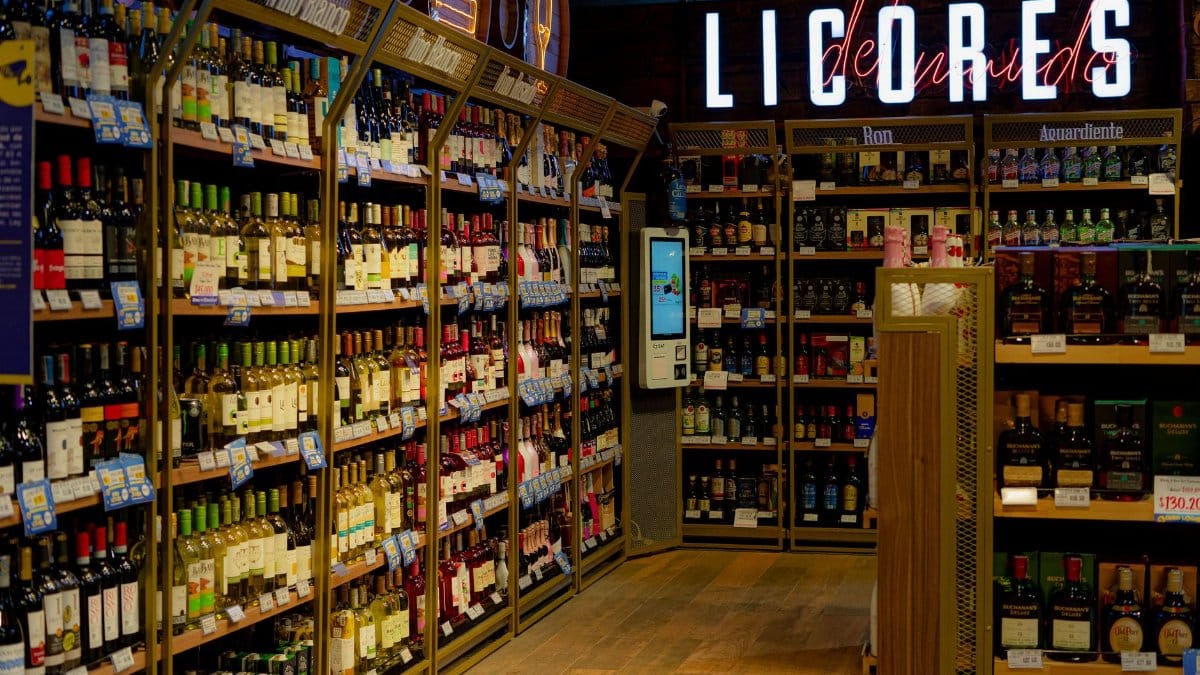
Minnesota is a useful place to watch the collision. The state built one of the country’s more open markets for lower dose hemp drinks, and many of those drinks are sold beside wine rather than behind a dispensary counter. Store owners say customers came for convenience and for a product that felt closer to a cocktail than to a joint. Gummies traveled the same path, often in jars that looked like candy until a buyer read the milligrams. A sudden federal cutoff leaves inventory, labeling, and supplier contracts in limbo.
Some buyers have already asked whether remaining stock can be sold through the deadline or must come off the floor sooner. The honest answer, several retailers say, is that lawyers are still parsing the text. A liquor license was never a cannabis license. It was a permission to sell alcohol, later stretched by state hemp rules into a side business in THC drinks. If federal law now treats those drinks as something other than lawful hemp, the cooler does not get a grace period just because the cans were ordered in good faith. That is the uncertainty keeping managers up at night.
Dispensaries are not the same business
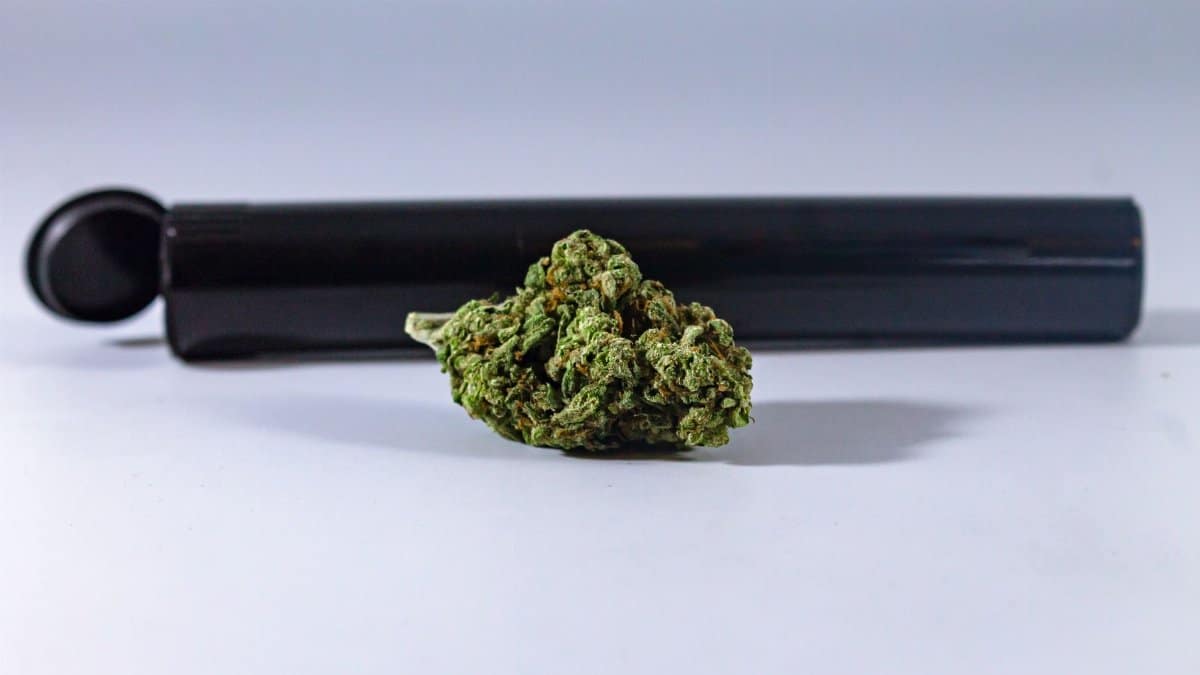
Licensed cannabis dispensaries operate under state marijuana rules, not under the hemp definition Congress is tightening. In Minnesota, adult use cannabis has its own licensing track, testing rules, and tax structure. Those shops are expected to keep selling cannabis flower, concentrates, and edibles that meet state standards. The federal change is aimed at hemp products that slipped into mainstream retail. That split is why a drink in a liquor cooler and a similar gummy in a dispensary can face different futures even if both contain THC.
For shoppers, the distinction is easy to miss. For regulators, it is the whole point. A dispensary customer shows identification, buys from a tracked inventory, and pays a cannabis tax. A liquor store customer may grab a hemp seltzer with the same casualness as a six pack. Lawmakers who backed the restriction argue that those two transactions should not be treated as equivalent. Critics answer that the molecule does not care which door the buyer used. Both observations can sit side by side. Only one of them is about to be written into the shelf space.
How a farm law became a beverage aisle
The 2018 Farm Bill was written to help farmers grow hemp for fiber, grain, and non intoxicating CBD. It was not written as a national intoxicant statute. Once delta 9 limits were measured by dry weight, companies found room to infuse drinks and edibles with THC derived from hemp, or to sell isomers such as delta 8 that the statute did not name with precision. Convenience stores, liquor shops, and online sellers moved faster than federal agencies.
The Food and Drug Administration has long warned that many of these products are not approved as food or supplements and that labeling can be unreliable. Congress is now using statute, rather than agency guidance alone, to shut the commercial path. That choice matters. Guidance can be ignored, delayed, or litigated into a shrug. A changed definition, tied to a date, forces distributors to decide whether a product is still something they are willing to truck across state lines. In retail, the truck often matters more than the press release.
Drinks and gummies that rewrote the map

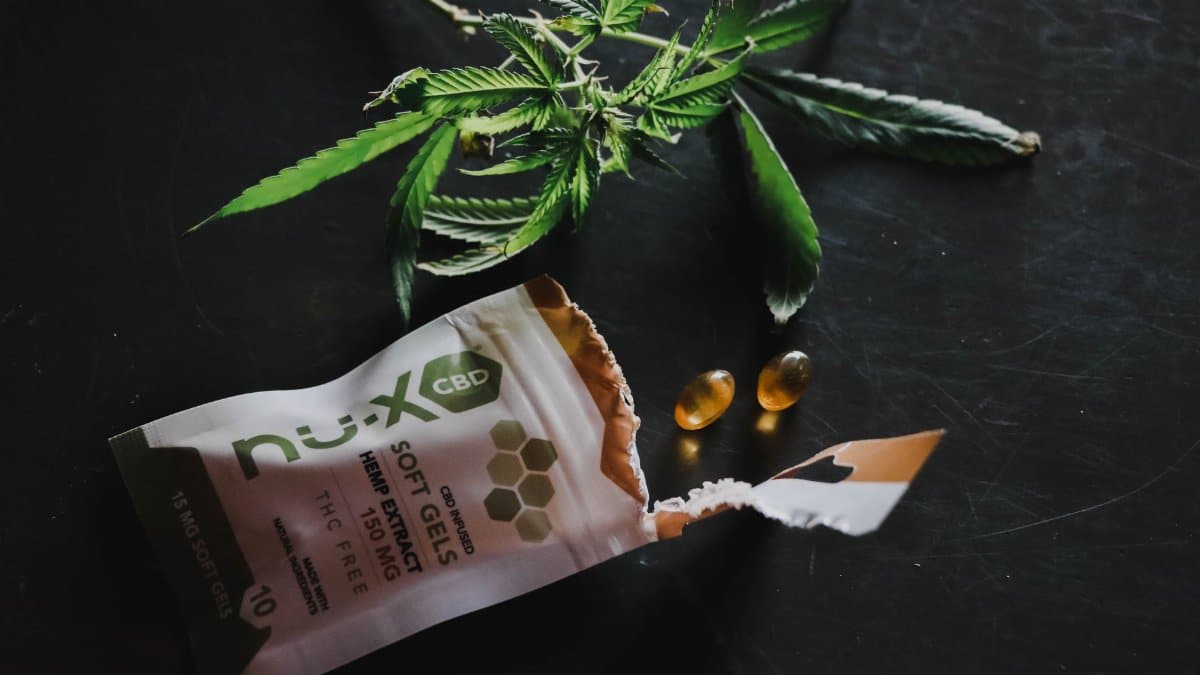
The products that made the loophole visible were not obscure extracts. They were five milligram seltzers, fruit gummies, and chews sold as sleep aids, all packaged with bright cans and dosage charts. Trade groups argue that a regulated low dose market reduced demand for illicit flower and gave adults a measured alternative to alcohol. Public health groups counter that the same products reached minors, varied wildly in potency, and arrived without the testing burden placed on state cannabis.
Both claims can be true in different zip codes. What is harder to dispute is the scale. Hemp intoxicants became a national retail category in a few years, and that speed is what finally drew a legislative response. A farmer growing hemp for hurd and fiber did not build this aisle. A beverage formulator did, using a crop definition as a doorway into places cannabis licenses could not reach. The doorway is what Dec. 11 is designed to close.
The health debate without the slogans
Supporters of the crackdown describe a market that outran science. Hospitals and poison centers have fielded cases involving unexpected intoxication, especially when people stack hemp drinks with alcohol or mistake a potent gummy for ordinary candy. Critics of a blanket cutoff say a prohibition in ordinary stores will not erase demand. It may push buyers toward unregulated websites or toward state dispensaries that not every town has.
Neither side owns a single national dataset that settles the argument, and this article will not pretend otherwise. What readers can hold onto is narrower. Dose, age gates, and lab testing matter more than the plant’s marketing story, and those safeguards have been uneven outside licensed cannabis systems. A five milligram drink sipped slowly is not the same event as a mislabeled gummy eaten by a teenager. Policy that treats every hemp intoxicant as identical will feel blunt. Policy that ignored the blunt cases is how the aisle grew this large.
Ritual, calm, and what people thought they were buying

Some customers did not come for a party. They came for an evening wind down, a substitute for wine, or a small ritual after work. Wellness brands leaned into that language, sometimes harder than the chemistry justified. A policy change will not referee those private habits. It will change where a legal product can sit.
People who used hemp drinks as a gentler intoxicant will have to decide whether a dispensary, abstinence, or something else fits their life. That is a personal question, and it belongs to the buyer, not to a slogan on a can. The legal question is blunter. After the deadline, the corner store version of that ritual is what Congress intends to end. Calling a product calming does not keep it inside a farm definition once lawmakers decide the effect, not the crop story, is what counts.
What retailers can still do before Dec. 11

Between now and the effective date, stores are taking inventory in the most literal sense. They are asking suppliers whether formulas will be reformulated around non intoxicating cannabinoids such as CBD, pulled from the market, or redirected into state cannabis channels that can legally hold intoxicating THC. Some chains may discount remaining hemp drinks rather than risk unsold cases. Others may wait for enforcement guidance from federal and state agencies, because a statute and a seizure are not the same event on day one.
Waiting is a strategy with a cost. Product that cannot be sold after the date becomes a loss, and contracts written under the old hemp definition may not survive a rewrite. Staff training matters too. A clerk who tells a customer that nothing is changing, because the can is still on the shelf in early December, may be describing inventory rather than law. Clear signs, honest answers, and a plan for returns will do more for a store’s reputation than a last week fire sale that implies the rules are optional.
What shoppers should read on the label

Until the rule lands, the practical advice is ordinary and unglamorous. Check the cannabinoid, the milligrams per serving, and whether the seller is a liquor store, a hemp shop, or a state licensed dispensary. Those channels are about to diverge. A product that is legal to sell in early December may not be legal to sell after the date if it depends on the hemp definition Congress is closing.
Buyers should also be wary of online claims that a ban can be dodged with a new acronym or a slightly different isomer. If a product is intoxicating and derived from hemp, it is the kind of item the hemp-derived THC ban is written to reach. Renaming a molecule is not a business plan, and it is not a guarantee for the person who drinks it. Age still matters. So does the rest of the evening. Mixing unfamiliar THC with alcohol is a bad experiment whether the can came from a cooler or a website.
Enforcement will not look the same in every state

Federal language does not automatically staff every local health department. States that already regulate hemp drinks, including Minnesota, will have to decide how their rules yield to the new federal definition. States that barely policed the category may see uneven compliance until a lawsuit, a warning letter, or a distributor decision forces the issue. Industry lawyers are already sketching challenges. Courts are slow, and the political mood in Congress has shifted toward restriction rather than a fresh expansion of hemp intoxicants.
For a store owner, the relevant forecast is not a distant argument in a federal courthouse. It is whether a wholesaler will still deliver the product in the week after Dec. 11, and whether a state inspector will treat a lingering jar of gummies as a paperwork issue or as unlawful stock. National headlines travel faster than enforcement memos. The gap between those two speeds is where confusion, and sometimes quiet noncompliance, usually lives.
The politics of a quiet provision

This was not a standalone cannabis bill with hearings in every chamber and a long public argument on the floor. It arrived inside broader federal legislation, which is how a technical definition can reorder a retail category with limited fanfare. Farm state members who once celebrated hemp as a crop are now separating industrial fiber from intoxicating finished goods. Cannabis entrepreneurs who spent years seeking legitimacy see a double standard. Dispensaries that followed strict rules remain open. Hemp sellers who used a farm statute to reach liquor aisles do not.
That double standard is not an accident. It is the design of the hemp-derived THC ban. Supporters call it a correction of a drafting error in 2018. Opponents call it Prohibition by appendix, enacted without the public fight a standalone ban would have required. Readers can reject both slogans and still see the mechanism. When Congress changes a definition, it changes a market. The lack of a dramatic floor speech does not make the cooler any less empty.
What remains unsettled after the date
Dec. 11 will not answer every question. It will not decide how quickly agencies publish guidance, how courts treat pending challenges, or whether a future Congress carves out a tested, age gated beverage category with its own tax and its own ID check. It will not tell a Minnesotan whether a favorite five milligram can returns under a cannabis license or disappears from legal sale. It will not settle whether gummies face sharper scrutiny than drinks, even if both depend on the same hemp pathway today.
It will tell liquor stores that the hemp path into their coolers is closing, and it will tell dispensaries that their license, not a farm definition, is the surviving route for intoxicating THC. Readers who want a simple victory speech will be disappointed. The useful summary is plainer. Hemp fiber can endure. Intoxicating finished goods in ordinary retail are what the hemp-derived THC ban is built to stop. Everything else, from lawsuits to reformulated cans to a quieter evening ritual, will be worked out by people who no longer get to pretend the old definition still covers the buzz.