
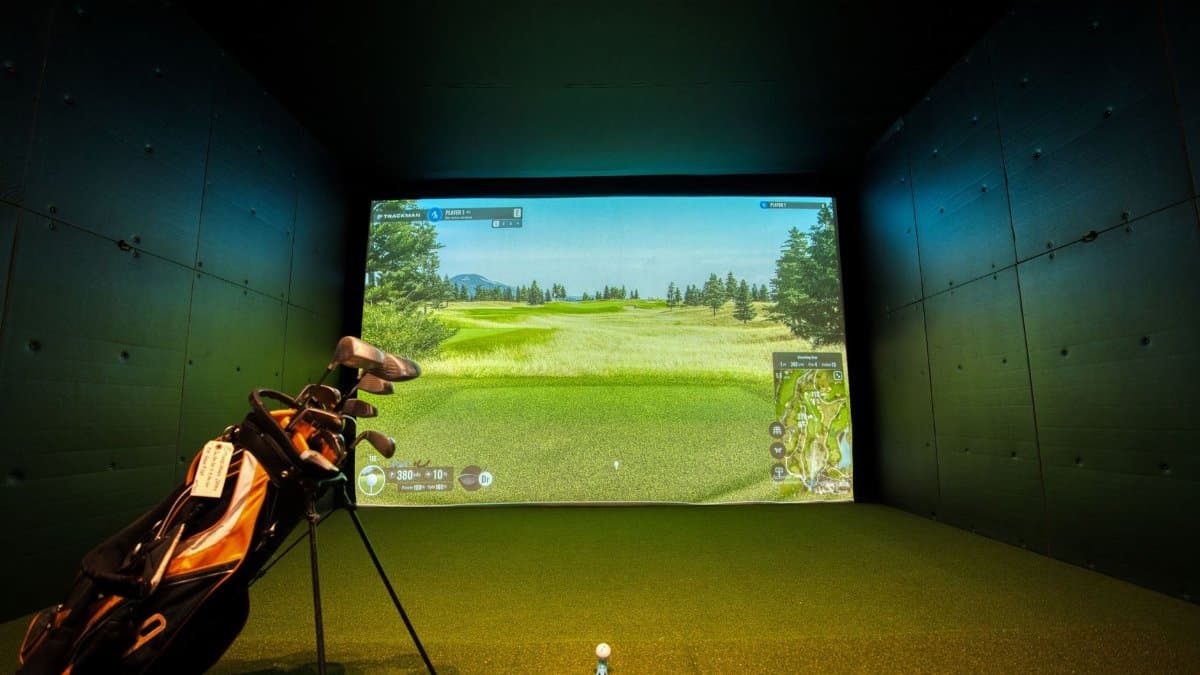
On a gray afternoon when the real fairways along the harbor are either frozen or reserved for people who planned months ahead, a new indoor room in South Boston is selling the idea that a decent golf swing can be built under fluorescent calm. Greenside Golf, a South Boston golf simulator club, has opened with six bays, cameras that track the club and the ball, a bar, and memberships that begin at $250 a month. The pitch is familiar to anyone who has watched indoor golf move from novelty to neighborhood habit. What feels newer is the confidence with which the operators describe the technology as a coach, not merely a screen.
A room built for the months when the course goes quiet
Boston golf has always had a calendar problem. The public tees fill up as soon as the ground thaws, private clubs keep long waiting lists, and a working person who wants a standing hour on the grass often discovers that the hour belongs to someone else. Indoor rooms do not solve the romance of an outdoor walk. They do solve the scheduling. Greenside arrives in a part of the city where warehouses, new apartments, and old neighborhood bars already share the same blocks. The club is betting that a golfer will cross town, or simply walk downstairs, for a bay that can be booked without watching the sky.
Six bays is not a stadium. It is a small business with a clear ceiling on how many swings it can sell in an evening. That limit may be the point. A room that feels full at the right hour can feel like a club. A room that feels empty can feel like a gadget store with turf on the floor. The early test is whether neighbors treat the place as a regular stop or as a curiosity they try once and describe to a friend.
What the cameras are being asked to prove

The South Boston golf simulator sells swing tracking as its main distinction. Cameras watch the club and the ball, then turn a motion that lasts less than a second into lines, numbers, and a replay a player can pause. In the best version of this idea, the screen is a mirror with a memory. A player who keeps coming back can see whether the path of the club is changing, whether the face is open, and whether a supposed fix from last month survived contact with a real ball.
Technology of this kind is easy to oversell. A camera can measure. It cannot decide what a particular body should do next, and it cannot feel the tension in a shoulder that has been sitting at a desk since morning. The honest claim is narrower. Repeated measurement, shown in the same room, under the same lights, can make practice less vague. Golfers have always argued in the car about what just happened on the range. A replay shortens that argument. It does not end the need for a teacher, a patient friend, or the humility to accept that the numbers and the feel may disagree.
Membership as the real product

A single hour in a bay is a transaction. A membership is a relationship, and that is where a simulator business either steadies or strains. At $250 a month, Greenside is asking for a sum that sits between a fancy gym and a modest country club meal plan. For some households that number is a serious leisure budget. For others it is the cost of not driving to a distant range, not losing balls in the woods, and not spending Saturday morning refreshing a tee sheet.
Regulars who join the South Boston golf simulator are buying time as much as technology. The question they should ask is simple. How many hours do I actually want, and can I get them when I want them? Six bays can serve a loyal core. They cannot serve an unlimited crowd at 6 p.m. on a Thursday. A fair membership spells out booking windows, guest rules, and what happens when the room is full. A vague membership sells atmosphere and hopes the calendar works itself out.
The bar is not a side note
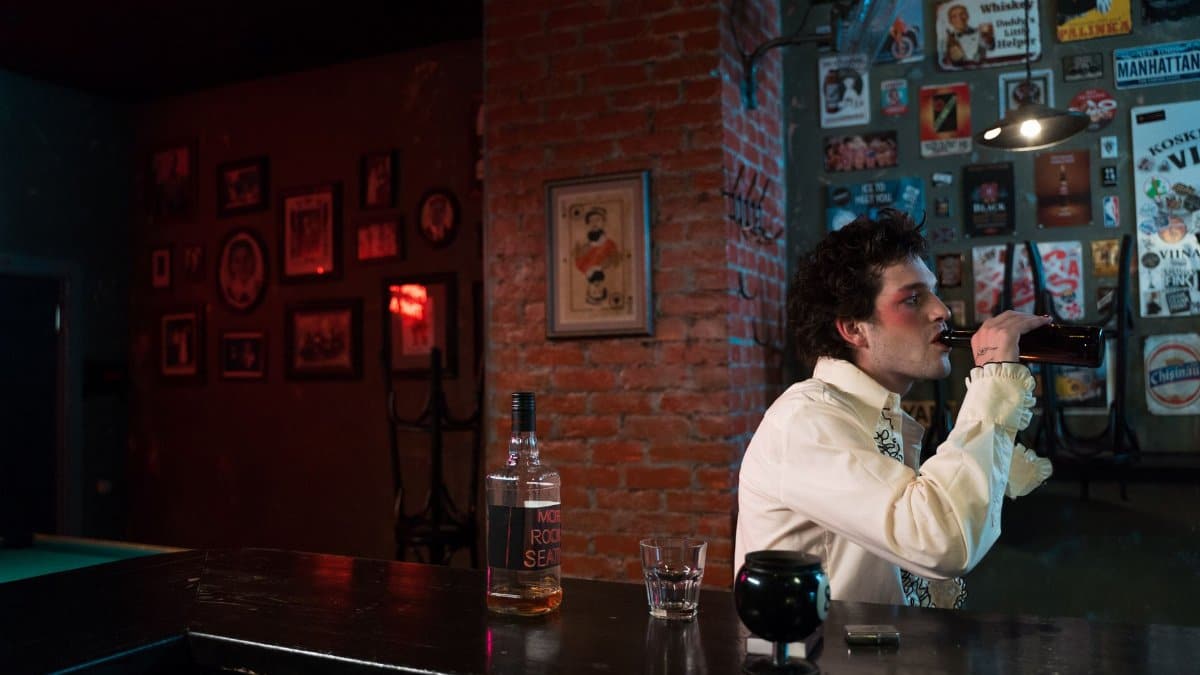
Simulator clubs have learned that golf alone is a narrow evening. A bar widens it. People who do not swing can still meet the people who do. A round that ends badly can end with a conversation instead of a silent walk to the car. Drinks also change the math. Turf, screens, cameras, and rent are fixed costs. A pour of beer or a zero proof drink is a second ticket on the same visit.
There is a balance to keep. A room that becomes only a bar with a golf theme will annoy the members who came to work on a slice. A room that forbids easy talk will feel like a lab. The operators will learn, week by week, whether the stools fill before the bays do, and whether that is a problem or a gift. Neighborhood businesses survive on mixed use. A pure temple of sport is a harder rent to carry in a city this expensive.
Who is likely to show up

The early crowd at places like this is rarely one type. There is the serious amateur who already belongs to a club and wants winter reps. There is the beginner who is embarrassed on a public range and prefers a door that closes. There are coworkers who would rather compete for an hour than sit through another dinner where phones stay on the table. Parents and office workers have started treating the South Boston golf simulator as a standing appointment, the way an earlier generation treated a weekly tennis court or a bowling league.
That mix matters for the tone of the room. If the club speaks only to low handicaps, it will shrink its own market. If it speaks only to parties, the players who want quiet reps will leave. The cameras can serve both groups, but the soundtrack, the lighting, and the staff have to signal who is welcome in a given hour. A weekday morning and a Friday night should not feel like the same product.
Why indoor golf keeps finding new storefronts
The appeal is not mysterious. Outdoor golf asks for four hours, a car, decent weather, and often a partner who is free at the same time. A bay asks for less. A person can hit for forty minutes, see a number, and be home for dinner. In a city where leisure is sliced into small pieces, that compression is the luxury. The screen also flatters. A famous course can appear on a wall in South Boston without the airfare, the caddie, or the fear of holding up strangers.
None of this replaces the outdoor game, and the better operators do not pretend that it does. Wind, slope, and the long walk between shots are part of what golfers say they love, even when they complain about all three. The indoor room is a practice hall and a social hall. Judged that way, it does not have to win a purity contest. Judged as a substitute for the sea breeze at a real links, it will always lose.
A Beacon Hill spa joins the same retail weather
The simulator is not the only new room selling a managed version of calm. On Beacon Hill, a spa has opened with thermal rooms, quiet memberships, and a promise that an hour away from the street can be scheduled as neatly as a meeting. The two businesses do not share a customer list, yet they share a theory of the city. People will pay a monthly sum to step into a designed environment where the variables are fewer: temperature, light, time, and a staff that knows their name.
Retail news in Boston often reads as a list of openings and closings. Under that list is a shift in what a storefront is for. Fewer new shops are betting only on objects a person carries home in a bag. More are betting on a repeat visit, a reserved hour, and a feeling that is hard to order online. A swing studio and a thermal room are different pleasures. Both are selling attendance.
What else is changing on the block

Around these flagship openings, smaller retail adjustments tell a related story. Independent shops are narrowing their inventories, leaning on appointments, and using the floor less as a warehouse and more as a place to talk. A home shop may keep fewer sofas on display and more fabric books for a scheduled consult. A neighborhood cafe may add a back table that can be reserved, because a reserved table is easier to staff than a line that surges and vanishes.
None of this is spiritual in the formal sense, yet it brushes a hunger that older retail ignored. People want a ritual that is not only consumption. They want a place where the same motion, or the same quiet, can be repeated until it becomes part of the week. A city that prices out casual wandering pushes that hunger indoors, behind a membership desk. The risk is exclusion. The opportunity is a main street that still has reasons to exist after the delivery vans have passed.
Questions worth asking before the second month

A first visit flatters almost any new club. The turf is clean, the staff is attentive, and the screen makes an average swing look cinematic. The second month is the real review. Members should notice whether booking stays easy, whether the cameras are explained without jargon, and whether a missed session can be moved without a penalty that feels like a trick. They should notice who is in the room and whether the bar crowds the bays or supports them.
They should also ask what the data is for. A swing file that stays inside the building is a coaching tool. A swing file that is shared, sold, or tied to a marketing list is something else. Cameras in a leisure business deserve the same plain questions people have learned to ask of other screens. Who keeps the images? How long? Can a member say no and still play? A club that answers those questions clearly will earn more trust than a club that only touts precision.
The limits of a perfect replay

There is a temptation, in any measured sport, to confuse a clear picture with a clear path. Golf punishes that confusion. Two players can share a number and need opposite advice. One needs to swing faster. Another needs to stop trying so hard that the faster swing never arrives. A South Boston golf simulator can show the difference. It cannot supply the judgment. That still belongs to a teacher, or to the slow education of playing often enough to recognize one’s own patterns.
The healthiest use of the room may be modest. Come often enough to see a trend. Leave before the session turns into a hunt for a perfect trace on a screen. Take one change outdoors when the weather allows, because turf under a roof and turf under wind are relatives, not twins. Players who treat the bay as a laboratory and the course as the exam will get more from both. Players who treat the bay as a verdict may only get frustrated in high definition.
A neighborhood test, not a gadget test
Greenside will be judged less on the brochure language of swing helping tech than on whether the block adopts it. South Boston has room for another evening plan, but it also has no shortage of places to spend $250. The club needs regulars who bring a friend, a teacher who is willing to work inside the bays, and a bar program that does not drown the reason people booked. It needs the cameras to be useful on a Wednesday, not only impressive on opening week.
Retail openings of this kind are easy to celebrate and easy to forget. The ones that last become part of how a neighborhood measures its weeks. If the South Boston golf simulator is still busy when the harbor paths are crowded again, the experiment will have done what a good local business does. It will have found a gap between the private club and the public tee, and filled it with something people are willing to repeat. The screens will matter. The welcome will matter more.