
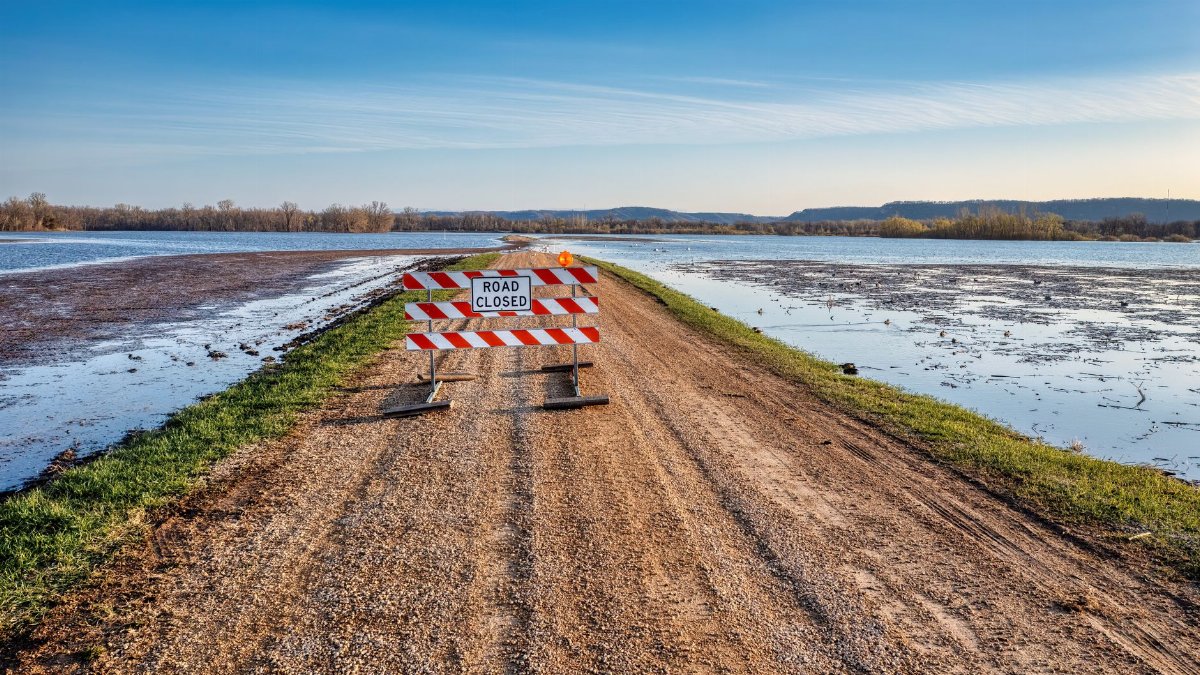
On a gray Sunday evening, brake lights stack along Webster Street as drivers learn, sometimes from a flashing sign and sometimes from a neighbor, that the old tunnel under the estuary will not open again until Friday. The Posey Tube closure is not a routine overnight repair. It is a planned week of absence, timed to king tides and an El Niño winter, meant to keep bay water from finding the low joints of a passage nearly a century old between Alameda and Oakland.
A week when the island loses its oldest road
For most of the year the Posey Tube is easy to forget. You drop below street level near the old estuary warehouses, the light changes, and a minute later you are in Oakland, blinking at the downtown grid. This week that short habit breaks. Caltrans plans to keep the tube closed from Sunday night through Friday so crews can seal vulnerable points before the highest tides of the season push against the portals. Reporting in the San Francisco Chronicle has framed the shutdown as flood prevention tied to king tides and El Niño, not as a surprise failure. That distinction matters. A planned shutdown is an inconvenience. An unplanned one, with water in the lanes, is a different kind of story.
Why this stretch of winter and not another
King tides are not a metaphor. They are the highest predicted tides of the year, produced when the moon is close and the sun and moon pull along the same line. The National Oceanic and Atmospheric Administration describes them as tides that can flood low streets even without a storm. El Niño adds a second worry. During those warmer Pacific episodes, coastal waters along California often sit higher than usual, and winter storms have a better chance of arriving on top of an already full bay. Put those forces together at a tunnel mouth that sits near sea level, and a transportation agency has a narrow choice: close early and work dry, or gamble on pumps and sandbags while traffic keeps moving. Caltrans is choosing the first option.
What the closure changes for daily life
The Posey Tube closure removes the main underwater route from Alameda toward Oakland for five weekdays of ordinary life, from school drop offs and hospital shifts to warehouse clocks and the last ferry missed. The island is not cut off. Bridges and the Webster Tube still tie it to the mainland. But a system built on two one way tubes does not simply swap directions without friction. A trip that once took eight quiet minutes can become twenty, then forty, if a backup forms at the remaining portal. Shops near the Alameda mouth will see less casual traffic. Bus riders will need to read the notices rather than assume the usual stop still works. The cost shows up as lost time, which is why it is so easy to resent and so easy to underestimate.
An old tube under a working harbor
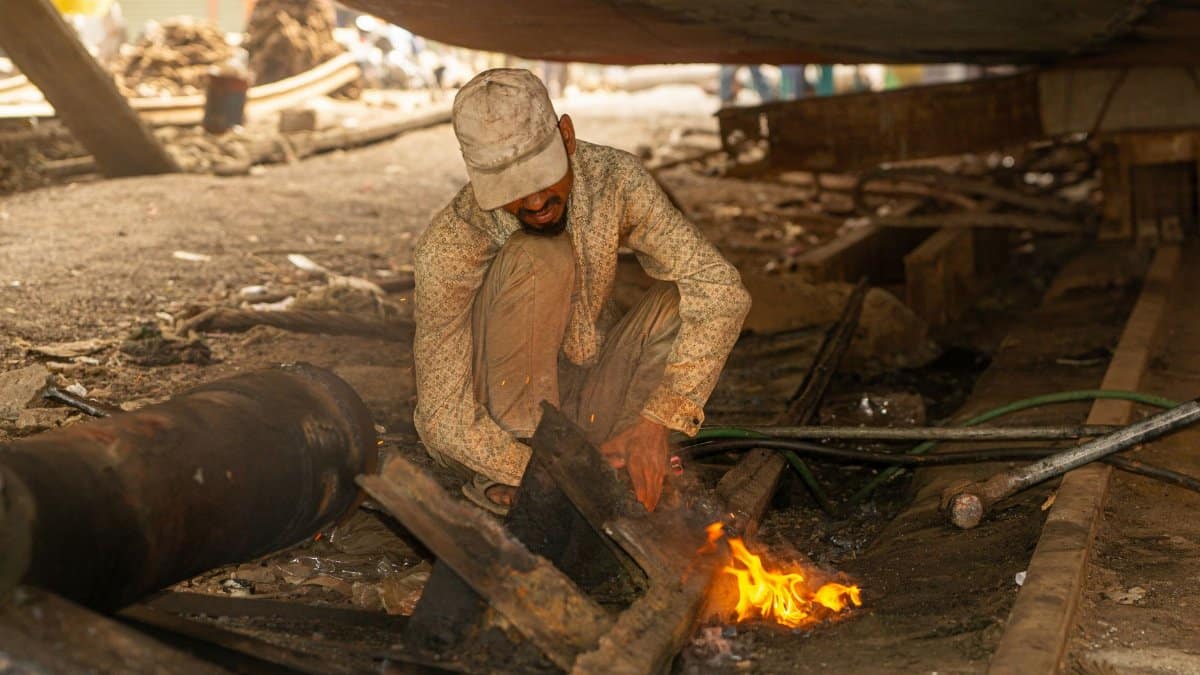
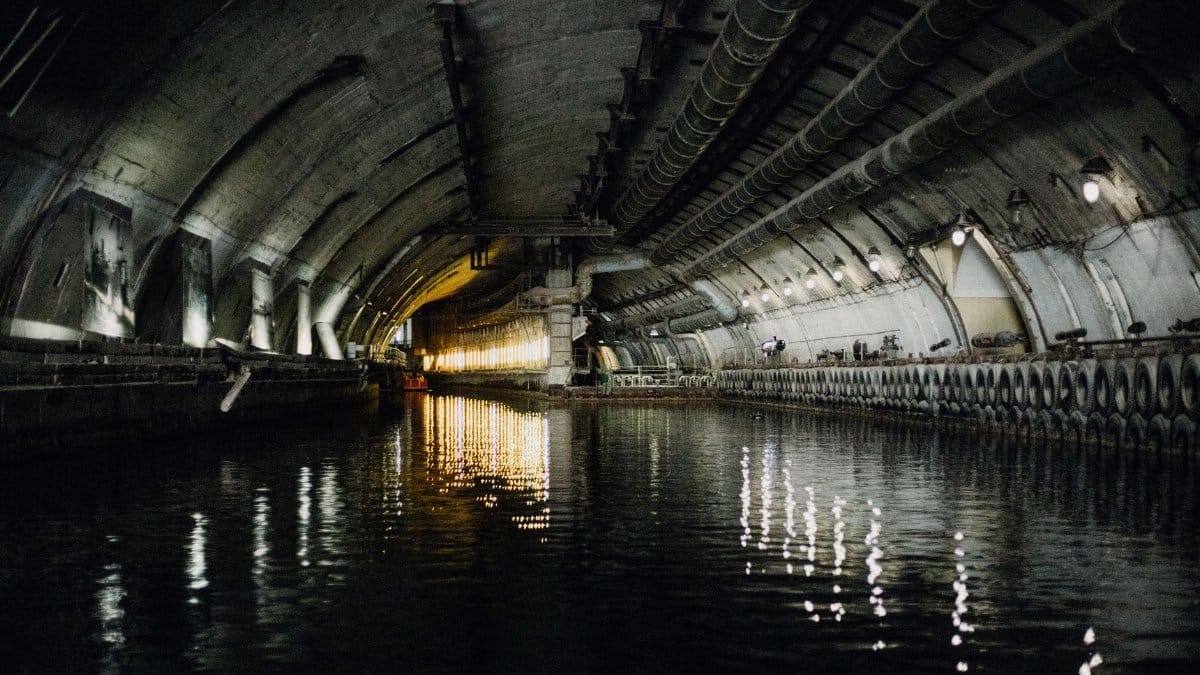
George Posey, the county surveyor whose name is on the concrete, pushed the crossing in an era when Alameda still felt more like its own city than a suburb of Oakland. The tube opened in 1928, years before the Bay Bridge, and it has carried cars and trucks under the estuary ever since. Drivers know the brief enclosure, the change in light, the climb back to daylight. Age is not the same thing as neglect. It does mean joints, drains, and electrical gear never designed for the water levels now printed on tide charts. A closure week is when that quiet work becomes visible. Crews can inspect seals, clear drains, and test pumps without a stream of headlights at their backs.
The Webster Tube is not a perfect spare
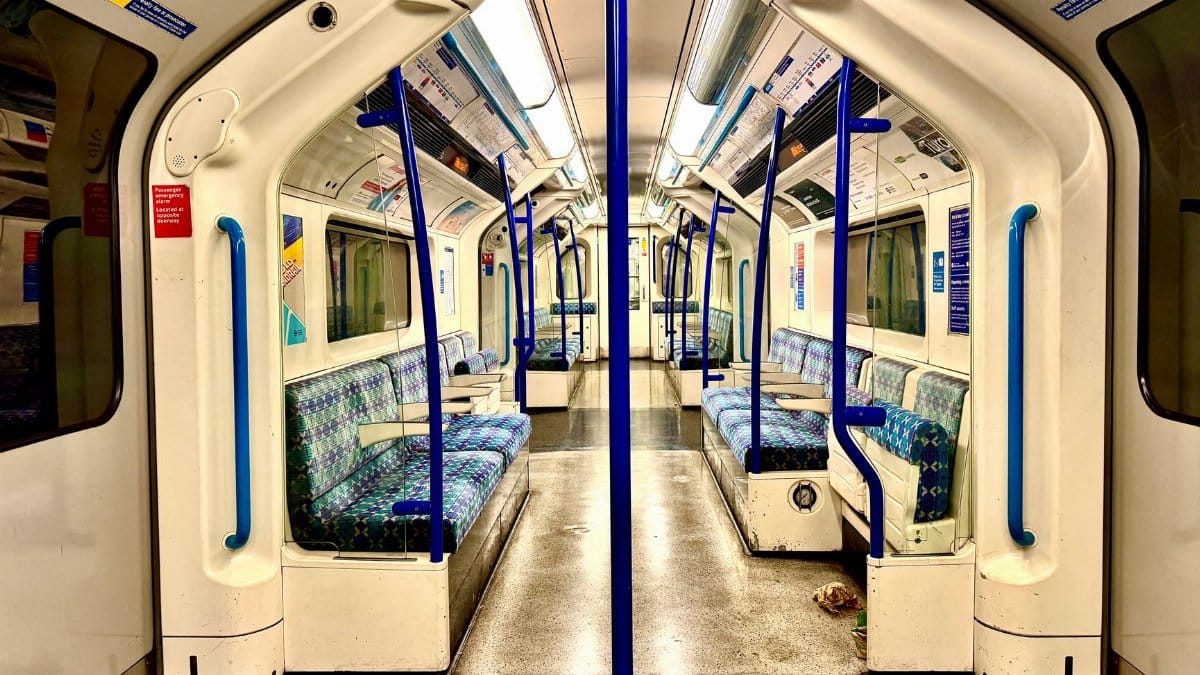
The Webster Tube, opened in 1963, is the newer sibling and the usual path back onto the island. During a Posey shutdown it becomes the pressure point. Demand that normally splits across two bores leans on one, or on surface streets and bridges never meant for a sudden surge. Officials can restage traffic only within the limits of geometry and safety. A tube is not a freeway with a wide shoulder. There is no casual place to stop if an engine dies at the bottom of the grade. That is why a flood prevention closure, however prudent, needs plain timing, tow coverage, and honest delay estimates. Hope is not a traffic plan.
How water actually reaches a tunnel
People picture a wave overtopping a portal like a broken levee. Sometimes that is the risk. More often the threat is quieter. High bay water backs up storm drains. Groundwater rises against old joints. A sump that handles a normal winter rain may fall behind when the tide already stands in the outfall. If the pumps lose power, or if debris clogs an intake, water collects in the low point where a driver meets it too late. Closing the tube lets workers reach those low points, confirm that backup pumps answer, and keep salt water away from gear that does not forgive a soaking. The Posey Tube closure is, in that sense, a mechanical decision as much as a traffic one.
What a flooded tube would cost beyond the commute
If water entered in force, the bill would not stop at a few closed hours. Salt water ruins wiring, attacks steel, and leaves a cleanup that can stretch for days. Transit agencies would scramble. Ambulances would lose a fast path between the island and Oakland hospitals. The estuary is a working waterway, with boats, yards, and fuel docks that already share a narrow edge with traffic. A disabled tube beside that edge is not only a commuter problem. It is a question of whether a low island city can count on its oldest road when the bay is fullest. Prevention is dull. It is also usually cheaper than recovery, a lesson highway districts keep relearning after fires, slides, and atmospheric rivers.
Sea level is no longer a distant chapter
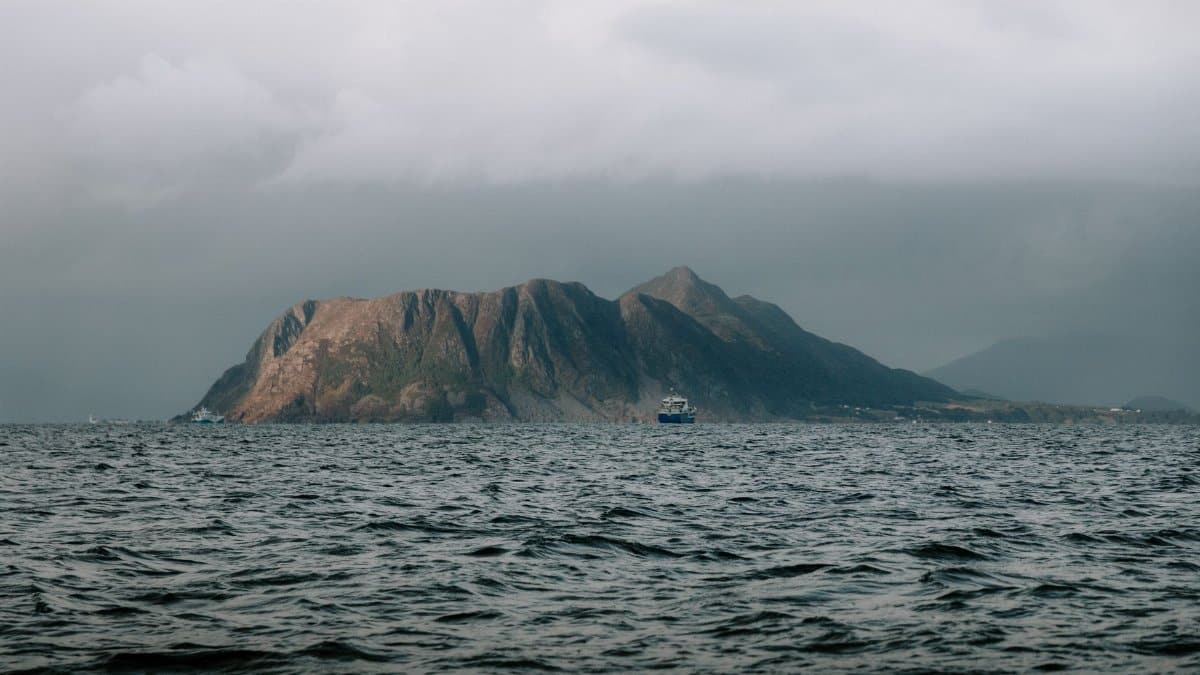
No one needs a lecture to notice that king tides now reach pavement that stayed dry a generation ago. Streets in Alameda and along the Oakland estuary already flood on clear days when the tide is high enough. Researchers at NOAA have been plain that sea level along this coast is rising, and that El Niño years can stack extra height on that trend. I will not pin a precise inch on this particular week, because forecasts move and local gauges differ. The direction is not in serious dispute. A tunnel finished in 1928 cannot migrate uphill. Its managers can raise defenses, improve pumps, and, when the calendar and the tide charts agree, take it offline before the water arrives.
How to get through the five days

Leave earlier than pride suggests. Check Caltrans notices and local transit alerts the night before, not in the queue. If a clinic visit or a shift can move off the peak, the remaining tube will be less miserable for everyone still in it. Some island residents will find that a walk to the ferry beats a car this week. The Posey Tube closure will land hardest on people who have no slack in the morning: hourly workers, parents with a hard start time, patients who cannot reschedule. Publishing the hours, the alternatives, and the reason in plain language is the least the agencies owe them. A red light is a poor place to decode a vague alert.
The argument underneath the cones

There is a political habit of treating flood closures as isolated nuisances. They are also previews. Alameda sits low. The Oakland waterfront is being remade for parks, housing, and port work that all assume people can still get there. Every time crews shut an old tube to outrun a tide, the region gets another chance to ask whether two bores under an estuary will be enough for the next fifty years. A new crossing is not a sentence in a press release. It is money, permits, and years of argument. Nearer at hand, the work is plainer: stronger pumps, higher protection at the portals, power that stays on when the grid flickers, and contracts that schedule maintenance before the photo of a flooded lane.
When the lights come back on

Friday is the date on the plan, not a promise carved in stone. If the tides run higher than expected, or a seal fails a test, the closure should run long rather than reopen a wet tube to prove a point. If the work finishes clean, drivers will descend again and forget the week within a month. Forgetting is normal. It is also how deferred repair hides. The better memory is simpler. A region that lives with the bay has to treat high water as a schedule, not a surprise. The Posey Tube closure is one line on that schedule: a full week of absence so the next king tide meets pumps, seals, and a tunnel that can still do its quiet job.