
Before dawn on the Wednesday before Thanksgiving, the parking lots along Interstate 55 fill in layers. A minivan from Joliet idles beside a sedan with Michigan plates. Someone taps a phone for a live traffic map while a thermos steams on the console. That early quiet is the real start of Illinois Thanksgiving travel, a migration that looks ordinary until you add up the cars, the flights, and the train seats. The state is again sending millions of people toward family tables, even as grocery bills and fuel costs make the trip feel heavier than it did a few years ago.
How large the movement really is
AAA expects nearly 4.1 million Illinois residents to travel at least 50 miles from home for the holiday, a figure that sits close to the strongest years on record. The projection comes from the club’s annual Thanksgiving forecast, which tracks auto, air, bus, and rail trips across the country. Nationally, the same outlook points to one of the busiest holiday periods AAA has ever measured, with the great majority of travelers choosing to drive. Illinois sits in the middle of that pattern. Chicago is a hub for people leaving and for people arriving, and downstate cities add their own streams toward St. Louis, Indianapolis, and smaller towns where relatives still keep the same house.
Those numbers are not abstract. They show up as longer security lines at O’Hare and Midway, fuller Metra and Amtrak cars, and tollway volumes that spike on Wednesday afternoon and again on Sunday. Transportation planners treat the week as a stress test. For families, it is simply the price of being in the room when the turkey comes out.
Why people still leave home

Affordability is the constraint everyone mentions, and almost no one treats it as a reason to cancel. Interviews at stations and rest stops tend to sound the same. A daughter in Champaign says the plane ticket ate a weekend of overtime. A couple outside Peoria says they will skip a hotel and drive straight through. The decision is rarely about leisure. It is about parents who are older, children who have not been home since summer, and friends who only gather when the calendar forces it.
Economists who study holiday spending note that travel is one of the last cuts households make. People will trade down on gifts, choose a smaller bird, or bring a dish instead of buying wine, and still pay for the miles. That ranking helps explain why Illinois Thanksgiving travel can stay near peak levels while consumer confidence looks shaky. The trip is not a luxury add on. For many, it is the holiday.
Gas prices and the cost of the drive
Driving remains the default. AAA has long found that more than eight in ten Thanksgiving travelers go by car, and Illinois is no exception. The appeal is control. You leave when the last work email is sent. You stop for the dog. You do not pay for a checked bag full of pies.
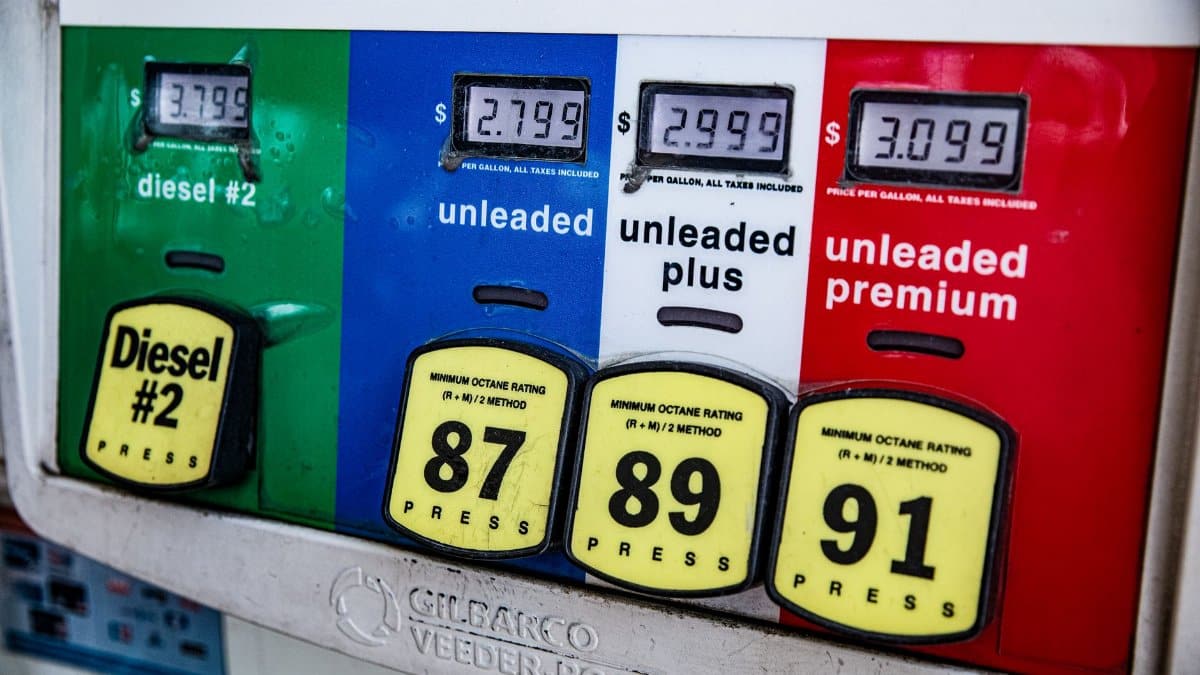
The bill at the pump is less forgiving. Prices in the Chicago metro area often run above the national average, and a round trip to southern Illinois or across the state line can add a noticeable sum once you count tolls and a meal on the road. Drivers respond in small ways. They leave before sunrise to avoid the worst congestion, which also saves fuel. They carpool with siblings. They compare stations on apps before they exit. None of that erases the increase. It only makes the increase survivable.
State transportation officials usually urge people to check conditions before they go and to build extra time into Wednesday and Sunday. The advice is plain because the risk is plain. Fatigue, speed, and impatience cause more holiday trouble than weather in a typical November. A slower departure is cheaper than a tow.
Airports, trains, and the people who cannot drive
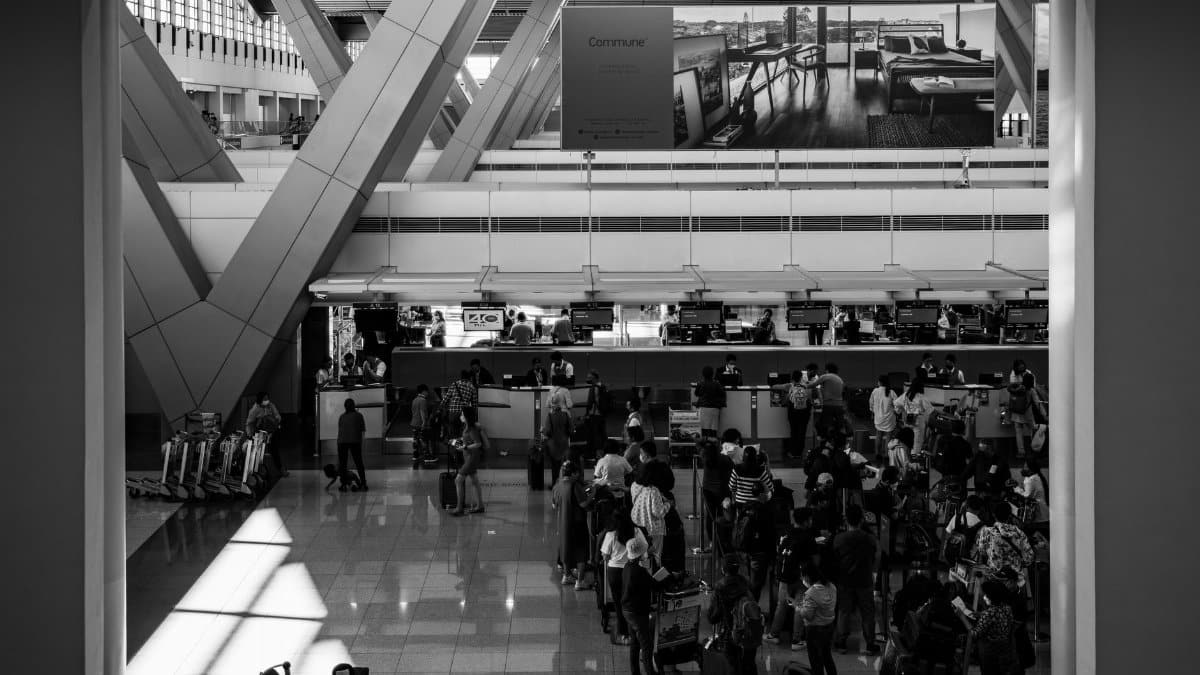
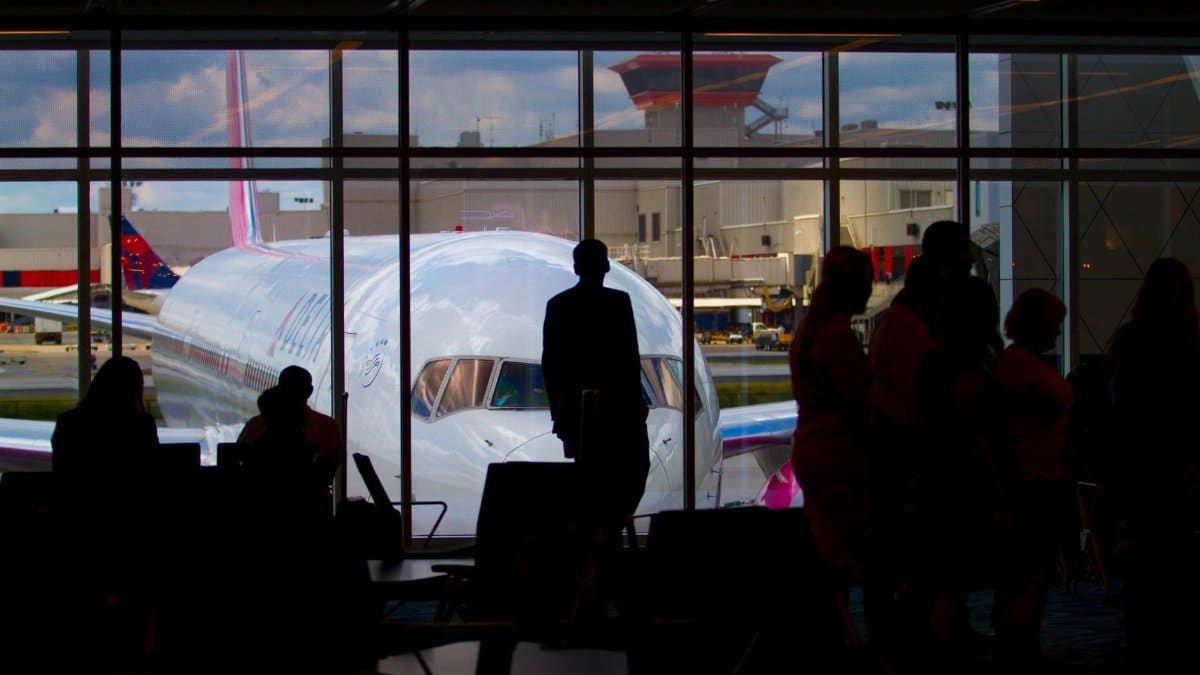
Not everyone has a car, and not every family lives within a long day’s drive. O’Hare remains one of the busiest Thanksgiving airports in the country, with banks of flights to warm weather cities and to smaller Midwest airports that fill with college students. Midway carries a large share of shorter hops. Delays stack quickly when a storm sits over the Great Lakes, so travelers who can shift a day earlier often do.
Rail is the quieter alternative. Amtrak corridors into Chicago see holiday loads that sell out on the most convenient times. Metra’s extra service on the days around Thanksgiving matters for people who live in the suburbs and fly out of the city, and for city residents heading to family in collar counties. For some riders, the train is not a preference. It is the only realistic way to arrive without asking a relative to lose half a day in traffic.
Airfares have cooled from the sharpest spikes of recent years, but they are not cheap on the peak travel days. Flexible workers who can fly on Tuesday or on the holiday itself still find better fares. Everyone else pays the Wednesday premium and hopes the connection holds.
Budgets at the table, not only on the road

The affordability squeeze does not end when the car is parked. Grocery costs for a traditional meal remain elevated compared with the years just before the pandemic, according to farm and retail price trackers that follow turkey, dairy, and produce. Hosts in Illinois describe a familiar set of adjustments. They ask guests to bring sides. They choose a smaller bird. They skip the extra dessert. The gathering stays. The shopping list shrinks.
That household math feeds back into travel plans. A family that spends more at the store may decide against a hotel on the way home and drive overnight instead. A traveler who paid more for a ticket may stay fewer nights. Illinois Thanksgiving travel, in other words, is not only a count of trips. It is a set of tradeoffs that show up in kitchens as clearly as they show up on highways.
Charities and food banks across the state also feel the week. Demand for holiday boxes tends to rise when rents and groceries take a larger share of paychecks. The same economic pressure that makes a tank of gas feel steep makes a donated meal more necessary for neighbors who are not traveling at all.
What the forecasts do and do not capture

AAA’s method, described in its Thanksgiving travel news release, combines economic data with historical patterns and surveys of intended trips. It is a strong guide to scale. It is not a promise about any single afternoon on the Dan Ryan or any single departure bank at O’Hare. Weather, a labor disruption, or a crash that closes lanes can rewrite the day even when the seasonal total looks calm.
Readers should treat round numbers with that humility. Nearly 4.1 million is a forecast, not a head count at the state line. Some of those trips are a short drive to a parent’s house in the next county. Some are cross country flights. Lumping them together is useful for planning. It can hide how different the experiences are. A nurse working a holiday shift and driving 40 miles after midnight is in the data. So is a retiree flying to see grandchildren. The statistic is the same. The stakes are not.
The spiritual weight people rarely put in a survey

Thanksgiving sits in a strange place in American life. It is a civic holiday with a religious aftertaste, a feast that many people approach with gratitude even when they do not attend a service. In Illinois, that mix is easy to see. Some families begin with a short prayer. Some skip the prayer and still talk about what they are thankful for, a ritual that functions like liturgy without the name. Others are simply glad to be off the road and in a warm room.
The travel itself carries some of that meaning. The inconvenience is part of the offering. People accept bad hours, cramped seats, and higher prices because presence matters more than comfort. That is not a slogan from a tourism board. It is what travelers say when you ask why they did not stay home and order takeout. In a season when many congregations also mark gratitude, the highway becomes an unofficial procession. No one organized it. Millions join it anyway.
There is a harder edge to that story. Not every trip is joyful. Some people drive toward arguments they would rather avoid, or toward empty chairs after a death in the past year. The forecast does not sort those journeys from the happy ones. A clear eyed look at Illinois Thanksgiving travel has to leave room for both.
Practical pressure points through the weekend
The worst road congestion in the Chicago area typically builds on Wednesday afternoon and returns on Sunday, with a smaller wave on Monday for people who stretched the visit. Downstate interstates see their own peaks, especially where college towns empty out. Leaving early, or leaving after the main wave, remains the most reliable way to cut time in traffic. It also reduces the chance of a fender bender in stop and go lanes.
At airports, the vulnerable moments are the first flights of the day after a storm and the last flights that still connect to smaller cities. A missed link on Wednesday night can mean a holiday spent in a terminal. Travelers who build a buffer, keep medications in a carry on, and share a live location with the person picking them up remove a little of that risk. None of this is new advice. It matters more when volumes sit near record highs and staff are already stretched.
For anyone watching a budget, the levers are limited but real. A different departure day, a shared ride, a packed meal instead of airport food, and a honest talk with hosts about what everyone can afford. The holiday does not require a perfect table. It requires people who decided the miles were worth it.
What stays steady when prices do not

Year to year, the details shift. Fuel rises or eases. Airfares twitch with demand. A mild week makes the drive feel easy, and an ice storm makes it feel reckless. The underlying choice in Illinois has been remarkably stable. People keep going. They complain about the cost, then they go anyway, because the alternative is a quieter house and a phone call that does not replace the room.
That stability is what the latest forecasts are really describing. Illinois Thanksgiving travel will again approach the high water mark, not because money is loose, but because the appointment on the calendar still outranks the appointment with a spreadsheet. Agencies will manage the peaks as well as they can. Families will manage the rest, one toll, one delayed flight, and one extra place setting at a time.