
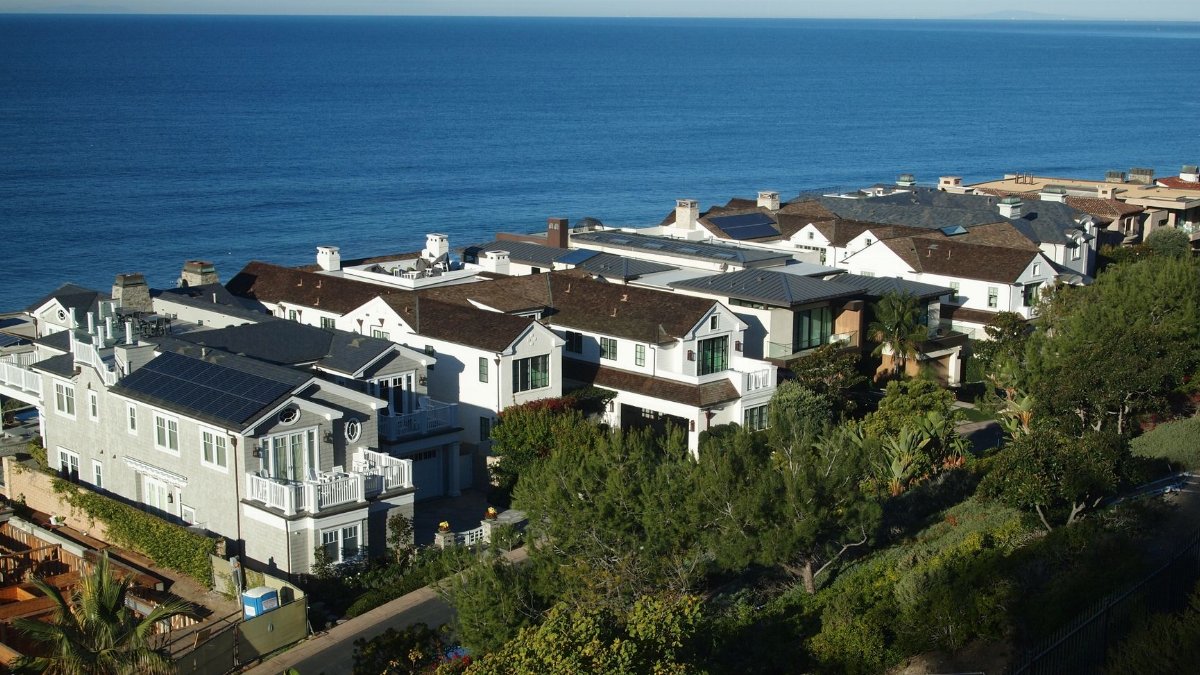
On a wet November morning in Pacifica, a homeowner stood where the lawn used to end and watched another slab of bluff fall into a gray Pacific. El Niño had stacked the swells higher than the neighbors remembered, and the insurance letter on the kitchen table no longer promised a renewal. Down the coast, similar scenes played out in mobile home parks, cliffside cottages, and streets that flood on a king tide even when the sky is clear. Into that unease, planners and legal scholars have revived a contested idea: a sea level rise buyout that would let the state purchase the most exposed homes and, in some versions, rent them back for a limited time. Gov. Gavin Newsom vetoed one such bill. The storms have made the argument feel less theoretical.
A shoreline that no longer waits

California has always lived with a restless ocean. What has changed is the pace. Tide gauges and satellite records assembled by federal ocean scientists show seas along much of the United States coast rising faster in recent decades than in the last century, a trend the National Oceanic and Atmospheric Administration tracks in its sea level resources. Warmer water expands. Melting ice adds volume. On the West Coast, El Niño years pile storm surge on top of that slow climb, so a single winter can do damage that used to take a decade of ordinary weather.
The California Coastal Commission has warned for years that armoring every bluff with rock and concrete only shifts erosion onto the public beach. Seawalls protect the house behind them and starve the sand in front. When the wall fails, the loss is sudden. Residents in places such as Del Mar, Imperial Beach, and parts of the San Francisco Bay shore already know the pattern: sandbags, emergency permits, a contractor who cannot come until next month, and a question that used to belong to the grandchildren.
What experts mean by retreat

Managed retreat is the unloved phrase in coastal policy. It means moving people and buildings away from hazards instead of pretending a higher wall will hold forever. A buyout is the tool that makes retreat possible for owners who cannot simply walk away from a mortgage. The public, usually through a mix of federal hazard grants and state or local funds, pays a fair price. The structure comes down, or in rarer designs stays up under strict limits. The land returns to open space, wetland, or a park that can flood without destroying a living room.
The Federal Emergency Management Agency has run voluntary buyouts after river floods for decades, documented through its hazard mitigation programs. Those inland programs are imperfect. They move slowly. Appraisals lag the market. Some neighbors sell and some refuse, leaving a checkerboard of vacant lots and occupied houses. Still, they offer a precedent California coastal towns have been slow to copy, in part because oceanfront land is so valuable and in part because retreat sounds like surrender in a state that built its identity on the edge of the continent.
The rent back proposal Sacramento rejected
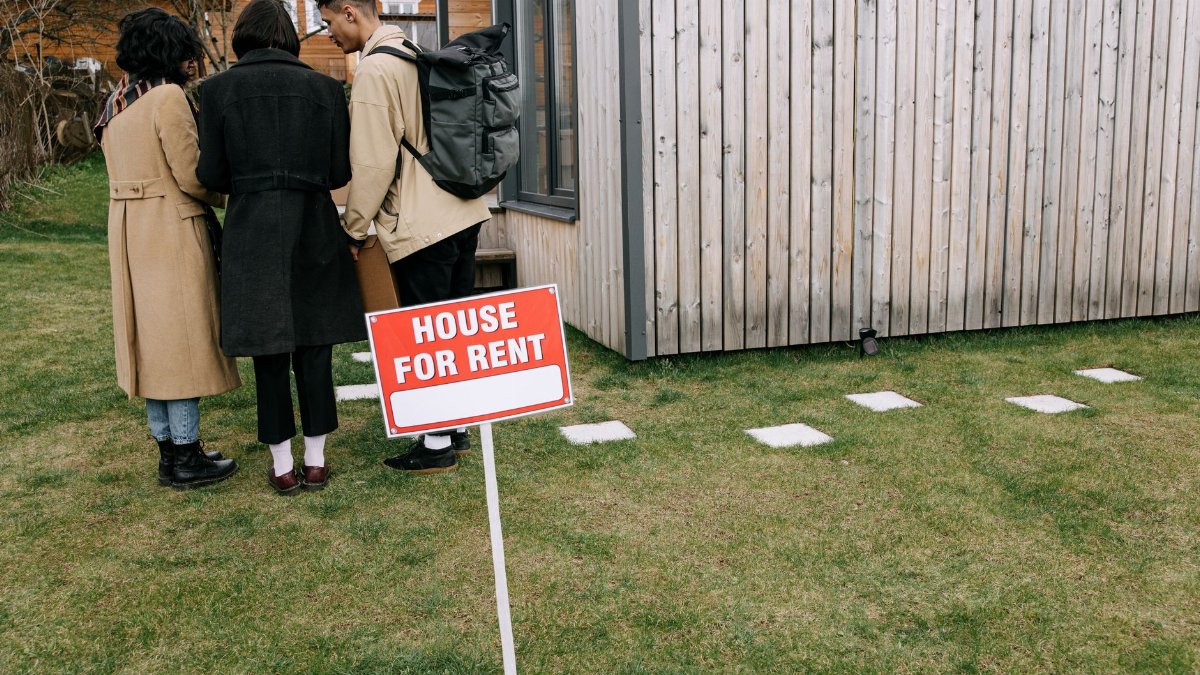
The novelty in the recent California debate was not the purchase itself. It was the promise that a family could remain as tenants after the sale. Under a sea level rise buyout with a rent back clause, the owner would receive payment now, shed the risk of a total loss, and keep a roof for a defined period while the shoreline situation became clearer. Supporters said that design answers the cruelest objection to retreat: that buyouts force people out of communities, schools, and congregations before the water actually arrives.
Critics in the Legislature and in the governor’s office saw a different risk. If the state becomes landlord of houses it has already judged unsafe, it inherits liability, maintenance, and the politics of eviction when the lease ends. Newsom’s veto reflected that caution. Tenant protections, fair rent, and a clear end date are easy to describe in a hearing and hard to administer on a crumbling bluff. Local governments also feared that a statewide program would override their land use authority, which in California is both a legal power and a source of identity.
Why this El Niño changed the tone

El Niño does not create sea level rise. It reveals it. When Pacific storms line up with high tides, roads that planners marked as vulnerable in the 2050s flood in the present tense. Harbor seals rest on streets that were dry at Christmas a few years ago. Restaurants close for a week and lose the receipts that pay the staff. For middle aged homeowners who bought in the 1990s, the mortgage is nearly gone and the retirement plan was the house. A winter like this one turns that plan into a negotiation with physics.
Scientists with the Intergovernmental Panel on Climate Change have been plain in their assessment reports that sea level will keep rising for centuries even if emissions fall, because ice sheets and the deep ocean respond slowly. The policy choice is not whether the water comes. It is whether the public spends the next twenty years on emergency rock, or on an orderly exit from the lots that cannot be saved. El Niño compresses that argument into a single season of news photographs.
Fairness on the block

Any buyout program is a moral document as much as a budget line. Who gets an offer first? Owners with political connections, or the households with the least ability to rebuild? In many coastal cities the most exposed housing is not the glass villa on the cliff. It is the older rental, the senior park, the neighborhood that was affordable because the flood maps already looked bad. If a sea level rise buyout pays full market value, it can transfer public money to people who chose a view. If it pays less, it can trap families who have no other asset.
Housing advocates want relocation help, not only a check. A payment that cannot buy another home within driving distance of a job is not a solution. Faith communities and neighborhood groups along the coast have started asking a related question: if a congregation or a clinic must move, who carries the shared life that does not show up in an appraisal? Those are not soft questions. They decide whether retreat looks like care or like clearance.
What the numbers can and cannot say

The Union of Concerned Scientists has published analyses, including its Underwater research, estimating how many homes could face chronic flooding under different sea level scenarios. The figures are large enough to startle, and they depend on emissions, ice loss, and local subsidence. They are not a list of addresses the state should buy next spring. Used honestly, they show why waiting for a perfect map is itself a choice. Every year of delay, construction continues in hazard zones, and the eventual public bill grows.
Economists who study disasters note a harder tradeoff. Money spent on buyouts is money not spent on schools, transit, or wildfire hardening in the same state. California already carries enormous housing scarcity. Removing units, even unsafe ones, tightens that scarcity unless replacement homes are built inland at the same time. A serious program would pair coastal purchase with inland zoning reform. Without that pair, retreat becomes another way the coast exports its housing crisis.
Lessons from places that already moved

New Jersey and New York used buyouts after Hurricane Sandy, with mixed reviews from the families involved. Some describe relief. Others describe years of paperwork and a street that feels abandoned before it feels safe. Along the Gulf, repeated flood buyouts have taught agencies to buy whole clusters rather than single lots, so the remaining neighbors are not stranded beside empty foundations. Those lessons travel. A California coast program that ignores them will repeat the delays and the resentments.
Other countries have tried versions of rent back and life estates, allowing elderly owners to stay until they die or until a trigger flood occurs. The designs differ, but the principle is similar: separate ownership of the risk from the right to remain for a while. Legal scholars at several public universities have urged California to pilot that model on a single shoreline reach, with published rules, rather than to dismiss it because the first bill was vetoed. A pilot is not a slogan. It is a way to learn who actually accepts an offer.
A question of stewardship

Readers who come to climate news from a spiritual angle often recognize the oldest tension in the story. A home is more than an asset. It holds weddings, arguments, the mark on the doorframe where a child was measured. To ask a family to sell that place to the public, even with dignity and a fair price, is to ask for a kind of relinquishment. Religious traditions have language for that, whether they call it stewardship, sabbath for the land, or simply neighbor love that includes people who will live here after we do.
That language does not settle the veto or write the statute. It does remind legislators that a program built only on actuarial tables will fail the people it claims to help. Rituals of leave taking, help finding a new congregation or clinic, and a public promise that the opened land will remain open, matter as much as the closing documents. Without them, retreat will be remembered as expulsion.
What a workable program would require

Experts who have returned to the sea level rise buyout debate since the latest El Niño floods tend to agree on a short list, even when they disagree on rent back. The offers must be voluntary. The price must be transparent. Clusters of parcels should be preferred over isolated lots. Rent back, if it returns in a new bill, needs a hard stop tied to measured risk, not to political pressure in an election year. The state should not become the permanent landlord of crumbling houses.
They also agree on what will not work. Another decade of emergency seawall permits, while lots keep selling to buyers who never read the hazard disclosure, is a transfer of cost from today’s sellers to tomorrow’s taxpayers. Disclosure helps only if buyers believe the maps. Many do not, until the winter the driveway disappears.
None of this requires panic. It requires a legislature willing to revisit a veto without treating the earlier no as the last word. The ocean is not waiting on the next committee calendar. Families on the bluff already know that. The useful argument now is narrower and more practical: whether California will design a sea level rise buyout that is fair, limited, and fast enough to matter, or whether it will meet the next El Niño with the same sandbags and the same unfinished argument.