
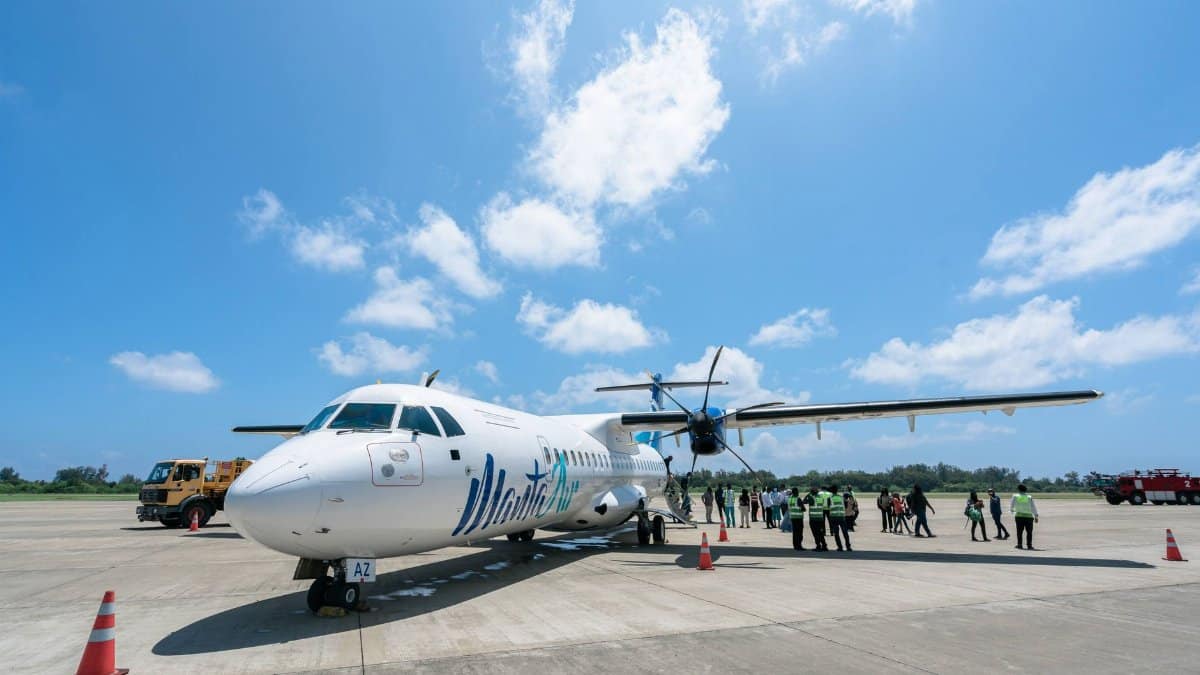
On a morning when most people in the terminal were thinking about boarding groups and overhead bins, federal agents moved onto a jetway and took a father and his daughter off an Alaska Airlines flight before the door closed. The Sea-Tac ICE operation did not happen in a remote field office or at a border crossing far from cameras. It happened in the narrow passage between a gate and an aircraft, in front of other passengers who had already surrendered their bags and their sense that the hard part of travel was over. Within hours, state and port leaders were calling the scene an ambush, and a routine departure had become a fight over power, place, and the meaning of public space.
What passengers saw as the line moved forward
Airports train people to comply. You show a document, you stand where you are told, you do not linger. That habit is useful for safety and terrible for witnessing. Travelers who later described the removal spoke of a sudden cluster of officers, a family pulled aside, and the strange quiet that follows when everyone else is still trying to make a connection. Some kept walking because the line behind them did not stop. Others froze, unsure whether interference would help the people being taken or only add their own names to a report.
The setting mattered as much as the arrest. A jetway is not a street corner. It is a tube owned in layers: the airline, the airport authority, the federal government that regulates aviation, and the passengers who have already passed security. When enforcement arrives there, it arrives at the moment when a traveler has the least room to turn around. Bags are checked or stuffed overhead. Children are tired. Phones are in airplane mode or close to it. The ordinary friction of civic life, the chance to call a lawyer from a kitchen table, has already been designed out of the experience.
Why the word ambush landed so hard


Gov. Bob Ferguson and leaders at the Port of Seattle did not speak like people parsing a routine warrant service. They spoke like people who felt a boundary had been crossed in a building they are charged to run. Outrage is a political word, easy to dismiss as theater. Here it named something more specific: the belief that federal agents chose a moment of maximum vulnerability, and that local officials learned the details the way everyone else did, after the fact or too late to shape them.
Ambush implies surprise, and surprise is the point of many enforcement actions. Agents do not send a calendar invite. The dispute is not whether immigration law exists. It is whether an international airport gate, crowded with families who have nothing to do with the target, is an acceptable stage. Port commissioners have spent years selling Seattle Tacoma International Airport as a civic front door. A front door that can become a trap without notice is a harder thing to advertise.
A father, a daughter, and the picture that travels


Details in cases like this often stay thin at first. Names get withheld. Flight numbers circulate, then get corrected. What does not stay thin is the image of a parent and child removed together while other people board. Americans argue bitterly about immigration status. They argue less easily about a child in a jetway. The photograph, even when it exists only in memory, does work that a press release cannot undo.
That does not settle the legal question. A person can be both a parent and someone federal authorities say is removable. The country has lived with that tension for years, in courthouses, in traffic stops, at workplaces. What changed in this telling is the choreography. Boarding is a ritual of trust. You walk forward because the system has already decided you may. To be pulled backward at that instant feels, to many witnesses, like a broken promise, even if no airline ever promised immunity from the law.
The port as landlord, not bystander
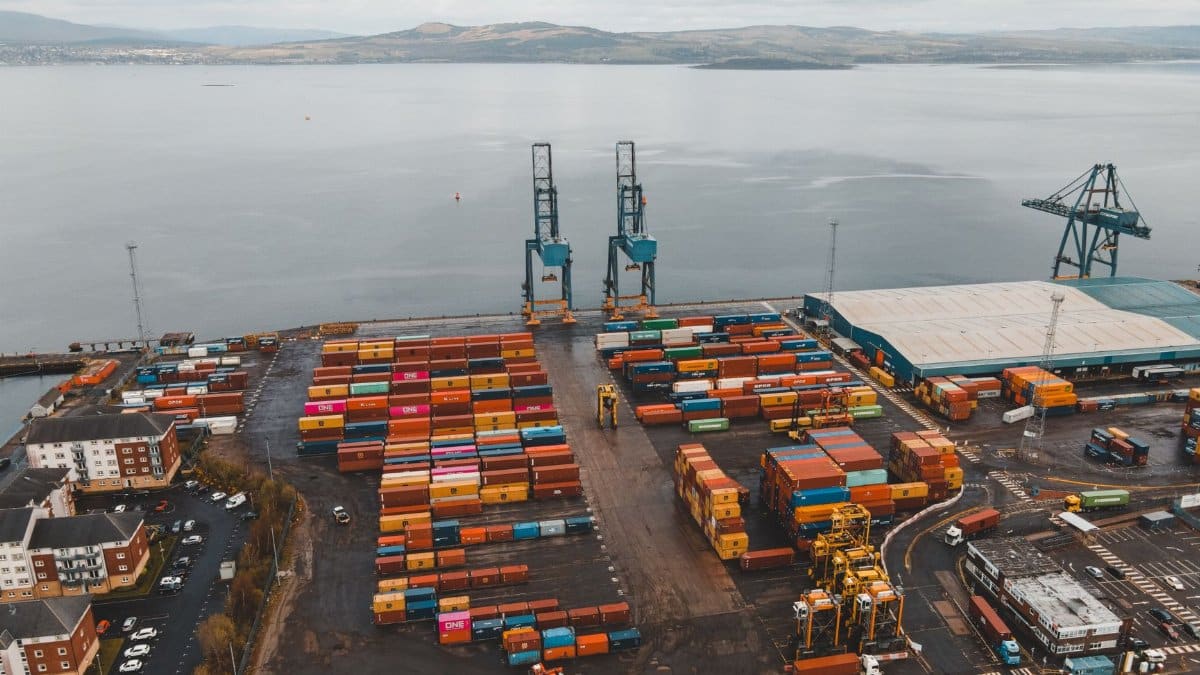
The Port of Seattle is not a mayor’s office and not a police department in the ordinary sense. It runs an economic machine: runways, cranes, leases, concessions. It also runs a public space that millions of people enter under rules they did not write. When commissioners say they are outraged, they are asserting a landlord’s interest and a political one. They do not want their facilities used as unmarked stages for operations they cannot explain to the people who pay the parking fees.
Federal supremacy in immigration is real. Ports cannot nullify statutes by resolution. They can, however, control access protocols, demand notice where the law allows it, train staff on what they must and must not do, and refuse to let their own employees become informal deputies. Those are narrower powers than the rhetoric sometimes suggests. They are also the powers that matter on a Tuesday morning when a gate agent is staring at a badge.
What the federal government is built to do
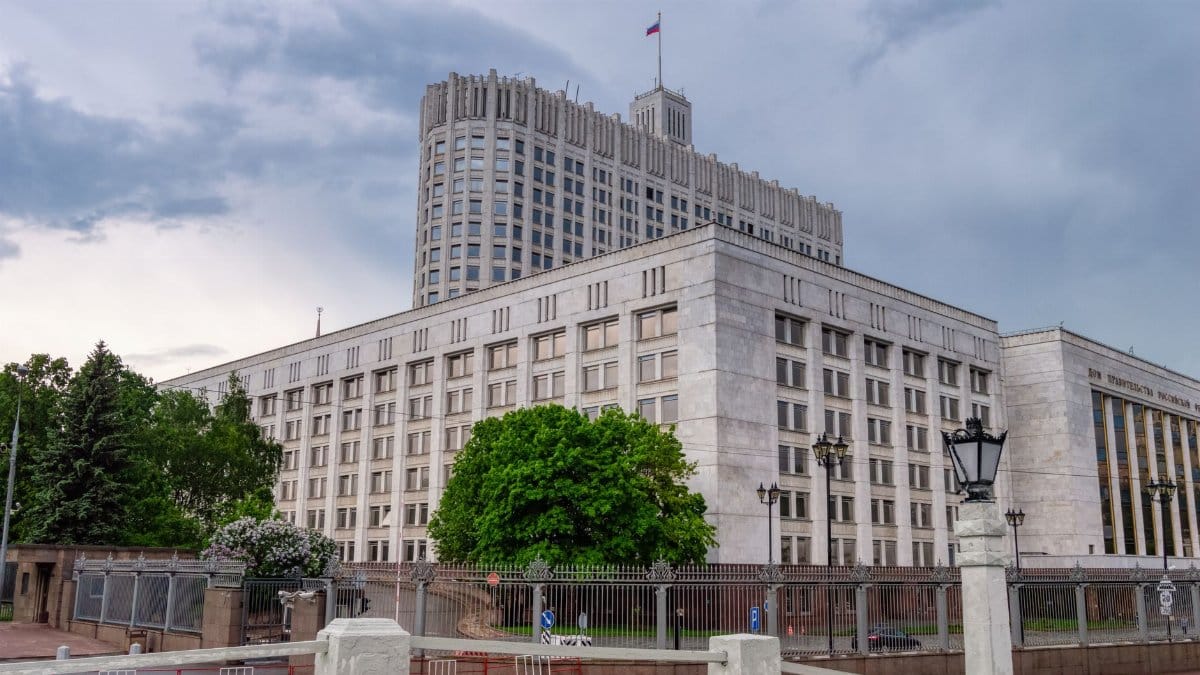
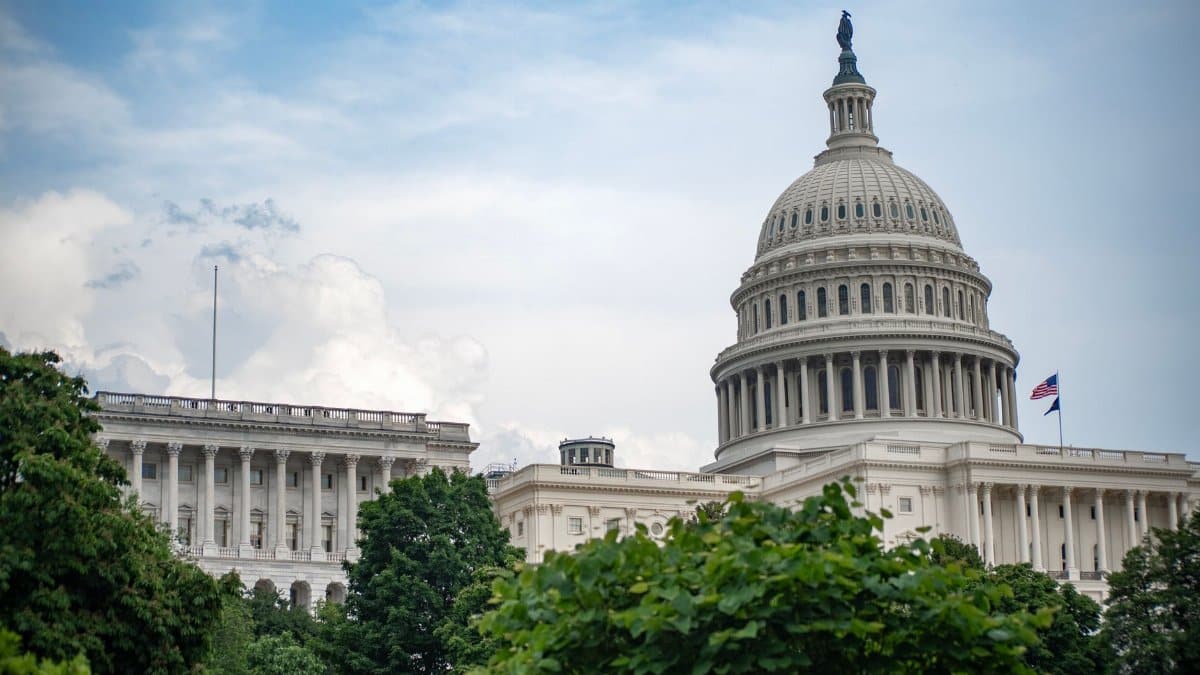
Immigration and Customs Enforcement exists to find and remove people the government says have no right to stay. Supporters of the Sea-Tac ICE operation, and of others like it, argue that location should not create a sanctuary by accident. If agents may act at a home or a job site, they may act at an airport. Waiting until someone is abroad, or hoping a person appears at a scheduled check in, can mean losing the case entirely. From that view, the jetway is not cruelty. It is efficiency.
Efficiency has a public cost that does not show up in arrest statistics. It teaches everyone in the line that papers, even recently inspected papers, are not the end of scrutiny. It teaches mixed status families that a vacation or a funeral can become the moment the government chooses. It teaches local leaders that cooperation and surprise are not the same thing, and that surprise will be answered in press conferences whether or not it is answered in court.
Airlines in the middle of a fight they did not schedule
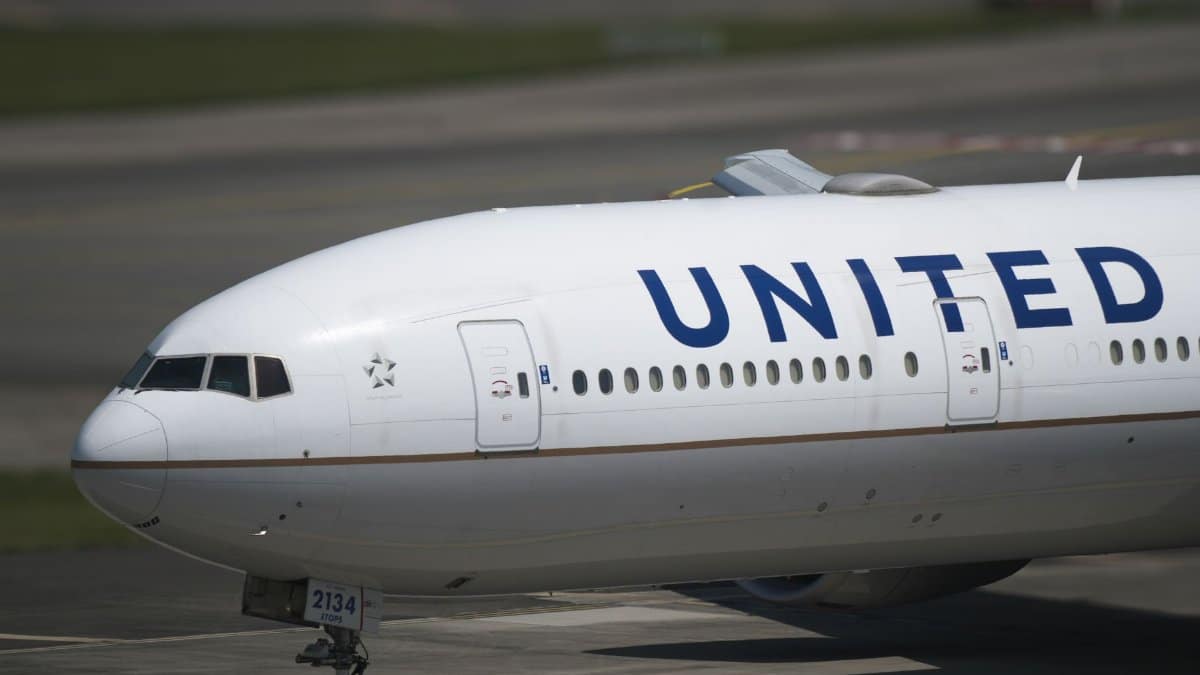
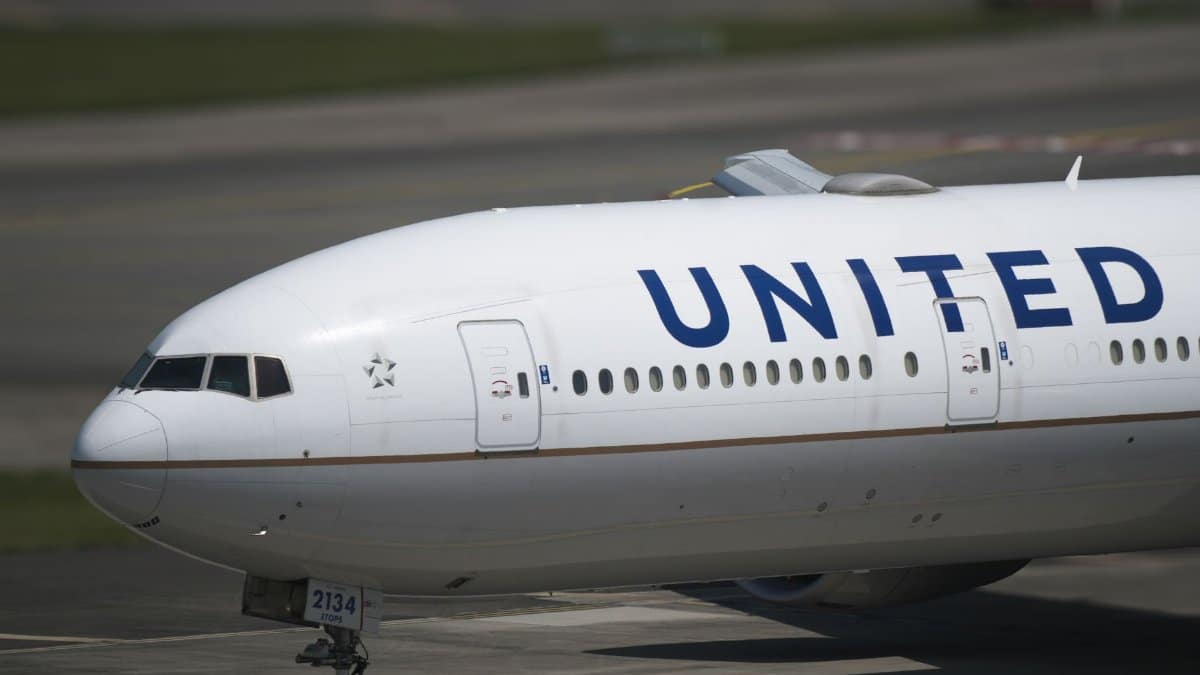
Alaska Airlines sells punctuality and a regional identity. It does not sell immigration policy. Still, the aircraft, the jetway, and the boarding process are the airline’s stage. When agents intervene there, crews inherit a scene they are rarely trained to narrate. A captain wants the door closed. A gate agent wants the flight to leave. A family in row 14 wants to know whether they are safe, and whether the people who were just removed are safe, and those are not questions a safety demo answers.
Carriers have compliance duties of their own. They check documents. They deny boarding when told to. They do not, in any meaningful public sense, adjudicate who should be detained in front of a full cabin. The vacuum gets filled by rumor: a screenshot, a thread, a statement that arrives after the plane is already over the Cascades. By then the story belongs to everyone except the people who were on the jetway.
Law, notice, and the limits of local fury
Outrage from a governor can shift the politics of an airport. It cannot, by itself, rewrite removal law. The useful questions are drier. Was there a warrant, and of what kind? Were agents in a space where the port’s rules required coordination? Were children handled under policies that federal agencies say they follow and critics say they ignore? Did anyone on the ground have a realistic chance to reach counsel before the family left the building?
Those questions take days, sometimes months. They do not fit easily into the first cycle of headlines. They matter more. A state can pass laws about what its own agencies may do. It can fund legal aid. It can demand records. It cannot order federal officers to stand down in every corridor of a federally regulated airport. Pretending otherwise sets up the next disappointment. Ignoring the local stake sets up the next ambush narrative.
The crowd that kept its voice down
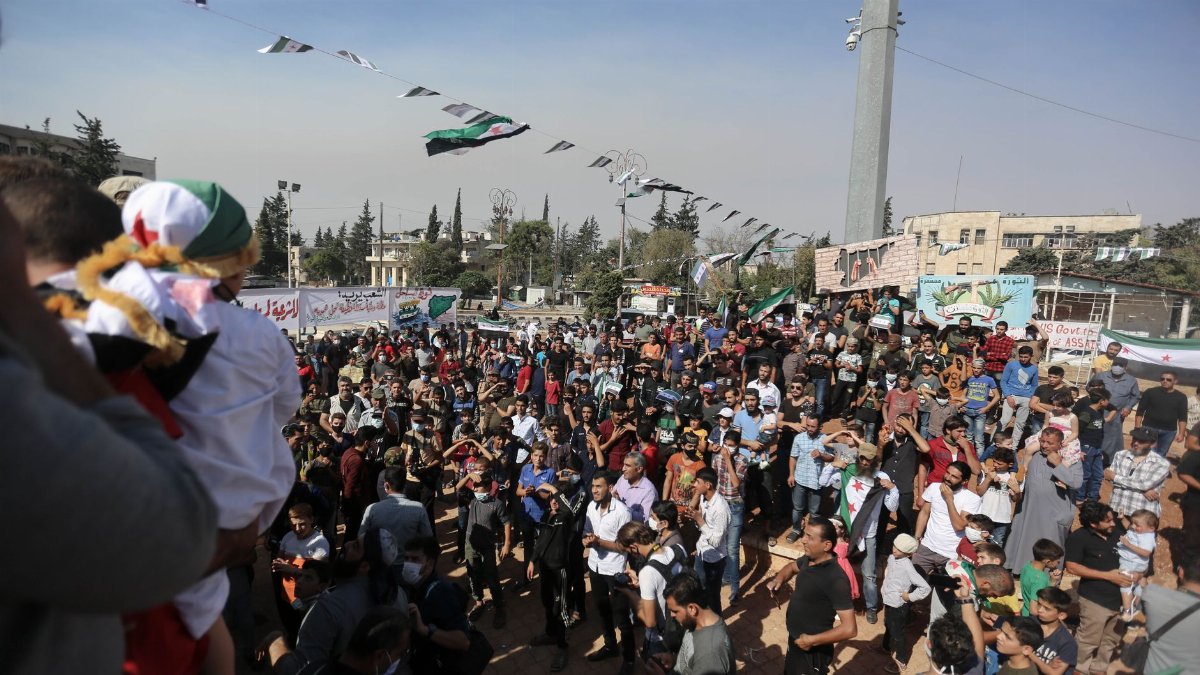
One of the least examined facts of airport enforcement is the audience. Dozens of people saw something. Most of them had a seat assignment and a reason not to miss it. Civic courage is easier to praise from a couch than from a jetway where an officer is already impatient. Silence in that moment is not always approval. It is often fear, confusion, and the ordinary selfishness of travel, which is not a moral achievement and not always a moral failure.
Later, silence breaks. People post. They call reporters. They argue with relatives who think the only scandal is that anyone objected. The delayed argument is still an argument. It is how a regional airport story becomes a national one, and how officials who were not in the terminal end up using words like outraged because their constituents already have.
A gateway city arguing with its own front door
Seattle has spent a decade telling two stories at once. One is about openness: trade, tech, flights to Asia, a port that faces the Pacific. The other is about enforcement and its discontents, about cities that limit cooperation and states that sue Washington, the other Washington, over immigration rules. The jetway incident collapses those stories into one hallway. You cannot be a gateway and also be shocked every time the gate is used for something other than tourism.
You can, however, insist that gateways have manners. Notice, when notice will not blow an operation that truly cannot wait. Clear lines for airport staff. A refusal to treat children as props. A public accounting after the fact that is more than a shrug toward federal jurisdiction. Those are not abolition and they are not a blank check. They are the minimum a public landlord can ask without pretending to be the Justice Department.
Ferguson, the port, and the audience beyond the region
When a governor attaches his name to anger, he is also attaching his name to a bet: that voters will see the operation as excess, not as toughness they secretly wanted. In a state that has elected Democrats to the top jobs for years, that bet is safer than it would be in many others. It is not free. Business groups worry about a reputation for chaos. Some immigrant families worry that loud fights make quiet compliance harder, not easier. Unions at the airport worry about being caught between a badge and a boarding pass.
Port leaders face a similar split. Their commission is political, but their balance sheet is not a slogan. Airlines can move flights. Federal agencies can move harder. The statement that satisfies a rally can complicate a lease negotiation. The statement that satisfies no one is the one that arrives late and says nothing about children, nothing about notice, and nothing about what will be different on the next bank of departures.
What remains after the plane leaves


The flight, almost certainly, left. That is the brutal efficiency of airports. A seat goes empty or gets reassigned. Catering numbers change by two. The rest of the cabin arrives somewhere and tells a story that grows sharper or vaguer depending on who is listening. The family at the center of it does not get that luxury. Their day becomes intake, phones, a child who may not understand why the trip ended in a room with no windows worth the name.
For everyone else, the Sea-Tac ICE operation is now a reference point. It will be cited by people who want more arrests in more public places, and by people who want airports walled off from that kind of spectacle. Both will claim the jetway proves their case. The more honest reading is smaller. A powerful agency used a chokepoint. Local officials, embarrassed and angry, said the chokepoint was theirs too. Passengers learned again that boarding is not the same thing as being finished with the state.
The next gate, and the standard worth keeping

No single removal will settle how the country should police immigration. It can settle a narrower standard, if anyone in authority is willing to write it down. Do not spring operations on crowded jetways when another place would do. If the jetway is truly the only place, say why afterward, in detail, and show how children were treated. Tell the port what you can tell it. Let airline crews know what they are allowed to refuse. Give lawyers a door that is not theoretical.
Until that standard exists, the scene will repeat with different flight numbers and the same shocked statements. Officials will be outraged. Agents will say they did their jobs. Travelers will stare at their shoes and then at their phones. And the word ambush will keep its force, not because every arrest is illegitimate, but because a public airport that cannot explain itself at the moment of force has already lost a kind of trust that departures alone cannot restore.