
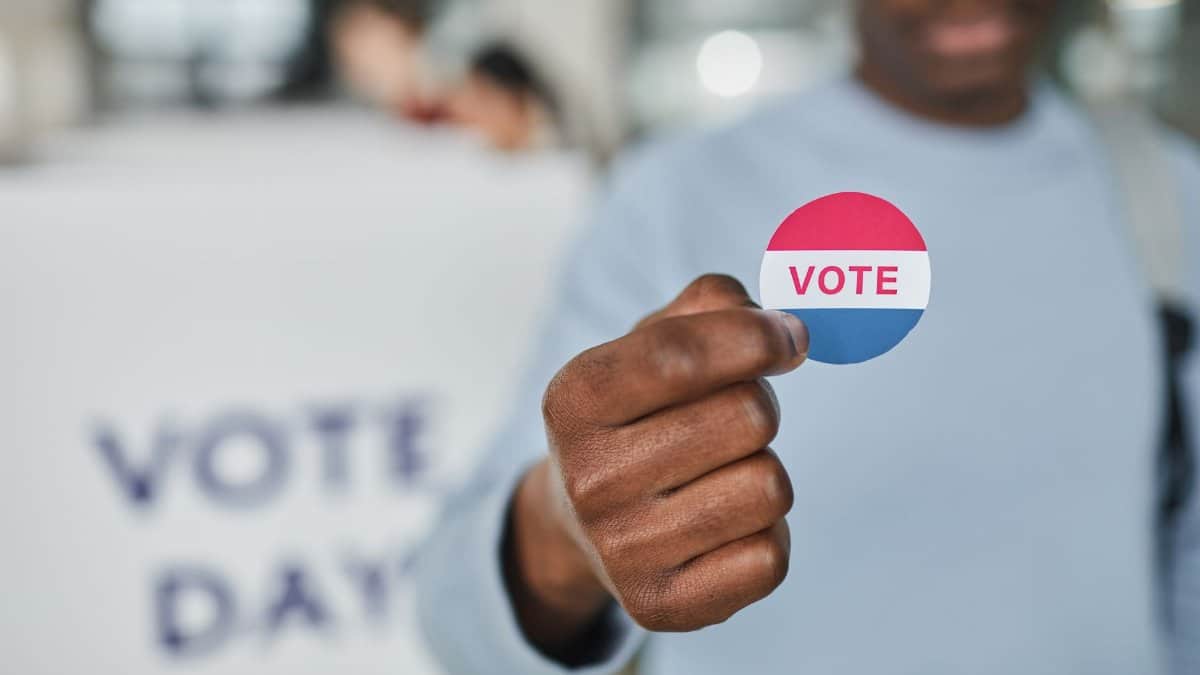
On a cool November evening in Washington, the rooms where Democrats gather still smelled of coffee and leftover pizza. Staffers who had spent months knocking on doors traded notes about counties they had quietly written off and then won back. The relief was real, but it did not linger. Within days, the same people who had just celebrated midterm gains were asking a quieter question about who might carry the party into the next presidential contest. The Democrats 2028 race, once a distant abstraction, began to acquire names, draft committees, and travel schedules.
A party that won and immediately looked past the win

Midterm victories have a peculiar effect on American parties. They validate a message just enough to invite argument about what the message actually was. Some Democrats read the results as a rebuke of chaos and a hunger for steady governance. Others saw proof that sharper economic populism can still move suburban and working class voters in the same cycle. Both readings can be true in different counties, which is precisely why the early presidential conversation feels crowded rather than settled.
Party officials who spoke in the days after the votes were counted tended to praise discipline. Candidates who stayed close to kitchen table costs, health care access, and local trust often outperformed national expectations. That pattern does not automatically crown a nominee. It does shape the audition. Anyone hoping to lead the ticket will be asked, again and again, whether they can repeat that discipline on a national stage without sanding off the convictions that animate the base.
Draft committees as an early form of permission
The most concrete sign that the calendar has shifted is organizational, not rhetorical. Draft committees have surfaced around several familiar figures, including Kamala Harris, Ro Khanna, Alexandria Ocasio Cortez, and Pete Buttigieg. A draft effort is not a campaign. It is a way for supporters to test whether donors will answer calls, whether volunteers will show up on a weeknight, and whether a name still produces a crowd without the machinery of an official launch.
These committees also serve a political purpose that veterans understand well. They let a potential candidate remain slightly above the fray while allies collect emails, commission message testing, and float themes in friendly rooms. In a cycle this long, the first contest is often not Iowa or New Hampshire. It is the contest for professional attention: consultants, state chairs, labor strategists, and the small donor lists that now function as a parallel party.
Harris and the weight of a familiar path

Harris enters this conversation with advantages that are difficult to invent and burdens that are difficult to shed. She has already been on a national ticket, already occupied the vice presidency, and already absorbed the peculiar scrutiny reserved for women who seek the highest office. Supporters argue that midterm gains under a Democratic administration strengthen the case for continuity paired with a sharper economic voice. Skeptics worry that voters who want a reset will treat familiarity as fatigue.
Any Harris decision will also be read through the lens of party loyalty and personal timing. Running again would require a theory of the electorate that goes beyond resume. It would need to explain why the next map looks different from the last one, and why her voice, rather than a governor’s or a senator’s, is the one that can hold together Black voters, suburban women, younger progressives, and the union households Democrats cannot afford to lose. That theory has not been fully written in public. The draft talk suggests allies believe it can be.
Newsom and the art of being seen
Gavin Newsom has not needed a draft committee to announce his interest in the national argument. As governor of the largest Democratic state, he has used cable hits, social media, and high profile fights with Republican governors to build a profile that travels beyond California. Admirers describe him as fluent, combative, and willing to defend the party when others hedge. Critics see a polished coastal figure whose record on housing, homelessness, and cost of living will be litigated far outside Sacramento.
Raising a profile is not the same as building a coalition, but it is a prerequisite in a media environment that rewards constant presence. Newsom’s wager appears to be that Democrats, after years of feeling outmessaged, want a nominee who enjoys the fight. Whether enjoyment translates into trust in Michigan, Georgia, or Arizona is the question his travels will have to answer. Charisma opens doors. It does not, by itself, close them behind a winning map.
Khanna and a bid rooted in economic argument

Ro Khanna represents a different early lane, one less dependent on executive celebrity and more dependent on ideas. The California congressman has spent years arguing that Democrats should marry industrial policy, technology, and a revived manufacturing geography. In a party still sorting through inflation memories and anxiety about artificial intelligence, that argument has an audience among donors who want growth and among voters who want jobs that feel durable.
Khanna’s challenge is recognition. Draft energy can manufacture introductions, but a national primary punishes candidates who remain better known in podcast studios than in union halls. His opportunity, if he takes it, is to turn a critique of concentrated wealth and coastal complacency into a route through the industrial Midwest. That is a hard route. It is also one of the few that does not require him to out celebrity better known rivals.
Ocasio Cortez and the progressive test
Alexandria Ocasio Cortez remains the clearest symbol of the party’s left, which is both her power and her constraint. A draft effort around her signals that progressives do not intend to rent their enthusiasm to a more centrist nominee without a fight, or at least without a negotiation conducted in public. She brings a generational following, a gift for framing inequality, and a skepticism of party caution that many younger voters treat as honesty.
The test for that lane is no longer whether it can command attention. It can. The test is whether it can expand without being caricatured, and whether its champion wants the particular miseries of a presidential bid. Some allies may prefer her influence inside Congress and on the broader left to the narrowing choices of a primary. Draft committees exist in part to pressure that preference into the open. If the energy is real, it will show up as money and organization, not only as applause.
Buttigieg and the appeal of fluency

Pete Buttigieg occupies yet another space: the candidate of explanation. His previous presidential run proved he could raise money, win over certain primary voters, and speak in complete paragraphs under pressure. Service in the cabinet added a governing credential that his earlier campaign lacked. Supporters say the country is tired of performers and ready for someone who can describe a bridge, a supply chain, or a veterans policy without disappearing into jargon.
Fluency has limits. Buttigieg will be pressed on whether his coalition in a past primary can be rebuilt in a party that has shifted, and on whether rural and Black voters see in him a champion or a talented visitor. A draft committee cannot answer that. Only months of unglamorous travel can. Still, his presence on the early list is a reminder that the Democrats 2028 race will not be a simple clash between the left and a single establishment heir.
What the midterms did and did not settle
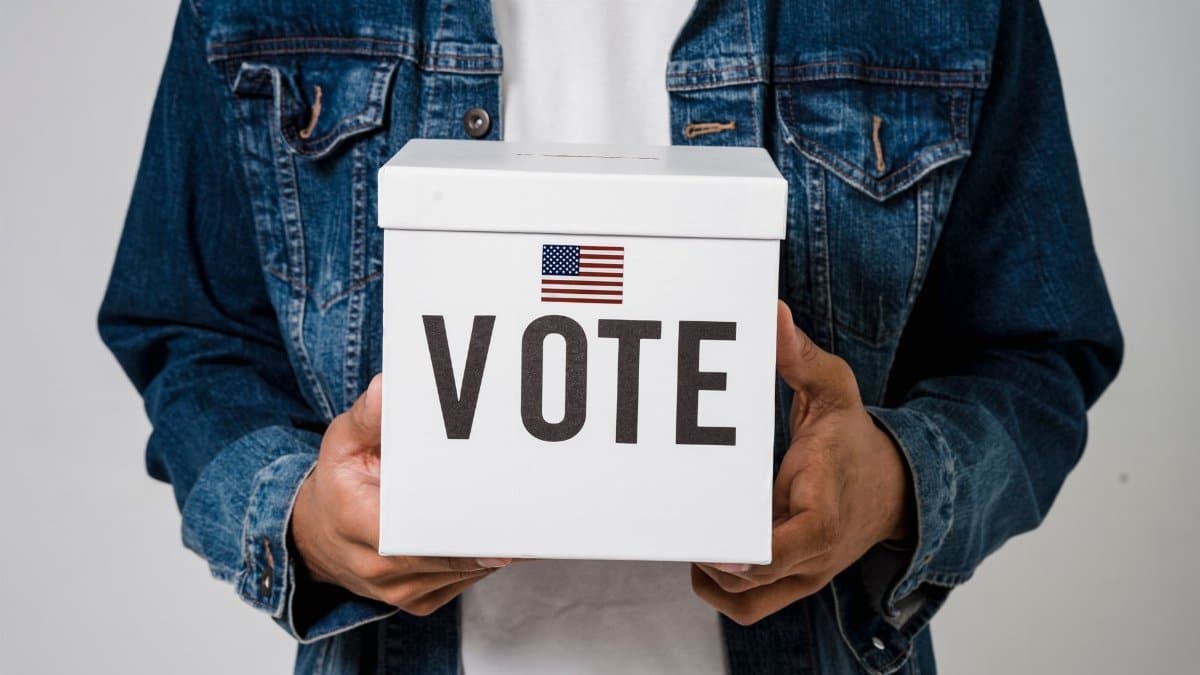
It is tempting to treat a good midterm as a down payment on the next presidential year. History is less generous. Parties often misread off year wins as a mandate for the loudest faction, then discover that presidential electorates are larger, younger in some places, older in others, and far more focused on a single person. The voters who punished Republican overreach in a congressional race may still demand a different kind of reassurance when the White House is the prize.
What the midterms did settle, at least for now, is morale. Democrats who feared a long exile found that their coalition can still be assembled when the opposing party looks extreme and when Democratic candidates talk about prices without contempt for the people paying them. Morale is not a platform. It is the condition that makes a platform audible. In that sense the Democrats 2028 race is starting on firmer emotional ground than many insiders expected a year ago, and on no firmer ideological ground at all.
Money, lists, and the quiet primary

Before any debate stage is built, a quieter primary is underway. It is conducted in donor living rooms, in group texts among state party leaders, and in the inboxes of people who gave twenty dollars in the last cycle and might give again. Draft committees are built for this phase. They harvest contact information, they identify which messages produce donations rather than polite nods, and they create a paper trail of seriousness that reporters can cite.
Small donors matter because they signal breadth. Large donors matter because presidential campaigns burn cash on travel, staff, and the unromantic work of ballot access. Labor unions, environmental groups, and civil rights organizations will not endorse on the basis of a November afterglow. They will ask who can win, who will fight for their members after winning, and who will not treat them as scenery. Those questions are already being asked, even if the answers are still provisional.
The risk of beginning before the country is ready

There is a cost to starting early, and Democrats have paid it before. A long invisible primary can harden factions, exhaust donors, and turn every Senate vote and every cable appearance into a loyalty test. It can also crowd out the governing that midterm winners were just elected to do. If the next two years become a rolling audition, voters may conclude that the party is more interested in its own succession drama than in the prices, clinics, and schools that decided the last election.
The smarter early movers will treat this period as listening rather than launching. They will show up in places that did not applaud them last time. They will resist the urge to define rivals before the country has even agreed on the problems. And they will remember that a draft committee is a spark, not a fire. Plenty of sparks go out when the first cold polling memo arrives.
A bench that is deep and unsettled

Beyond the names already attached to draft talk or relentless self promotion, other Democrats will test the water without announcing the swim. Governors with popular records, senators with regional strength, and figures who have not yet decided they are running will all calculate whether the field is too crowded or conveniently open. A deep bench is a luxury until it becomes a traffic jam. The party’s task is to keep the contest competitive without making it cannibalistic.
Voters, for their part, are unlikely to reward the candidate who spends the next year speaking only to other Democrats. The midterms rewarded candidates who could explain public life in plain language and who did not sneer at doubt. That lesson sits awkwardly beside the incentives of a primary, which often reward the sharpest factional edge. Reconciling those incentives is the real work of the coming year.
What to watch as the calendar turns
The next phase will be legible if one knows where to look. Watch who hires staff in early states and who merely visits them for cameras. Watch which draft committees file paperwork, raise real money, and survive the boredom of a winter without votes. Watch whether Harris, Newsom, Khanna, Ocasio Cortez, and Buttigieg talk about one another with discipline or with the casual contempt that primaries so easily breed. And watch whether the party’s midterm winners, the people who just earned trust in their own districts, feel represented by any of these national figures.
None of this requires a declaration tomorrow. It does require honesty about the moment. A party buoyed by midterms is not a party that has solved its future. It is a party that has earned the right to argue about that future in daylight. The Democrats 2028 race is that argument, already underway in committees, in green rooms, and in the private calculations of people who know how quickly a lead in November can become a question mark in January.