
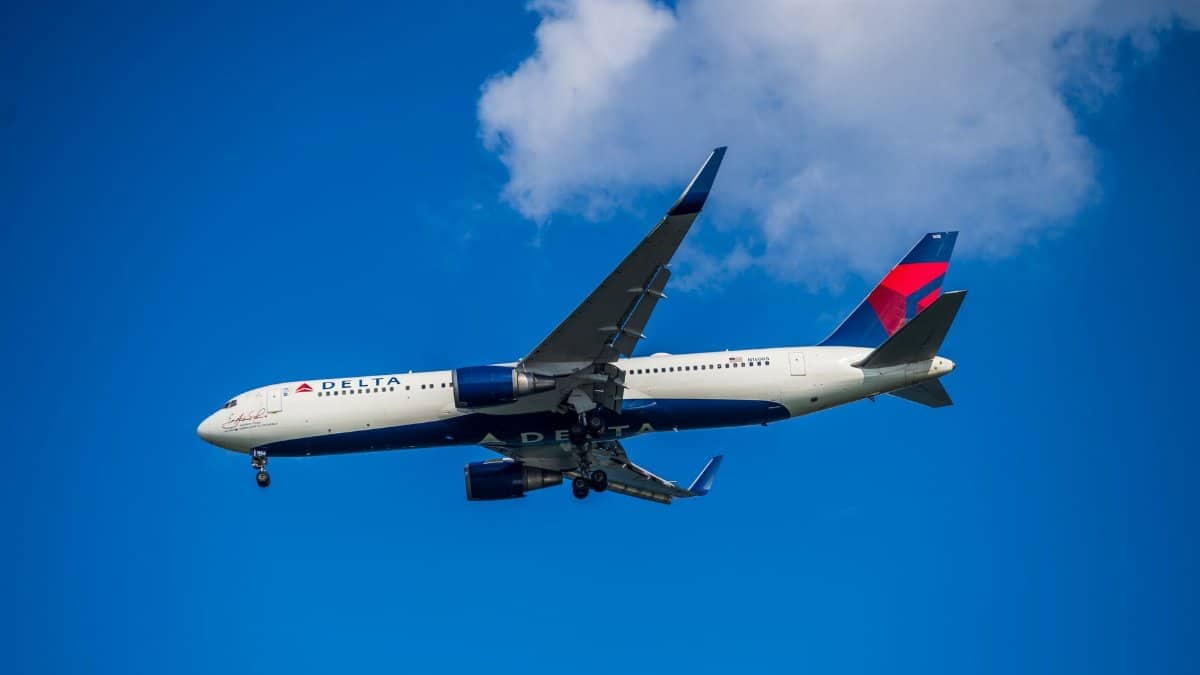
Sunday morning at Minneapolis St. Paul International Airport began the way many summer travel days do, with rolling suitcases, coffee lines, and departure boards that still looked ordinary. Then the boards started to stutter. A Delta outage MSP passengers would talk about for days delayed about 250 flights at the airport and close to 2,000 nationwide after a failure in the carrier weight and balance system. Families missed connections. Business travelers watched meetings slip out of reach. Gate agents, working without the software that tells a jet how it must be loaded, could not simply guess and send people down the jet bridge. The terminal did not empty. It thickened.
A Morning When the Boards Went Still

By midmorning the ordinary choreography of a hub had broken. Flights that should have pushed back sat at gates while crews waited for numbers the computer would not supply. A weight and balance calculation is not a courtesy added at the end of boarding. It tells the airline where bags, fuel, and people must sit so the aircraft remains within limits for takeoff and landing. When that system fails, the safe choice is to stop. Stopping at MSP, one of Delta largest connecting points in the Upper Midwest, does not stay local for long. Aircraft, crews, and passengers are scheduled as a chain. Break one link and the chain piles up on the ramp.
Travelers described the first hour as confusion rather than panic. Screens refreshed and showed the same delay. Apps offered little that a person at the podium had not already said. The absence of a clear cause made the wait feel longer. Weather at least has a shape. A blank operational system does not.
What Travelers at MSP Actually Faced
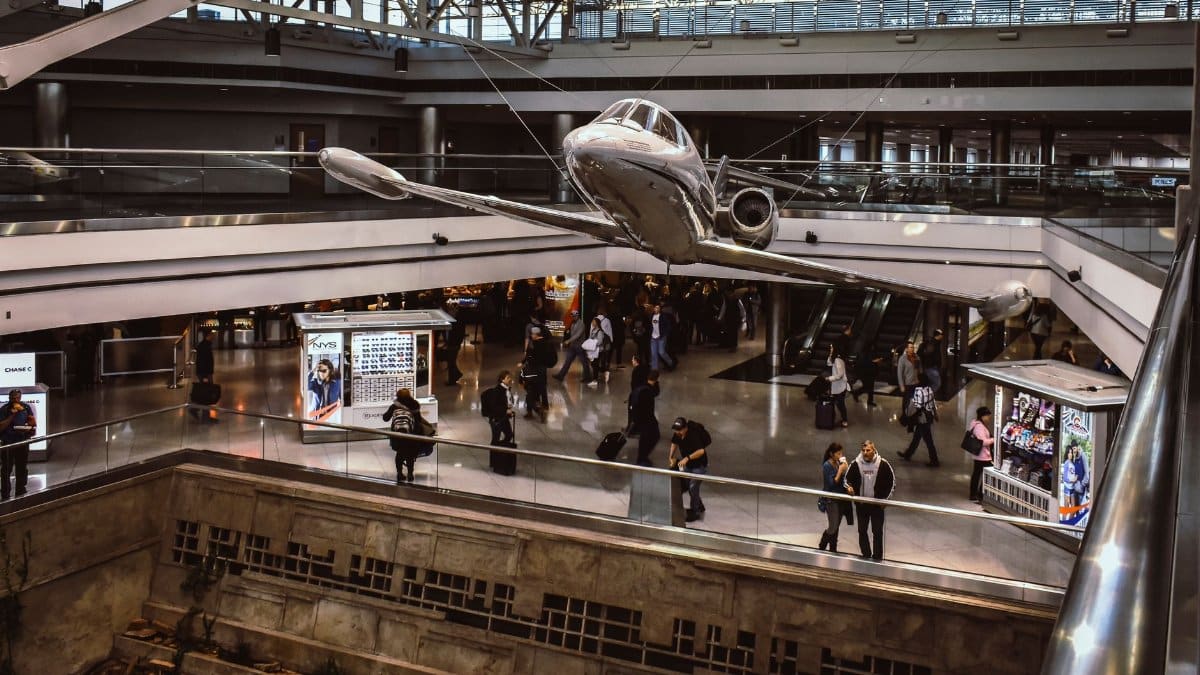
The Delta outage MSP travelers felt was not an abstract technology story. It was a gate that did not call a boarding group. It was a child asleep on a backpack. It was a rental car clock running in a city the passenger had not planned to see. About 250 flights at Minneapolis St. Paul were delayed as the trouble spread through the Sunday schedule. That figure does not capture the mess that followed: missed connections in Atlanta, Detroit, and Salt Lake City, hotel hunts, and the slow bleed of a timetable built to the minute.
People who live with tight connections know the arithmetic already. A delay of forty minutes at the origin can erase the only same day option at the far end. Parents split between gates. Students tried to reach campus move in days. Workers in health care and construction, whose shifts do not flex because an airline computer stalled, did the math on lost pay. The concourse became a waiting room with better lighting and worse news.
Nearly 2,000 Flights and One Shared Bottleneck

Nationwide, the disruption approached 2,000 flights. A system used across a network does not fail in a single concourse and leave the rest untouched. Delta runs a banked hub operation. Aircraft arrive in waves, trade passengers, and leave again. If one wave cannot be cleared because loading data is unavailable, the next wave inherits the delay. Crews approach the legal limit on their duty day. Gates fill with jets that cannot depart and cannot yet be towed clear. A problem that begins as software becomes a problem of aluminum, labor rules, and hotel rooms.
For anyone tracking the Delta outage MSP from a kitchen table in another state, the screens looked similar: a row of delays with no satisfying reason attached. The national number matters because it explains why rebooking felt futile. When the whole schedule sags, the later flight you are offered is often late as well. Protection on paper is not a seat in the air.
Why the Loading Math Cannot Be Improvised

Weight and balance sounds bureaucratic until you remember what an unbalanced aircraft can do. Too much weight aft, and the nose can be hard to control. Too much forward, and rotation on takeoff becomes a struggle. Fuel load, cargo placement, and the distribution of passengers all enter the calculation. Airlines automated this work because doing it by hand for hundreds of flights an hour is slow and prone to error. The software is part of the safety case, not a convenience layered on top of it.
When the tool stops, there is no honorable shortcut that ignores the math. Agents can explain, apologize, and reprint boarding passes. They cannot invent a legal load sheet from memory and goodwill. Passengers sometimes hear a delay described as a computer issue and assume the airline is being timid. In this case the timid choice is the correct one. A jet that leaves without a trustworthy weight and balance number is not a bold operational decision. It is a refusal to do the job.
The Particular Strain of a Connecting Hub

MSP is not merely a local airport for the Twin Cities. It is a sorting machine for the northern plains, for seasonal routes farther north, and for travelers whose practical path between smaller cities runs through Minnesota. A delay there punishes people who never intended to spend the day in the state. The local flier heading to Chicago shares a gate area with a family trying to reach a wedding in the Mountain West and a nurse connecting onward to a night shift. One stalled system treats those errands as the same row in a database.
I have stood in enough hubs to recognize the quiet that arrives after the first round of announcements. Chatter drops. Phones rise at the same helpless angle. People stop asking strangers for the time and start asking whether anyone has heard a better explanation. Sunday had that quiet, stretched across piers that are built for motion. The architecture of a modern terminal assumes flow. When flow stops, the building feels larger and less kind.
What a Carrier Can and Cannot Promise
In outages of this kind, the public statement usually arrives later than the rumor. Passengers learn first from an app that will not refresh, then from a gate screen, then from an agent who is repeating a sentence she did not write. Rebooking helps only if a later seat exists and a crew remains legal to fly it. When close to 2,000 flights are late, inventory is a fiction that updates slower than hope. Meal vouchers do not create food in a closed concourse kitchen. Hotel vouchers do not create rooms on a Sunday night in a city that already had its own plans.
The honest promise is narrower than marketing language. The airline is working. The airplanes will not fly without the required calculations. Recovery will be uneven, faster on some routes than others, and ugly for anyone whose crew has timed out. Travelers are entitled to plain speech about that limit. They are not entitled to a physics exemption.
Technology as a Single Point of Strain

Airlines have spent years moving check in, boarding, bag tracking, crew assignment, and load planning onto shared platforms. The gains are real. Lines shorten. A bag can be traced. A schedule change can reach a phone. The cost is concentration. A failure in one operational system can idle a fleet that is otherwise healthy, fueled, and staffed. This was not a story about a loose bolt or a storm sitting over the Dakotas. Weather at least announces itself on radar. A weight and balance outage arrives as a blank where a number should be.
Speculation about sabotage or outside intrusion follows almost any large outage, and serious people should examine logs before they rule causes in or out. Nothing in the public account of Sunday establishes a hack, a vendor fault, or a simple internal glitch. Precision matters. Naming a cause you do not have is how rumor hardens into false memory. The useful observation does not require a villain. It requires noticing how little manual capacity remains when a core calculation goes dark.
The Minutes That Never Appear in the Tally

Delay statistics count flights. They do not count the medication in a cabin bag that was supposed to be refrigerated by evening, or the funeral that will not pause, or the job interview conducted from a charging station on the floor. They do not count airport workers who stay past a shift because the last bank never left, or the ramp crew standing in heat beside a jet that cannot be closed out. A humane account of the Delta outage MSP should hold both scales: the network number, close to 2,000, and the single person whose day was rewritten by a system she will never see.
Journalism often reaches for the largest integer because it photographs well. The integer is fair. It shows scale. It should not be allowed to sand down the smaller losses, which are where the public actually lives. A missed recital, a lost day of wages, a night on a bench: none of these move a national average, and all of them are the outage.
How a Schedule Is Rebuilt After It Breaks

Recovery is not a switch flipped in a data center. Once the software returns, airlines still have airplanes in the wrong cities and crews who have reached their limit. A jet that sits for several hours may need a new crew before it can go, even if the original passengers are still in the gate area, tickets in hand, patience gone. People who were moved onto another flight may already be airborne, leaving empty seats on the original departure and angry people who were told to wait. Dispatchers rebuild the day from the edges inward. They try to protect long flights that have few substitutes and to clear the hub before the evening bank collapses into the next morning.
That rebuild is invisible to anyone staring at a departure board. It looks, from the seat, like nothing is happening. In the operations center it is a sequence of ugly trades: cancel this frequency so that aircraft can fly three others, ferry an empty jet overnight, ask a reserve crew to report with almost no notice. Passengers experience the result as arbitrariness. Sometimes it is. Often it is the least bad allocation of scarce metal and legal duty time.
What Passengers Can Do Without Theater

There is useful conduct, and there is performance. Standing at a podium and repeating a question already answered does not create a seat. What helps is narrower and less dramatic. Save a copy of the original itinerary before the app fails. Keep medication, a charger, and a change of clothes in the bag that stays with you. If a connection is tight, ask early whether another routing exists, and write down what you are offered and by whom. Know that federal refund rules generally apply when the airline cancels and you choose not to travel, a different situation from a delay you decide to wait out. Read the current policy rather than a screenshot from a previous summer.
Patience is not a strategy by itself. Documentation is. So is a realistic sense of what an agent can move. Courtesy toward the person at the counter is not submission. That person did not design the system that failed, and she is the only path most travelers have to a new reservation. Anger aimed at her spends energy that will not buy a hotel.
A Hub City Absorbs the Spillover
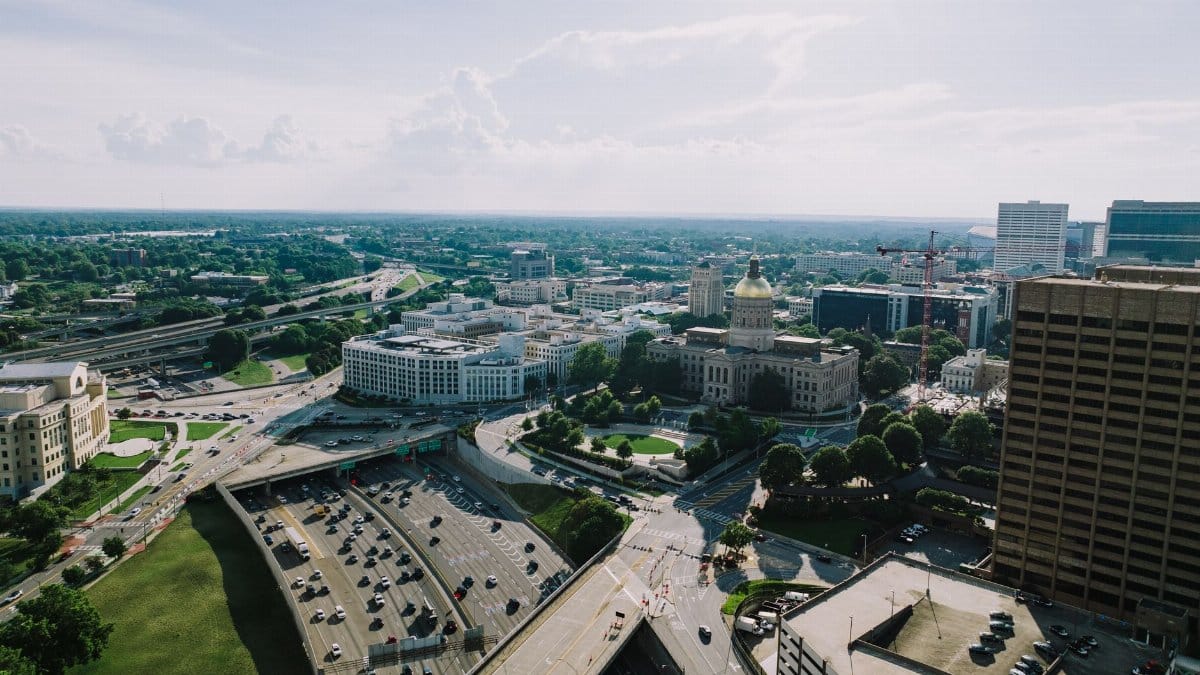
Minneapolis and St. Paul absorb these days whether or not residents are flying. Hotel desks fill with people who have no interest in the lakes. Restaurants near the airport do a strange Sunday trade in delayed families ordering the fastest thing on the menu. Ride share prices jump. Rental counters face customers who need a car for four hours and a customer record that assumes a week. The civic fact is easy to miss from a national headline: a network failure lands as a local housing and transport problem for half a day, then vanishes from the news while some of the stranded are still in line.
Airport cities learn to treat this as weather of a different kind. The learning is incomplete. There is no public shelter plan for a software outage, no shared message that tells a visitor where to sleep if every airport hotel is full. The burden falls on private counters and on the patience of night shift workers who did not schedule a national disruption into their evening.
After the Boards Turn Green Again

When departures resume, the temptation is to treat the episode as a glitch, a word that shrinks a structural exposure into an anecdote. The better question is how many critical calculations now live in one system, and what manual capacity remains if that system goes dark on a holiday or during a storm that is already stressing crews. Airlines, the vendors who build these tools, and the regulators who oversee safety share that question. Passengers cannot audit the code. They can insist that communication be plain, that refund and rebooking rules be applied without a scavenger hunt, and that a safety stop be explained as safety rather than as mystery.
The Delta outage MSP produced on Sunday will fade from departure boards faster than it fades from the group chats of people who slept in the wrong city. It should not fade from the way a hub thinks about its own dependence. Close to 2,000 delayed flights is a large number. It is also a map of how tightly ordinary American movement is now tied to software most travelers never knew they were trusting, until the number that lets a jet leave refused to appear.