

On a Tuesday evening in Ballard, the windows of a small studio fog from the inside while rain ticks against the glass. People who spent the day in offices, kitchens, and classrooms sit with wool in their laps and talk in low voices about tension, color, and the week they just lived. This is one face of Seattle fiber arts, a loose network of knitters, weavers, and sewers who are treating handwork less as a hobby aisle purchase and more as a way to be with other people. The appeal is not nostalgia alone. It is the feeling of making something that cannot be scrolled past, and of being known by the person in the next chair.
Rooms that stay open after the commute
The change is easiest to notice after dark. Yarn shops that once locked the door at closing time now leave a table lit. Libraries host stitch nights. Community centers lend folding chairs to people who arrive with project bags and leave with a phone number written on a receipt. In a city often described as polite and a little distant, two hours of shared silence can do more social work than a mixer with name tags. Conversation begins with a dropped stitch and wanders toward a new job, a sick parent, or a move across the water. Nobody has to perform. The hands are already busy.
Why the hands matter as much as the talk
Fiber work asks for attention that a screen rarely rewards. A row of knitting has a beginning and an end. A warp on a loom either holds or it does not. A seam either lies flat or it puckers. That clarity is part of the comfort. People who track Seattle fiber arts say the rooms feel fuller than they did a few years ago, not because everyone suddenly became an expert, but because beginners are willing to be seen learning. Mistakes are public and ordinary. Someone leans over, shows a fix, and sits back down. The help is specific. It does not require a speech about belonging.
Knitting as a civic habit
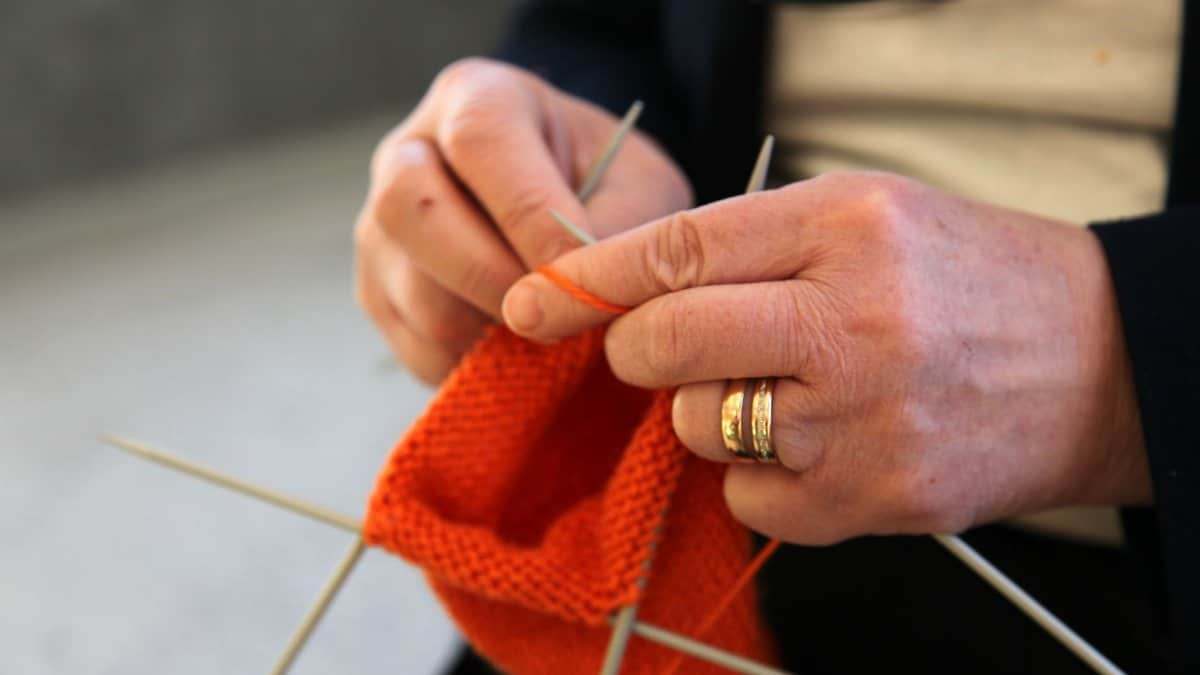
Knitting circles have always doubled as newsrooms of a private kind. What feels newer is how deliberately some groups describe themselves as open. A regular night in Capitol Hill or West Seattle may include retirees, nurses getting off a late shift, students, and parents who timed the sitter for ninety minutes. The project on the needles is the ticket in. Once people return for a third week, the group starts to carry small obligations: a ride home in heavy rain, a text when someone misses two meetings, a hat finished for a neighbor who is cold. These are not grand gestures. They are the texture of a life that has more than one address.
Looms and the slow clock
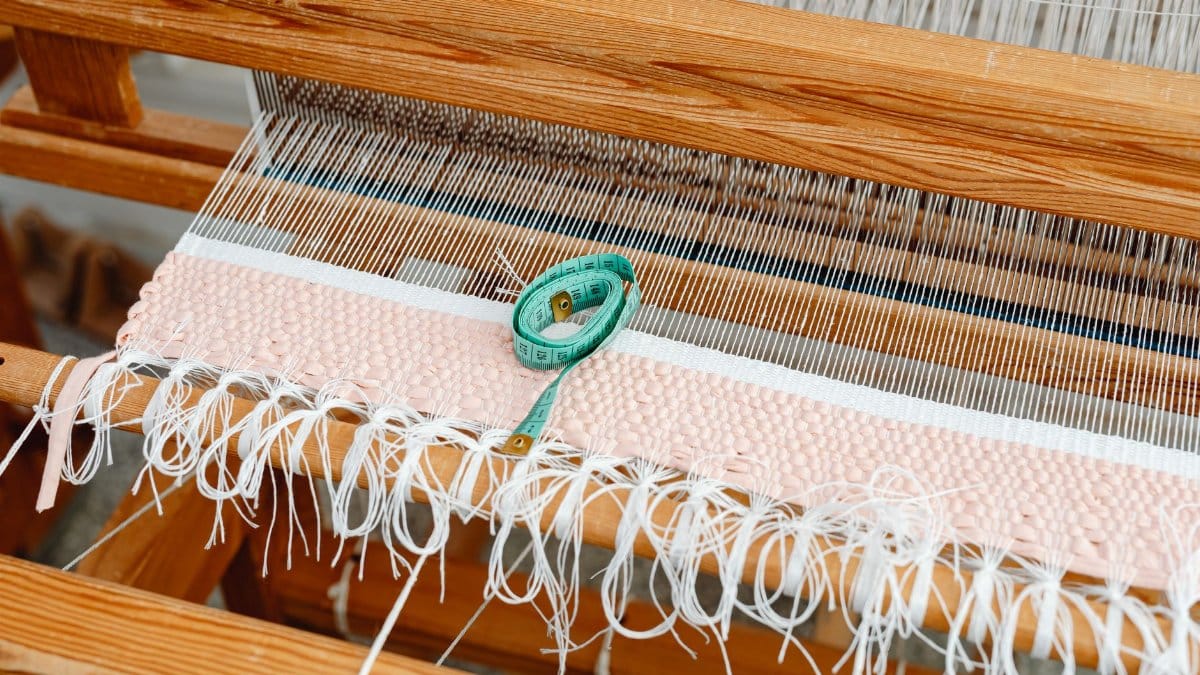
Weaving occupies a different tempo. Setting up a loom can take longer than weaving the cloth itself, which is a hard sell in a culture that counts minutes. Yet studios report wait lists for introductory classes, especially in the wet months when the outdoors offers less reward. Students learn to read a draft, to keep an even beat, to accept that a mistake ten inches back may have to stay in the cloth. Teachers say that surrender is the real lesson. Not every error can be undone without destroying the work. Living with the flaw, and still calling the piece finished, turns out to be a spiritual exercise dressed up as a craft technique.
Sewing and the return of ordinary competence

Sewing draws a crowd that does not always overlap with the knitting crowd. Some people come to mend a coat they cannot replace. Others want a dress that fits a body the ready to wear market ignores. A few are chasing the pleasure of a precise line. Part of the draw of Seattle fiber arts is that the skill is visible on the body the next day. A repaired cuff or a handmade shirt is a quiet argument against the idea that value only arrives in a box. It also restores a kind of adult competence that many people lost when clothes became cheap enough to discard. Knowing how a garment is built changes how a person shops, and sometimes how a person votes with a wallet.
Teachers who keep the lights paid

Behind the romance of handmade cloth is rent, insurance, and the cost of good wool. Independent teachers stitch together a living from evening classes, private lessons, and the occasional workshop that sells out. They are part shopkeeper, part counselor, part technician. A good teacher can tell when a student is frustrated with the yarn and when the student is frustrated with the week. The best of them do not turn the studio into group therapy. They keep the standard of the craft high enough that people feel proud, and the welcome wide enough that pride is not a barrier. That balance is harder than it looks, and it is why some beloved rooms survive while trendier ones fade.
Patterns that cross generations

A map of Seattle fiber arts would include yarn shops, weaving studios, quilting bees, and sewing labs scattered from Shoreline to Columbia City. It would also include kitchen tables where a grandmother’s written instructions, smudged and incomplete, get translated by a grandchild with a phone and a lot of patience. Those handoffs are not automatic. Young makers sometimes want cleaner instructions and brighter colors. Older makers sometimes want the old gauge and the old stories told correctly. The interesting rooms are the ones where both demands are allowed to stand. A pattern becomes a conversation rather than a relic. Authenticity, in this setting, is less a brand and more a willingness to say where a stitch came from.
The rainy months as a kind of liturgy

Washington’s long gray season gives fiber work a calendar. People start larger projects in October and hope to bind them off before the light returns in earnest. The repetition suits the weather. Rain on a roof and the click of needles share a rhythm that does not ask to be optimized. Some participants talk about the practice in language borrowed from prayer or meditation, though many would never use those words in public. They mean a set time, a set place, a repeated gesture, and a community that notices if you are absent. Spiritual hunger does not always arrive wearing religious clothes. Sometimes it arrives as a sweater that takes forty hours and cannot be rushed.
Markets, fairs, and the risk of performance

Craft fairs and holiday markets bring the private work into public view, which is both a gift and a strain. A maker who loved the quiet of a Tuesday circle may suddenly be pricing labor in front of strangers who compare it with a big box sweater. The honest answer, that the hours do not pencil out, can sound like a scold. It can also be a revelation. Shoppers who stay long enough to watch a demonstration often leave with a different sense of what cloth costs in human time. The risk is that the fair becomes the point, and the Tuesday circle becomes marketing. Groups that last tend to protect at least one night that is not for sale.
Loneliness is not solved by a skein of wool

None of this means Seattle fiber arts will solve loneliness by itself. A circle can be cliquish. A studio can be expensive. A person can sit in a room full of knitters and still feel outside the joke. Disability, language, cost of materials, and transit all shape who gets through the door. The most thoughtful organizers know this and act on it: loaner needles, sliding scale classes, captions on a video demonstration, a seat that does not require standing for an hour. Community is not a mood. It is a set of decisions about who is expected to show up already equipped.
What the finished object carries home
When the project is done, the social part does not vanish. A blanket on a couch is evidence that time was spent with particular people in a particular winter. A scarf might hold a story about the night the power flickered and everyone kept knitting by phone light. These objects are not relics in a museum sense. They get used, pilled, washed, and sometimes given away. Their value is that they remember a room the wearer can no longer see. In a region where so much work disappears into files and feeds, a physical trace has a strange authority. It says someone was here, and someone else sat close enough to help.
A modest claim for a noisy time

It would be easy to oversell the moment. Fiber work is old. Guilds, church sewing groups, and Indigenous weaving traditions in this region long predate the current wave of classes and clubs. What feels distinct now is the number of people arriving without a family teacher, looking for a practice that is real in the hands and shared in the room. They are not rejecting modern life so much as refusing to let it be the only texture of the week. Still, Seattle fiber arts keeps offering a rare bargain: time spent with materials and with other people, in the same hour. The rain will keep coming. The chairs, if the lights stay on, will keep filling.