

On a November afternoon when many Chicago households were already bracing for winter heating bills, a warning from the regional central bank landed with unusual plainness. Austan Goolsbee, president of the Federal Reserve Bank of Chicago, suggested that inflation running near 4 percent, and spreading into services such as health insurance, could be painful to try to get rid of if it stays high for long. The phrase Chicago Fed inflation is not usually the language of dinner table talk, yet the point behind it is familiar to anyone renewing a policy, filling a prescription, or watching a rent notice climb. WTTW reported the remarks on November 16, 2026, and they arrive at a moment when price pressures have refused to fade as neatly as many forecasters once hoped.
A warning spoken without ornament

Central bankers often prefer carefully hedged sentences. This one did not hide the discomfort. Persistent high inflation, Goolsbee indicated, is not a nuisance that policy can sand away without cost. If prices keep running near 4 percent, and if that heat moves from goods into the services people cannot easily skip, bringing inflation back down may require a period that feels harsh to workers, borrowers, and businesses alike.
The reporting, available through WTTW, framed the comment as a caution rather than a forecast of imminent crisis. That distinction matters. A warning about pain is not the same thing as a promise of recession. It is a reminder that the last mile of disinflation has a history of being slower, and politically louder, than the first.
Why a rate near 4 percent still unsettles policy makers
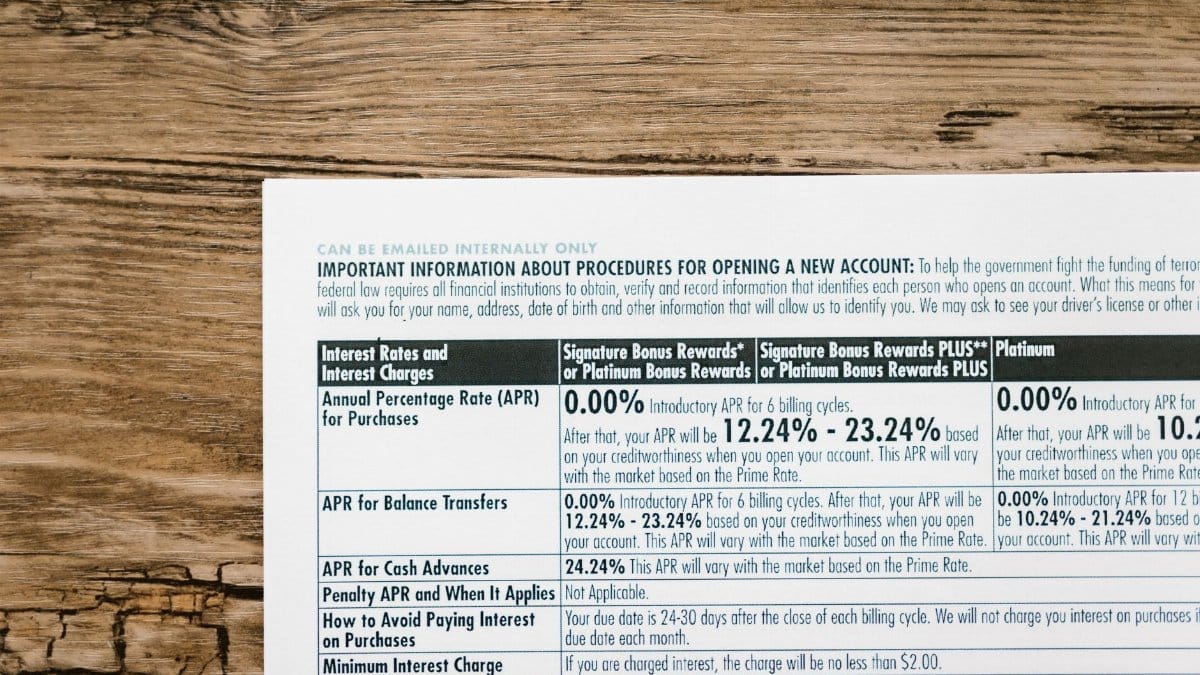
Four percent does not sound like the double digit scares of an earlier generation. For a central bank whose longer run goal has been inflation around 2 percent, though, a pace near twice that target is not a rounding error. It changes how people set wages, how firms write contracts, and how families decide whether a raise is real or merely a chase after last year’s bills.
Economists sometimes talk about expectations as if they were a mood. In practice they are a set of habits. A landlord who assumes costs will keep rising prices the next lease accordingly. An insurer who sees medical claims climbing builds that path into premiums. A worker who has watched groceries and transit fares jump for several years asks for more at the next review, not because of greed, but because the old number no longer covers the week. Once those habits lock in, a gentle slowdown in goods prices is not enough to reset the system.
When the pressure shifts from goods to services

The early burst of recent inflation was easy to picture. Ships waited outside ports. Car lots stood thin. A disrupted goods economy pushed sticker prices up in ways shoppers could see on a single trip. Services inflation is quieter and, in some ways, stickier. A haircut, a daycare slot, a hospital bill, an insurance renewal: these prices move with wages, rents, regulation, and local capacity more than with a container ship.
Goolsbee’s reported concern that the pressure is spreading into services is therefore more than a technical footnote. Goods can reprice quickly when supply heals. Services often reprice on annual cycles, and they are tied to the labor market in the very cities the Chicago Fed is charged with understanding. If those prices keep firm, the national inflation rate can look stubborn even after the headlines about supply chains have gone quiet.
Health insurance as a stress test for households

Health insurance is a particularly sharp example because families encounter it as a lump, not a drip. A premium notice arrives once, and the number can erase the feeling of a modest raise. Deductibles and copays then keep charging interest, in a metaphorical sense, on every ordinary illness. When inflation shows up there, it does not feel like a statistic. It feels like a choice between coverage and something else the household needed.
That is one reason Chicago Fed inflation debates travel so quickly from trading floors to kitchen counters. The Chicago region mixes large hospital systems, a vast service workforce, and neighborhoods where insurance is already a strain. A president of the regional bank who names health insurance is naming a bill that does not care whether the listener follows monetary policy.
None of this means the Fed sets insurance prices. It does not. It does mean that a broad inflation problem living inside services will not be solved by cheaper televisions alone. The prices that dominate a family budget in middle age, housing, care, insurance, utilities, are exactly the ones that tend to cool last.
Why getting rid of high inflation can hurt

The painful part of the warning is not rhetorical color. To slow demand enough that firms stop passing costs forward, the central bank usually keeps borrowing costs higher than households would prefer. Mortgage rates stay elevated. Car loans and credit cards bite. Businesses delay hiring or expansion. The aim is not suffering for its own sake. The aim is to stop a higher inflation rate from becoming the new normal, because a normal near 4 percent would quietly tax savings, squeeze fixed incomes, and force ever larger wage demands just to stand still.
History offers a blunt lesson without requiring a single dramatic chart. When policy makers wait until high inflation feels permanent, the later correction tends to cost more jobs than an earlier, steadier response. When they slam the brakes too hard, they can break employment before prices have fully turned. Goolsbee’s phrase, painful to try to get rid of, sits in that narrow corridor. It acknowledges cost without pretending the alternative, living with faster prices indefinitely, is free.
What a regional Fed president is actually watching

The Federal Reserve Bank of Chicago is one voice in a national system, not a solo pilot. Its president sits with other regional presidents and the Board of Governors when interest rate decisions are made. The local brief still shapes the national argument. Manufacturing across the Midwest, farm income, city rents, small business credit, and the health of state and local governments all feed into how a Chicago president reads the data.
That local lens can cut against simple national stories. A coastal boom and a Midwestern slowdown can exist in the same month. Services inflation in health care can run hot while goods inflation fades. A labor market can look tight in hospitals and looser in warehouses. The value of a regional president is the willingness to say the picture is uneven, and that an average can conceal the very prices households feel most.
Jobs, wages, and the risk of oversteering

Any honest account of this warning has to hold two facts at once. High inflation injures people who cannot bargain easily, including retirees and workers whose pay adjusts slowly. A sharp tightening injures people whose jobs disappear first, often in the same communities. The Fed’s formal charge is stable prices and maximum employment. Those goals are partners in the long run and rivals in the short run.
If services inflation is being driven by scarce workers in care, education, and skilled trades, higher interest rates are a clumsy tool. They cool demand broadly. They do not train nurses or build clinics. Yet leaving price growth near 4 percent unchecked also fails those workers, because a wage gain that is eaten by premiums and rent is not a gain. The painful path Goolsbee described is the path of trying to protect both goals when the easy part of the inflation decline is already over.
How markets and Main Street hear the same sentence differently

Investors translate a comment like this into probabilities about the next rate decision. They ask whether the Chicago president sounds more worried about prices than about growth, and they move bond yields accordingly. Households translate it into a simpler question: will my costs stop rising before my budget breaks, and will my job still be there while that happens?
Both readings are fair. Financial conditions are one of the channels through which Fed talk becomes rent, payrolls, and loan approvals. A caution that inflation may be hard to dislodge can keep longer term borrowing costs from falling as fast as borrowers hope. That is not a side effect. It is part of how policy works when officials believe price pressures remain too firm.
It is also why tone matters. A regional president who says the cleanup could be painful is asking the public to hear difficulty without hearing doom. The difference is real, and it is easy to lose in a headline.
What is known, and what this remark does not settle

The public record here is narrower than the anxiety around it. WTTW reported that Goolsbee sees inflation near 4 percent, worries that it is reaching services including health insurance, and believes persistent high inflation could be painful to try to get rid of. That is a substantial warning. It is not a full forecast, not a vote already cast, and not a claim that every price in the economy is accelerating.
Readers should be wary of filling the gaps with certainty. Month to month inflation figures jump. One insurance renewal season can look worse than the trend. A single speech can be overread as a promise of several rate increases or as a shrug. Neither reading is required by the words as reported. The responsible stance is to treat the comment as a signal that officials still see the inflation fight as unfinished, especially where services dominate household spending.
A practical way to follow the next chapter

For a broad audience, the useful habit is not to memorize every decimal. It is to watch whether services prices, and health coverage in particular, cool on a sustained basis, and whether the labor market bends without breaking. Those two developments together would suggest that the painful part of disinflation can stay limited. If services keep running hot while job growth fades, the trade off Goolsbee named will move from theory to lived experience.
Chicago Fed inflation will remain a national story with a local accent for as long as prices in services refuse to settle. The president’s warning does not ask households to become monetary experts. It asks them to take seriously a simple, uncomfortable idea: leaving inflation high has a cost, and bringing it down has a cost, and pretending either cost is zero is how trust in the numbers erodes. The work ahead is to choose the smaller cost, early enough that it does not have to become the larger one.