
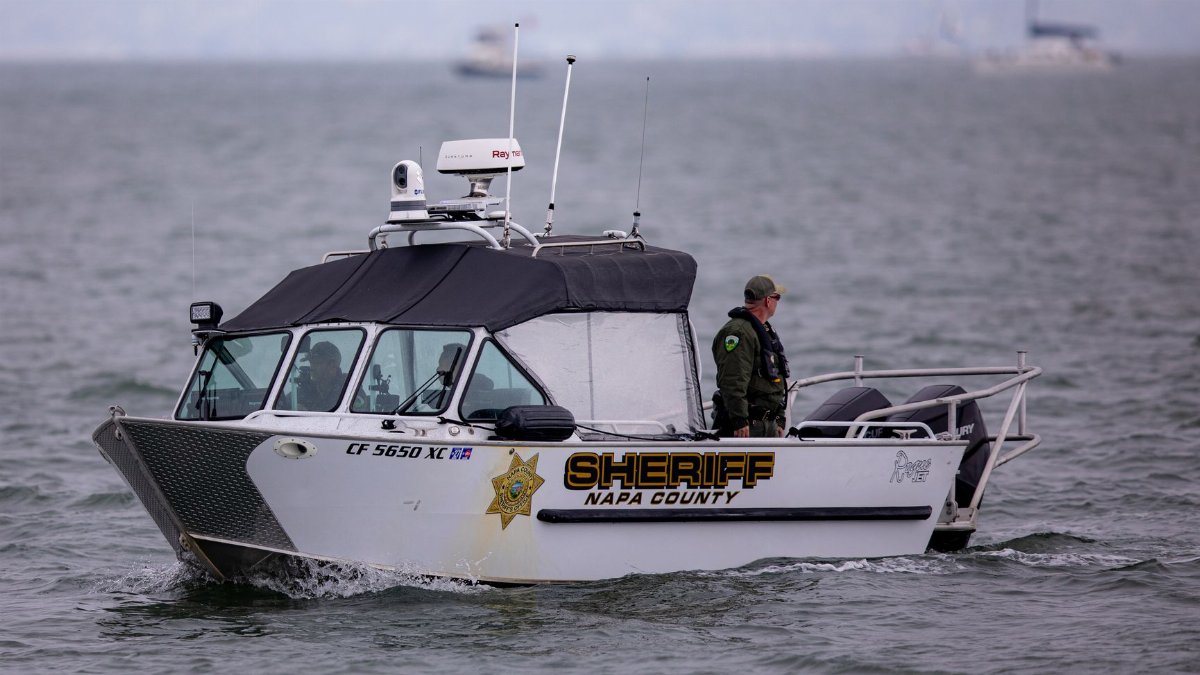
Rain has a way of rearranging a city before the first puddle appears on the sidewalk. People move cars earlier, cancel errands, and stare at weather maps with the attention usually reserved for a delayed flight. In San Francisco, that rearrangement now includes the curb itself. City leaders have said San Francisco parking enforcement at meters and time limits will be suspended from Monday through Wednesday while a storm and possible record tides bear down on the waterfront.
What the three day pause actually covers
The announcement is narrower than a casual reading might suggest, and that distinction matters. Meters and posted time limits are the rules being set aside. The point is practical. Officials do not want residents circling blocks, hopping out in wind, or walking long distances to feed a meter while the forecast turns ugly. A pause on those rules is a small mercy in a city where a short errand can become a parking project.
It is not a holiday from every curb rule ever written. Blocking a driveway, sitting in a bus stop, or leaving a car where it obstructs a fire crew is still a bad idea and, in ordinary practice, still enforceable. Drivers who treat the notice as a blanket permission slip are likely to learn the difference the hard way. The wiser reading is simple: the city is easing the rules that force people onto the street for no good reason, not inviting chaos.
Why a storm changes the meaning of a curb
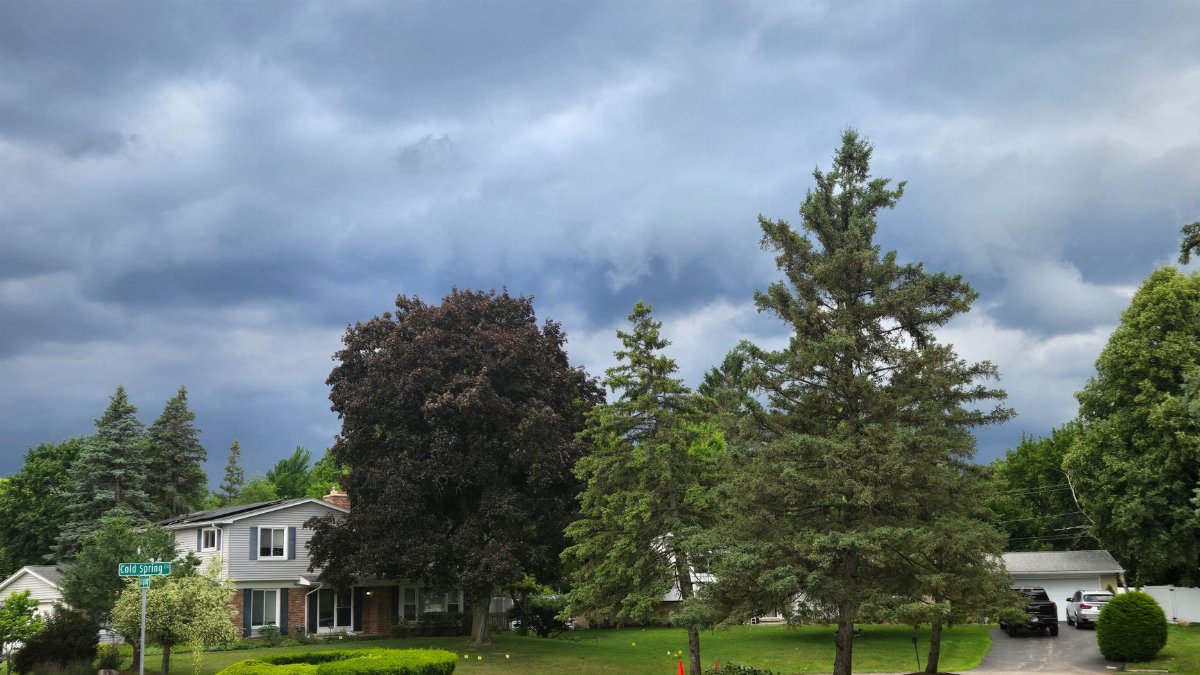
San Francisco is a city of hills, tight streets, and neighborhoods where the curb is shared property in all but name. On a calm Tuesday, a meter is a transaction. During a storm, it becomes a reason to leave the house at the wrong moment. People dash out between squalls. They misjudge how long a grocery run will take. They return to a ticket and a soaked coat, angry at a system that did not bend.
Suspending San Francisco parking enforcement at meters and time limits is an attempt to bend. It acknowledges that weather is not a private inconvenience. When rain, wind, and high water arrive together, the ordinary choreography of city life slows down. A government that keeps demanding exact compliance in those hours looks less like order and more like indifference.
High water and the streets nearest the bay
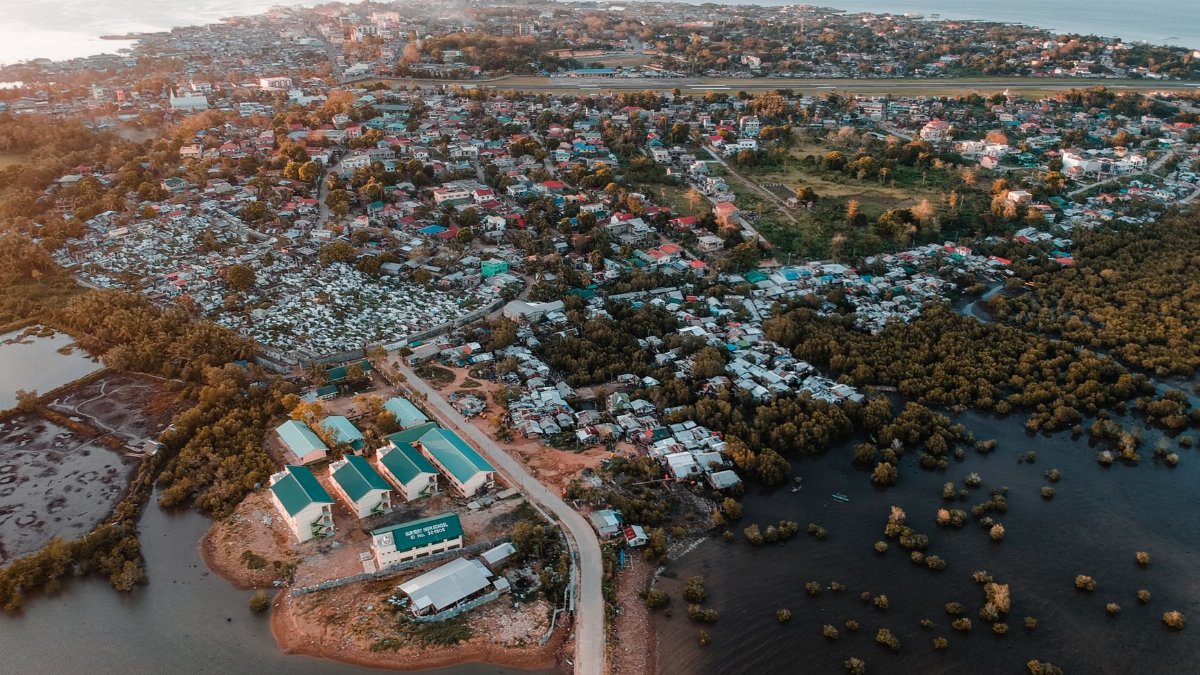
The tide forecast is the part of this story that should make drivers look twice at where they leave a car. Possible record tides can push bay water into low streets, garage entries, and lots that seem fine at noon and hostile by evening. A vehicle that is legal at a curb can still be ruined if that curb floods. No ticket waiver repairs a soaked engine or a salt stained interior.
Residents near the Embarcadero, Mission Bay, the Marina, and other low ground already know this rhythm. They watch the clock as carefully as the sky. Moving a car uphill, even a few blocks, can matter more than any posted sign. The city can pause a meter. It cannot pause the ocean.
What drivers should do before the rain settles in
The useful preparation is unglamorous. Check the street in daylight. Note whether the block drains well or holds a lake at the gutter. If the car sits in a dip, move it. If a garage is available, use it. Tell a neighbor if you are leaving town and the vehicle is exposed. These are old habits, and they work better than hope.
People who must drive to work should leave extra time and pick a spot that does not depend on a quick return to the meter. The suspension removes one pressure. It does not remove traffic, standing water, or the chance that a street will close if crews need room. A charged phone, a full tank, and a plan for getting home without a last minute curb hunt will do more than any social media rumor about what is and is not allowed.
The ticket that usually waits at the windshield
On a normal week, parking is one of the most intimate ways San Francisco touches its residents. A citation is small beside rent, and still large enough to sour a day. Meters, time limits, street cleaning, and residential permits form a code that visitors learn by penalty. Longtime drivers learn it by memory, then forget a street cleaning day and pay anyway.
That background explains why a short suspension draws attention. It is not only about the storm. It is about a city where the curb is policed with unusual consistency, and where many people feel the rules are easier to break by accident than to follow by design. For three days, part of that machinery goes quiet. The quiet will feel like relief to anyone who has ever sprinted back to a blinking meter.
Small businesses and the customers who linger

Shop owners tend to read parking news as customer news. A suspension can help people stay through a downpour instead of cutting a visit short to avoid a ticket. It can also mean cars sit longer in front of a storefront, leaving fewer open spaces for the next arrival. Both effects are real, and neither is easy to measure in the middle of a storm, when foot traffic drops for reasons that have nothing to do with signs.
Restaurants near commercial strips may see the change as a modest kindness to staff who park and then work a long shift. Clinics and pharmacies may care more about whether patients can reach the door without wading. In each case, the curb is not an abstract policy zone. It is the last fifty feet of a trip, and those feet get harder when the wind is up.
Street cleaning, permits, and the rules that remain
Anyone reading the notice should slow down at the details. A pause on meters and time limits does not automatically erase residential permit rules, street cleaning, or tow away zones. If a particular restriction is not named, assume it still applies until the city says otherwise in plain language. That caution is not scolding. It is how you avoid a costly surprise on Thursday morning.
Confusion spreads fast in weather like this. A neighbor repeats half a sentence. A group chat upgrades a rumor into a fact. The adult move is to check an official city channel before acting on secondhand certainty. San Francisco parking enforcement is specific by nature. A partial suspension is still specific. Treat it that way.
Crews who still have to reach the block

While drivers get a break from meters, other city workers do not get a break from the storm. Drain crews, transit operators, police, and tow teams may need clear space on short notice. A car parked nose out into a narrow street, or left where water already sheets across the lane, can slow the very response the forecast requires. Courtesy becomes a public service when the road is the only way help arrives.
This is the part of parking that rarely makes a headline. The space beside the curb is also the space beside a hydrant, a corner, a bus, and an ambulance. Yielding that space costs nothing on a dry day and can matter a great deal on a wet one. The suspension asks for less fuss at the meter. It does not ask for less judgment.
How a dense city learns to flex
Big cities like to look consistent. Consistency is how strangers share streets without negotiating every inch. Weather is the argument against perfect consistency. When the forecast includes damaging wind and water high enough to rewrite a shoreline block, rigid habits start to look foolish. A three day easing of meter and time limit rules is a small flex, and small flexes are how a government shows it is watching the same sky as everyone else.
There is a civic lesson in that, if one wants it. Trust grows when rules bend for a stated reason and return on a stated day. Trust thins when exceptions feel random, or when residents cannot tell which rule still binds them. Clear language is the whole game here. Monday through Wednesday. Meters and time limits. Then the ordinary city resumes.
The ordinary city, waiting on the other side
Storms end, and tickets return. That is not cruelty. It is the bargain of a place with more cars than curb. When the rain eases and the tides fall back, San Francisco parking enforcement will matter again in the familiar way: a meter, a limit, a sign, a choice. People will complain, as they always have, and they will also rely on the same system to keep a bus lane open and a corner clear.
Until Wednesday night gives way to the next ordinary morning, the better use of attention is the water, the wind, and the car you do not want to find in a flood. Feed the people in your household, not the meter. Move what you can move. Leave room for the crews who will still be out when the rest of us are glad to be inside. The curb can wait. The storm will not.