

On a gray morning in Woodbury, the line of brake lights along the freeway approach has a familiar patience. People check the clock, sip coffee gone lukewarm, and calculate whether an earlier departure would have mattered. Into that routine comes a date that transit planners have circled for months. The Gold Line extension is set to open on March 27, promising a two dollar ride that stays in one seat from Woodbury to downtown Minneapolis, using shoulder lanes along Interstate 94. For riders who have treated the east metro commute as a private negotiation with traffic, the opening is less a ribbon cutting than a change in the morning arithmetic.
A date that arrives before the thaw

March in Minnesota is an honest month. Snowbanks shrink and return. Sidewalks glaze overnight. Transit agencies that wait for postcard weather often wait too long, so a late March start has a certain logic. It puts new service on the street while winter habits are still intact and before summer construction season rearranges every detour in the region.
An opening date is also a promise to people who plan their lives in increments of school bells, shift changes, and daycare pickup windows. If the buses roll when officials say they will, trust accumulates faster than any slogan. If they do not, the memory lasts longer than the delay. That is the quiet stake of March 27. The calendar is public. The performance will be too.
What two dollars actually buys
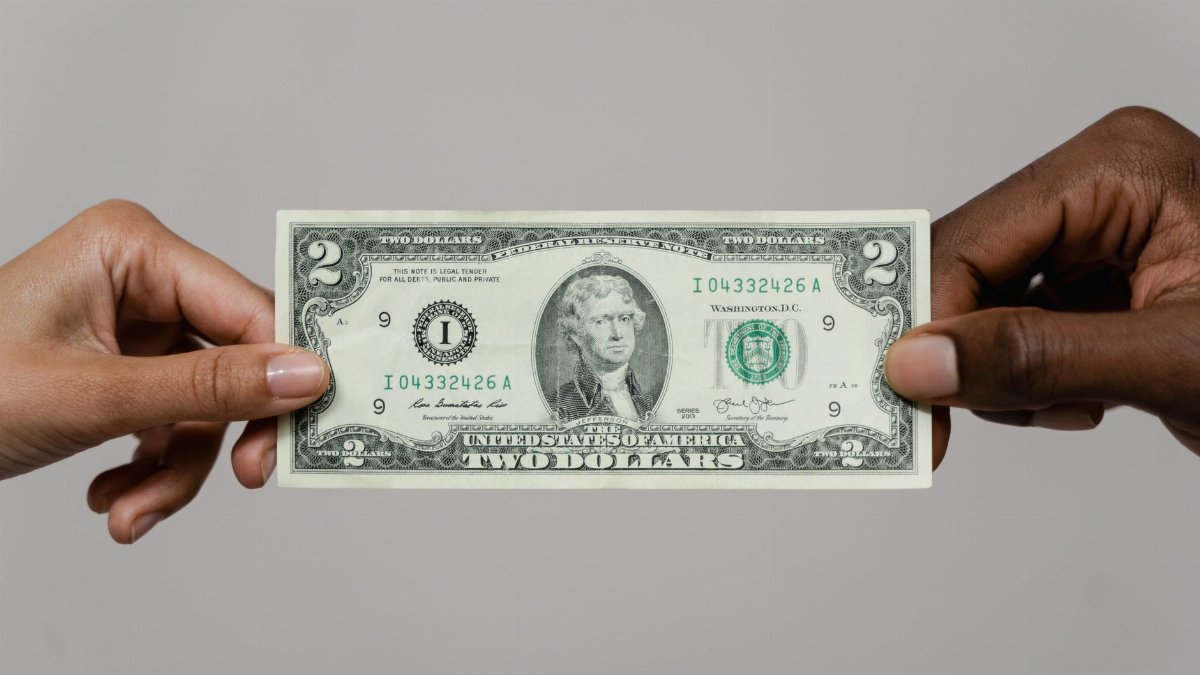
The fare is simple enough to repeat at a kitchen table. Two dollars. Not a zone puzzle. Not a transfer penalty that punishes anyone who lives past the first ring of the city. A flat price has a civic tone. It says the trip is meant to be understood without a brochure.
Price alone does not make a service generous. Frequency, reliability, and the feeling of not being stranded after dark matter more than a round number. Still, a low fare changes who even considers the option. A parent comparing gas, parking, and the cost of being late may find that two dollars is not a luxury. It is a hedge. For workers whose wages do not stretch to downtown garages, the number is the difference between a theoretical network and a usable one.
Agencies sometimes bury the fare in apps and fine print. Here the figure is part of the pitch. That clarity is worth protecting. Riders remember surprises, and not kindly.
Shoulder lanes and the art of borrowing space
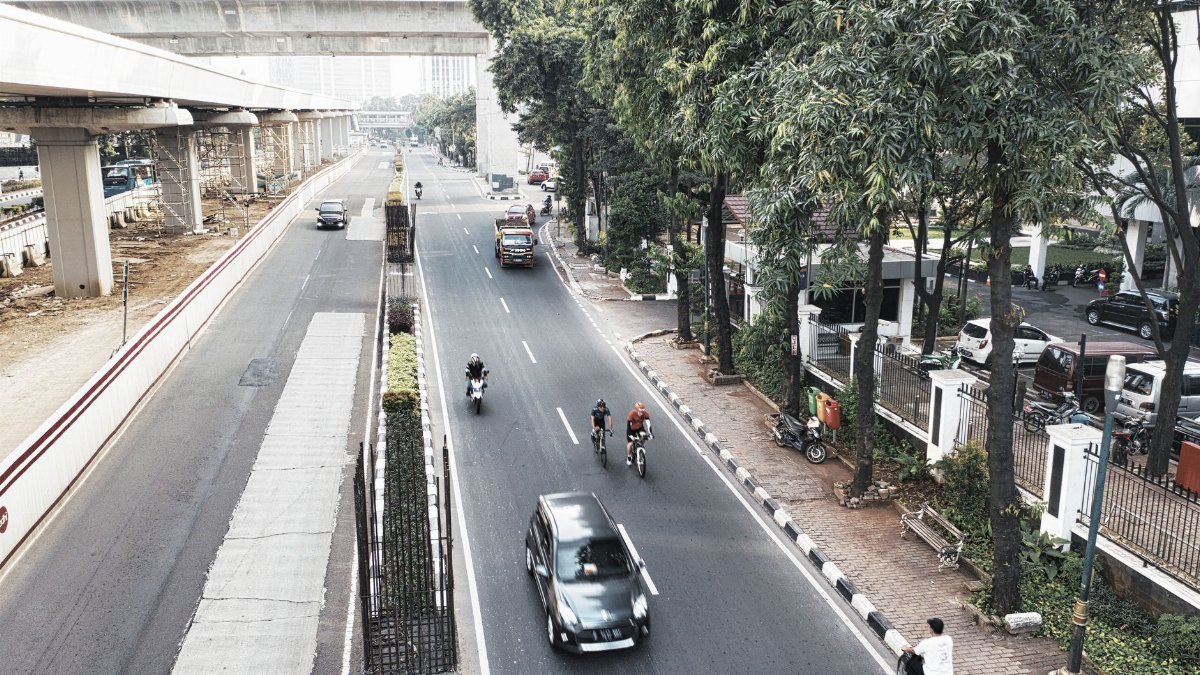
The route leans on shoulder lanes beside Interstate 94, a choice that reveals both ambition and constraint. Building a new exclusive guideway through a built corridor is slow and expensive. Using the shoulder is a way to claim time without claiming a decade of construction. Buses slip past stopped traffic in spaces most drivers treat as emergency margins. Done well, the maneuver feels almost unfair, in the way a good shortcut should.
Done poorly, it feels precarious. Shoulders were not designed as a second freeway. Debris collects there. Breakdowns happen there. Winter narrows the usable width. Operators need clear rules, and drivers in the general lanes need to understand that a bus appearing on their right is not a mistake. The Gold Line extension will be judged in those seconds, not in renderings. If the shoulder running is steady, the whole concept of a one seat ride gains credibility. If it is stop and start, the freeway will have donated space without donating speed.
There is a larger lesson in the design. Regions that cannot wait for perfect right of way still have to move people. Borrowed space is a compromise. It is also, sometimes, the only honest path between a plan and a timetable.
One seat from Woodbury to the core
Transfers are where good intentions go to wait in the cold. A map can show a connection that looks elegant. The platform tells a different story: a missed bus, a stroller, a shift that starts whether or not the next vehicle arrives. The promise of one seat from Woodbury to downtown Minneapolis is therefore not a minor convenience. It is the heart of the offer.
East metro riders have long been asked to assemble trips from pieces. Drive to a lot. Board a bus. Change again near the river. Each piece adds risk. A through ride collapses that stack. It also changes the emotional temperature of the commute. You sit down once. You watch the corridor pass. You arrive without negotiating a second schedule in your head.
That simplicity will matter most to people who are new to transit, or returning after years of driving. Veterans already know the tricks. Newcomers need a trip that does not require insider knowledge. One seat is insider knowledge made unnecessary.
Who feels the difference first

Woodbury is not a cartoon of suburbia, and downtown Minneapolis is not a single kind of job. The people most likely to notice the opening are those whose days already bend around the freeway: hospital shifts, office hours that still exist, service work that starts before the coffee shops, students crossing the metro for a class that will not move to fit a bus.
Older riders may care less about speed than about whether the stop is lit, whether the driver waits a beat for a slow step, and whether the fare is payable without a scavenger hunt. Younger riders may care about whether the time saved is real on a Thursday in sleet. Employers along the corridor may notice only when parking complaints dip or when a worker stops arriving rattled. The Gold Line extension does not need universal conversion to succeed. It needs a loyal core whose mornings become more predictable.
There is also the household that owns one car and shares it badly. A reliable bus can unknot that argument. Transit planners rarely put marital peace in their metrics. Riders might.
Reliability as the only luxury that counts

Glossy vehicles age. What lasts is whether the bus is there when the schedule says it is. Shoulder running will be tested by weather, by crashes on the main lanes, and by the ordinary clog of a regional freeway. Riders will grant a new line a short grace period. They will not grant it a personality of maybe.
Agencies can help themselves with plain communication. If a shoulder is closed, say so early. If a trip is late, show the lateness without euphemism. Middle aged commuters, the ones who have been burned by optimistic apps, respond to candor. They would rather adjust a departure than discover a fiction at the stop.
Reliability is also a labor question. Operators who know the corridor, who are not stretched across impossible splits, who can report a hazard and see it addressed, are part of the infrastructure. A lane is concrete and paint. A trustworthy ride is people.
The east metro habit, revised
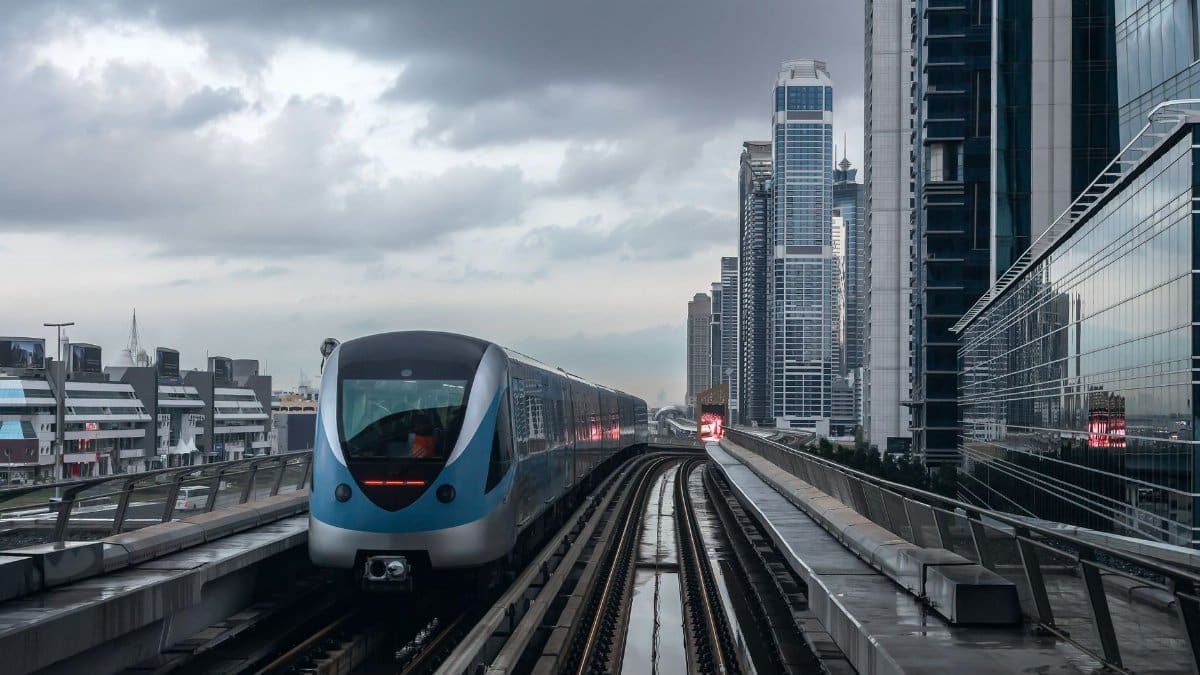
Driving on Interstate 94 has been a kind of regional rite. You learn the merge. You learn which lanes die. You learn the particular gloom of a January afternoon when the sun never quite commits. A bus on the shoulder does not erase that culture. It offers a parallel one, visible from the driver’s seat, which may be the most effective advertisement available.
Seeing a bus pass while you sit still is a moral experience, mild but real. Some drivers will resent it. Some will wonder, the next week, whether they should try it. That curiosity is how networks grow, not through lectures about emissions, though those arguments remain sound, but through the small humiliation of being passed by a vehicle that costs two dollars.
If the extension holds its schedule, the sight will repeat. Repetition is how a novelty becomes a habit, and habit is how a region quietly changes its mind.
What the opening does not settle
A start date answers one question and leaves a dozen standing. Will midday service be frequent enough for errands, or only for the classic commute. Will evening trips feel safe at the stops. Will connections to local routes in Woodbury and beyond be timed with care, or left as an exercise for the rider. Will fares stay at two dollars, or drift once the headlines fade.
Land use will answer some of this more slowly than any bus. Stops surrounded by parking and wide roads ask people to arrive by car in order to avoid driving. That paradox is familiar across American suburbs. The line can still be useful. It will be more useful if walking, biking, and local buses are treated as part of the same promise rather than as someone else’s department.
Funding is the other unsettled ground. Service that looks generous in a launch month can thin when budgets tighten. Riders should watch the schedule six months from now with the same attention they give the opening week. The Gold Line extension will be defined by what remains after the cameras leave.
A commute with a little more room to think
There is a modest spiritual claim hidden in ordinary transit, if one is willing to use the word without incense. A drive demands constant micro decisions. A bus, when it works, returns a portion of attention. You can look at the light on the river bluffs. You can finish a thought. You can arrive less clenched. That is not enlightenment. It is relief, and relief is not nothing in a working life.
Journalists should not baptize a bus line. The test is practical. Does March 27 produce a ride that is clear, cheap, and repeatable. Does the shoulder deliver time. Does one seat spare people the small defeats of transferring in the wind. If yes, the east metro gains a tool. If no, the region gains another lesson in how not to spend public patience.
Either way, the brake lights will still be there on opening morning. Some of them may thin. Some drivers will stay, unconvinced, which is their right. The new fact on the corridor is simpler than a vision statement. A two dollar bus is scheduled to carry people from Woodbury to downtown Minneapolis without asking them to stand up and start over halfway. In a season that has not yet decided to be spring, that is a concrete kind of hope.