
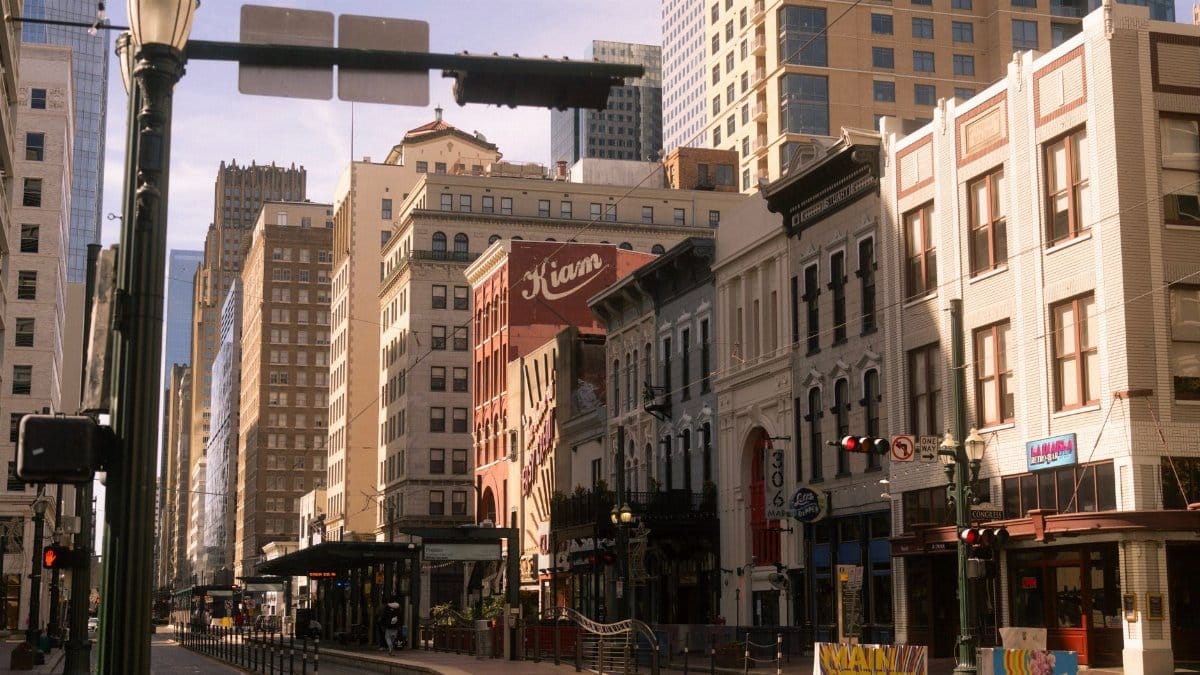
On a humid afternoon near the Texas Medical Center, a parking garage and a cluster of clinical towers occupy ground that once held a green carpet, a pool large enough for ski shows, and a lobby meant to announce that Houston had arrived. The Shamrock Hotel is gone, and so are dozens of other rooms, stages, and porches that shaped daily life here. When people talk about lost Houston buildings, they are rarely arguing about architecture alone. They are naming the places where a first job, a wedding reception, or a chance meeting with a mayor used to have an address.
A city that clears the lot and starts again
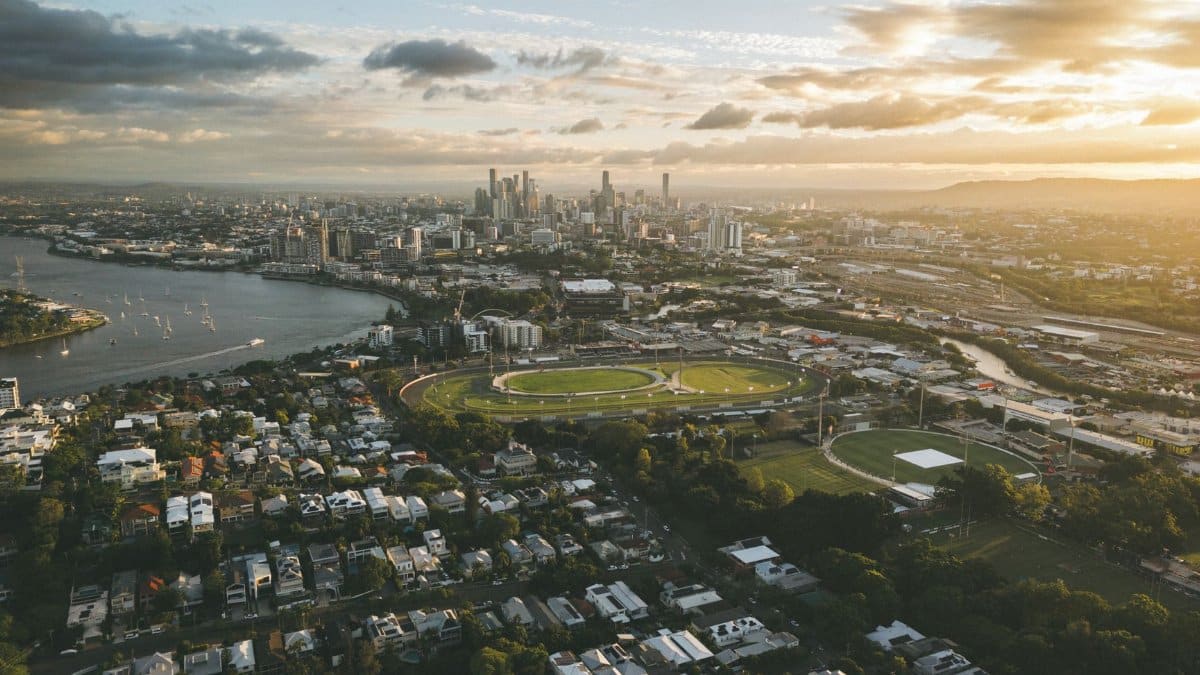
Houston has always treated land as something to be used, not framed. Oil money, port traffic, and a refusal of traditional zoning gave owners wide freedom to tear down and build taller. That freedom built a global city. It also produced a habit of disappearance. A block that held a hotel in one decade might hold a garage in the next, and a painted wall that served as a weekend meeting place might be a fence by Monday.
Older coastal cities often argue for years before a landmark falls. Houston argues too, then the crane arrives. The speed is not only a matter of greed. Floods, shifting industry, and the cost of keeping old mechanical systems alive all push owners toward a clean slate. Still, the pattern leaves residents with a strange kind of homesickness. They can point to a corner and describe a room that younger neighbors have never seen.
Preservation advocates have spent decades trying to slow that reflex. They win some fights and lose others. What remains, in either case, is a public memory that is thicker than the official landmark list. People do not miss only the buildings with plaques. They miss the ordinary ones that organized a week.
The Shamrock and a prairie resort

No vanished hotel looms larger in local storytelling than the Shamrock, opened in 1949 by wildcatter Glenn McCarthy and later run as a Hilton. It sat southwest of downtown, far from the established hotel district, and tried to invent a resort on the coastal plain. The opening drew Hollywood names and a crush of guests. Critics called the decor loud. Guests remembered the pool, the emerald carpets, and the sense that Houston was staging its own confidence.
By the 1980s the shine had worn off. The Texas Medical Center needed land. The hotel came down in 1987. What replaced it was useful and, to many, soulless. Medical care is a civic good. A parking structure is not a myth. The trade is the point. Houston gained beds, labs, and jobs, and lost a stage set for ambition.
Ask people of a certain age about lost Houston buildings and the Shamrock still arrives early in the list. They may never have stayed there. They may only have driven past the sign. The hotel worked as a symbol: a city willing to throw a party on the prairie, and later willing to bulldoze the party when a more practical tenant appeared.
Suite 8F and the Lamar Hotel
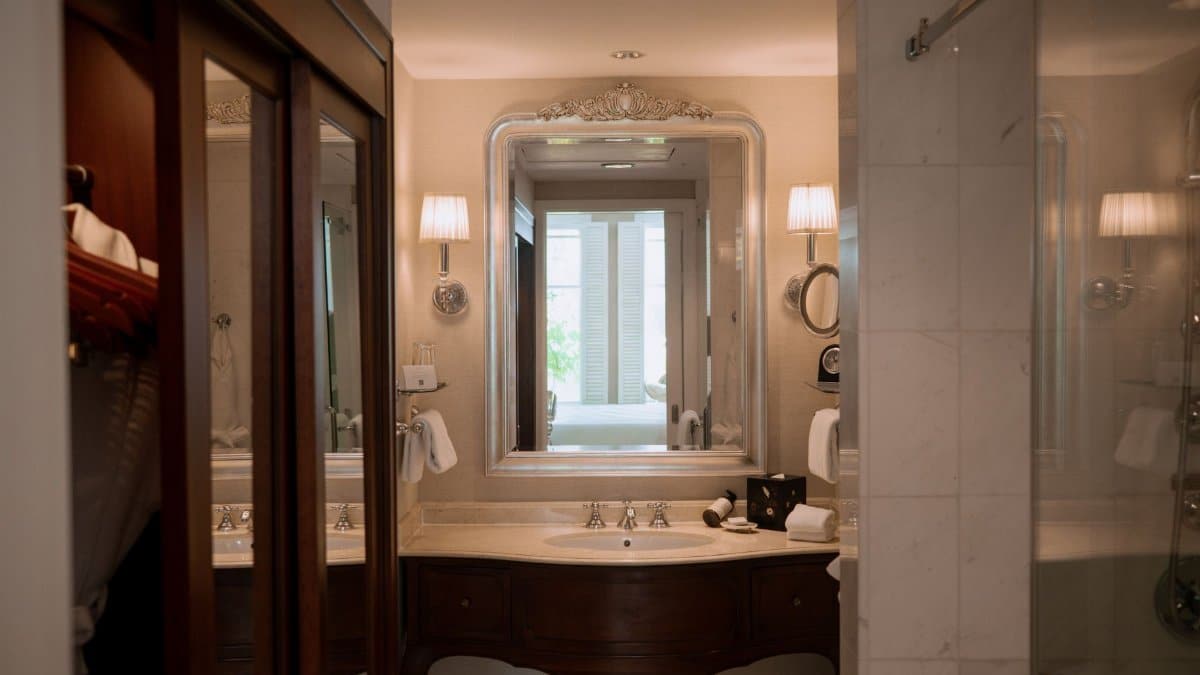
If the Shamrock was spectacle, the Lamar Hotel was power with the curtains drawn. For years, Suite 8F served as a private dining room for business leaders and political brokers. Deals that shaped ports, highways, and campaigns were discussed over breakfast. The hotel stood downtown, ordinary from the sidewalk, extraordinary in the stories told about who held a key.
The Lamar was demolished in the middle of the 1980s, during a wave of downtown clearance that also took other aging hotels. Historians still treat Suite 8F as a chapter in how Houston governed itself before modern campaign finance and open meetings laws changed the manners, if not always the outcomes. Losing the building did not end influence. It ended a physical address for it.
That distinction matters. A city can preserve a story in books and still lose the sensation of standing in the corridor where the story happened. Students can read about Suite 8F. They cannot knock on the door.
Saturday nights in vanished theaters
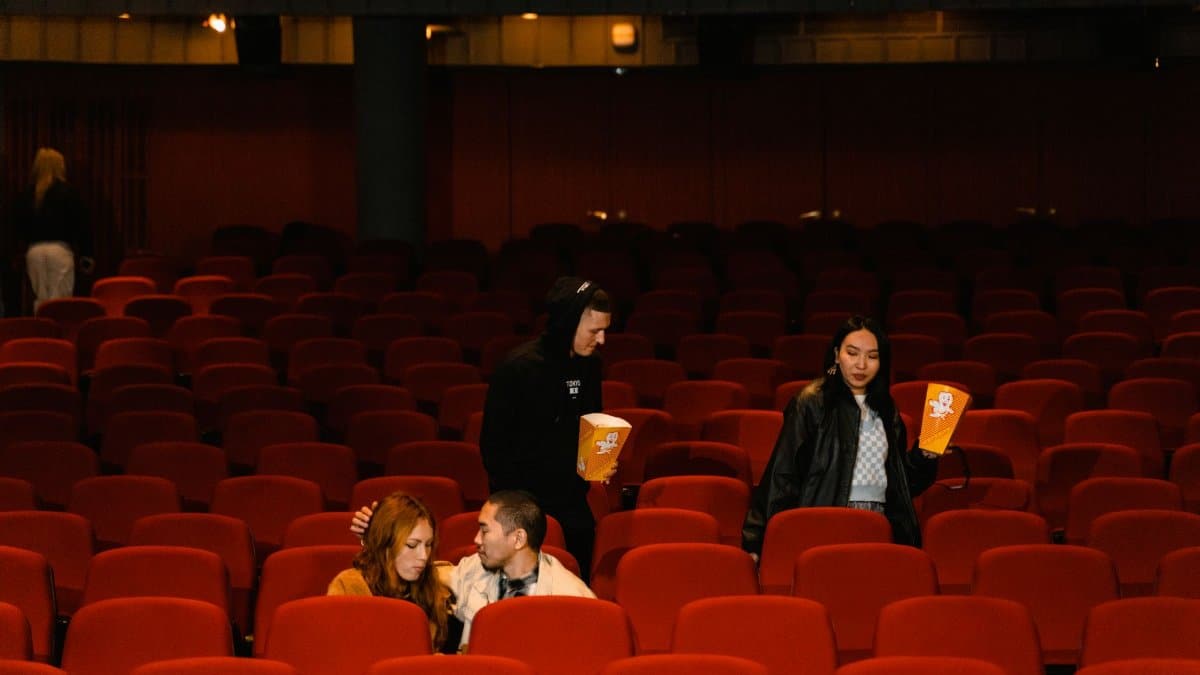
Houston once had a dense circuit of movie palaces and neighborhood theaters: the Majestic, the Metropolitan, the Kirby, the Queen, the Tower, and others whose marquees organized Saturday night the way a church bell organized Sunday morning. Some fell for parking. Some fell for offices. A few shells survived in altered form, which is its own kind of loss. A theater that becomes a shop can keep its bones and still stop being a theater.
The Alabama Theatre on South Shepherd is the famous compromise. The building remains, recognizable to anyone who grew up with its sign, but the screen is gone and a grocery store occupies the volume where audiences once sat. People argue about whether that counts as saving a landmark. It counts as saving a silhouette. For the ritual of a dark room and a shared film, the address is already among the missing.
Downtown palace theaters fared worse. Their plaster, their organs, and their second balconies were expensive to keep and easy to dismiss as outdated taste. When they went, a whole way of arriving downtown in dress clothes went with them. Later generations found multiplexes in malls, then screens at home. The buildings were not only rooms. They were reasons to be among strangers.
The coliseum, the music hall, and a civic trade
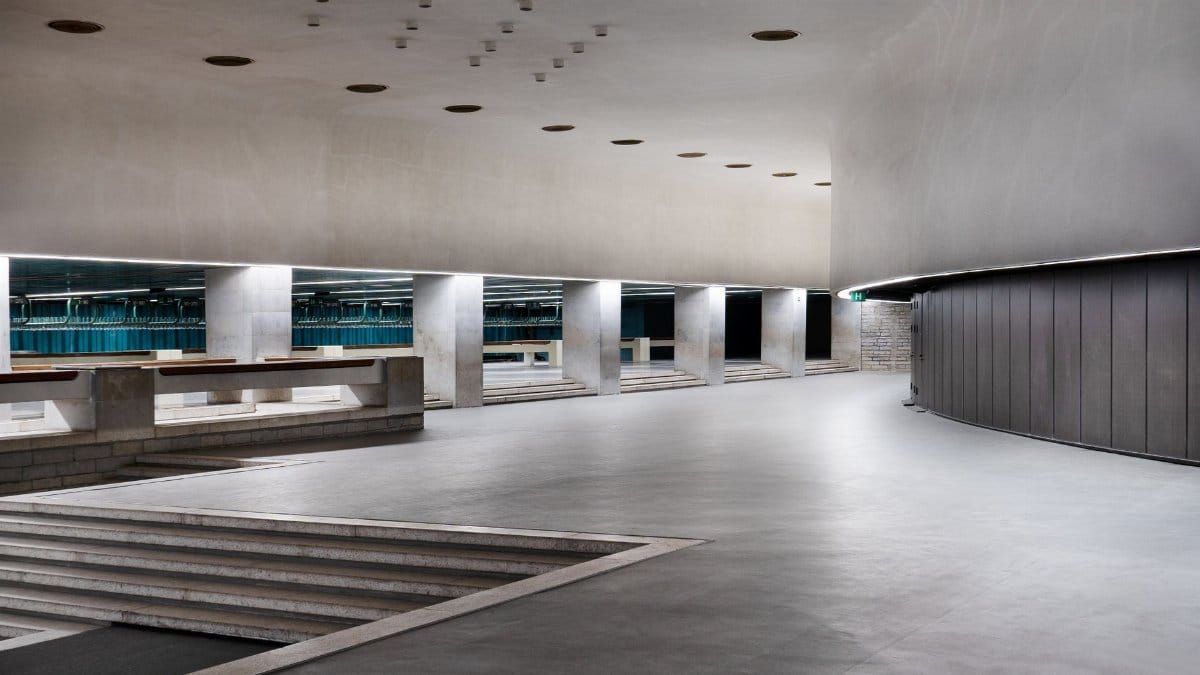
The Sam Houston Coliseum and the Music Hall anchored a midtown entertainment district for decades. Concerts, rodeos, graduations, and political rallies passed through those doors. In the late 1990s the city cleared them to make way for what became the Hobby Center and a reworked civic square. The new hall is a real cultural asset. The argument was never that Houston should freeze every arena in place. The argument was about whether a city notices what it spends when it upgrades.
Sports and performance buildings are especially vulnerable because their technology dates quickly. Sight lines, loading docks, and air conditioning all become excuses. Houston has replaced more than one generation of venues, from the original coliseum era to the Astrodome’s long afterlife as a sealed monument that the city cannot quite bear to finish off or fully revive. The Dome still stands, which makes it a different case. It is a warning about indecision rather than a member of the demolished list. The coliseum is the cleaner example: gone, replaced, remembered in photographs of crowds on the steps.
Painted walls and other unofficial landmarks

Not every place people mourn was designed by an architect of note. Graffiti Park, as many residents called the legal or semi legal walls where writers and photographers gathered, never had the status of a hotel or a courthouse. It still functioned as a landmark. You could tell a friend to meet you there. You could watch a blank surface become a record of a month in the life of the city, then watch that record get painted over or fenced off when patience ran out.
Unofficial landmarks disappear with less debate because they were never on a preservation survey. A painted wall, a dive with a particular jukebox, a pier shed, a roller rink: these are the buildings and structures that fill comment threads when a newspaper asks what is missing. They fail the test of architectural significance and pass the test of use. If lost Houston buildings are counted only by marble and cornice, the list is too short. If they are counted by the errands and rituals they hosted, the list is a map of ordinary life.
Cities need both standards. A wall of spray paint is not the Shamrock. Pretending otherwise helps no one. Ignoring the wall also misses how people actually attach themselves to a place. Attachment is not a zoning category. It is a habit.
Houses that carried a family name
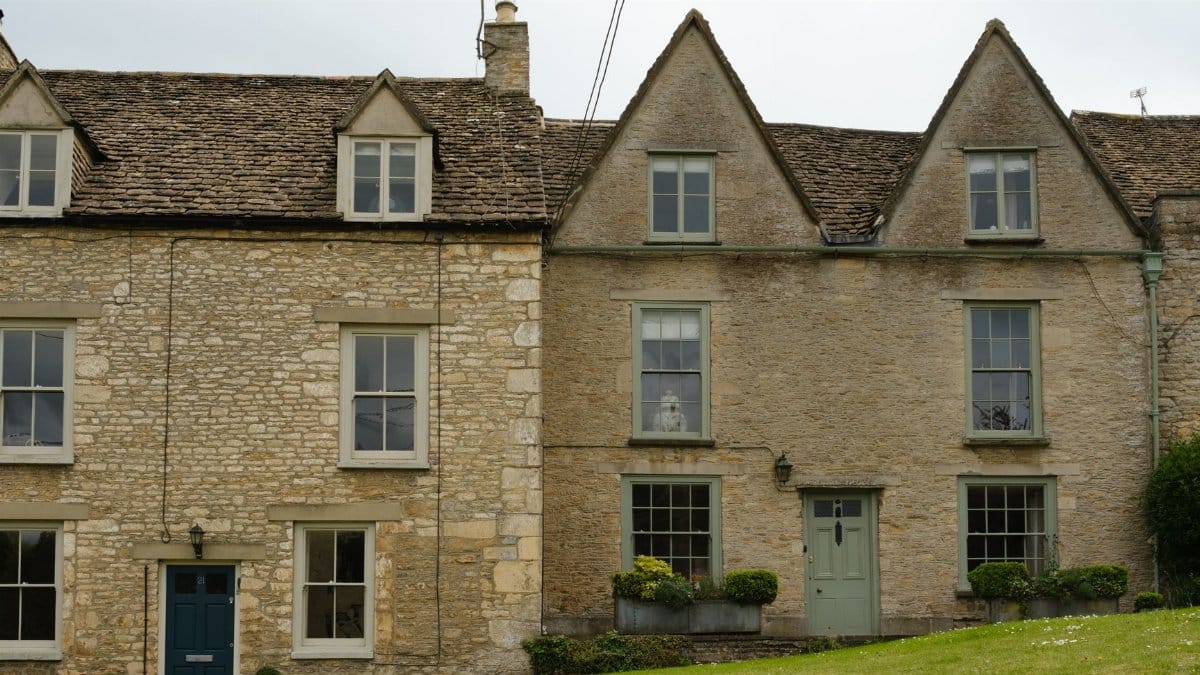
Grand houses fall for different reasons than hotels. Heirs scatter. Maintenance bills outrun sentiment. A lot in a desirable neighborhood becomes more valuable as dirt than as a drafty mansion with a leaking roof. When a house like the Kirby Mansion leaves a street, neighbors feel the change in a personal way. The roofline was a landmark on the drive home. Its absence is not an abstraction about heritage. It is a gap in the visual sentence of the block.
Houston has lost many such houses, some with famous names and some known only to the families who ate in them. A few were moved instead of razed, a costly mercy that saves fabric and still breaks the relationship between a building and its original ground. Moving a house is preservation of a sort. It is also an admission that the lot itself was the prize.
Readers who answer public calls for missed landmarks often name houses before they name towers. A house is easier to imagine reinhabiting. You can picture the porch light. You cannot easily picture checking into a demolished hotel. Domestic buildings carry grief in a register that civic monuments rarely match.
Why the teardown wins so often

The structural reasons are not mysterious. Houston grew late and fast, in a climate that punishes wood, plaster, and neglected roofs. Property taxes reward the highest plausible use of a lot. There is no comprehensive zoning code to freeze a commercial street in an earlier form. Historic designation exists, but it covers a fraction of what residents love, and it can feel to owners like a restriction imposed by people who will not pay the repair bill.
There is also a cultural story. A city founded on risk and reinvention tends to treat the past as a draft. Booster language celebrates the new tower and the new freeway ramp. The old building becomes an obstacle in a rendering. When oil prices swing or a medical campus expands, the rendering wins. Preservationists who speak only in the language of taste lose these fights. The arguments that sometimes work are practical: tourism, film locations, small business rents that an old shell can support more cheaply than a new glass box, and the simple claim that a street with memory is more interesting to walk.
None of that requires freezing Houston in 1950. It requires a pause long enough to ask whether the next use is actually better, or merely newer.
What people say when a paper asks

A Houston Chronicle prompt about landmarks that have disappeared, from the Shamrock to walls people called Graffiti Park and to houses including the Kirby Mansion, invites a kind of reply that sounds less like criticism and more like a roll call. Readers name ballrooms, cafeterias, newspaper buildings, and department stores. They correct one another on dates. They argue about whether a remodel counts as a death. The thread becomes a homemade archive, less authoritative than a historic survey and more alive.
That archive is useful because official lists lag behind affection. Planners can learn from it if they are willing to hear repetition as data. When the same hotel, the same theater, and the same house surface again and again, the city is being told where memory is concentrated. Those sites may already be gone. The lesson still applies to the next building on the edge of a vote.
I have walked past enough blank lots in this city to recognize the tone. It is not nostalgia for its own sake. It is a request to be taken seriously about what a street used to offer, and about what a replacement failed to offer in return.
Memory as a civic practice
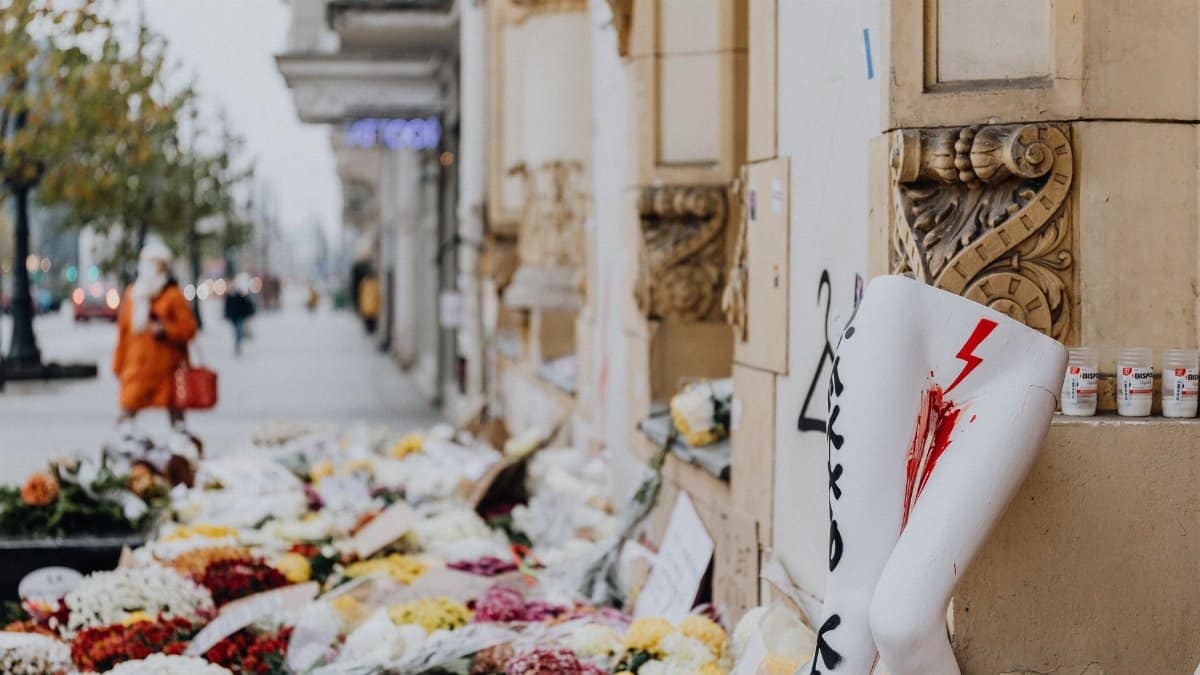
Buildings are not sacred in any formal sense, yet people treat their loss with a gravity that resembles mourning. A demolition is a kind of death in public: sudden, dusty, and hard to reverse. Faith communities understand this better than real estate brochures do. Congregations fight for sanctuaries not only because the theology requires a particular roof, but because weddings, funerals, and ordinary Tuesdays accumulated there. Secular rooms collect the same residue. A hotel lobby, a theater aisle, a breakfast suite, a painted wall: each held promises people made to one another.
Remembering lost Houston buildings can be more than a hobby for amateur historians. It can be a discipline of attention. Name the place. Say who used it. Admit what the new building gained. Refuse the easy claim that everything old was better, and also refuse the easy claim that everything new is progress. A grown city should be able to hold both thoughts without flinching.
The lots will keep turning over. Houston is not going to become a museum of its own midcentury confidence, and it should not try. What it can do is linger, just long enough, on the question a newspaper already knows how to ask. Which rooms do you still wish had an address? The answers will not rebuild the Shamrock or reopen Suite 8F. They might, if anyone in a position to approve a permit is listening, slow the next loss that does not need to happen yet.