
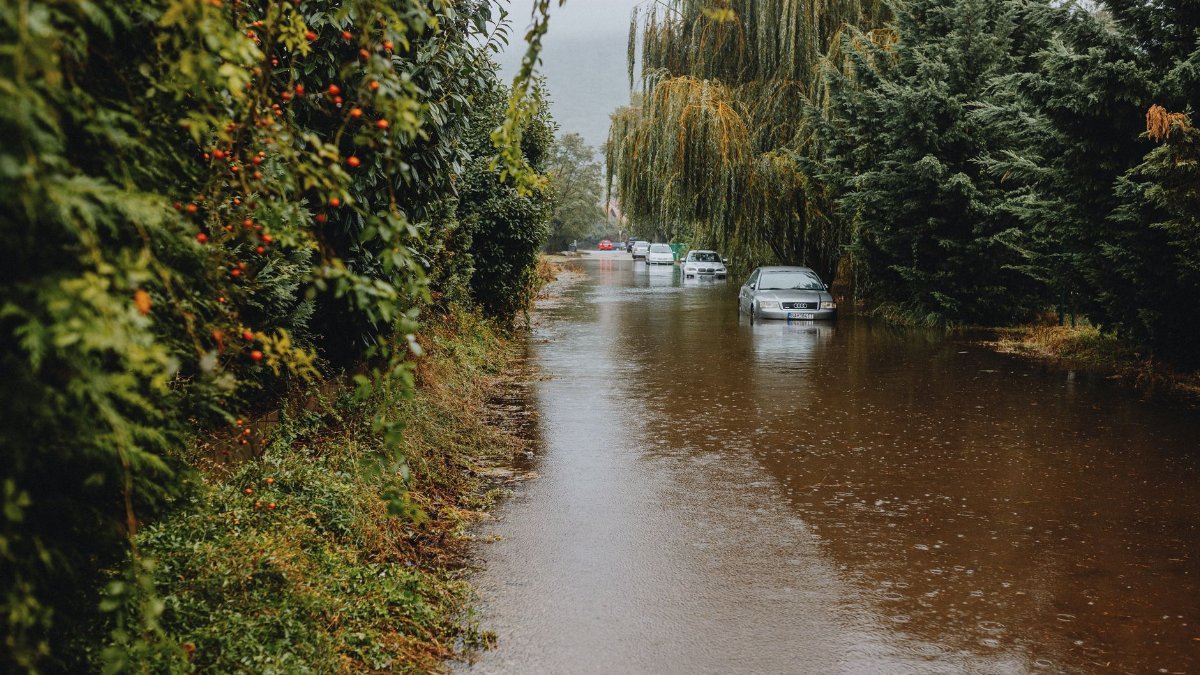
On a late November morning along the Seattle waterfront, the wind lifts spray off Elliott Bay and shoppers hurry between awnings with grocery lists already longer than the daylight. The city is preparing pies and travel plans, yet the sky has its own schedule. The Seattle Thanksgiving forecast calls for repeated rounds of rain and a rising chance of coastal flooding as the highest king tides of the year crest on the holiday itself. For families who measure the week in ferry rides, airport runs, and a walk after dinner, that combination is more than a backdrop. It is the condition under which the holiday will actually be lived, from the first airport pickup to the last dish in the sink.
A wet week rather than a single storm
Forecasters serving western Washington have been describing a stacked pattern, not one dramatic blow. Moisture riding in from the Pacific is expected to arrive in pulses, with breaks that may look encouraging and then close again. That rhythm matters more than any single afternoon. A steady series of fronts can keep soils saturated, creeks quick to rise, and drivers dealing with standing water long after the first band has moved east toward the Cascades. Seattle rarely gets a dry Thanksgiving in the record books, and this week fits the wetter side of that history without needing a name or a headline number to be taken seriously.
People who grew up here know the difference between a passing shower and a week that never quite dries out. Sidewalks stay dark. Moss on retaining walls looks newly fed. The light at three in the afternoon already feels like evening. None of that is catastrophe. It is the ordinary winter machine starting early, and it asks for ordinary adjustments: earlier departures, dryer shoes by the door, and less faith in a clear hour that a radar loop does not support.
King tides and a full Sound
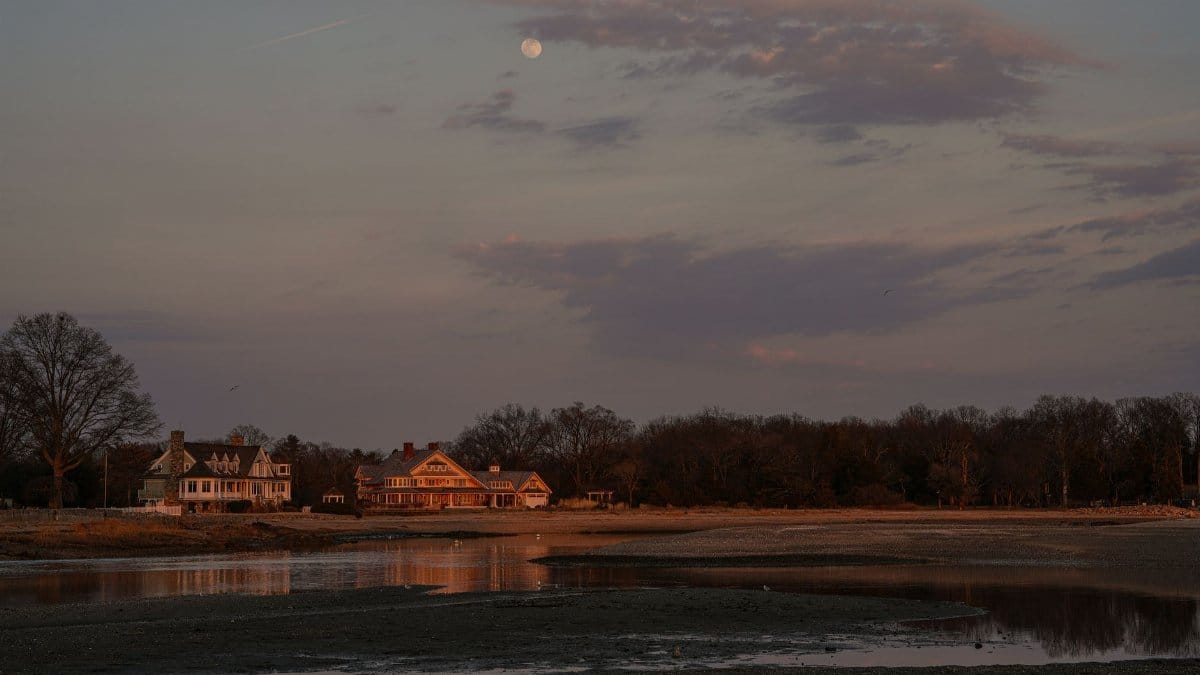
King tides are the highest predicted tides of the seasonal cycle, driven by the alignment of sun, moon, and Earth. They are not storms. They are a calendar event, published in advance on public tide tables such as those kept by NOAA. This year the peak lines up with Thanksgiving, which means the Sound, the straits, and low coastal streets will be closest to their banks on the very day many people are traveling or gathering near the water.
A high tide alone can cover a beach access or lick at a seawall. Add wind that piles water toward shore, or runoff from heavy rain arriving at the same hour, and the margin disappears. That is the flooding risk embedded in the Seattle Thanksgiving forecast: not a mystery surge from nowhere, but a known high tide meeting weather that refuses to stay polite. Residents who have watched Alki, Edmonds, or the industrial flats in past Novembers will recognize the sequence. The water rises on schedule. The rain decides how much company it brings.
Streets that remember the tide
Coastal flooding in this region is often local and brief, which is why it gets underestimated. A road that is fine at noon can hold a few inches of salt water at the peak, enough to stall a car and enough to ruin a planned walk to a relative’s house. Storm drains that work in a moderate rain can back up when the outlet is already underwater. Low parks, marina parking lots, and a handful of waterfront blocks are the usual suspects. The rest of the city may only notice wet pavement and a longer commute.
City crews and neighbors who live on those blocks tend to treat the peak tide as an appointment. They move vehicles, check sump pumps, and avoid storing anything valuable at ground level for a day or two. That habit is more useful than a dramatic warning. If your dinner is near the ship canal, a river mouth, or an open beach, look at the tide time before you promise a sunset stroll. The table will still be there. The path might not.
Ferries, freeways, and the mountain passes
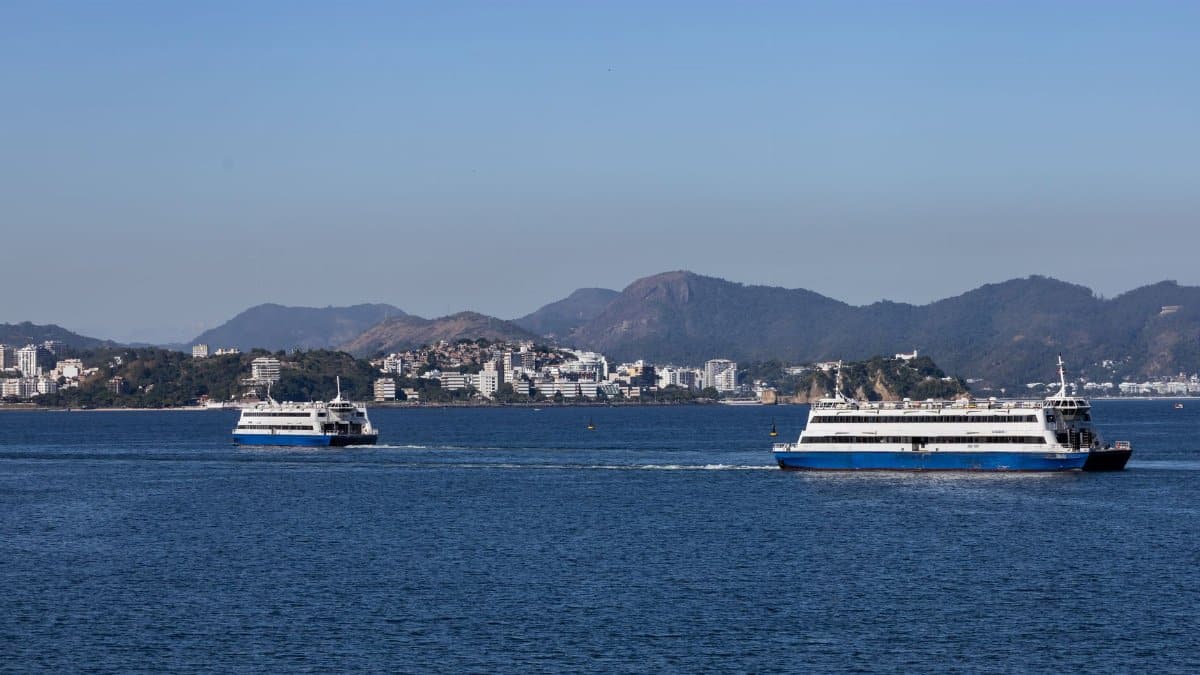
Thanksgiving week already strains the routes that hold the region together. Ferries run full. Interstate 5 slows for no reason anyone can name. The passes over the Cascades carry people toward family on the east side and skiers who hope the snow level cooperates. Rain on the west side often means snow higher up, or a messy mix that highway crews spend the night clearing. A forecast of repeated storms is a forecast of uneven pavement, sudden spray, and the occasional stalled truck that turns a two hour drive into four.
The practical reading of the Seattle Thanksgiving forecast for travelers is about time, not fear. Leave earlier than the app suggests. Put a coat and a charged phone in the car. If a ferry is part of the plan, watch for wind restrictions, which can cancel sailings even when the city itself feels merely breezy. Mountain drivers should assume chains may be required above the rain line and should not treat a mild downtown morning as proof that Snoqualmie will be the same. Weather here changes with elevation faster than most visitors expect.
Airports and the patience of arrival halls
SeaTac will be crowded because the calendar says so. Weather adds a second variable. Low clouds, rain, and gusts do not automatically ground a holiday, but they stretch the gaps between flights and make connections fragile. A delay in the morning can erase the evening seat that was supposed to deliver someone to the table. Families who build the day around a single arrival time are the ones most exposed.
There is no clever fix for that. There is only slack. Meet people with the assumption that baggage claim will take longer. Keep the oven schedule loose. If you are the one flying, watch the airline rather than the group chat, and accept that a reroute through another city may be the price of getting there at all. The National Weather Service, through Weather.gov, remains the cleanest public source for wind and visibility trends that airports also watch. Rumors in a terminal line are not.
Kitchens, power, and the practical host

A stormy holiday is mostly a logistics problem inside the house. Heavy rain and wind can knock out power in pockets of the city and more often in outlying neighborhoods where trees still stand close to lines. A turkey that needs hours of steady heat is a poor match for an outage that starts at four. Hosts who have lived through previous Novembers keep a simple backup in mind: a finished dish that does not require the oven, a way to heat water, and a plan to move the meal to a relative whose lights stay on.
Guests can help without making a project of it. Bring a flashlight that is actually charged. Do not assume street parking will be obvious after dark in a downpour. If you are walking from a bus stop, the Seattle Thanksgiving forecast is your reason to wear the coat you think you will not need indoors. None of this ruins a gathering. It keeps the gathering from depending on perfect conditions that this week is unlikely to offer.
What people near the water should watch
The useful details are specific and unglamorous. Note the hour of the highest tide on Thursday and on the days to either side, because the peaks do not vanish the moment the holiday dinner ends. Watch whether rain is forecast to be heaviest at that same hour. Look at wind direction if you live on an exposed shore; a push of water from the west or southwest matters more than a breeze that stays inland. If a flood advisory appears for a coastal zone, it is describing that overlap, not predicting a citywide disaster.
Rivers deserve a separate glance. Urban creeks and larger rivers can rise on rain that fell hours earlier in the foothills. A street that looks calm can still sit downstream of water that has not arrived. People who live in mapped floodplains already know their markers: a gauge, a bend in the bank, a neighbor who calls when the water reaches a certain rock. This week is a reason to trust those markers again, and to move what you would hate to lose before the peak rather than during it.
How to follow updates without feeding the noise
Weather talk multiplies on a holiday. Apps refresh. Group texts fill with screenshots. A single model run gets treated as fate. The steadier approach is boring and better. Check a forecast from the weather service in the morning and again if your plans depend on a ferry, a pass, or a waterfront road. Ignore the impulse to refresh every few minutes. Conditions will change, but they will not change because you stared at them.
Local newsrooms, including The Seattle Times, have been laying out the same broad picture: storms through the week, coastal flooding possible, king tides peaking on the holiday. Use that reporting to understand the shape of the week, then use official tide and warning pages for the hour you actually need. If a warning is issued for your zone, believe the warning. If it is not, do not invent one from a dramatic radar color.
A holiday that does not require clear skies
There is a habit, especially among people who host, of treating weather as a verdict on the day. A gray Thanksgiving can feel like a failed one if the standard is a photograph of dry steps and a bright bay. That standard was never the point. The week asks people to show up in the conditions they are given, which this year include rain, a very high tide, and the small frictions those create.
I have sat through enough wet holidays in this city to know the meals people remember are rarely the ones with perfect light. They are the ones where someone still made the drive, where the power flickered and the stories got longer, where a walk was shortened and the conversation was not. Gratitude, if the word is going to mean anything on a stormy Thursday, is attention paid to who arrived and what the water is doing outside, not a demand that the sky perform.
Read the Seattle Thanksgiving forecast once more before you leave the house. Move the car if you live where the tide has visited before. Then set the table. The storms will do what storms do. The rest is still yours to arrange.