

The chairs were already set when the first neighbors arrived, name cards squared on the dais and a stack of comment cards waiting by the door. Then a clerk stepped forward and said the session could not begin. There were not enough members present to act. In the hallway outside, the talk turned quickly from procedure to the Miami Seaquarium marina, the plan that had brought so many people across the causeway on a weekday morning.
A hearing that vanished before it started
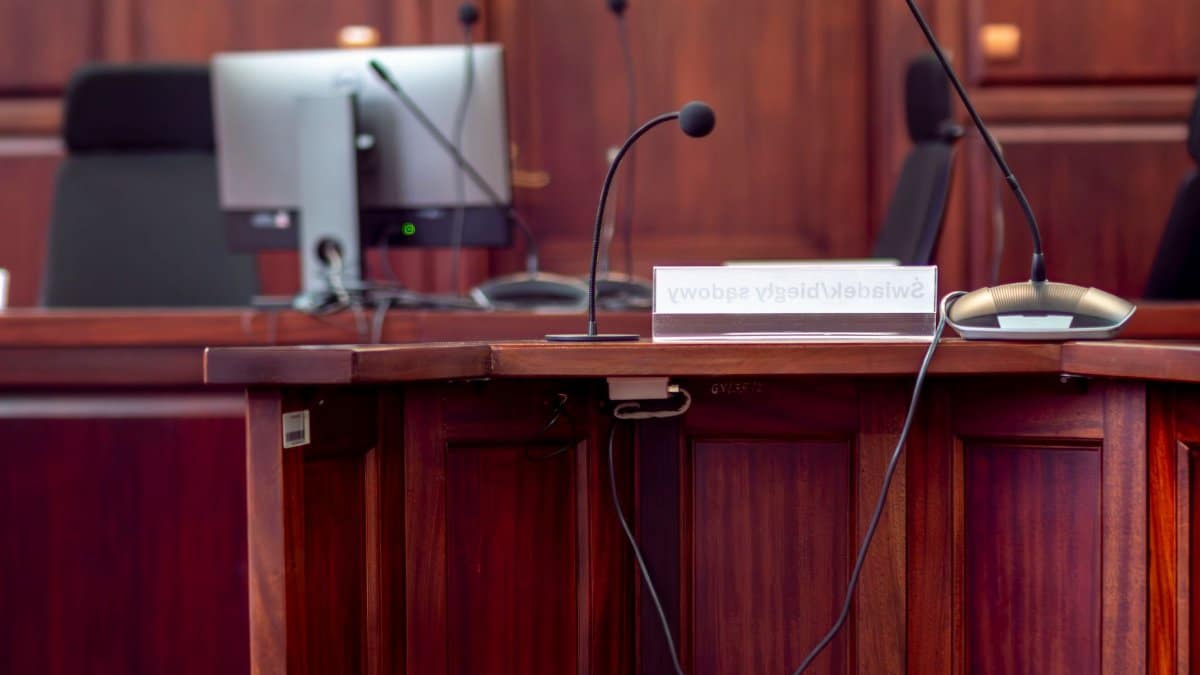
For weeks, opponents had prepared remarks about boats, dredging, and the narrow ribbon of water between Virginia Key and Key Biscayne. Supporters had prepared their own case, arguing that a tired waterfront property needed a clearer future and that a marina could bring order to a shoreline already used by vessels. None of that testimony was heard. The meeting was called off for lack of a quorum, the minimum number of officials required before a public body may vote or even take formal comment in some settings.
To people who had taken time off work, arranged child care, or driven in from the village, the cancellation felt less like a scheduling mishap than a dismissal. A hearing is one of the few moments when a private plan must sit in public light. When that moment disappears, suspicion fills the gap.
Why a missing quorum carries so much weight

Quorum rules exist to keep a small clique from deciding for everyone else. They are dull on paper and explosive in a crowded lobby. If too few members show up, the body has no authority. Staff can explain the calendar. They cannot take a vote. They cannot close the record. They cannot promise that the next date will hold.
Residents who track land use hearings know the pattern. A controversial item draws a crowd. A member is absent. Another is delayed. The item slides to a later month, sometimes into a season when fewer people can attend. Whether or not anyone intended that result, the effect is the same. The people most ready to speak go home unheard, and the file keeps moving in offices they cannot see.
What neighbors believe is at stake
The dispute is not abstract. Key Biscayne looks out on a basin where manatees still surface beside seawalls and where seagrass holds the bottom against wakes and storms. Residents say a larger marina operation would mean more propellers, more fuel, more shading over grass beds, and more pressure on animals that already thread a busy channel. They fear that once pilings go in, the damage is slow to reverse and easy to underestimate in a staff report.
Marina advocates answer that boats are already there, that unmanaged anchoring can scar grass as surely as a permitted dock, and that a designed facility can include pump out stations, speed rules, and limits on where hulls may sit. Both sides claim the same virtue, care for the water, and reach opposite conclusions about whether more structure would protect it or consume it.
Seagrass is not a backdrop

Seagrass looks plain from a bridge, a dark patch under green water. Up close it is a nursery. Juvenile fish shelter in the blades. Manatees graze there. The grass also traps sediment and softens wave energy before it reaches a shore. When boats churn the bottom, or when docks block light, those beds thin. Recovery is possible in quiet water and rare in a basin that never rests.
That is why a marina plan, even one framed as an upgrade to an existing attraction, draws biologists and weekend boaters into the same argument. The question is not whether anyone likes dolphins or postcards. It is whether the footprint of new slips, fuel service, and turning basins can be kept off the grass, and who will be watching after the ribbon is cut.
Manatees and a crowded channel

Manatees do not read zoning maps. They follow warm water and food, often close to the same edges humans pave. A slower speed zone on a chart does not enforce itself. More traffic raises the chance of strikes, and more docks can squeeze the routes animals use between feeding areas. Residents who have watched a cow and calf pause beside a seawall describe that sight as a civic asset, not a mascot. They do not want the next hearing to treat it as scenery.
Operators of waterfront businesses often say they share that concern and already train staff to watch for animals. The trust gap is about scale. A modest service dock and a full marina are not the same neighbor. Until plans, depths, and vessel counts are examined in public, neighbors hear reassurance as marketing.
Tempers in the hallway

The sharpest anger on the day of the cancellation was not only about ecology. It was about respect. People had read the notice, printed maps, and lined up questions about lighting, noise, and storm debris. To be told, after arrival, that the body could not meet felt like a broken bargain. Some accused officials of hiding from a hostile room. Others blamed a careless calendar. A few wondered aloud whether applicants prefer delay, because delay exhausts volunteers faster than it exhausts consultants.
Public anger is an unreliable narrator, and it is also a signal. When process fails on a project this visible, every later assurance sounds thinner. A board that cannot assemble on the advertised day will have to work harder to prove that the next day is real.
The Miami Seaquarium marina in a longer fight
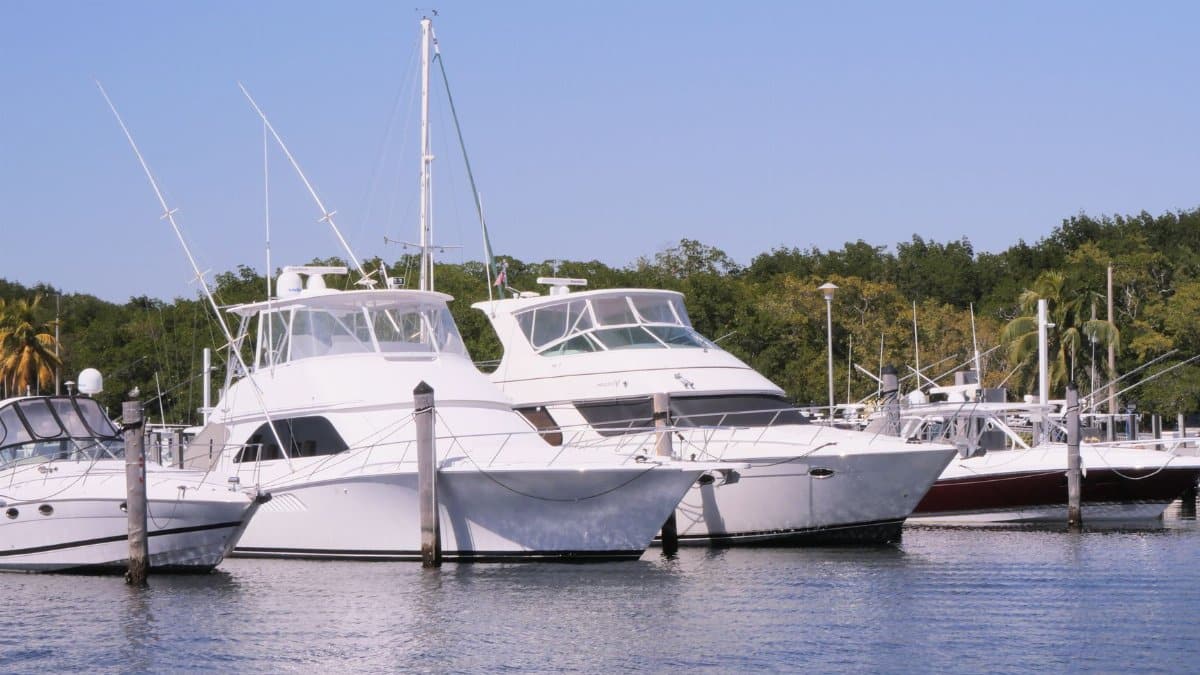
The Miami Seaquarium marina proposal sits inside a larger argument about Virginia Key, a place that has carried industry, recreation, and wildlife in uneasy sequence. The aquarium itself has been a landmark and a controversy, loved by families and criticized by advocates who want marine mammals out of show pools. A marina plan extends that argument from the tanks to the basin. It asks whether the site should lean further toward commerce on the water or pull back toward habitat and quieter public use.
County files, village resolutions, and environmental reviews will eventually have to answer practical questions. How many slips. How deep the dredge. Where fuel would be stored. What happens in a hurricane. Who pays if grass beds decline. Those questions were supposed to meet a live audience. Instead they waited in unopened folders.
Process is the substance

It is tempting to treat a canceled hearing as a clerical footnote and to save passion for the vote. That misses how land use actually works. The hearing is where a neighbor can force an engineer to explain a drawing, where a commissioner can ask a question that staff did not anticipate, and where contradictions become part of the record. Without that hour, the record is whatever was filed in advance, shaped by the applicant and reviewed by people the public cannot interrupt.
Good process does not guarantee a popular outcome. It does guarantee that opposition is not merely rumored. When officials later say they listened, there should be a transcript that shows it.
What Key Biscayne is asking for
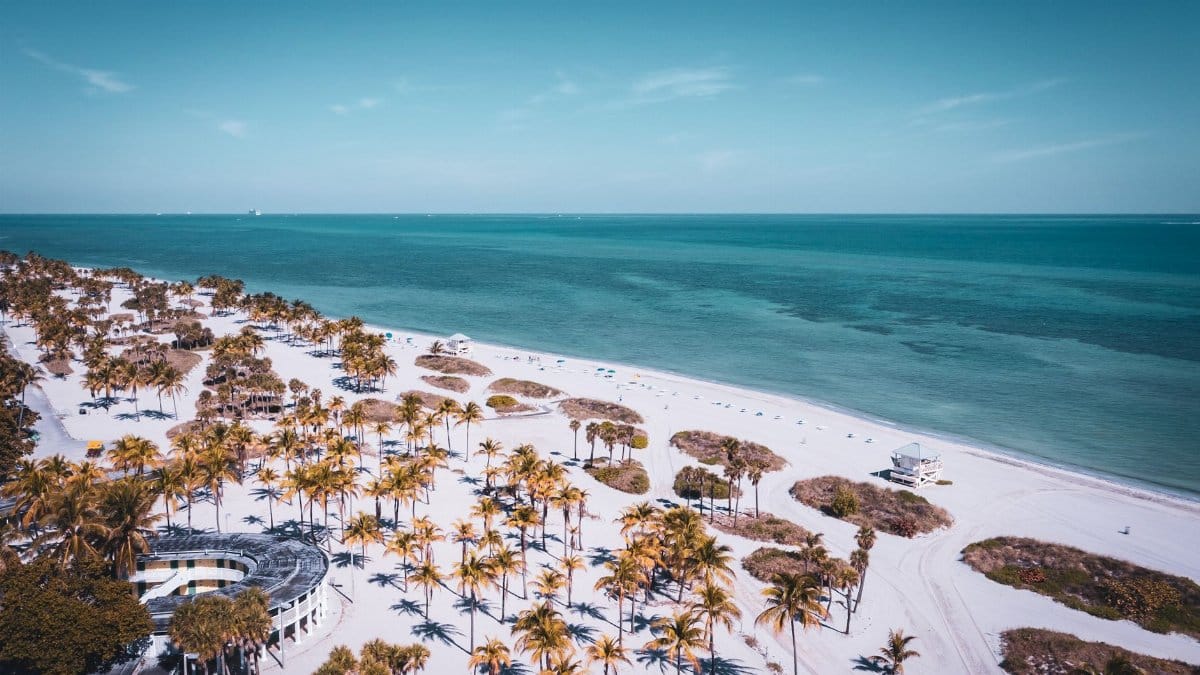
Village residents are not a single voice, but a common demand has emerged from the canceled session. They want a date that will be kept, a quorum that will appear, and materials posted early enough to read. They want the seagrass maps and the manatee observations placed beside the renderings, not in an appendix no one opens. They want a chance to ask whether construction windows avoid calving season and whether night lighting will spill across the water.
Some also want the project slowed or stopped. Others might accept a smaller footprint if the science is plain. The shared point is that neither choice should be made in an empty room.
A property between nostalgia and scrutiny
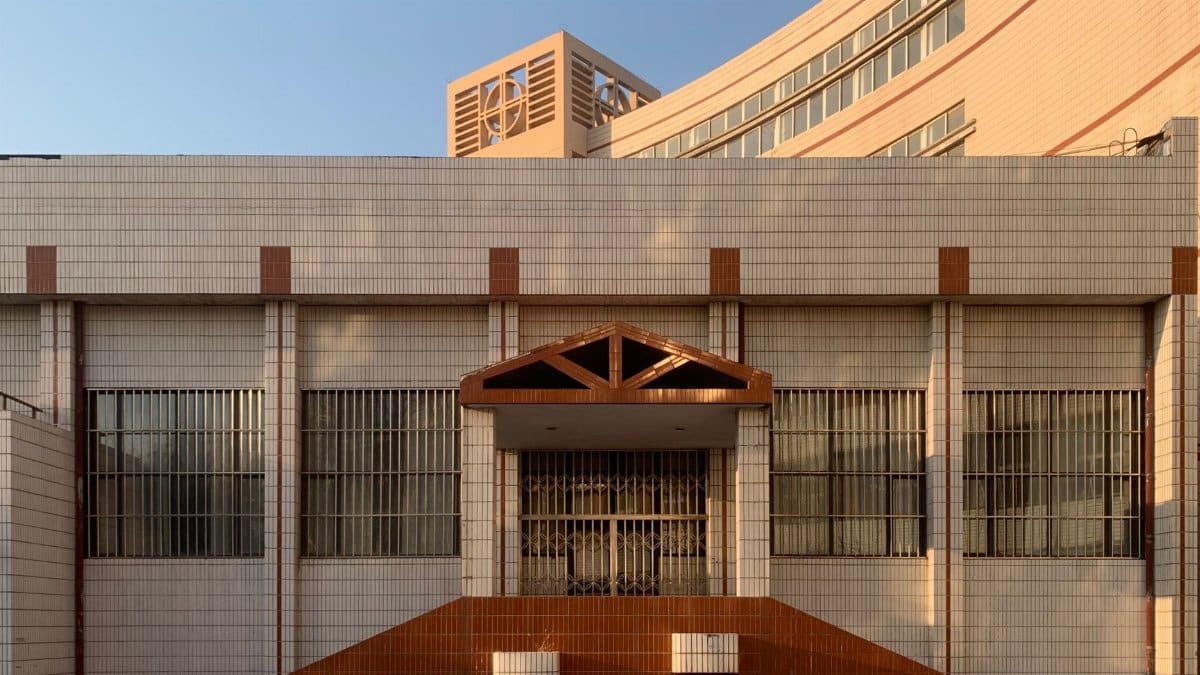
For many South Florida families, the aquarium is a childhood memory, a birthday trip, a first look at a dolphin. That affection does not settle a marina application, but it explains why the site stirs more feeling than a generic boatyard. People who once stood in line for tickets now stand in line to object, and they do not see those roles as inconsistent. A place can be loved and still be held to a higher standard when it asks to expand into public water.
Scrutiny is not hostility to every change. It is a refusal to let nostalgia sign the permit. The basin does not remember ticket stubs. It remembers depth, light, and wake.
How delay reshapes the politics

Every postponed hearing rearranges who shows up next time. Retirees with flexible mornings may return. Shift workers may not. Students who came for a class assignment may have moved on. Applicants with paid teams will still be there. That imbalance is not a conspiracy. It is arithmetic, and it favors whoever can afford to wait.
If officials want the next session to carry legitimacy, they will need more than a new notice. They will need members in their seats at the opening gavel, a clear explanation of why this date failed, and a record that includes the people who were turned away. Otherwise the Miami Seaquarium marina debate will be remembered first as a procedural insult, and only later as a question about slips and grass.
What a fair restart would look like

A fair restart is not complicated, though it is inconvenient. Publish the full plan with depths, vessel counts, and lighting. Give the village and independent reviewers time to respond in writing. Schedule the hearing when a quorum is confirmed, not hoped for. Allow remote comment for those who cannot cross the causeway again. Keep the comment period open if the body fails to meet. None of that decides whether the marina should be built. It decides whether the decision can be defended.
South Florida has spent years learning that waterfront mistakes are expensive to undo. Seagrass does not regrow on a political calendar. Manatees do not attend makeup hearings. The least the county can offer, after sending a crowd home, is a process as careful as the habitat people came to defend.
The argument waiting in the file

Somewhere in a county inbox, the comments drafted for a morning that never happened are still saved on phones. They mention wakes against a seawall, fuel sheen after a busy weekend, a manatee scarred by a propeller, a grandchild who learned the names of grasses on a school trip. They also mention jobs, tax base, and the cost of letting a landmark site drift. Those sentences deserved a microphone.
Until the board sits with enough members to listen, the Miami Seaquarium marina remains a rumor with drawings attached. Tempers flared because people did the civic thing and found the civic room closed. The next notice will be judged not by its wording but by whether anyone is there to hear the answer.