
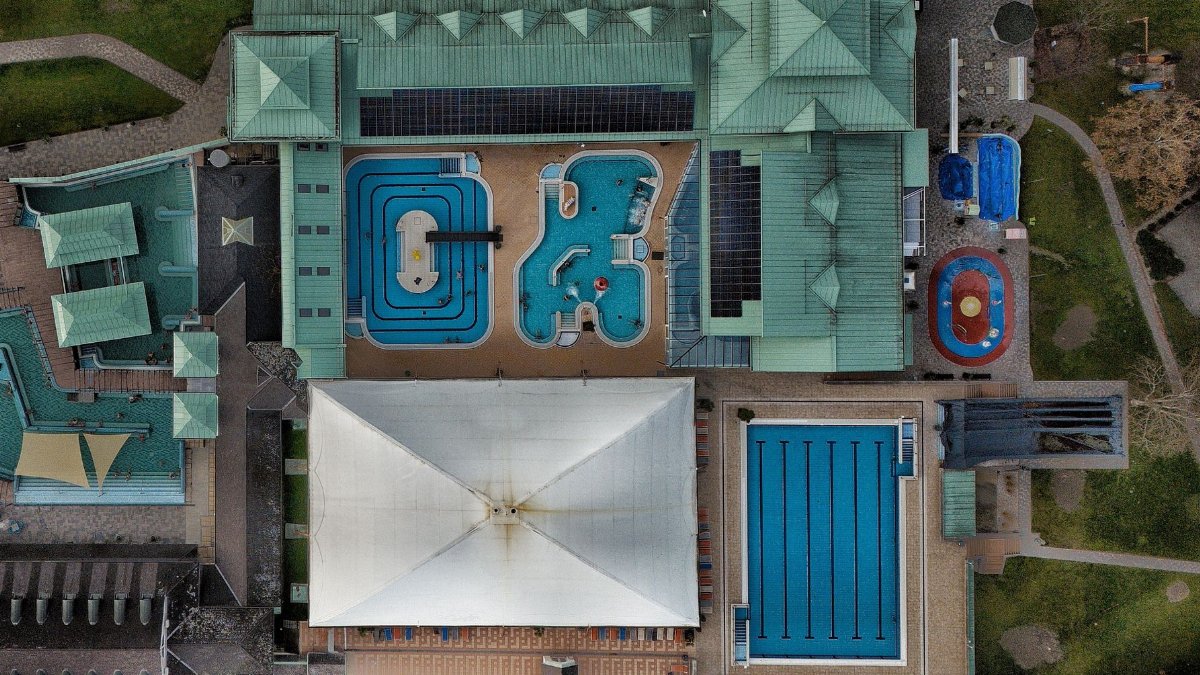
On a bright weekday morning the path around Green Lake fills with walkers who pause near a low brick building that has served the neighborhood since 1928. Parents towel off children. Seniors compare class schedules. The hum of the pool carries through open doors. That ordinary rhythm is now the subject of a costly civic argument, because Seattle has put forward yet another plan for the Green Lake community center, a proposal budgeted at 88.5 million dollars that would tear down the old building and renovate the landmark Evans Pool.
A familiar corner under new scrutiny
Green Lake is one of those Seattle places that feels larger than its acreage. The water, the loop, the ball fields, and the indoor rooms sit in the daily routes of people who live nearby and of visitors who come for a lap or a class. The community building is not grand. It is useful. That usefulness is precisely why a demolition plan lands with such force. Residents do not experience the site as a line item. They experience it as the place where a child learned to swim, where a neighbor found a winter exercise class, where a public room stayed open when private options felt out of reach.
City leaders describe the latest concept as a way to stop pouring money into failing systems. Roofs, mechanical equipment, accessibility, and energy performance have all aged past easy repair. A full replacement of the community building, paired with a careful renovation of Evans Pool, is presented as the cleaner path. Cleaner on paper is not the same as simple on the ground.
What 88.5 million dollars is supposed to buy

The figure is large enough to reset the conversation. At 88.5 million dollars, the project would sit among the more expensive neighborhood recreation efforts Seattle has contemplated in recent years. Supporters argue that the number reflects construction costs in a tight regional market, the price of meeting current codes, and the cost of keeping a landmark pool in service rather than starting from a bare site.
The promise, as parks officials have framed it, is a modern community building with rooms that can handle classes, meetings, and youth programs, plus a pool house brought up to contemporary standards of safety and access. The plan would not treat the pool as disposable. Evans Pool, long recognized for its history and its place in the life of the lake, would be renovated rather than razed. That distinction matters to people who see the water as the heart of the complex and the 1928 structure as the part that can no longer carry the load.
Why demolition is on the table
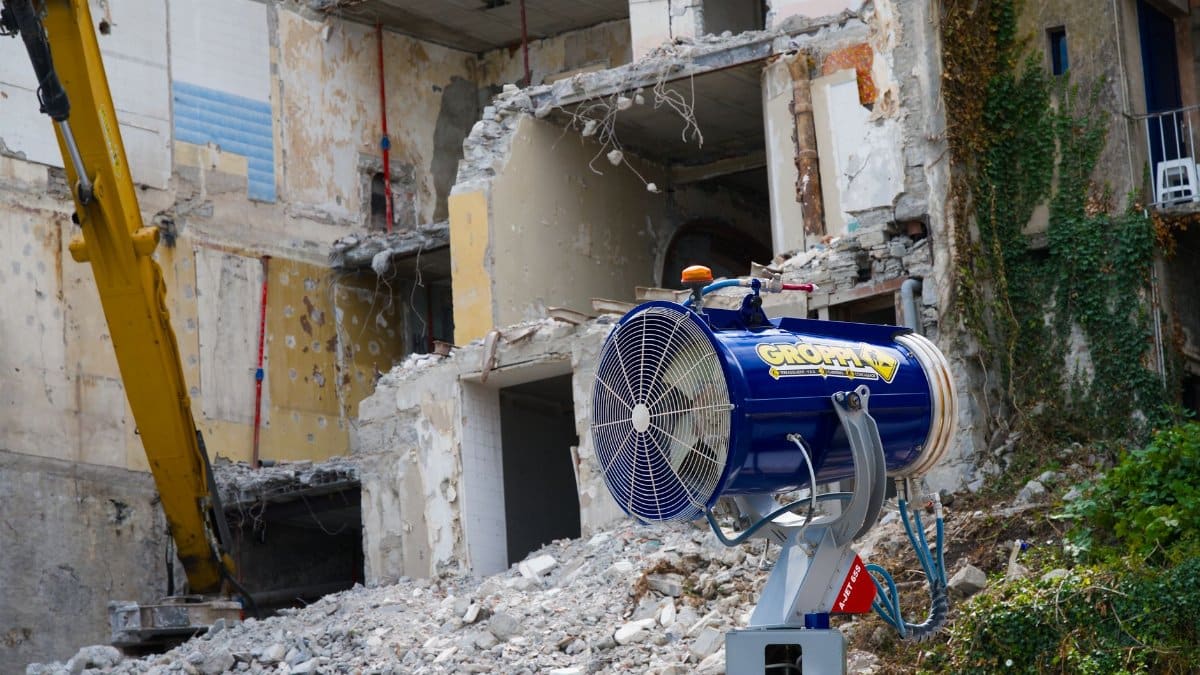
Demolition is a hard word in a city that talks often about preservation. The 1928 building has outlasted fashions in recreation and several waves of neighborhood change. It has also outlasted many of its original systems. Parks staff and consultants have, over successive reviews, concluded that patching it again would buy time without buying reliability. Accessibility gaps are not cosmetic. Mechanical failures are not theoretical. A building that cannot reliably heat, ventilate, or welcome people with disabilities is not performing the public job it was built to do.
Still, tearing down a nearly century old public building asks residents to trust that what replaces it will be worth the loss. Trust is thin when a project has already been redrawn. The title that has attached itself to this effort, yet another new plan, is not just a headline flourish. It captures a real fatigue. People who have attended meetings, written comments, and watched concepts come and go want to know which version is finally the one that will be funded and built.
The pool that the city intends to keep
Evans Pool gives the project its emotional center. Indoor swimming in Seattle is not a luxury for families who cannot reach a private club, for adults recovering from injury, and for children who need lessons before they are safe in open water. A landmark designation also limits what designers can do. Renovation means working inside a historic shell, upgrading what swimmers never see, and protecting what they do see.
That work is rarely cheap. Historic pools demand custom solutions for filtration, deck drainage, lighting, and spectator space. They also demand patience from users who may face closures. Any honest account of the Green Lake community center plan has to say that renovation of Evans Pool could mean months, perhaps longer, when the water is unavailable. The city will need a clear interim story for swim teams, lesson wait lists, and older adults who treat a regular lap as health care.
Neighbors who measure value in routines

Ask people at the lake what they want and the answers are practical. They want a building that opens on time. They want locker rooms that feel safe. They want a gym that is not booked solid by one group. They want staff who know the regulars. They want the loop outside to remain a place for walking while the inside handles rain, dark evenings, and the long stretch from November to March.
Those desires do not map neatly onto architectural renderings. A larger lobby can look generous and still fail if program fees rise or if hours shrink to cover operating costs. A beautiful community room can sit empty if scheduling software and staffing do not keep up. The debate over demolition is also a debate over operations, and operations rarely receive the same attention as capital budgets.
I have stood on that path on gray afternoons when the indoor lights were the brightest thing in view. The building does not announce itself. It simply stays open. That modesty is part of its claim on the public. Replacing it will succeed only if the new rooms recover the same unfussy welcome.
Money, levies, and the rest of the parks system

Seattle does not fund a project of this scale from spare change. Recreation buildings compete with community centers in other neighborhoods, with playfields, with trail repairs, and with the unglamorous work of keeping pools from failing in place. A price of 88.5 million dollars will be judged not only against the needs at Green Lake but against needs in Rainier Valley, Delridge, Lake City, and neighborhoods that have waited longer for a comparable investment.
Voters have supported parks funding before, and they have also grown wary of estimates that climb after the campaign photos are taken. If this plan moves forward, the city owes a plain account of what is included, what is deferred, and what happens if bids come in high. Contingency is not a footnote. It is the difference between a finished building and another round of redesign.
Equity belongs in that account as well. Green Lake is a beloved and relatively affluent edge of the city, and it is also a regional destination. A fair plan can invest there without pretending that every neighborhood starts from the same baseline. The test is whether the Green Lake community center project is sequenced alongside, not instead of, work in places with fewer private alternatives.
Preservation without pretending the past was perfect

Historic value is real, and nostalgia can also flatten the record. The 1928 building was a product of its time, including the exclusions and design assumptions of that time. Saving every brick is not automatically the most just outcome. Letting a landmark pool deteriorate because the politics of demolition are difficult is not just either.
A serious preservation conversation would identify what is worth recording before any wall comes down: photographs, oral histories from longtime users, and a public archive of how the rooms were used. It would also identify what must be improved without apology, including access for people with disabilities, gender inclusive changing options described in plain language the city can actually build, and mechanical systems that do not fail in the first cold week of winter. None of that requires romance about the past. It requires respect for the people who will use the site next.
The closure problem nobody wants to own

Construction at an active pool and community building is a logistics puzzle. Staging equipment beside a busy walking loop, protecting water quality in the lake, and keeping pedestrians safe will shape the calendar as much as any design drawing. Neighbors will ask where classes move, whether shuttle arrangements exist, and how youth programs avoid a lost season.
Seattle has learned, sometimes painfully, that a closed recreation site can erase participation that takes years to rebuild. Families find other routines. Instructors leave. A reopened building does not automatically recover its old crowd. The plan for the Green Lake community center should include a public schedule that names interim sites, states who pays for extra travel, and explains how low income users are not the ones left without a pool.
What would count as a finished decision

Another plan is not a decision. A decision would lock a scope, a budget, a funding source, and a construction window that residents can plan around. It would say, in language a non specialist can follow, which walls come down, which parts of Evans Pool stay, and which programs survive the transition. It would also say what the city will not do, because open ended promises are how projects drift.
Public comment still matters, but comment without a stable proposal becomes a loop. People show up, the drawings change, and the next meeting asks them to start over. If Seattle wants credibility at this site, it should publish the constraints up front: landmark rules, code requirements, the 88.5 million dollar ceiling, and the programs that are nonnegotiable. Then it should stick to them unless new facts, not new tastes, force a change.
A lake that will outlast the argument
Green Lake will still draw walkers if the brick building is gone. The water does not depend on a capital plan. What depends on the plan is whether the public rooms beside that water remain a civic commons or become a construction site that never quite resolves. The latest proposal tries to split the difference by removing the 1928 community building and renovating the pool that carries the landmark name. That split may be the most coherent option left. It is not a small one.
For the Green Lake community center, the measure of success will not be the rendering. It will be a Tuesday evening a few years from now, when the lights are on, the pool is open, a class is underway, and nobody has to wonder whether this version of the plan was the one that finally held. Until the city matches its drawings with money, a schedule, and a closure plan worthy of the people who use the place, yet another new plan is still only a plan.