
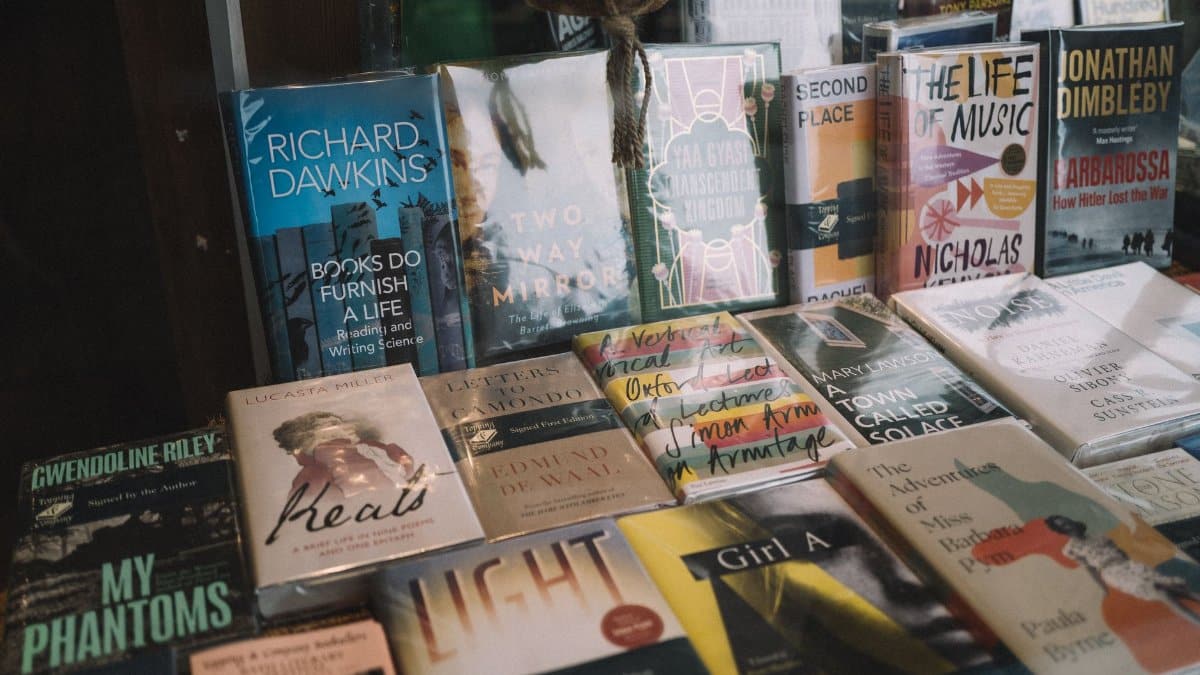
On a sidewalk near Lincoln Financial Field, canvas totes bump against coolers and someone is already arguing, kindly, about the last chapter. The gathering looks like any other Eagles tailgate until you notice the paperbacks changing hands. Swap and the City, a Philadelphia Black book club that trades novels by Black authors, has turned a simple exchange into a standing date for dozens of women. Since January the circle has grown to more than 80 members, according to reporting in the Philadelphia Inquirer, and the books travel as freely as the conversation.
From a small swap to a standing crowd
The appeal is easier to miss if you only count heads. A club of this size asks adults with jobs, children, commutes, and aging parents to protect a few hours. Many reading groups fade after the first enthusiastic month. This one expanded. The Inquirer account places the start in January and the membership above 80, which suggests the format solved a problem other clubs leave untouched. The cost and the clutter of buying a new hardcover for every meeting can wear people out. A trade lowers the price of curiosity. It also asks for a small social risk. You hand over a book you liked and trust a newer friend to treat it as more than a prop.
The simple mechanic of the trade
A book club can become a lecture with snacks. Swap and the City, at least as described in that reporting, is built on circulation. Novels by Black authors move from bag to bag. The point is not a single assigned title that everyone must finish before a verdict. The point is abundance inside a closed, friendly loop. One reader finishes a novel and releases it. Another reader meets an author she might have walked past in a store. Over months, a private library forms without anyone having to fund it alone.
That mechanic has a cultural edge. Black writers still fight for lasting shelf space even after a season of attention. A club that keeps their books moving does quiet distribution work. It is not a marketing department. It is closer to a neighborhood press in slow motion, except the printing already happened and the labor is recommendation.
Sisterhood that does not stay on the page

Call it sisterhood and you risk a soft word doing hard work. Still, the word fits a room of women who keep showing up for one another with stories in hand. Friendship at this scale is not automatic. Eighty people cannot all be close. What they can share is a practice. They remember who likes spare prose and who wants a plot that will not let go. They notice who has been quiet. They make room in a parking lot or a living room for talk that is not only about fiction.
For many Black women, that room is not a small thing. Workplaces can be polite and thin. Group chats can be loud and shallow. A club offers repetition, which is how trust actually accumulates. You see the same faces. You learn the same jokes. You find out whose mother is ill and whose promotion just landed. The novel is the ticket. The staying is the point.
Putting Black authors in more hands

Inside this Philadelphia Black book club, amplification is practical rather than abstract. A novel by a Black author does not need a speech to gain a reader. It needs a person willing to say, this one stayed with me, take it. That sentence, repeated across dozens of women, is a distribution network with no budget and no algorithm. It favors books that survive conversation. A title that sounds important but dies in the telling will not travel. A title that makes someone text a friend at midnight will.
Authors feel that kind of movement even when they never see the parking lot. Library holds spike. Independent shops hear a title requested twice in a week. A debut that might have had one news cycle gets a second life because someone refused to let the copy sit. None of this replaces fair contracts or thoughtful reviews. It does something reviews cannot do. It puts the physical book into a hand that was not already shopping for it.
Tailgates, Sundays, and a public ritual
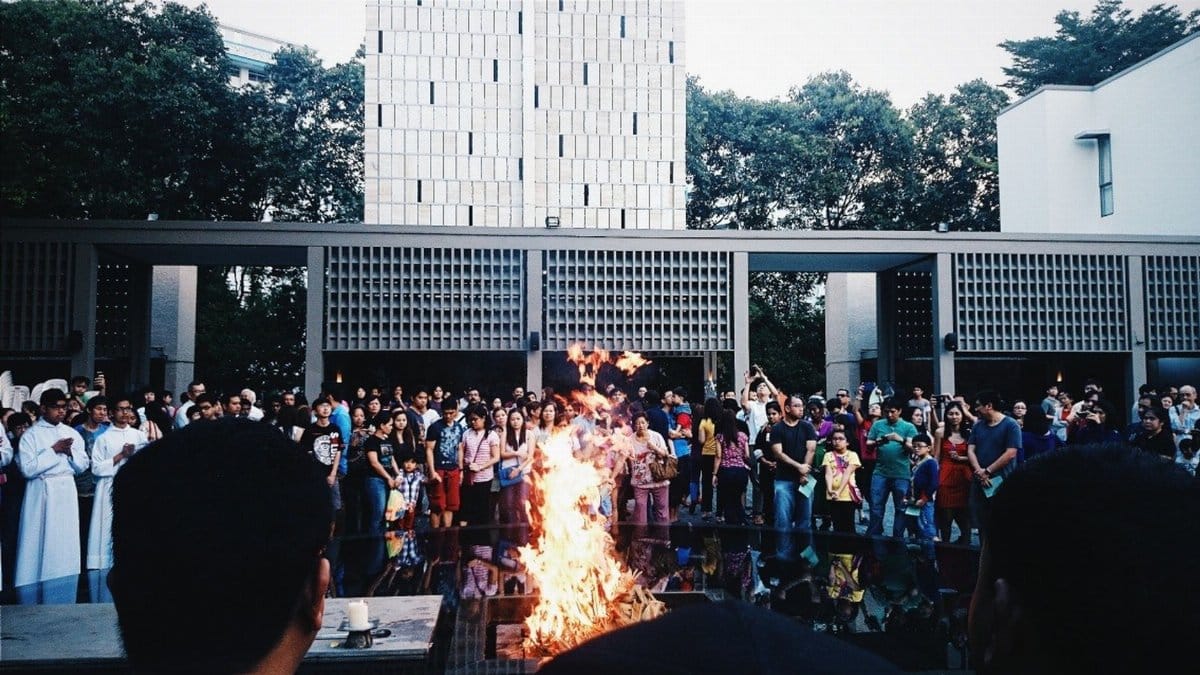
The Inquirer notes that the group even tailgates Eagles games. That detail is easy to treat as color. It is more than color. Philadelphia organizes a great deal of civic feeling around the Birds. To bring novels into that ritual is to refuse the idea that serious reading belongs only in quiet rooms. A tailgate is loud, cold, and crowded. It is also one of the few city stages where strangers already expect to stand near one another for hours. A book swap fits the etiquette. You are already sharing food, opinions, and space. A paperback is one more thing to pass.
There is a spiritual hint here, if the word is used broadly. Not a creed. A practice of gathering, of offering, of receiving. People who would not join a class still join a ritual that has a season, a place, and a reason to return. Game day gives the club a public face. It also signals that the reading life does not have to compete with the rest of a Philadelphia weekend. It can ride along.
A Philadelphia Black book club that shows up beside coolers is making a claim about where literature is allowed to live.
Why a city club can matter to a national shelf
Philadelphia has a long memory for print. It is a newspaper town, a university town, a city of branch libraries and stubborn independent shops. A club of 80 will not rewrite the publishing industry. It can still change the week of a particular book. National attention is lumpy. A prize, a television option, a sudden essay, and then silence. Local repetition is steadier. When women in one city keep a title alive through autumn and into the playoffs, if the Birds are lucky, they create the kind of demand that looks small on a spreadsheet and large in a life.
There is also a correction embedded in the membership. Conversations about Black literature are too often staged for outside observers, as if the main question were how to explain the work to someone else. A club run by and for Black women does not need that posture. The talk can be specific, impatient, loving, and critical. That is better criticism than a panel that never risks disagreement. It is also better company.
The work of choosing what to read next

Growth creates a new problem, and it is a good problem. At 20 people, taste can be negotiated in a group text. Past 80, the swap needs norms. Who brings what. How long a book should circulate before it comes home or finds a permanent new shelf. What happens when several people want the same novel about a mother, a city, or a crime that is really about grief. The Inquirer story does not need to solve those questions for the point to be clear. Any living club will bump into them.
The healthiest answer is rarely a rigid syllabus. It is a light structure. A few trusted readers who notice gaps. A willingness to include romance, thrillers, history, and poetry beside the novels that win prizes. Black authorship is not a single genre. Treating it as one is a way of shrinking the very writers a club means to lift. A swap that only moves a narrow kind of seriousness will bore people. A swap that trusts pleasure will last.
Room to grow without losing the circle

The risk for any Philadelphia Black book club that catches public notice is that the story becomes bigger than the weekend. Attention is flattering and disruptive. New members arrive with expectations shaped by an article rather than by the first awkward trade. That is how good rooms get performative. The correction is ordinary and unfashionable. Keep the exchange. Keep the names. Keep asking what someone actually thought, not what the moment requires them to say.
Swap and the City has already shown that a Philadelphia Black book club can scale past a dinner table without becoming an institution with a mission statement. More than 80 women, a stack of novels by Black authors, and a tailgate that looks like fellowship if you know what you are seeing. The lesson is not that every city needs a copy of this exact club. The lesson is that sisterhood can be organized around a paperback, and that amplification can look like a handoff in a parking lot. If the books keep moving, the rest of the reputation can take care of itself.