
On a warm evening in Westlake, the lake at the center of MacArthur Park still holds the last light, and vendors fold tarps as traffic stacks along Alvarado Street. Families who came for a walk have already left. What remains is a harder city: open drug markets, people in crisis, and a park that for years has felt less like a refuge than a place the rest of Los Angeles drives past. Officials, pressed by crime and by neighbors who say they are afraid to cross the grass after dark, have settled on a physical answer. The MacArthur Park fence, budgeted at $2.3 million, is intended to let the city close the grounds from 10 p.m. to 6 a.m. It is a modest piece of infrastructure with an immodest hope attached to it, that a gate can restore a public park to the people who use it by day.
A lake that outlasted the plans around it
MacArthur Park has always been more than lawn and water. Laid out in the late nineteenth century as a pleasure ground for a growing city, it sits in Westlake, a dense neighborhood of immigrants, small apartments, and bus lines that never really sleep. The lake is a landmark. So are the bandshell, the soccer games, and the vendors who sell fruit, pupusas, and cold drinks when the weather allows. For decades the park has also been a stage for the failures that collect in the open: addiction, untreated mental illness, gang conflict, and a street economy that does not punch a clock.
City leaders have tried sweeps, extra officers, social workers, and speeches. Each effort bought a quieter stretch of days. Then the dealing returned, because the conditions that feed it did not move. Persuasion and periodic enforcement have not been enough to make the night feel governable. That is the complaint the fence is meant to answer, whether or not metal is capable of the job.
Why officials reached for steel
The argument from City Hall is straightforward. If the grounds can be cleared and locked, dealers lose a reliable nighttime stage, and people who might wander into danger have one fewer place to disappear. Supporters describe the MacArthur Park fence as a tool of basic park management, closer to the gates on other civic lawns than to a wall around a neighborhood. Many Los Angeles parks already close. This one, they say, has been treated as an exception for too long, and the exception has become a hazard.
Critics hear something else. They hear a city choosing hardware because housing, treatment beds, and steady case management are slower and more expensive. They worry that metal will photograph well while the trade simply slides a block away or into a nearby alley. Both readings can be true at once. A gate can change who stands on the grass at midnight. It cannot, by itself, change why they were there.
The price of closing a public lawn
Two point three million dollars is not a fortune in a city budget measured in billions, but it is real money in a neighborhood where apartment buildings need repairs and bus shelters sit broken for months. The sum covers design, materials, installation, and the unglamorous work of making a perimeter that can actually be secured. Gates have to meet paths. Maintenance crews need access. Emergency vehicles cannot be locked out of a lake if someone falls in. A fence that looks decisive on a rendering can fail in the details if a side entrance stays loose or if staffing never arrives to turn the key.
Hours matter as much as hardware. Closing from 10 p.m. to 6 a.m. draws a bright line. It also creates a daily test. Someone has to clear the grounds, someone has to lock them, and someone has to answer when people remain inside because they have no room, no shelter bed, and no wish to be pushed onto a sidewalk that is no kinder.
What neighbors say they are willing to live with
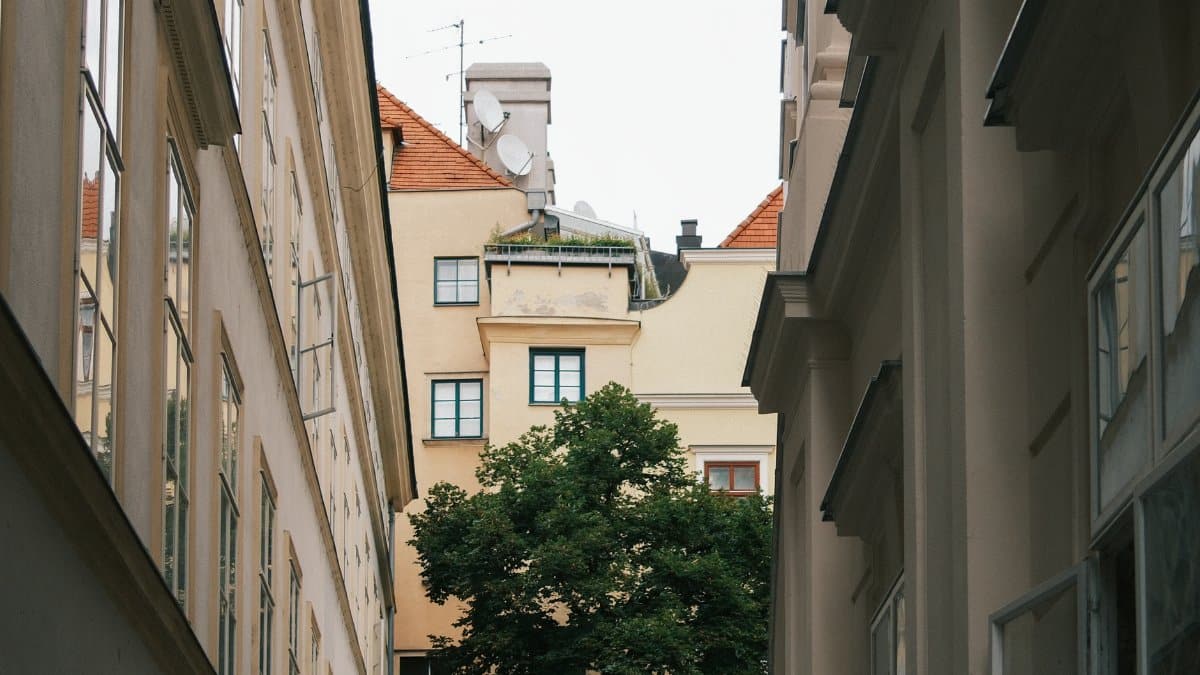
Talk to people who live in the buildings that face the park and a pattern appears. They are not, for the most part, asking for a private club. They want to cross to the market without stepping over a deal. They want children to use the play area without a parent scanning every bench. They describe nights of shouting, of fires in trash cans, of ambulances that arrive too often to still shock anyone.
Many of those same neighbors shop at the informal stands and know regulars by name. Their patience is not abstract. It is worn thin by the sense that the troubles of the park have been allowed to settle here because the rest of the city could look away. A lockable perimeter, in that telling, is less a punishment than a demand to be treated like other neighborhoods whose parks go dark on schedule.
Daylight, and the park people still claim
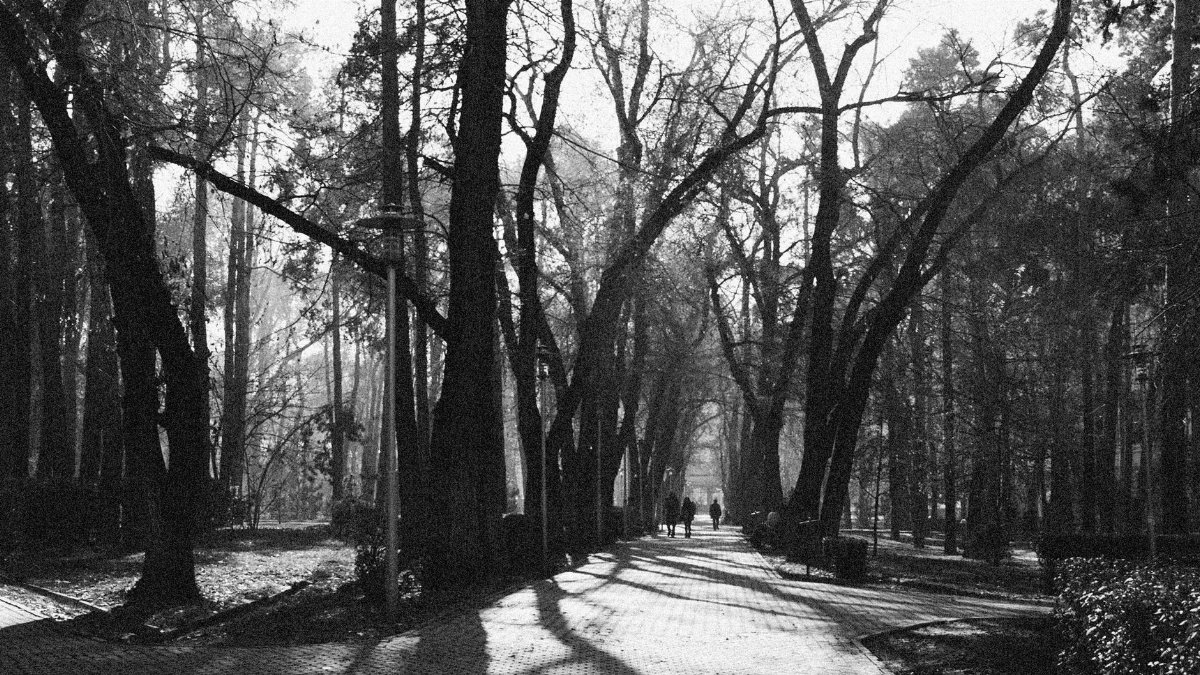
None of this erases what MacArthur Park is at noon. Soccer balls still slap the ground. Older men play cards in the shade. Church groups pass out food. Teenagers film dances near the water. The vendors, some of them unlicensed and all of them exposed to enforcement, are part of the texture that makes the place feel alive rather than merely municipal. A fence that closes at night does not have to erase that daylight, but the way it is built will signal whether the city sees those users as the point of the park or as clutter to be managed.
Design is policy. Sight lines, gate locations, and the tone of signage will tell families whether they are welcome at 7 a.m. or merely tolerated until the next complaint. If the perimeter reads as hostile even when the gates stand open, the project will have traded one form of abandonment for another. A public lawn can be orderly and still feel like it belongs to the people who walk it.
What metal cannot do
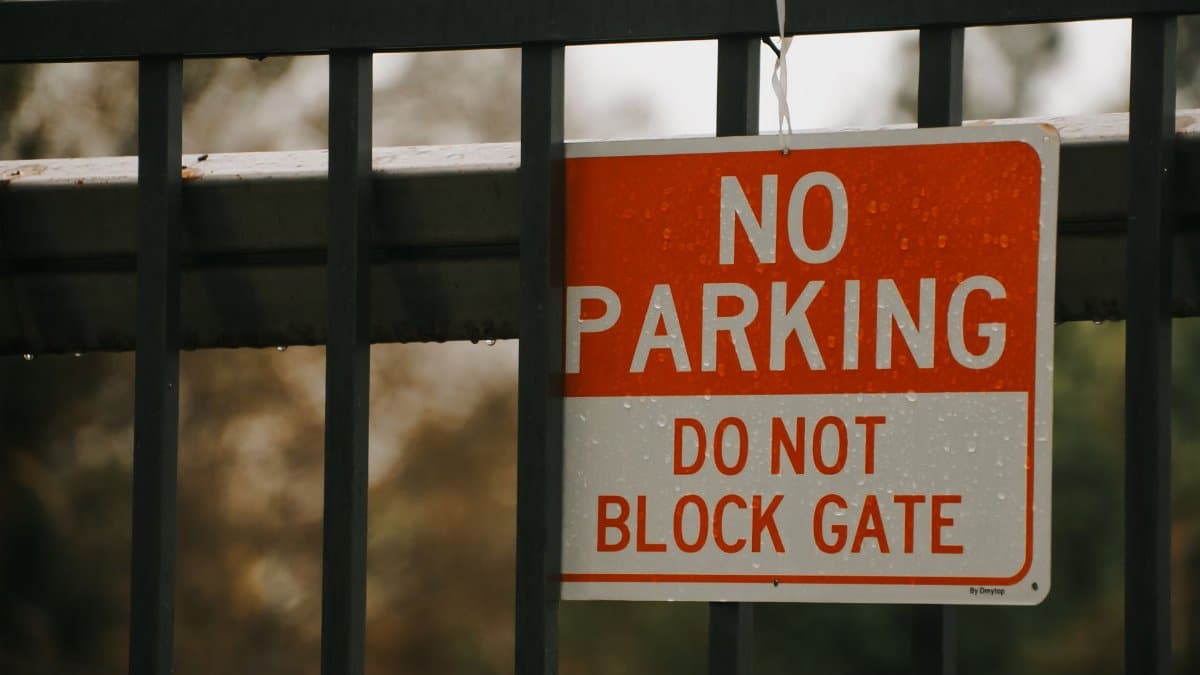
Here the MacArthur Park fence meets its limit, and it is a wide one. Drug markets are mobile. If buyers still arrive by bus and by car, sellers will find a curb. People in psychosis do not become well because a gate has closed. Encampments displaced from grass often reappear on sidewalks, where they are harder to serve and easier to resent. Violence that grows from unpaid debts and untreated trauma does not respect a posted hour.
That is not an argument for doing nothing. It is an argument against pretending that infrastructure is a substitute for care. Officers can patrol a fenced park more easily. Outreach workers still need somewhere to send a person who says yes to treatment at 11 p.m., when many doors are shut. Without that somewhere, the nightly clearing becomes a circle, and the morning newspaper will keep printing the same block.
The people who do not leave at closing
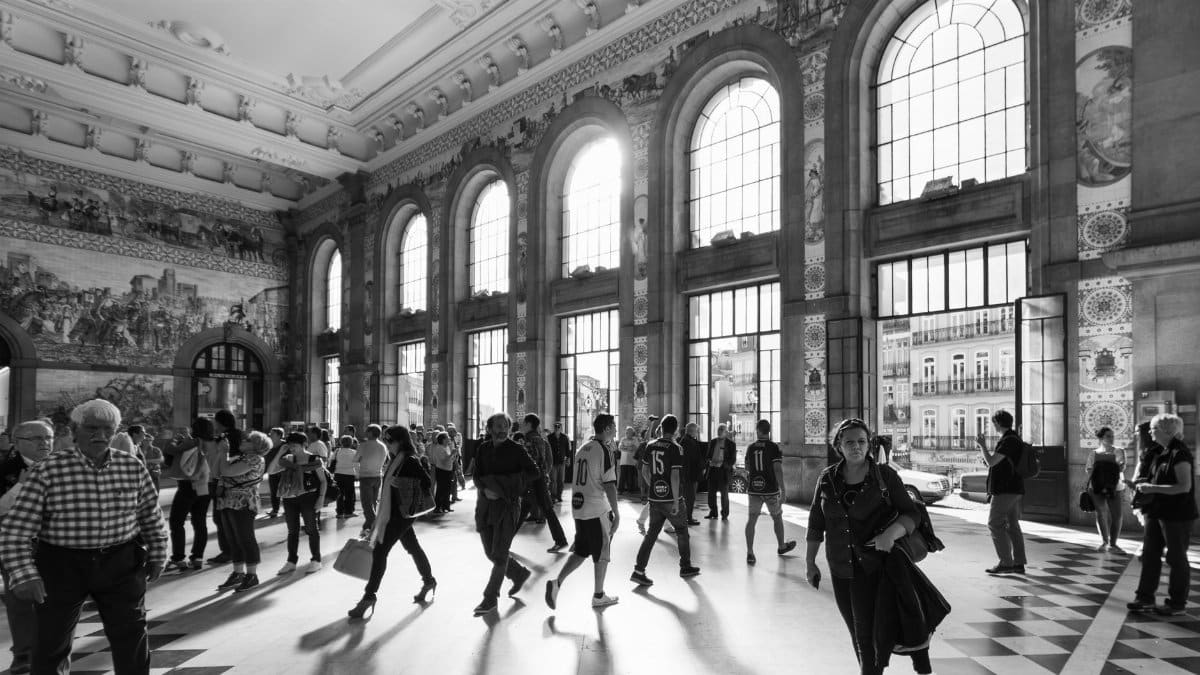
Any honest account has to name who is most likely to be moved. Not every person in the park after dark is dealing drugs. Some are sleeping because a shelter is full, or because a shelter felt unsafe, or because illness has made ordinary rooms impossible. Some are working the only economy available to them. A closing hour sorts these groups poorly. It treats presence itself as the offense, and presence is a blunt category for a city this large.
If the gates are used only to push suffering onto Wilshire or onto side streets, residents who asked for safety will meet the same crisis one block from the lawn, and the people pushed will be no safer. Dignity is not a slogan in that moment. It is a question of where a human being is allowed to be when the grass is no longer an option, and of whether the city can hold that question without looking away.
Policing, services, and the sequence that matters

Sequence is the quiet subject of this project. If enforcement arrives first and services arrive later, or never, the fence becomes a photograph of resolve without a change in outcomes. If outreach, storage for belongings, and a real offer of a bed come before the lock turns, the same metal can read as part of a larger repair. Residents are right to ask which sequence they are being sold, and to ask it before the first night of closures rather than after the complaints pile up.
There is also the question of consistency. A park that closes on paper and stays porous in practice will breed cynicism faster than an open lawn. Staffing, lighting, and a clear rule for exceptions, including events and emergencies, belong in the plan beside the budget line. So does a public account of what happens to people who are asked to leave, not only a count of arrests or of calls for service.
What the city will have to show
In a year, the measure of this choice will not be the ribbon or the rendering. It will be whether families return after dinner, whether the daytime economy of the park feels steadier, and whether the blocks around the lake are not simply absorbing what the grass no longer holds. Officials who backed the MacArthur Park fence will need to show more than a locked gate at midnight. They will need to show that dealing has not merely shifted, that violence has eased, and that the people moved at closing were met with something better than an order to walk.
Los Angeles has a long habit of treating a single park as a symbol for problems that are citywide. Symbols are useful until they excuse the larger work. The lake will still be there in the morning, doing what water does, reflecting whatever the city has decided to face. A fence can hold a boundary for eight hours. It cannot hold the meaning of a public place. That part remains a civic task, unglamorous and unfinished, on both sides of the gate.