
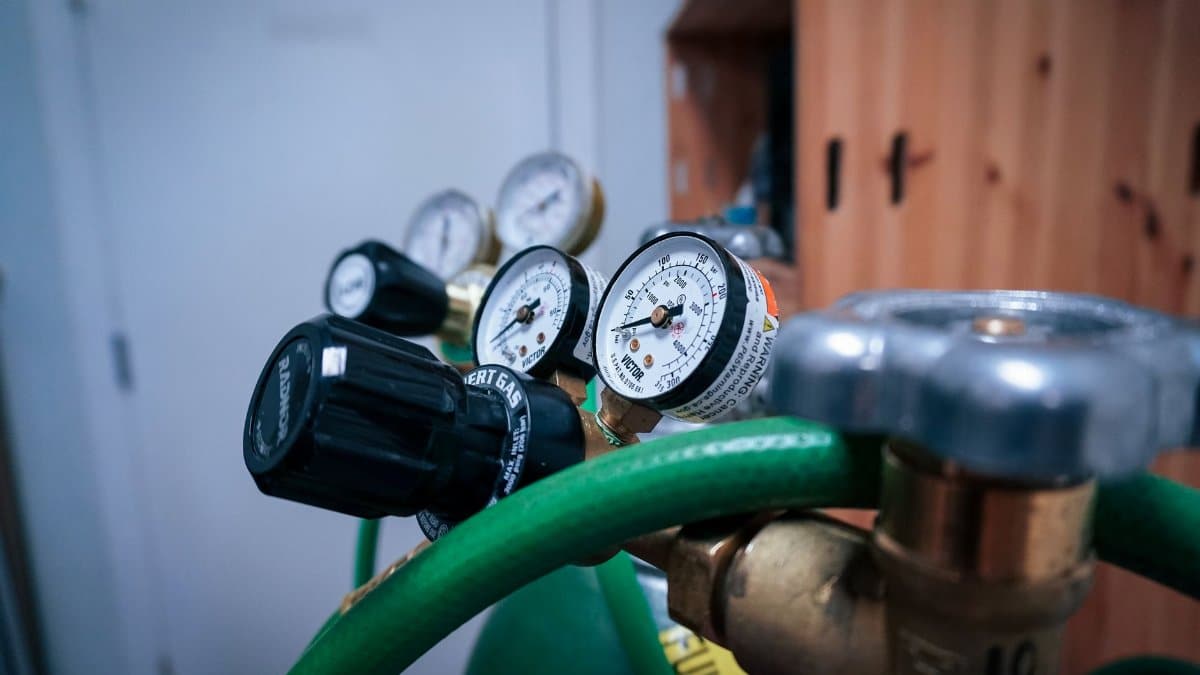
On a gray November morning in Humboldt Park, the kind of cold that settles into a radiator before the coffee is ready, Maria Alvarez set her gas bill on the kitchen table and did the math twice. The number was not a surprise. It was a habit. For years, Chicago households have learned to treat winter heat as a second rent payment, and this season the argument over who should carry that cost reached a formal decision. State regulators cut deeply into the Peoples Gas rate hike the utility had sought, approving a fraction of the increase and leaving both the company and its customers to reckon with what a smaller rise still means when the wind comes off the lake.
What the commission actually approved

According to reporting by WTTW, the Illinois Commerce Commission allowed about $40.3 million of a request that had sought roughly $144 million. The gap, about $103 million, is money Chicago customers will not be asked to cover through this particular filing. That distinction matters. A rejected dollar is not a refund, and a trimmed increase is not a rate cut. Households will still see delivery charges move. They will simply see a smaller move than Peoples Gas had asked regulators to bless.
In utility law, that kind of arithmetic is the whole case. A gas company is a monopoly in the streets it serves. Customers cannot shop for a different set of mains under the sidewalk. In exchange for that exclusive franchise, the company must justify its spending, its timing, and the profit it hopes to earn on capital it has already put in the ground. The commission sits between those poles. It is supposed to let prudent costs through and to stop the rest. The November order is a public statement that a large share of this request did not clear that bar.
How a Chicago heating bill is actually built
Most people read a gas bill as a single number. Regulators do not. A typical bill mixes the cost of the fuel itself with a stack of delivery charges that pay for pipes, meters, leak response, customer service, taxes, and the return the company is allowed to earn. Fuel prices bounce with markets. Delivery charges are where a rate case lives. They are also where a family on a tight budget feels a decision made in a hearing room months earlier.
Usage still drives the pain. A bungalow with original windows and a furnace from another decade will burn far more gas in January than a newer condo with tight walls. Renters in two flats and courtyard buildings often pay the bill directly, or they watch it reappear as a rent bump after the landlord recalculates. None of them voted on the capital plan. All of them fund it, one therm at a time. That is why a docket measured in millions can feel, on a kitchen table, like a question about groceries.
The pipe work behind the request
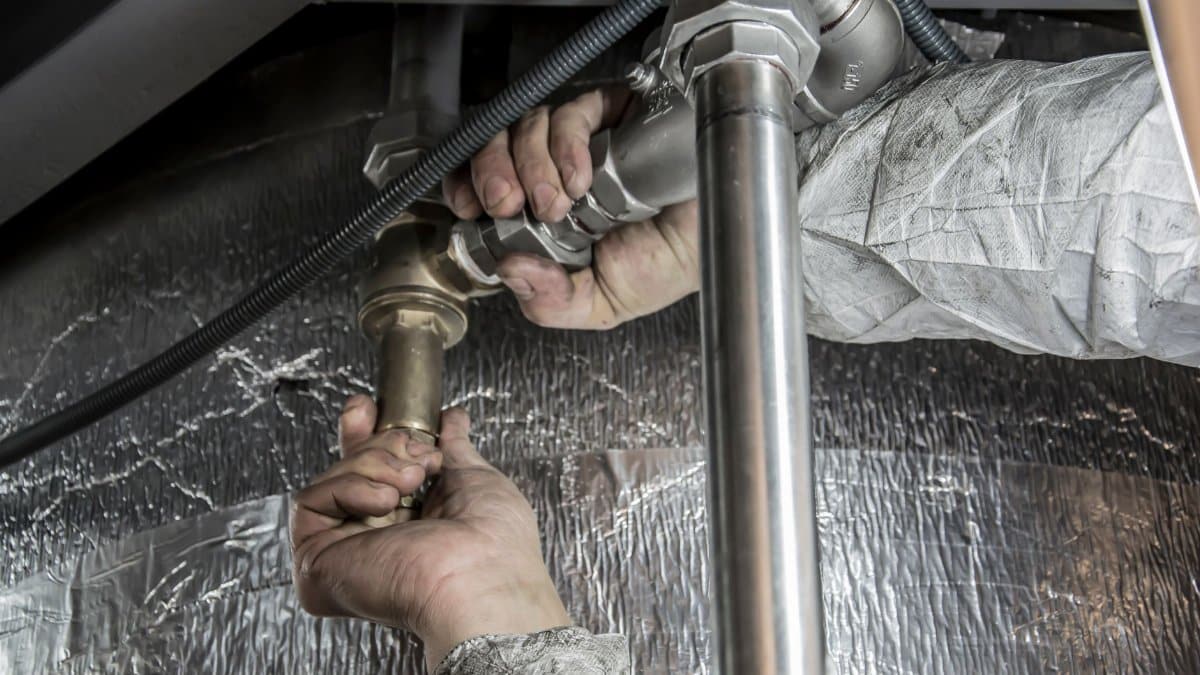
Peoples Gas has spent years replacing old cast iron and steel mains across the city, a program pitched as a safety project after widely discussed leak risks and federal pressure on aging urban systems. The company has argued that waiting raises the chance of failures, emergency digs, and higher costs later. Consumer advocates and city officials have spent the same years asking whether the pace, the price, and the oversight of that work matched what customers could bear.
This is not an abstract engineering quarrel. Chicago sits on a dense web of mains, some of them laid when the neighborhoods above them were still new. Replacing that web means permits, traffic disruptions, restoration of streets and parkways, and a long tail of costs that show up in rates long after the crews leave the block. Supporters of faster replacement say a leak under a sidewalk is not a budget item a city should gamble with. Critics answer that a safety program can still be mismanaged, and that customers should not finance every preferred schedule simply because the pipes are old.
Why advocates pressed for a deeper cut

Public interest lawyers and neighborhood groups tend to enter these cases with a simpler test than the one engineers use. They ask who pays, how soon, and whether the burden lands hardest on people with the least room to absorb it. Chicago remains a city of sharp income gaps. Older housing stock, which often loses more heat, is concentrated in the same South and West Side neighborhoods where energy already claims a painful share of monthly income. A delivery charge that looks modest on a spreadsheet can crowd out medicine, transit, or a winter coat.
Advocates also worry about the structure of recovery. When a utility earns a return on capital projects, it has a built in reason to favor building over other ways of managing risk. Regulators are supposed to test that incentive. A cut of this size suggests the commission found room to say no: to spending levels, to timing, to profit assumptions, or to some mix of all three. The order does not erase the underlying system. It does tell the company that a large request is not a plan customers are obligated to underwrite in full.
What customers will still feel this winter
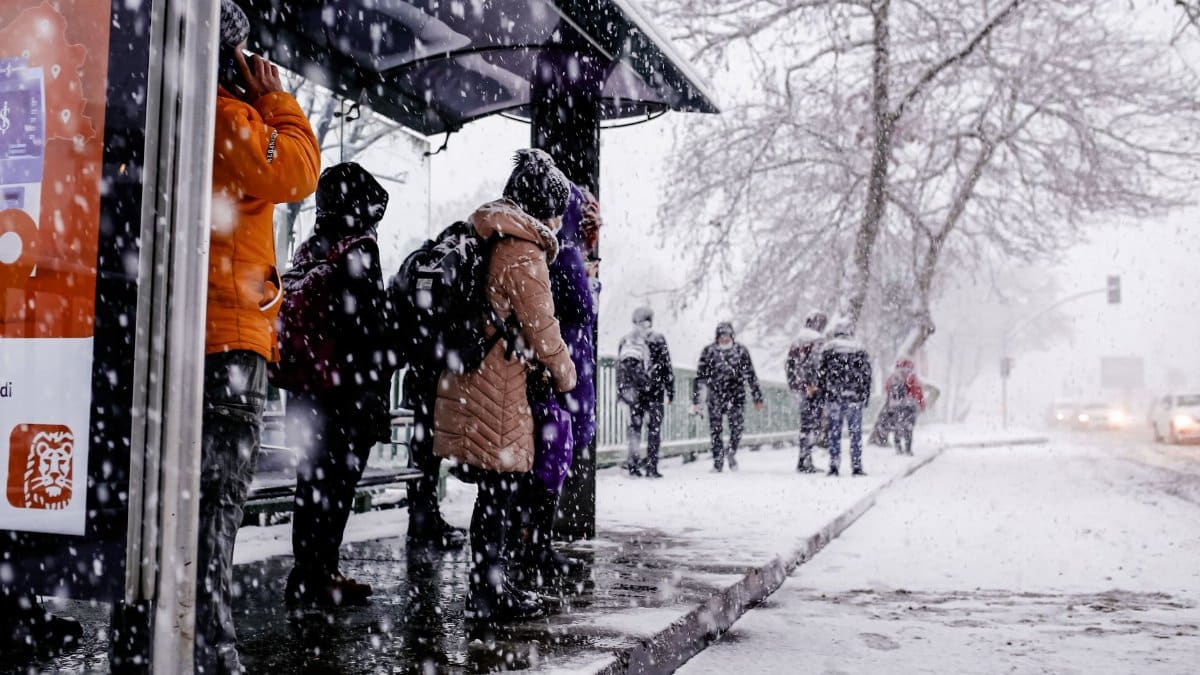
Even after the cut to the Peoples Gas rate hike, winter remains the season when small rate changes become large bills. Heating load piles into a few months. A household that set a budget in September can discover in February that the budget was a wish. Budget billing can smooth the spikes, but it does not shrink the annual total. Assistance programs, including LIHEAP and local utility grant funds, can close part of the gap for people who qualify and who apply before the money runs out. Those programs are a safety net, not a substitute for a fair rate.
It is worth reading the bill in pieces when the new charges land. The supply portion reflects gas commodity costs. The delivery portion reflects the regulated system. A mild month can hide a higher delivery rate. A brutal month will advertise it. Customers who want a record should keep the notices the company sends before new rates take effect, because those notices are the paper trail if a charge later looks wrong.
The case the company will keep making

Peoples Gas is unlikely to treat this order as the last word on what its network needs. Investor owned utilities have a duty to maintain safe service, and they have shareholders who expect the commission to honor the bargain that comes with that duty. If the company believes the cut blocks recovery of work it has already performed, it can seek rehearing or appeal. If it believes future projects remain necessary, it can return with a narrower plan, a slower schedule, or a fresh rate case once it thinks the evidence is stronger.
That back and forth is ordinary, and it is also exhausting for the public. Rate cases are long, technical, and easy to ignore until the bill arrives. The people with the most at stake often have the least time to follow testimony about depreciation schedules and capital structure. Journalism, community workshops, and plain language notices are the thin bridge between a docket and a dining room. When that bridge fails, a victory measured in rejected millions can still feel like something that happened to other people.
A city caught between old pipes and a new energy map
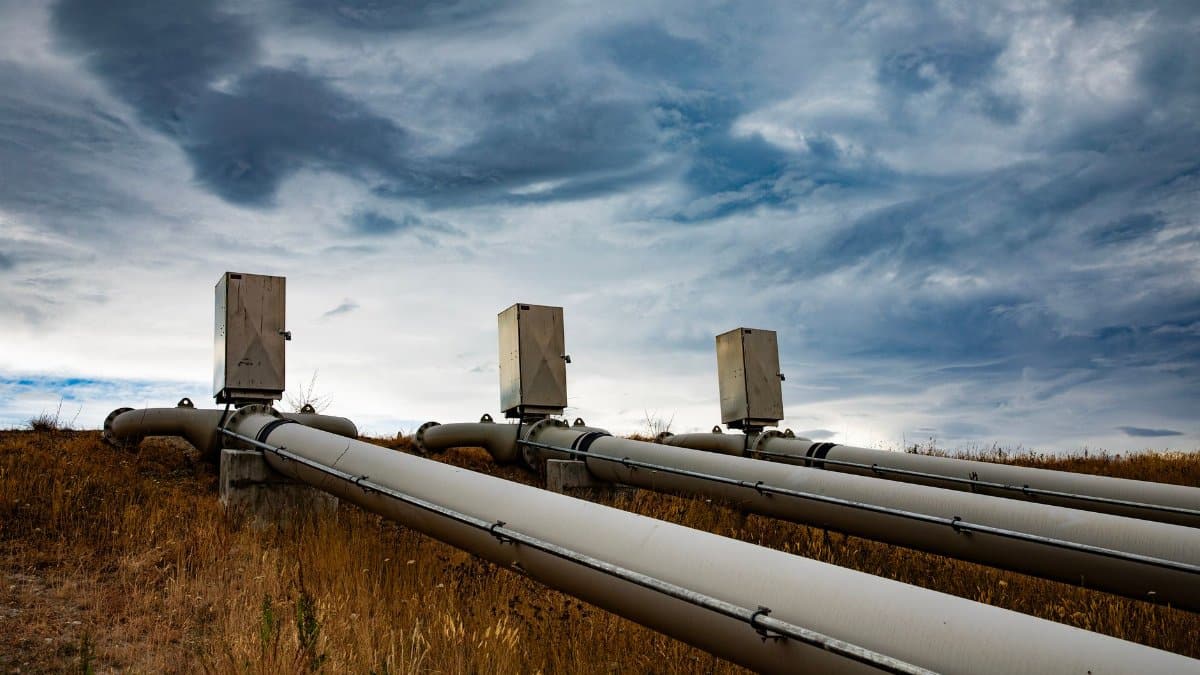
The debate over the Peoples Gas rate hike sits inside a larger argument Illinois has not finished. State climate policy pushes the region toward cleaner power and, over time, fewer buildings heated by gas. At the same time, millions of homes and storefronts still depend on the existing system, and they will depend on it through many more winters. If customers leave gas faster than the company retires assets, the people who remain, often those who cannot afford a heat pump or a rewired panel, could be left paying for a network that serves fewer and fewer accounts.
That is the stranded cost problem in plain clothes. Spend too slowly on failing mains and you accept safety risk. Spend too quickly and you load decades of pipe costs onto households that may be asked, in the same decades, to electrify. The commission cannot solve that tension in one order. It can refuse to let the tension become an open checkbook. The $103 million reduction is a boundary, not a destination.
What a narrower increase still demands of regulators
Approval of about $40.3 million is not a small sum in a household budget, even if it is a sharp cut from $144 million. Every dollar that remains in rates should be traceable to work that was needed, competitively priced, and useful to the customers who pay it. Oversight after the order matters as much as the order itself. Audits, construction updates, and clear reporting on leak rates and project costs are how the public learns whether a promise made in a filing became a result in the street.
Transparency also means saying what was denied and why, in language a non lawyer can follow. When commissions speak only in the dialect of revenue requirements, they leave a vacuum. Utilities fill it with safety warnings. Advocates fill it with anger. Both messages can be partly true. Neither replaces a public explanation of which projects survived scrutiny and which did not.
How renters and owners can respond without waiting

A rate decision is not the only lever on a winter bill. Sealing obvious drafts, servicing a furnace, and lowering the thermostat a degree or two still change consumption, which is the part of the bill a household controls. Building owners who pass gas costs through to tenants have a reason to fix the envelope of the building, not only the rate. City weatherization programs and utility efficiency offerings can pay for some of that work, though waiting lists and eligibility rules are real obstacles.
People facing disconnection should ask about payment plans before the shutoff date, not after. Illinois rules give customers specific rights around notice and medical certification, and those rights are easier to use when the paperwork is started early. None of this erases the structural fact that heat is not a luxury in this climate. It does keep a policy story from becoming, in one apartment, a night without heat.
The politics of a number that sounds abstract

One hundred three million dollars is the sort of figure that floats above daily life until someone divides it by customers, months, and winters. The approved Peoples Gas rate hike will be felt unevenly, which is another way of saying it will be felt politically. Aldermen hear about bills before commissioners do. Governors hear about them when assistance funds run short. A utility that returns too often with oversized requests spends credibility it will need the next time a main actually fails.
There is also a fairness claim on the company side that should not be waved away. Workers who replace pipe, restore streets, and answer leak calls are not the same thing as a line item. A system that starves maintenance to win a news cycle is not a progressive outcome. The adult version of this debate holds two ideas at once: customers are not a blank check, and a dense old city cannot bluff its way past decaying iron.
What to watch after the headlines fade

The next chapters are procedural and easy to miss. Watch for a rehearing request, for any appeal, and for the compliance filings that show how the approved revenue will be collected. Watch the next capital plan for signs that denied projects have been redesigned rather than simply renamed. Watch assistance funding as cold weather deepens, because a legal win in November does not stock a pantry in January.
Readers who want a ground level view can compare this winter’s delivery charges with last winter’s, using similar usage rather than the total due. That comparison will not capture every rider and tax, but it will show whether the decision described in the order matches the decision printed on the bill. If it does not, the gap belongs in front of the commission, the company, and the news outlets that followed the case, not only in a group text among neighbors.
A smaller ask, not a settled argument

Whatever remains of the Peoples Gas rate hike will arrive quietly, as most rate changes do, inside a charge most people never itemize. The louder fact is what regulators refused. By striking about $103 million from a $144 million request, the commission told a powerful local utility that scale alone is not a justification. That is a meaningful limit in a city where heat is a public necessity delivered by a private network.
It is not a closing chapter. Pipes will keep aging. Climate policy will keep pressing. Bills will keep landing on kitchen tables in Humboldt Park and in every other neighborhood that still lights a burner when the temperature drops. The test of this order is not the press release that announced it. The test is whether the next request is leaner, the next explanation clearer, and the next winter slightly less punishing for the people who have no other way to stay warm.