
The fluorescent lights in a rented storefront off Main Street in Doylestown were still burning after the volunteers had gone. A whiteboard held a county name and a column of towns whose numbers no longer added up the way party leaders had hoped. Coffee had gone cold beside a stack of unused palm cards. For Pennsylvania Republicans, the midterm that ended this month did not register as an ordinary correction. It registered as the loss of a seat many insiders had treated as proof that a moderate profile could still survive in a populous suburban county, and as a question about whether the rest of the map can be rebuilt before the next decade begins.
The night the margin vanished

Campaigns like to talk about momentum, but election night in the collar counties was quieter than that word suggests. Returns from Bucks arrived in uneven batches. Early votes looked stubborn. Later precincts, the ones party aides had circled in hopeful ink, did not reverse the tide. Staffers who had spent months insisting that a familiar incumbent could outrun a difficult year stopped refreshing their phones and started calling donors with nothing useful to say.
What lingered was not a single dramatic swing but a pattern. Places that had been competitive became comfortable for Democrats. Places that were supposed to be safe required more money and more worry than the budget had allowed. Rural counties still delivered large Republican margins, yet those margins could not paper over losses closer to Philadelphia and, in smaller ways, around Pittsburgh. The geography of the state did what it so often does. It rewarded the side that could add suburban votes without surrendering the cities.
What Bucks County had been holding together

Bucks was never a simple county to explain. It contains old river towns, new subdivisions, farm remnants, and commuters who measure politics by schools, taxes, and whether the train is late. For years it functioned as a kind of exhibit for Republicans who believed a careful legislator could keep both traditional voters and college educated professionals in the same coalition. Rep. Brian Fitzpatrick was the exhibit. His loss removes the example as well as the seat.
Allies describe him as someone who tried to sound like the county rather than like a national feed. Critics inside the party found that habit maddening. They wanted sharper contrasts and louder loyalty tests. Voters, at least this November, did not reward the compromise either. A seat that had been defended as evidence of local brand over national weather fell anyway. The lesson is uncomfortable because it cuts in two directions at once. Personality still matters, and personality is no longer enough.
Reading the Fitzpatrick loss
It is tempting to treat one defeat as a morality play. Some operatives already are. One camp says the party was not aggressive enough on crime, borders, and cultural fights, and that softness cost enthusiasm. Another camp says the same fights, imported wholesale from national media, alienated the very households Fitzpatrick had spent years courting. Both stories can be told with selected door knocks. Neither is a full accounting.
A more useful reading starts with turnout and ticket composition. When the top of the ballot is heavy, a moderate incumbent can sometimes separate himself from it. When the top of the ballot is absent, as in a midterm, every local race becomes a referendum on the party people think they already know. Fitzpatrick’s name was familiar. The mood attached to his party was more familiar still. In a county where many voters split tickets when they feel permission to do so, permission seems to have been in short supply.
A case for thinking toward 2030
In the days after the results, a quieter argument began to circulate among donors and county chairs. Forget the next headline cycle, some of them said. Build for 2030. The phrase sounds like an excuse for losing, and in careless mouths it is. Used carefully, it is a recognition that Pennsylvania is shaped by institutions that do not reset every two years: legislative maps, judicial elections, school boards, row offices, and the slow work of finding candidates who can survive a primary and a general election without becoming unrecognizable to either.
Pennsylvania Republicans who favor that horizon are not asking members to sit out 2028. They are asking them to stop treating every special election and every cable controversy as the whole of politics. Census preparations, local benches, and county organizations that function in odd numbered years are unglamorous. They also decide, years later, which suburbs are even contestable. A party that only shows up when a presidential candidate charters a plane will keep learning the same lesson in places like Bucks.
The fight over what the party should say
Message fights after a loss are rarely about message alone. They are about who gets to define the loss, and therefore who gets the next contract. In Harrisburg conversations this month, the split is familiar. One side wants cultural clarity and believes hesitation reads as shame. The other wants a politics of costs, schools, and safety, argued in a register that does not require voters to adopt a national identity before they will listen.
The state does not offer a single correct dialect. A message that travels in Schuylkill County can sound performative in Montgomery County. A message sanded smooth for the Main Line can sound evasive in the northern tier. The error, repeated for several cycles, has been to pretend one voice can do all of that work if it is simply louder. Voters are better at detecting a borrowed script than consultants like to admit. They have heard the national argument already. What they have not always heard is a candidate who seems to know the price of their school tax bill.
Money, lists, and the unglamorous work

Losing a durable incumbent also exposes the machinery underneath the ads. Several county leaders, speaking in the careful way of people who still need the same donors, describe a party that can raise money for a famous name and then struggle to maintain voter contact when the cameras leave. Lists go stale. Precinct captains age out. New residents in townhouse developments never receive a knock that is not a glossy mailer three weeks before Election Day.
None of this is unique to one party, and Democrats have their own hollow precincts. The difference this year was that Republican hopes depended on places where organization had been allowed to thin out because a popular incumbent seemed to make it unnecessary. When that incumbent fell, there was no deep bench of township officials with independent standing to complicate the story. Rebuilding that layer is slow. It is also the only reliable answer to a suburban county that no longer gives the benefit of the doubt.
Congregations, kitchens, and civic habit
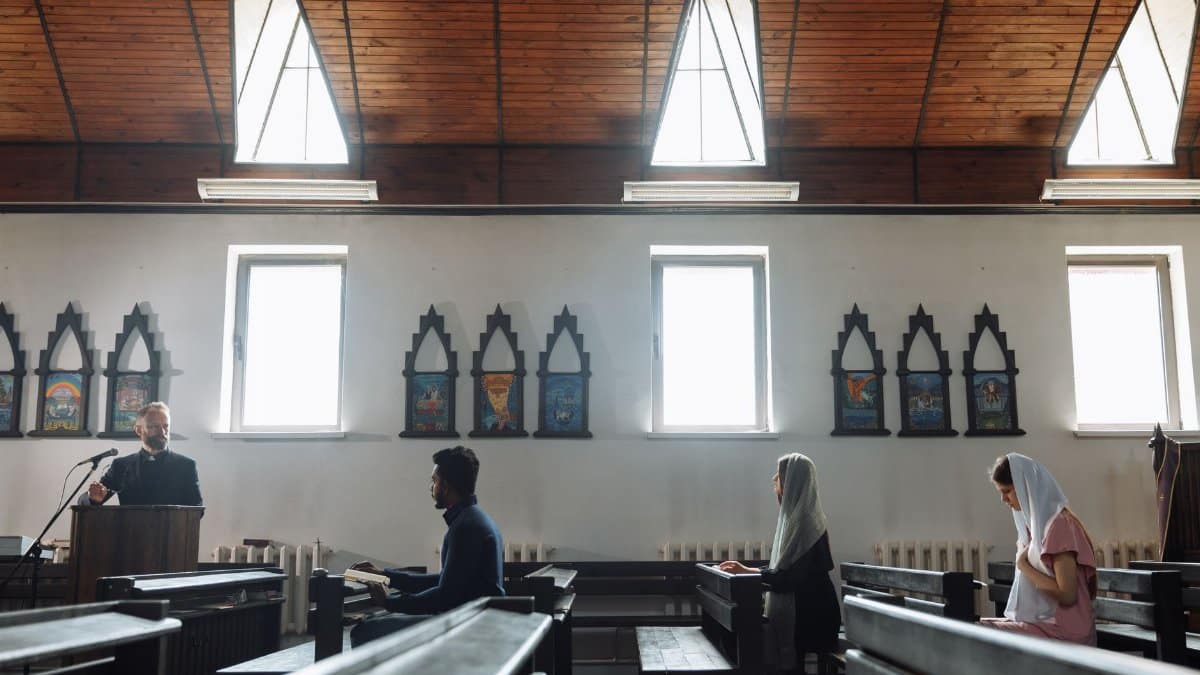
Pennsylvania’s political life still runs through rooms that are not officially political. Church basements, parish halls, mosque community rooms, and synagogue social spaces host the same neighbors who later stand in school board lines. Those rooms are not campaign offices, and treating them as such is a fast way to empty them. Still, they tell you something about trust. Where people already gather to mark births, illnesses, and holidays, political argument arrives with a different temperature.
After this midterm, some Republican organizers are talking less about converting pulpits and more about showing up as neighbors before they show up as partisans. That can sound soft. It is also a description of how durable local majorities used to be made. A party that appears only to ask for a vote, and never to sit through the untelevised parts of community life, will keep mistaking attention for affiliation. Affiliation is what remains when the national mood turns sour. Several pastors and lay leaders I spoke with around the collar counties described congregants who are conservative in private and exhausted in public. Exhaustion is not a platform. It is a warning that politics has been asking for loyalty without offering ordinary respect.
The Democratic playbook in the suburbs
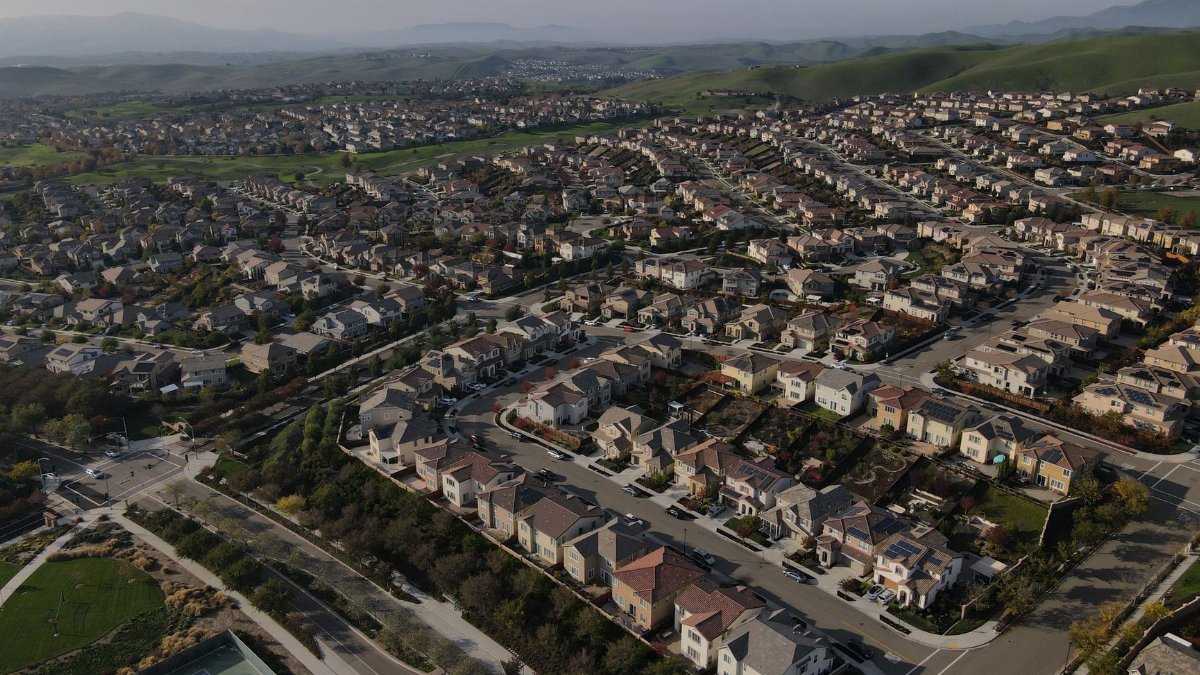
Democrats did not win Bucks by accident, and they did not win it only because Republicans erred. They spent years treating local offices as a farm system. They talked about abortion rights, health costs, and democratic norms in language aimed at women who had drifted from the Republican Party and had not drifted back. They also competed for mail ballots without apology, while some Republican circles continued to treat early voting as a concession rather than a tactic.
There is a lesson there that does not require imitating Democratic policy. It requires imitating Democratic seriousness about the calendar. Ballots that are cast before the final rally still count. Candidates who have served on a zoning board can explain a sewer bill without reading from a memo. A statewide party that dismisses those facts as small will keep losing races it describes, the week before, as winnable. The collar counties have been explaining this for the better part of a decade. This midterm simply removed the last prominent exception.
A narrower coalition, or a broader one
The choice now is less poetic than campaign speeches suggest. Pennsylvania Republicans can pursue a narrower coalition, concentrated where margins are already huge, and hope that rural strength plus a favorable national year will occasionally be enough. That path is emotionally coherent for activists who feel the party has been too eager to please suburban critics. It is also a path that leaves Philadelphia’s suburbs, and parts of the west, as permanent deficits. In a state this closely divided, permanent deficits become governing defeats.
The other path is broader and harder. It asks candidates to disagree with their own activists in public, to recruit people who do not look or sound like the last convention, and to accept that some primary voters will call that betrayal. Fitzpatrick tried a version of this and lost. His defeat will be cited as proof that breadth does not work. It may instead be proof that breadth cannot be assigned to one incumbent while the rest of the party practices a different politics on television every night. Voters do not grade the exception. They grade the brand.
What the next year will actually test
The months ahead will not settle the argument in a single meeting. They will settle it in candidate recruitment for the legislature, in whether county parties can fund year round staff, and in whether anyone with a future in the party is willing to say that a suburban loss is a suburban problem rather than a story about insufficient anger. Judicial races and local offices, easy to ignore, will show whether the 2030 talk is real.
There is no guarantee that patience will be rewarded. National politics may deal another bad year, or an easier one, before any rebuilt organization is ready. What the midterm did clarify is the cost of waiting for a personality to do the work of a party. Pennsylvania Republicans have the rural votes, the donor lists, and a state that still splits its tickets when it is given a reason. What they do not have, after Fitzpatrick’s defeat, is a convincing demonstration that the suburbs will come home on reputation alone. The storefront lights in Doylestown eventually went off. The map on the whiteboard is still there in the morning, and it does not erase itself.