

On a gray Tuesday in late autumn, county health officials in Marin released a notice that many residents had hoped would wait until January. The Marin County flu death, the first confirmed this season, arrived as clinics were already seeing influenza earlier than usual across the Bay Area and the rest of California. The announcement was brief, as these notices often are, and it carried the familiar public health language of caution rather than panic. Still, a first death has a way of changing the temperature of a conversation. It turns an abstract seasonal warning into a local fact, and it asks neighbors to consider what they owe one another in the weeks ahead.
What county officials reported
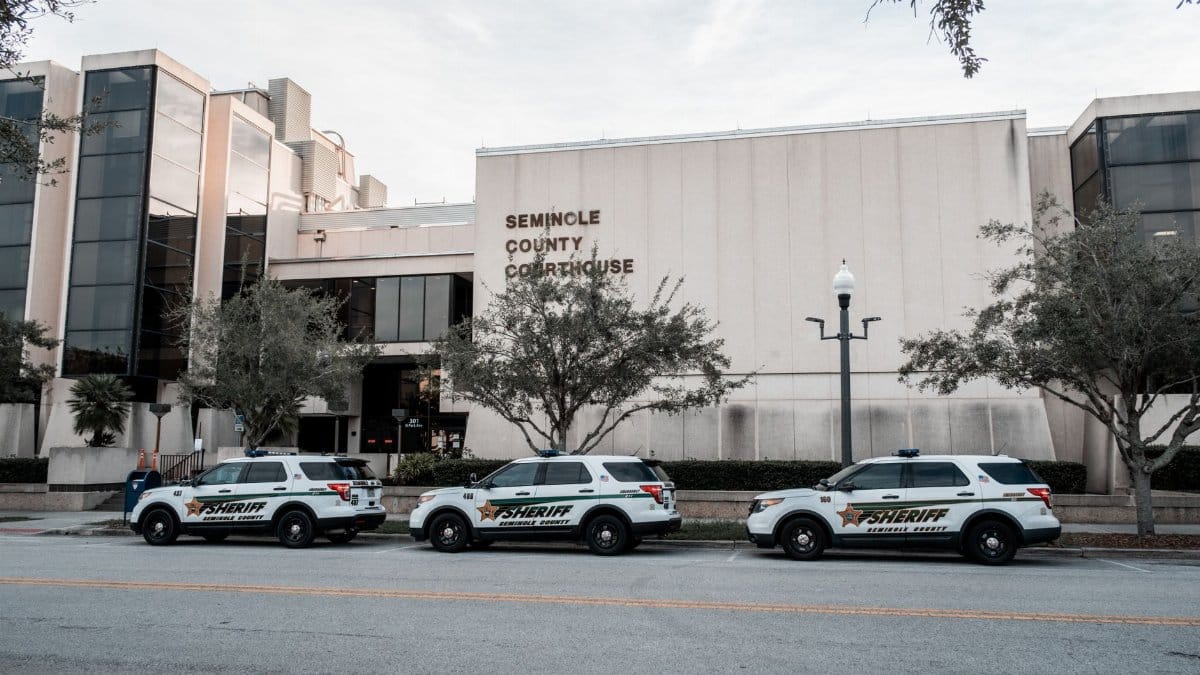
Marin County public health staff said the person who died had tested positive for influenza, and that the case was the first fatal infection recorded in the county this season. Officials did not release a name, which is standard when a family has not chosen to speak publicly. They did say influenza had begun circulating sooner than in a typical year, with activity running roughly two months ahead of the usual winter climb. That timing matters because many people still think of flu as a January problem, something to address after the holidays rather than before them.
A first death is not a forecast of how severe the rest of the season will be. It is a marker. In a county of a few hundred thousand people, one loss is statistically small and personally enormous. Health departments treat it as both. The notice functions as a signal to clinicians, school nurses, and families that the virus is already here, not waiting on the calendar.
Why an early season changes the math

Influenza does not keep a neat schedule, but public health planners do. Vaccine clinics, hospital staffing, and school absence plans are built around a winter peak. When cases rise in late fall, those plans compress. People who meant to get a shot in December may already have been exposed. Emergency departments that expected a quieter stretch can fill with fever, cough, and dehydration before the holidays even begin.
Across the Bay Area, physicians have described a similar pattern this year: more positive tests, more visits for respiratory illness, and less of the lull that sometimes follows the start of school. California has seen early waves before. They do not always become the worst seasons on record. They do remove the comfort of waiting. The Marin County flu death sits inside that larger shift, a local point on a regional curve that started climbing sooner than many expected.
How influenza actually spreads

Flu moves through droplets and close contact, and it moves well in rooms where people talk, sing, or simply breathe near one another for a while. Offices, classrooms, buses, and holiday tables are efficient settings. A person can spread the virus a day before symptoms appear, which is why advice that begins only after someone feels awful always arrives a little late.
Most infections are miserable and temporary. Fever, body aches, sore throat, and a dry cough can knock a healthy adult flat for a week. For older adults, pregnant people, young children, and anyone with heart disease, lung disease, or a weakened immune system, the same virus can lead to pneumonia and hospitalization. Death remains uncommon relative to the number of infections, which is precisely why a reported death should focus attention rather than invite fatalism.
Who carries more risk

Risk is not a moral category. It is a medical one. Age raises it. So do chronic conditions that limit how well the body handles inflammation and low oxygen. People who live in group settings, including nursing homes and shelters, face more exposure simply because they share air with more neighbors. Health workers see more virus because their job requires it.
Marin is often described as affluent and outdoorsy, which can create a false sense that respiratory disease is someone else’s problem. Wealth does not sterilize a classroom or a commuter train. The county also includes older residents in the hills and along the coast, and families who work in service jobs with little sick leave. An early wave hits those groups differently. The person who can stay home loses wages. The person who cannot stay home keeps the virus moving.
What clinics and hospitals are watching
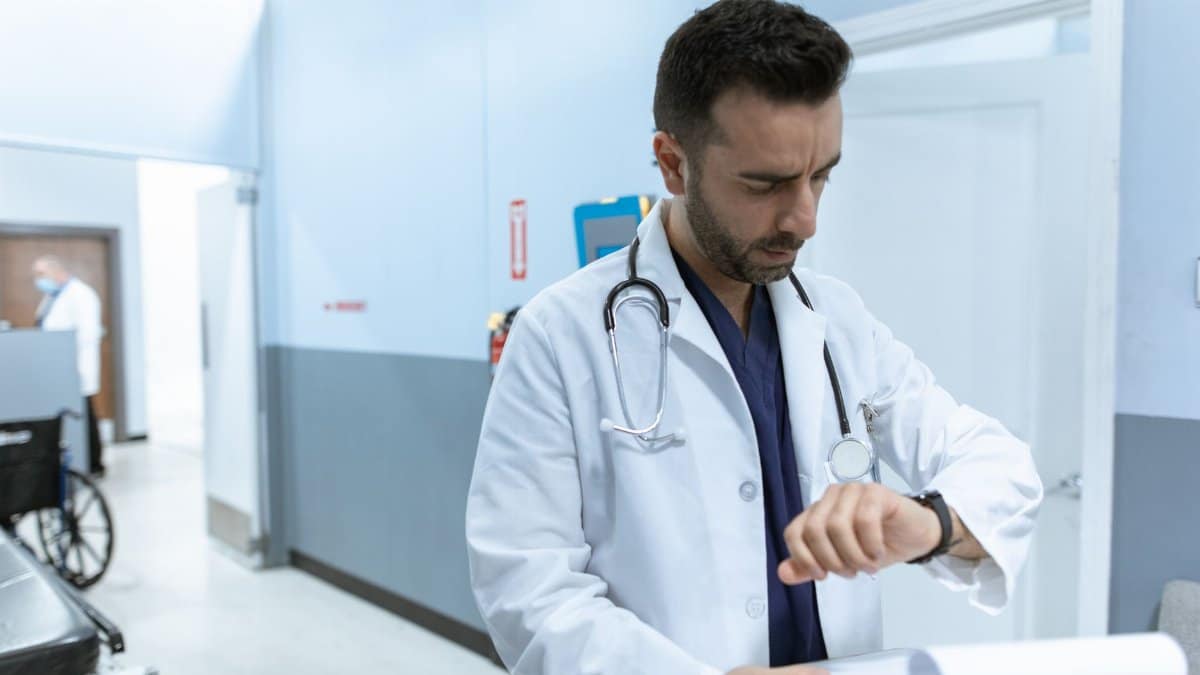
Local clinicians watch three things at once: test positivity, hospital admissions, and how sick the admitted patients are. A rise in mild illness is expected every year. A rise in pneumonia, low oxygen, and intensive care use is the warning that changes staffing. Hospitals in the region already juggle other respiratory viruses in the colder months. When flu arrives early, it can overlap with those illnesses instead of replacing them.
That overlap is tiring in a practical sense. Nurses, respiratory therapists, and primary care doctors absorb the extra visits. Appointments for routine care get harder to book. The system does not collapse from one county death. It frays at the edges, in longer waits and fuller waiting rooms, if the wave keeps building without people taking ordinary precautions.
Vaccination still does the most work

The annual flu vaccine is an imperfect tool and still the best one available before exposure. It reduces the chance of infection and, more reliably, the chance of severe disease. Protection is not instant. The immune system needs about two weeks after the shot to build a useful response. That lag is why an early season punishes delay. A person who schedules a visit for late December may spend the next fortnight unprotected while virus is already circulating at work and school.
The Centers for Disease Control and Prevention recommends vaccination for nearly everyone six months and older, with rare exceptions, and updates formulation advice each year. County clinics, pharmacies, and many primary care offices in Marin carry the vaccine. Supply has not been the limiting factor in recent seasons. Habit has. People wait for a coworker to get sick, then discover the appointment book is full.
Ordinary habits that reduce spread

None of the familiar steps are glamorous, and none of them require a new theory of wellness. Stay home when you have a fever. Cover coughs. Wash hands with soap for long enough to matter, especially after commuting and before eating. Open a window when a room is crowded. Consider a mask in a packed clinic or on a long ride if you are sick and must travel, or if you are protecting someone fragile at home.
Antiviral drugs can help some patients if started early, particularly those at higher risk of complications. They are not a substitute for prevention, and they require a clinician, not a guess from social media. Testing matters because flu, Covid, and other respiratory infections can look alike in the first two days. Treating the wrong illness wastes time that a vulnerable patient does not have.
The Marin County flu death and community memory

A county notice is a public document. Grief is private. Those two facts sit side by side after any reported death, and they should not be collapsed into a slogan. Families decide what to share. Neighbors do not get a claim on the details. What the public does get is a responsibility not to treat the loss as content, and not to use it as proof of whatever theory was already popular online.
In a place the size of Marin, people often know the schools, the congregations, the trailheads, and the clinics involved in a story even when a name is withheld. That intimacy can produce rumor. It can also produce care: a meal dropped off, a shift covered, a ride to a pharmacy. The healthier response is the second one. Speculation about who was vaccinated, or who waited too long, adds nothing a medical examiner has not already considered, and it costs the living their dignity.
A wider California pattern

State health officials have tracked influenza for decades and publish weekly snapshots during the respiratory season. Those reports are the right place to watch whether Marin is an outlier or an early indicator. Early activity in one county often shows up soon after in neighboring ones, because people cross the Golden Gate and the Richmond bridge every day for work, school, and family. A virus does not respect a county line any more than traffic does.
Readers who want primary numbers should look at the California Department of Public Health respiratory virus updates and at CDC seasonal summaries rather than at screenshots passed around group chats. Those agencies revise figures as labs report late results. A single Tuesday announcement will not match a weekly chart perfectly, and that mismatch is not evidence of a cover up. It is how surveillance works when tests take time to confirm.
What families can do this week

The practical list is short. Check whether everyone in the household who is eligible has had this season’s flu vaccine, including teenagers who assume they are invincible and older relatives who assume last year’s shot still counts. It does not. Make a plan for who stays home if a child spikes a fever on a school morning. Know which clinic can see a high risk relative within a day, not after a weekend of hoping the cough improves.
Employers have a role that public notices rarely spell out. Paid sick time is infection control. A workplace that praises people for showing up febrile is choosing spread over productivity, and the productivity does not last. Schools can send clear notes about when a child should return, without turning every absence into a moral test. These are administrative choices, and they shape the curve as surely as a poster in a clinic lobby.
Questions the first death cannot answer

One confirmed death cannot tell Marin how many infections are silent, which strain is dominant, or whether this winter will rival hard years in memory. Strain tracking and hospitalization data will fill some of that in over the coming weeks. Until then, certainty is a temptation worth resisting. So is dismissal. The error on one side is panic buying and rumor. The error on the other side is treating an early fatal case as a statistical footnote because the season has not officially peaked.
Journalists and readers share a narrower duty here: stick to what officials have actually said, distinguish a single tragedy from a trend, and keep pointing people toward vaccination and timely care. The San Francisco Chronicle report on the county notice is a useful starting point for the local facts. Federal guidance from the CDC remains the clearest national frame for who should be vaccinated and when to seek help for trouble breathing, chest pain, confusion, or a fever that will not ease in a vulnerable person.
Living with a season that started early

Winter illness is ordinary. That ordinariness is not the same as inevitability for every severe outcome. Communities that treat flu as background noise tend to learn, again, that background noise includes funerals. Communities that treat every cough as a crisis exhaust themselves and ignore the people who truly need a bed. The space between those errors is where public health actually lives: specific, a bit repetitive, and dependent on people who would rather not think about it.
The Marin County flu death is a sad fact and an early one. It does not define the county, and it should not be forgotten by Friday. If the season is running ahead of the calendar, the response can run ahead of it too. A shot this week, a day at home when fever hits, a phone call to an older neighbor, and a refusal to invent details no family has offered: those are modest acts. They are also how a first death stays singular instead of becoming the start of a list.