
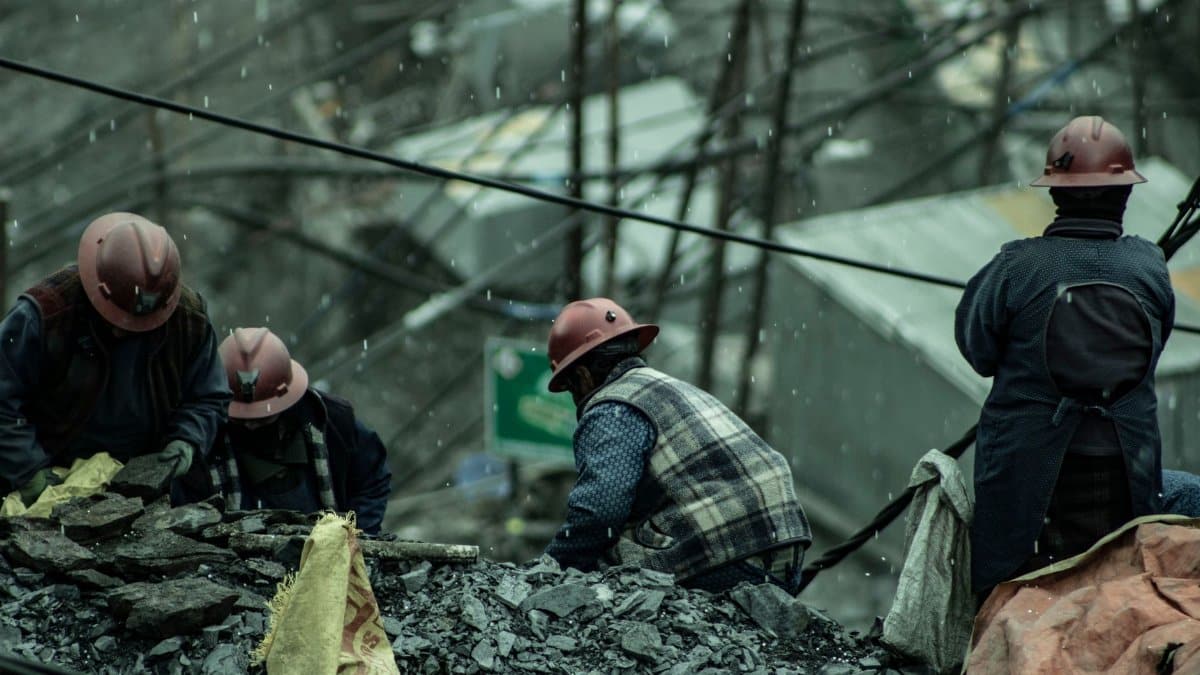
The lights at Minorca Mine do not go out all at once. They thin. A crew is told to finish the shift and not to plan on the next one. In Virginia, Minnesota, that thinning has a name and a grocery list. Iron Range miners idled when Cleveland Cliffs halted production have been living on unemployment, side work, and the hope that taconite would matter again to a steel industry that can idle a plant faster than a household can rewrite its budget. A tentative four year agreement between the company and the United Steelworkers now holds out a return to work. For a region built on ore, the difference between a rumor and a callback is the difference between staying and scattering.
When the shift board went dark

Minorca sits on the edge of Virginia, a city whose fortunes have risen and fallen with pellets bound for blast furnaces far from the woods. When the company idled the mine, the loss was not confined to a gate and a badge reader. Vendors lost orders. Restaurants lost the lunch rush that arrives with a shift change. School counselors heard a new kind of worry from teenagers who already knew what a layoff notice looked like on the kitchen table.
An idle mine is a peculiar silence. The equipment remains. The ore body does not move. What leaves is the daily proof that the place still needs people. Workers who had measured their lives in rotations, overtime, and the particular fatigue of a long winter shift found themselves explaining to lenders and landlords that the job had not ended so much as paused, and that a pause can eat a savings account just as surely as a firing.
A contract that could reopen the gate
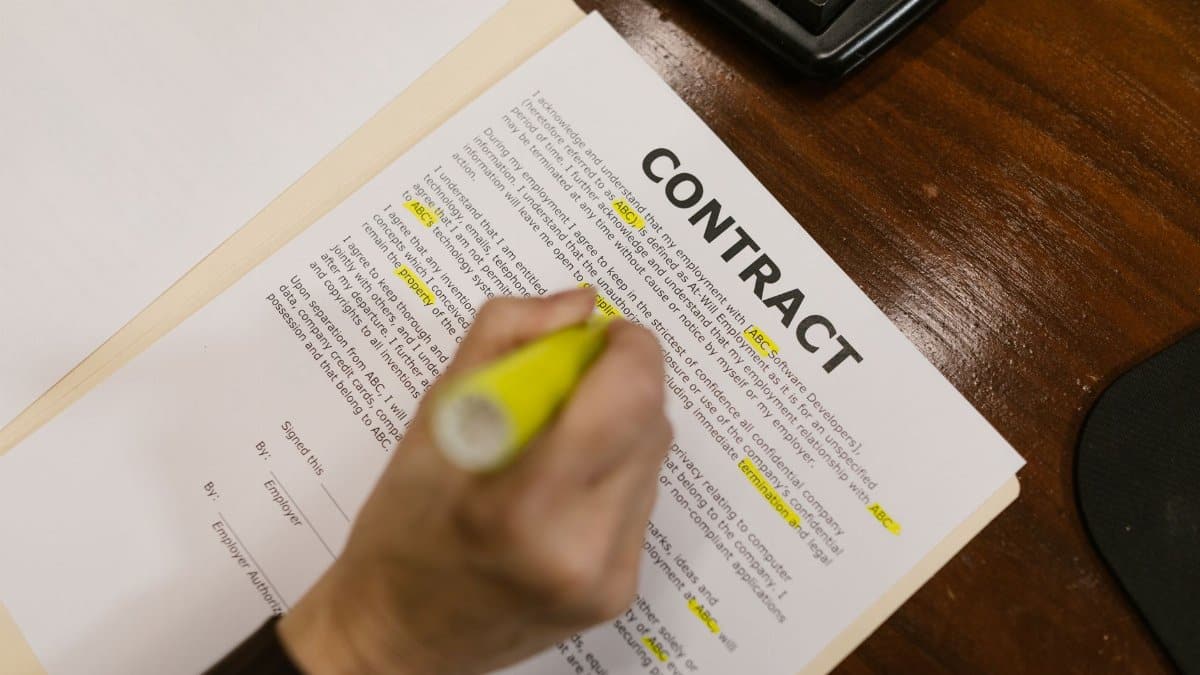
The tentative agreement is a four year deal between Cleveland Cliffs and the United Steelworkers. It is not, by itself, a whistle at the plant gate. Tentative means members still have to read it, argue about it, and vote. In steel towns that ritual is as familiar as deer season. A summary circulates. Stewards take questions in union halls that smell of coffee and wet wool. People want to know whether the return is real, how soon a restart could be staffed, and whether the language protects the people who were sent home rather than only the people who never left.
Company and union negotiators do not publish every sentence for the casual reader, and they should not be asked to. What the public can see is the shape of the news: a path back for workers tied to Minorca, framed as a labor agreement rather than a press release about market optimism. That distinction matters. Optimism can be revised next quarter. A contract, once ratified, is a promise with a grievance procedure attached.
Virginia after the layoff notices

Virginia is not a metaphor. It is a city of storefronts, a hospital, a college campus nearby, and streets that fill or empty with the mine schedule. When Iron Range miners lose a primary employer, the civic effects show up in odd places: a youth hockey registration that comes in late, a church supper with fewer casseroles, a hardware counter where the regulars stop asking about overtime and start asking about unemployment rules.
Local officials have learned not to treat a single mine as the whole economy, and also not to pretend it is a minor one. Public budgets on the Range still feel mineral taxes and mining employment in ways that suburbs of the Twin Cities do not. A restart would not erase the months of strain. It would change the direction of the strain. Households that have been subtracting can begin, carefully, to add again.
What the Steelworkers are being asked to weigh
Union democracy is slow on purpose. Members will look past the headline and into the clauses that govern seniority, recall rights, health coverage, and what happens if the market turns before the four years are up. A worker who has already been idled once does not confuse a handshake with a pension credit. The question in the hall is rarely whether people want to work. It is whether the deal treats the layoff as a closed chapter or as a precedent the company can repeat at will.
Ratification is also an act of trust among coworkers who did not all suffer the idle period in the same way. Some found temporary jobs. Some did not. Some are close to retirement and counting service years. Some are young enough that a four year horizon is the first long promise an employer has made them. A good agreement has to be legible to all of those people, not only to the bargaining committee that sat across from the company.
Paychecks, pensions, and the long wait

Money is the blunt part of the story, and it should not be dressed up. A mining wage on the Range has long been one of the few industrial paychecks that can still support a house, a truck, and a child who wants to leave for college and might also want to come back. When that wage stops, the substitutes are thinner: retail hours, seasonal construction, a spouse picking up shifts, a parent moving in to help with childcare that used to be affordable because the schedule was predictable.
Benefits sit beside wages in every serious conversation about a return. Health insurance gaps are not theoretical in a region where the work is hard on knees, lungs, and backs. Pension and retirement language will be read with the care that people reserve for documents that outlast a single price of steel. If Iron Range miners are poised to return, they are also poised to ask whether the years away from the clock will be treated as a hole or as time the contract knows how to bridge.
Restart is not the same as a ribbon cutting
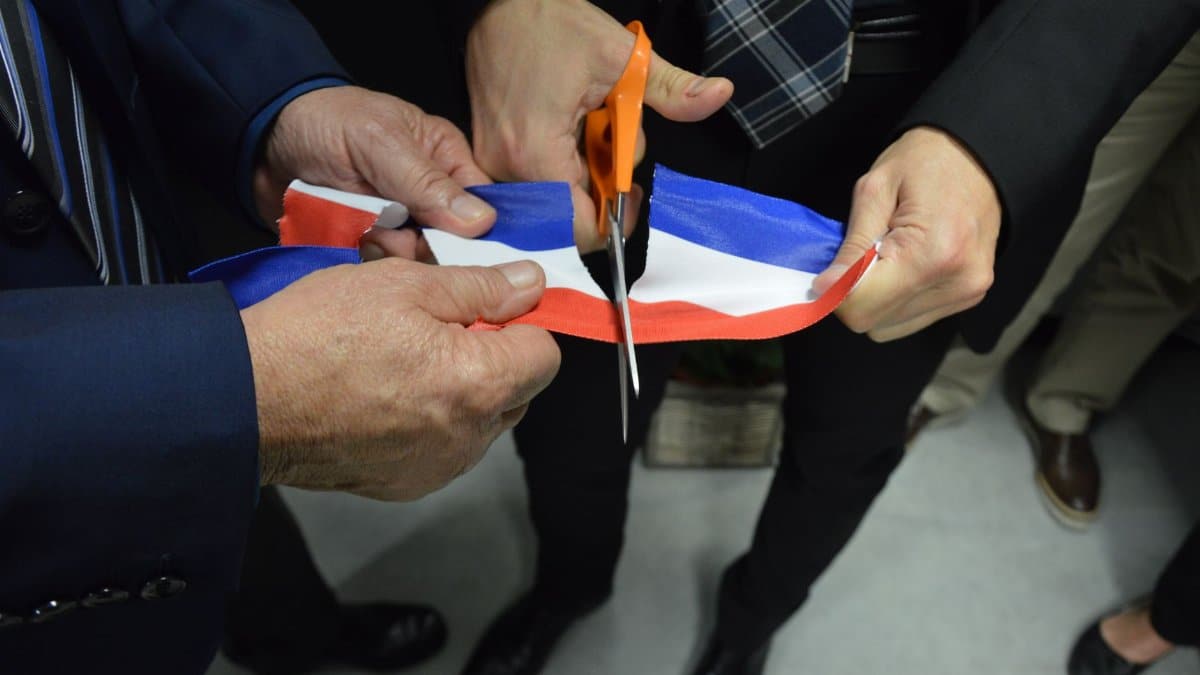
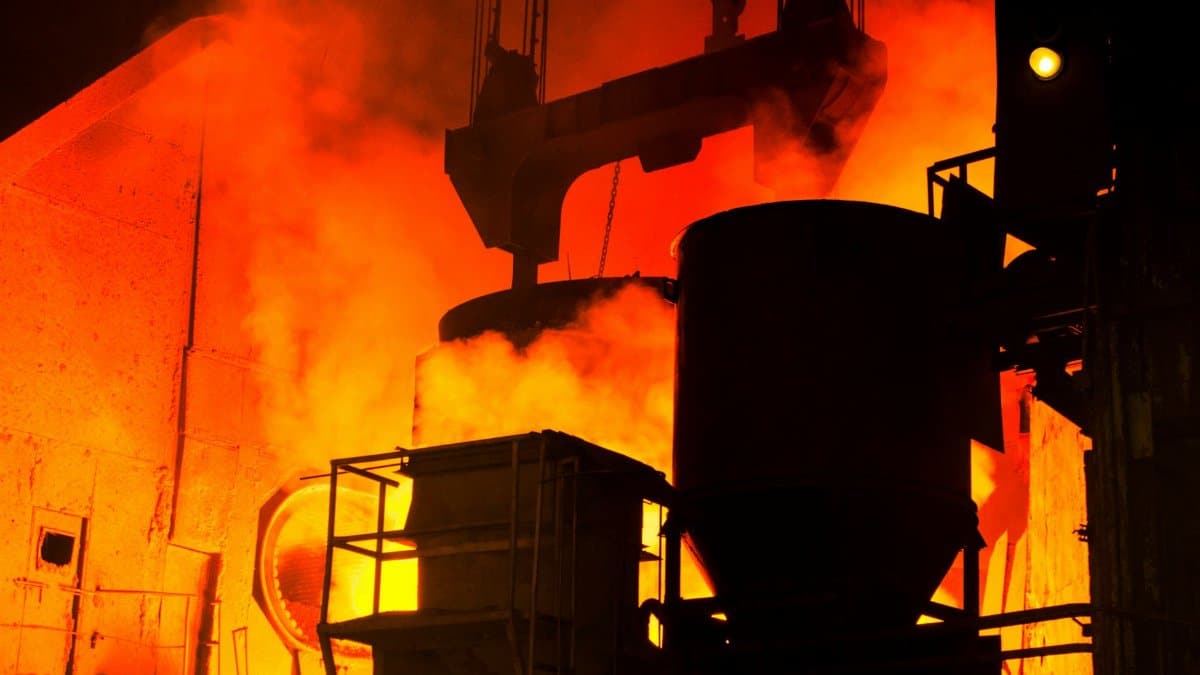
Bringing a taconite operation back is a technical job, not a mood. Conveyors, mills, and pelletizing lines that have been cold need inspection. Crews need to be recalled in an order that matches both the contract and the work. Training that lapsed has to be renewed. Safety routines that were muscle memory become checklists again, and that is a good thing. Nobody on the Range romanticizes a hurried startup. The ore will wait. People will not forgive a shortcut that treats a restart as a publicity event.
There is also the human sequencing. A worker who took another job may not be free on the day the company wants a full roster. A family that rearranged childcare around unemployment may need weeks, not days, to rebuild a schedule. A responsible callback plan assumes that lives continued while the mine did not. The people who kept the town running in the idle months are the same people the mine will need if the pellets are to move again.
Ore, steel, and a market that does not wait
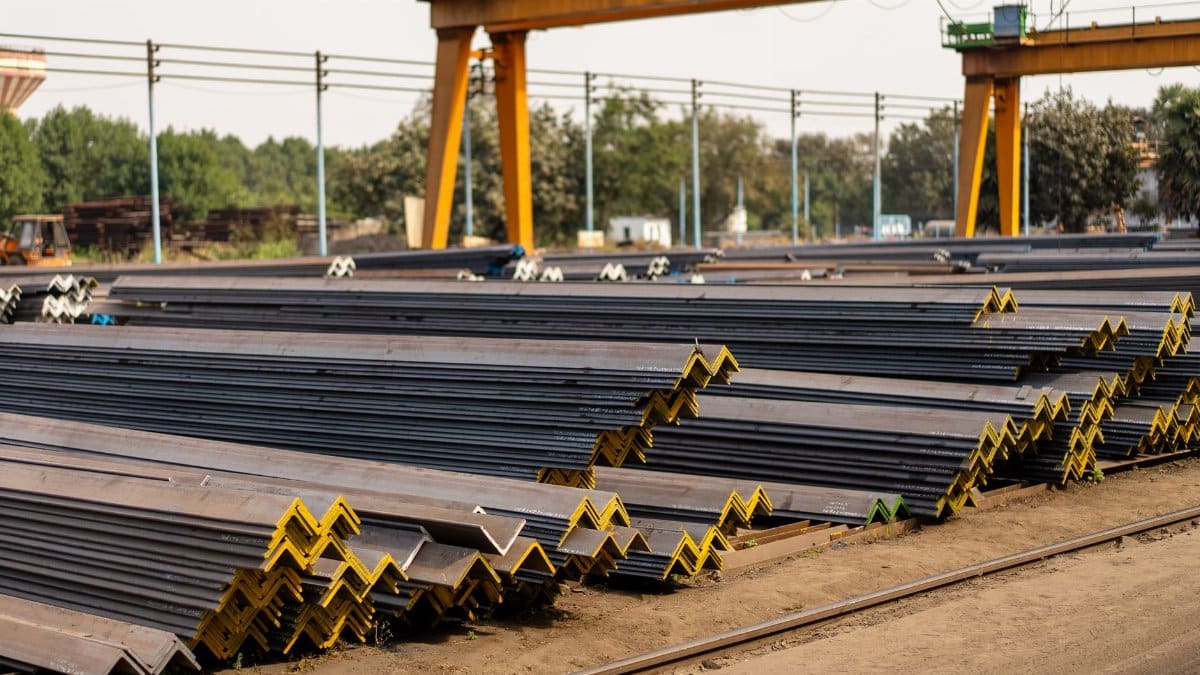
Minorca does not sell nostalgia. It sells iron units into a steel system that now includes electric furnaces, imported slabs, and customers who can switch suppliers without learning the name of a Minnesota town. Cleveland Cliffs has spent recent years arguing that domestic ore and domestic steel belong in the same corporate story. Workers have heard versions of that argument through booms and through shutdowns. The argument is more persuasive when it comes with a schedule and a paycheck.
None of that erases the structural facts. Demand for steel moves with construction, autos, and public works. Energy costs and freight costs move with politics that Virginia does not control. A four year agreement can give a workforce a floor. It cannot repeal a recession. The mature reading of this moment is not that the Range has been saved. It is that one mine has a plausible route back into a market that remains impatient and impersonal.
The spiritual weather of a mining town
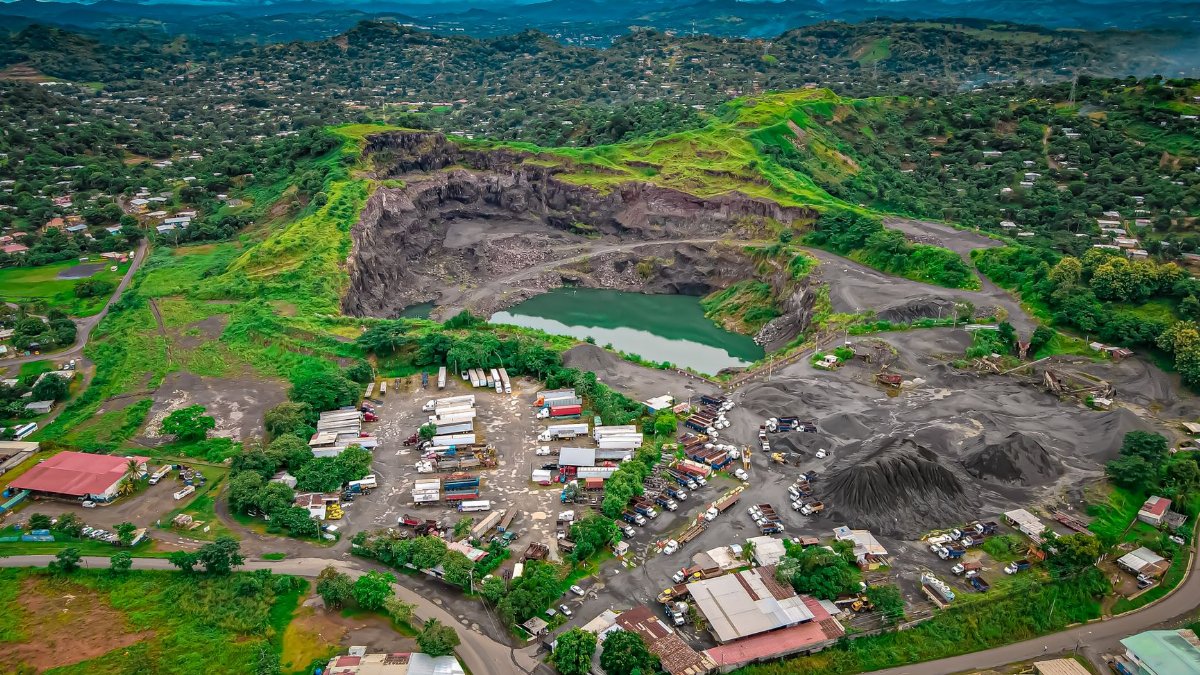
Work on the Range has always carried a meaning that churches, union halls, and kitchen tables have tried to name without embarrassment. Pastors on the Iron Range do not need a labor bulletin to know when a mine is down. Attendance shifts. Prayer lists lengthen. A deacon who is also a spouse of a miner hears the fear before it becomes a public statement. Dignity, in that setting, is not a slogan. It is the experience of being needed for something difficult, and of being able to provide because of it.
A possible return to Minorca will be marked in sanctuaries as surely as in staffing offices. Not because a contract is a sacrament, but because people here have long refused to separate a job from the moral life around it. Gratitude, if the vote succeeds and the gate opens, will sit beside caution. Communities that have buried miners, and that have also buried the hope of miners who left for good, do not confuse a restart with providence. They treat it as a mercy they intend to steward.
Questions the agreement does not answer

Even a clean ratification would leave open questions that no local contract can close. How many of the idled workers will actually be recalled, and in what order? How long will startup take once the ink is dry? What volume of pellets does the company expect to ship, and what happens if orders lag? Will younger workers see a path that lasts longer than this agreement, or a cycle of idle and recall that makes a life in Virginia feel provisional?
There is also the question of who left and will not come back. Some families used the layoff to move toward the metro or toward other trades. A town can celebrate a reopening and still feel the absence of the people who decided the risk was no longer worth it. That absence is not a failure of loyalty. It is evidence that workers calculate, just as companies do, and that calculation has consequences for schools and tax rolls that a single contract vote cannot reverse.
Hope with its boots still on

The honest headline is narrower than triumph and wider than rumor. Laid off workers connected to Minorca may soon be back on a schedule if members accept the tentative four year agreement and if the company follows through with a real restart. That is a large if, and it is also the first solid if many households have had in months. Iron Range miners know better than most outsiders how quickly a solid if can soften. They also know what it means when the phone rings with a report time instead of another form to file.
Virginia will not become a different city because pellets start moving. It may become a city that can exhale. The measure of this moment will not be the language in a joint statement. It will be whether the people who kept the lights on at home are the people walking back through the gate, and whether the work they return to is steady enough to justify the faith they are being asked, once more, to place in it.