
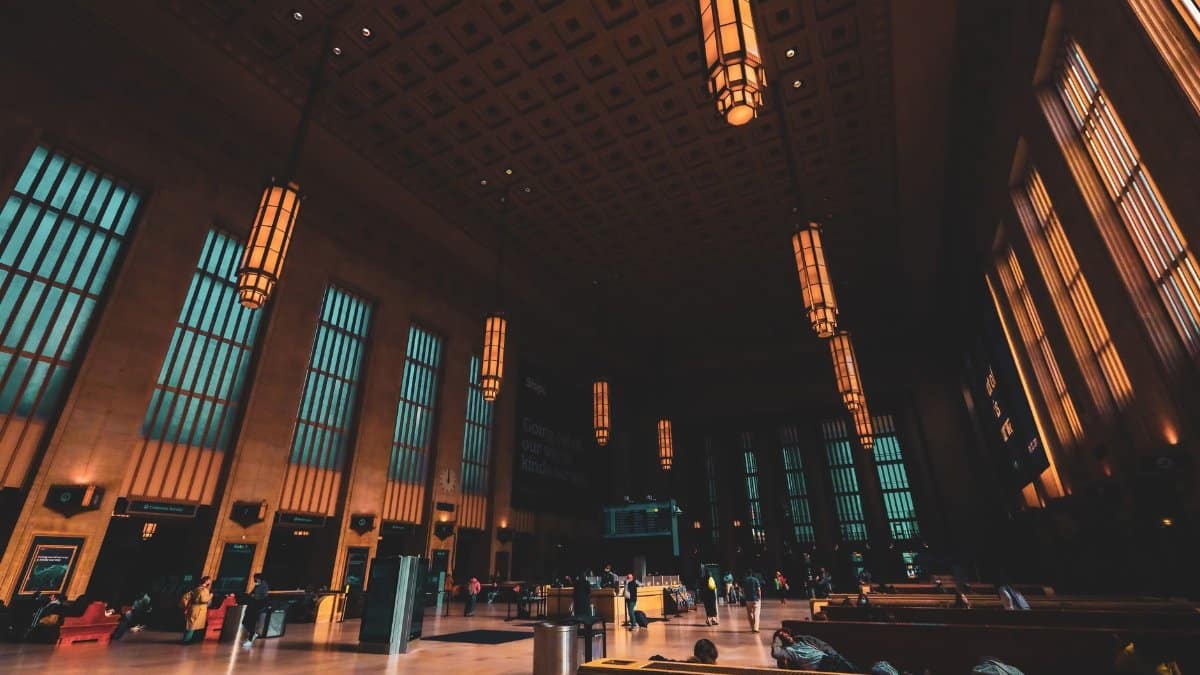
The first thing you notice is not the shine. It is the absence of smell. There is no coffee, no fryer, no warm bread cutting through the cold air that follows people in from the street. Philadelphia has reopened a major piece of its busiest rail hall, and the result is both a relief and a tease. At 30th Street Station, the south concourse is open again after two years of work, with new restrooms and new places to sit. The counters where vendors are supposed to feed a city on the move are still empty, and they are expected to stay that way until 2027.
A finished room with nothing to sell
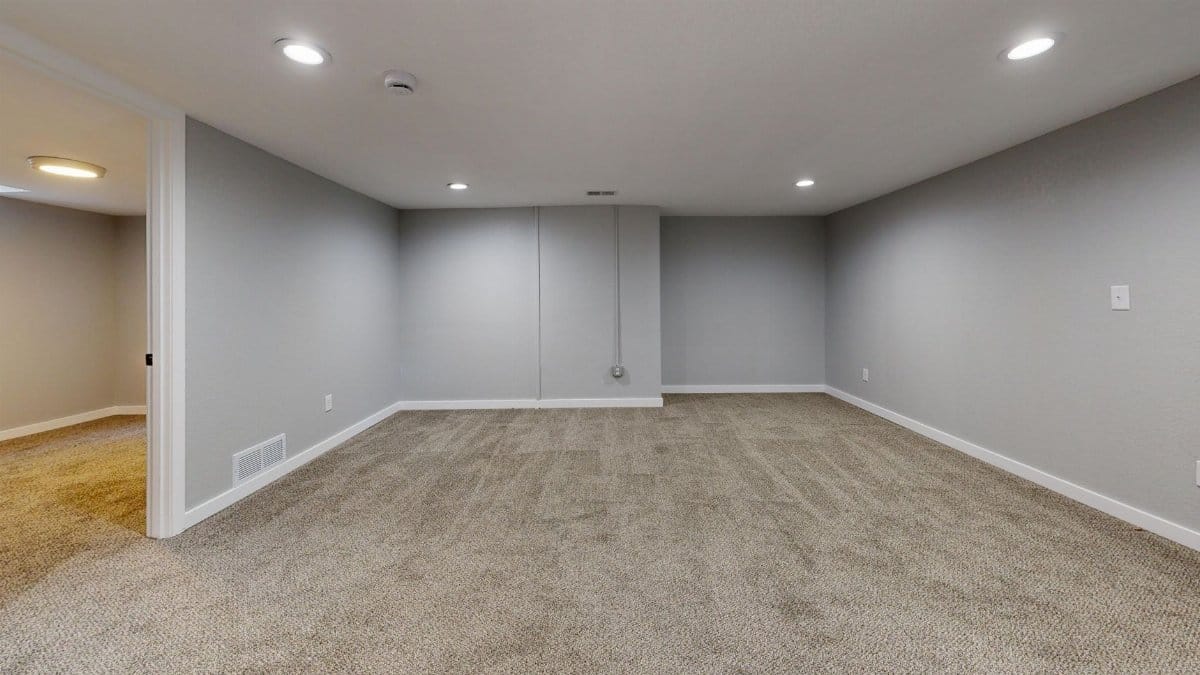
Walk the length of the concourse and the work shows itself in simple ways. The floor is even. The light is generous. A person with a roller bag can find a bench without threading a maze of construction barriers. For two years those barriers were the story. They narrowed the path, hid the old retail bays, and turned a shortcut into a detour. Their removal matters in a building that absorbs Amtrak intercity trains, regional rail, and the subway lines that tie West Philadelphia to Center City.
What is missing is the commercial life that makes a concourse feel inhabited rather than merely permitted. Empty storefronts have a particular quiet. Glass looks recently cleaned. Hooks wait without signs. Riders sit if they must, use the restroom if they must, and leave for the main hall or for food they already trust beyond the doors.
What riders got back
The public case for the reopening is plain. People needed toilets that work and seats that do not feel like an afterthought. Inside 30th Street Station those are not resort amenities. They are the minimum conditions of dignity for a grandmother changing trains, a nurse ending a night shift, a student with time to spare before a departure.
New restrooms and new seating also restore a basic geography. A concourse is a decision point. You arrive from the street or from a platform and you choose a direction. When that choice is blocked, the whole building feels smaller and ruder. Opening the south side gives people back a route, which is a modest civic gift and also the entire point of a station. A bench, though, is only half a solution. Hunger and boredom share the same clock. The absence of eateries is the difference between lingering and fleeing.
Why the kitchens stay dark
Retail in a railroad station moves more slowly than drywall. A landlord can finish a shell and still spend months finding operators willing to bet on rents, hours, and the strange rhythm of train crowds. Some hours are a crush. Some hours are a hush. A shop that thrives at noon on a Tuesday may look foolish late on a Sunday, and the lease has to make sense across both.
The food spaces at 30th Street Station are not expected to fill until 2027. That horizon is attached to a reopening that otherwise looks complete. Construction can be photographed. Leasing cannot, until a sign goes up and a permit follows. Fitting out a kitchen takes its own approvals. Vendors want to see real foot traffic before they commit staff. A public landlord and a private retail manager may share a vision and still wrestle over who pays for exhaust, grease traps, and the machines that keep a food room from smelling like regret.
Two years is a long time to walk around a wall

Two years is long enough to change habits. Regulars learned other doors. Office workers who once cut through the south side found another street. Visitors with luggage followed temporary signs until the temporary became the only map they trusted. Reopening a space does not instantly reopen the memory of it.
That is the quiet cost of renovation inside a working station. Trains did not stop while crews worked. The building kept its promise to the timetable even as it broke its promise to comfort. People adapted, as people here generally do, with a muttered complaint and a longer walk. Adaptation is not consent. When the walls come down, the public may ask whether the wait purchased something better than the inconvenience. On the evidence of these first weeks, the walk is better. The wait for a meal along that walk is not.
Comfort and who gets to expect it

American stations have spent decades teaching travelers to expect less. A magnificent shed, a tired concourse, a vending machine in a corner: the combination became normal. Philadelphia never fully accepted that bargain in its main intercity hall. The building is too proud, and the city too argumentative, for neglect to pass without comment.
A seat is a statement about who belongs. If the only places to rest are scarce, or tucked where luggage cannot go, the hall starts to sort its users by endurance. New seating will not solve poverty on a platform. It can keep a station from punishing the old, the injured, and the merely tired. Restrooms carry the same charge. Clean, available, clearly marked toilets are a public good that retail cannot replace. On that score the reopened concourse has something real to offer while the kitchens catch up.
The neighborhood watching the doors
The streets around 30th Street Station keep their own clocks. University City presses close, with hospitals, labs, and students who eat at odd hours. The river and Center City sit a short walk away, a walk that feels longer with luggage or weather. Food sellers on those blocks spent two years with riders who could not buy lunch inside the closed concourse. Some of them will lose that accidental trade when vendors finally move in. Some riders will be glad to stop choosing between a delayed train and a dash across a wide street.
If a food hall arrives as promised, it will feed more than passengers. People who are not traveling will come in, which is how stations try to earn their keep. The risk is a place priced for visitors and polished past welcome. The opportunity is a roster of kitchens with more than the same few national brands found in any airport. This city has opinions about sandwiches. It will have opinions about whoever takes these leases.
Reading 2027 without pretending it is tomorrow

A year and some months is close enough to print on a fact sheet and far enough to frustrate anyone standing there today with an empty stomach. Managers can say, with accuracy, that the heavy work of reopening is done. Riders can say, with equal accuracy, that the reason many of them cared about the retail bays has not been met. Both sentences can be true. The mistake is to treat the second as ingratitude.
Large public projects arrive in layers. First the structure, then the systems, then the tenants, then the adjustments after tenants learn what the crowd wants. Calling an open concourse a finished experience invites a backlash later, if 2027 slips or if the first vendors are duller than the pictures. Honesty is the better schedule. The restrooms are ready. The food is not. The next phase of work should be described as a sequence, with dates that mean something to a person holding a cup rather than a person holding a rendering.
An unfinished success which is still a success

None of this diminishes the relief of a clear path. Construction is a kind of weather, and this building has had enough of it. Crews who spent two years inside a live station finished work that riders can touch: a floor, a seat, a restroom, a route. That does not require a press conference to be believed.
What the south concourse cannot yet claim is the fuller promise of a place to eat without leaving the building. Until 2027, 30th Street Station will ask a familiar patience of its public. Use what is ready. Forgive what is late. Watch whether the empty bays fill with cooking or with another round of excuses.
I stood for a few minutes near the new seating and watched people deliver the only review that matters. They looked around, registered the quiet, and kept moving. A station is judged in those small verdicts, repeated thousands of times a day. The doors are open. The smell of food, which is also the smell of a finished public room, has not arrived. When it does, the city will notice. Until then the concourse is a handsome waiting room for its own second act.