
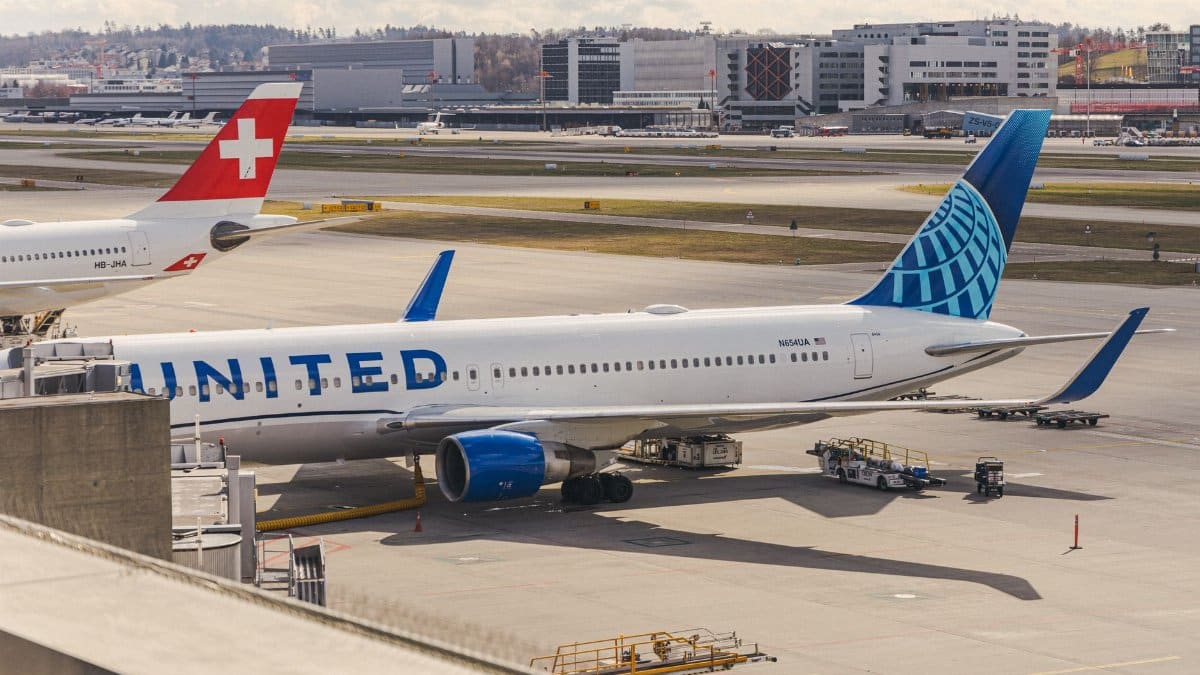
By midmorning the departures board at San Francisco International Airport had settled into a familiar kind of unease. Names of cities still glowed in their usual order, but the times beside them slipped, then slipped again, as gate agents asked passengers to stay nearby and wait for another update. The United Airlines outage did not empty the terminal or turn the day into a spectacle. It did something quieter and, for many travelers, more exhausting. It slowed the ordinary machinery of leaving.
A terminal that kept moving, just not on time
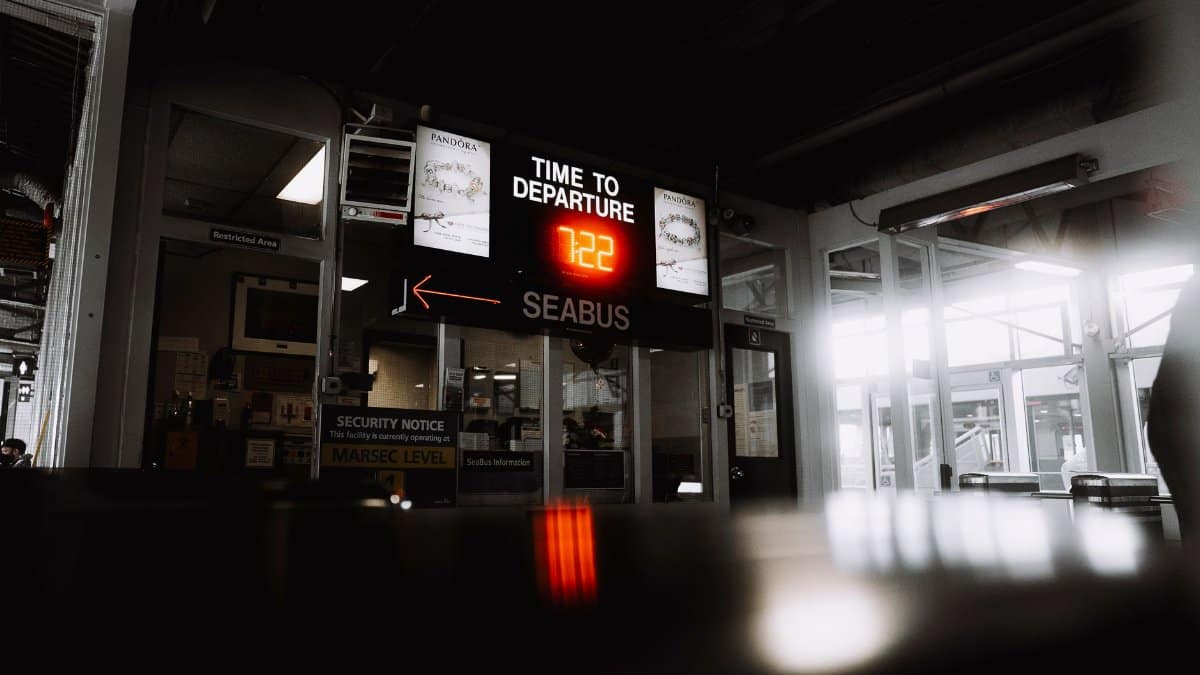
People who fly often learn to read an airport before they read a text alert. A line that should have been moving is not moving. A gate that should have been boarding is still full of seated passengers staring at phones. Luggage that should have disappeared down a belt sits in a loose cluster near the counter. On this Monday those small signals appeared first at SFO and then, according to the airline, at other hubs in the United network.
The disruption centered on departing flights. Arrivals can sometimes continue while an airline sorts out a technology problem, because aircraft already in the air have their own clearances and crews. Departures are different. They depend on a chain of confirmations: the ticket, the bag, the seat, the crew legality, the aircraft status, the gate, the pushback clearance. When one link in that chain stalls, the rest of the chain has nowhere useful to go.
Travelers described the experience less as panic than as suspended plans. A connection in Denver becomes a guess. A meeting in Chicago becomes a message that begins with an apology. A family trying to make a cruise departure starts doing math on hotel rooms they did not intend to book. None of that is unique to one carrier. It is simply what happens when a large airline loses, even briefly, the ability to process the day at full speed.
What the company said, and what it did not

United said it had resolved the outage after flights were disrupted, and it told customers and reporters that the episode was not a cyberattack. That distinction matters, and it also has limits. Ruling out a hostile intrusion answers one fear. It does not, by itself, explain which system failed, how long the fault had been building, or why the effects showed up so clearly in departures.
Airlines are careful with language in the first hours of a technology problem, and they should be. A wrong public guess can send security teams, regulators, and customers down a false path. A vague statement, though, leaves travelers with little more than a clock and a hope. The useful information on a day like this is practical: which flights are delayed, which are canceled, whether rebooking is open, and whether bags already checked will follow their owners or spend the night in the wrong city.
Resolution, in airline terms, is not the same thing as recovery. A system can come back online while aircraft and crews remain out of position for hours. A gate that missed its morning push may miss its afternoon turn. A pilot who hits a duty limit because of a long sit cannot simply be wished back onto the schedule. The board can look healthier before the operation actually is.
Why San Francisco felt it so directly
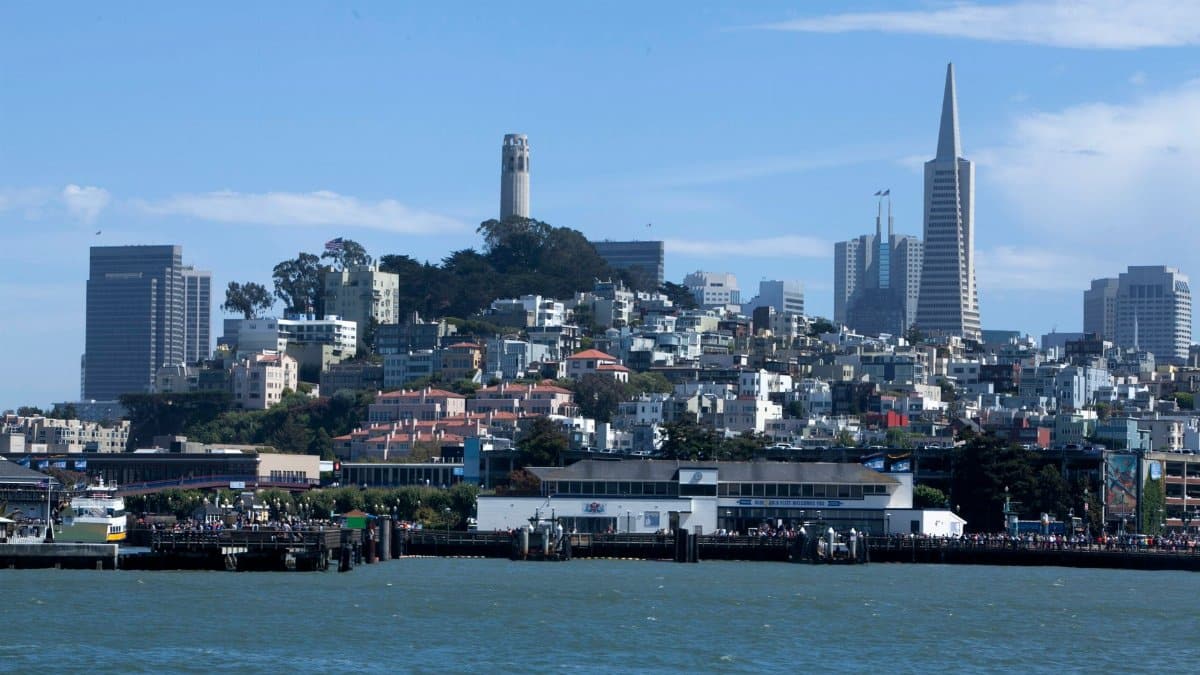
SFO is not United’s largest hub, but it is a consequential one, especially for travel across the Pacific and along the West Coast. When departures slow there, the effects do not stay inside one concourse. A delayed wide body to Asia can ripple into crew pairings and aircraft rotations far from California. A stack of late domestic flights can crowd gates that the evening bank still needs.
The airport itself has its own rhythms. Fog, runway configuration, and a tight geography already ask a lot of schedulers on an ordinary day. Add an internal technology failure and the margin shrinks. Controllers can keep the airfield safe and orderly. They cannot print a boarding pass, retag a bag, or reopen a reservation system that belongs to the airline. That division of labor is easy to forget until it becomes the whole story.
For local passengers the inconvenience is personal and immediate. For connecting passengers it is structural. Someone who only needed SFO as a bridge between a smaller city and a long haul flight may never see the broken counter, yet still miss the journey that mattered. Hub disruptions are unfair in that way. They tax people who had no reason to think about the hub at all.
An uneasy week for anyone watching the sky

The timing made the morning harder to shrug off. The airline trouble arrived days after a Federal Aviation Administration ground stop, a separate event with a separate cause, but one that had already reminded the country how quickly national air travel can be told to wait. Two disruptions in close succession do not prove a single broken system. They do train the public ear. People hear outage and wonder whether the next announcement will ground more than one carrier.
That reaction is understandable and only partly fair. The FAA manages the airspace. Airlines manage their own commercial systems, fleets, and customer records. A failure in one domain can resemble a failure in the other from the perspective of a person stuck in a vinyl seat, yet the repairs, the accountable institutions, and the lessons are not identical. Conflating them produces bad policy and worse rumors.
Still, proximity has a force of its own. After a ground stop, confidence is thin. A later United Airlines outage, even one the carrier attributes to an internal technology problem rather than an attack or an air traffic emergency, lands on nerves that have not recovered. Travelers do not sort causes before they sort consequences. They sort whether they will sleep in the city they planned to sleep in.
The cyber question, answered narrowly

In any visible technology failure, the first public suspicion is now intrusion. That is a rational habit in a decade of ransomware headlines, and airlines are attractive targets because their operations are time sensitive and their customer data is rich. United’s statement that this episode was not a cyberattack is therefore news, not a footnote. It narrows the story from national security to engineering, vendor performance, and internal resilience.
A narrow answer still leaves a wide field. Systems fail because of bad deployments, expired certificates, overloaded databases, faulty network paths, and human error during routine maintenance. They fail because old and new software have to speak to each other every minute of every day. They fail because redundancy that looks complete on a diagram is incomplete in practice, or because a backup path has never been asked to carry a full morning bank of departures.
Passengers are not owed a schematic. They are owed honesty about scope and a workable path home. Regulators, large corporate customers, and the airline’s own employees are owed something more durable: a plain account of what broke, what contained it, and what will be tested before the next peak travel period. Without that account, every future delay will be read as a sequel.
The invisible work inside a routine departure
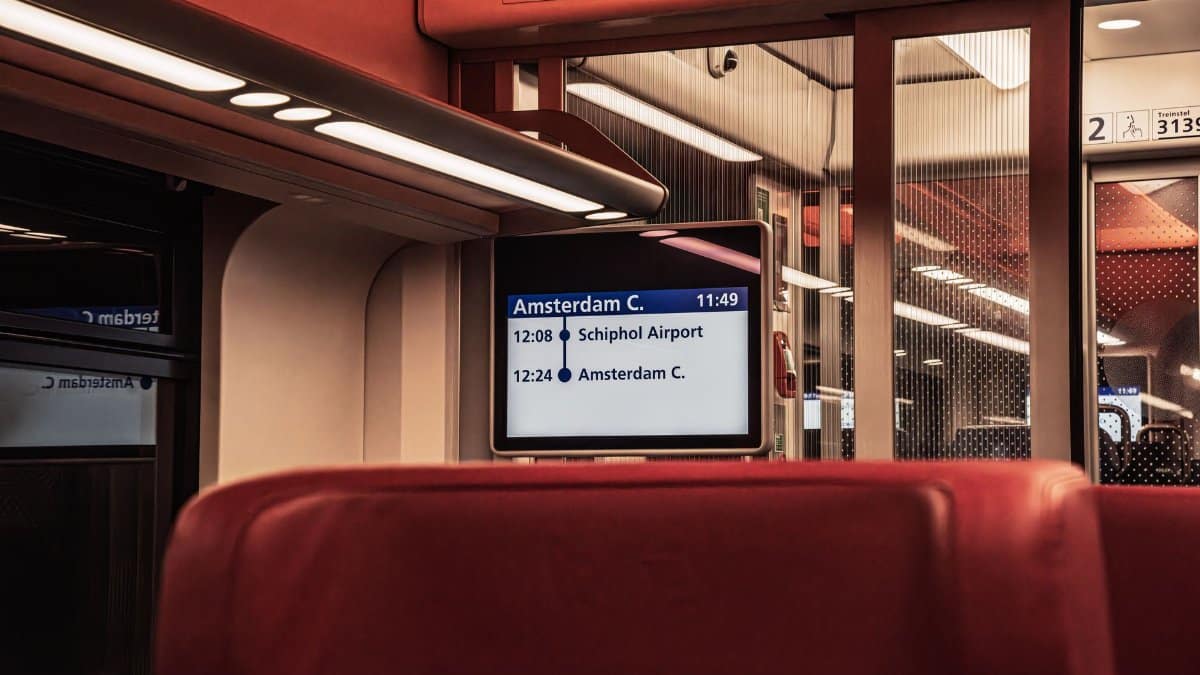
A departure looks simple from the jet bridge. It is not. Reservation platforms, departure control, weight and balance, crew management, baggage reconciliation, and customer messaging all have to agree, roughly at the same moment, that this airplane may leave with these people and these bags. If one of those systems hesitates, agents can sometimes fall back on manual processes. Manual processes do not scale to a hub morning. They are a lifeboat, not a ferry.
That is why a problem that technicians might later describe as limited can feel total in the terminal. The customer does not experience a module. The customer experiences a closed door. The agent does not experience a clean error code. The agent experiences a line of people who need an answer more specific than please wait. The gap between those two experiences is where trust leaks out.
Airlines have spent years asking travelers to do more of the work themselves: check in on a phone, tag a bag at a kiosk, track a connection without speaking to anyone. That bargain holds only while the tools work. When they do not, the same travelers are thrown back onto counters staffed for a world in which most people never need a counter. The United Airlines outage exposed that imbalance without requiring any drama beyond a delayed pushback.
What a resolved outage still costs
Once the systems return, the ledger is not blank. Missed meetings are missed. Perishable plans, from weddings to hospital visits to tight cruise transfers, do not reopen because a status page turns green. Employees who spent the morning inventing workarounds go home later than scheduled, and the next shift inherits aircraft that are not where the printed plan said they would be.
There is also a quieter cost in attention. Every hour an operations center spends rebuilding a departure bank is an hour not spent on the ordinary close calls of a flying day: weather deviations, a maintenance writeup, a crew member who calls in sick. Resilience is not only the ability to restart a server. It is the ability to absorb a failure without consuming the entire organization’s spare capacity.
Customers will remember whether rebooking was possible, whether refunds and expense claims were intelligible, and whether messages arrived before rumors did. Those memories shape the next ticket purchase more than any technical postmortem. An airline can be right about the cause and still lose the afternoon in the court of people who simply needed to leave San Francisco.
A pattern larger than one Monday
Commercial aviation has become astonishingly safe in the air and persistently brittle on the ground. The physical airplane is surrounded by procedure, training, and regulation that treat small anomalies as intolerable. The digital layer that sells the seat and releases the flight has improved, but it still fails in public, sometimes spectacularly, and the public has no cockpit window onto the repair. That asymmetry fuels both impatience and myth.
None of this argues for nostalgia. Paper tickets and voice reservations could not move today’s volumes, and they failed in their own expensive ways. It does argue for modesty about complexity. A network that touches hundreds of cities cannot promise a flawless morning. It can promise that flaws are contained, explained, and less likely to repeat in the same form. Those are testable promises. They are also the only ones worth making after a visible disruption.
SFO’s Monday will fade into the long list of irregular operations that frequent flyers trade like war stories. The more useful question is whether the list is teaching anyone anything. If each United Airlines outage, and each similar episode at other carriers, is treated as an isolated embarrassment, the industry will keep relearning the same lesson at the curb. If it is treated as evidence about testing, vendor oversight, and backup procedures that actually carry load, the next board full of slipping departure times might be shorter.
Waiting, then leaving
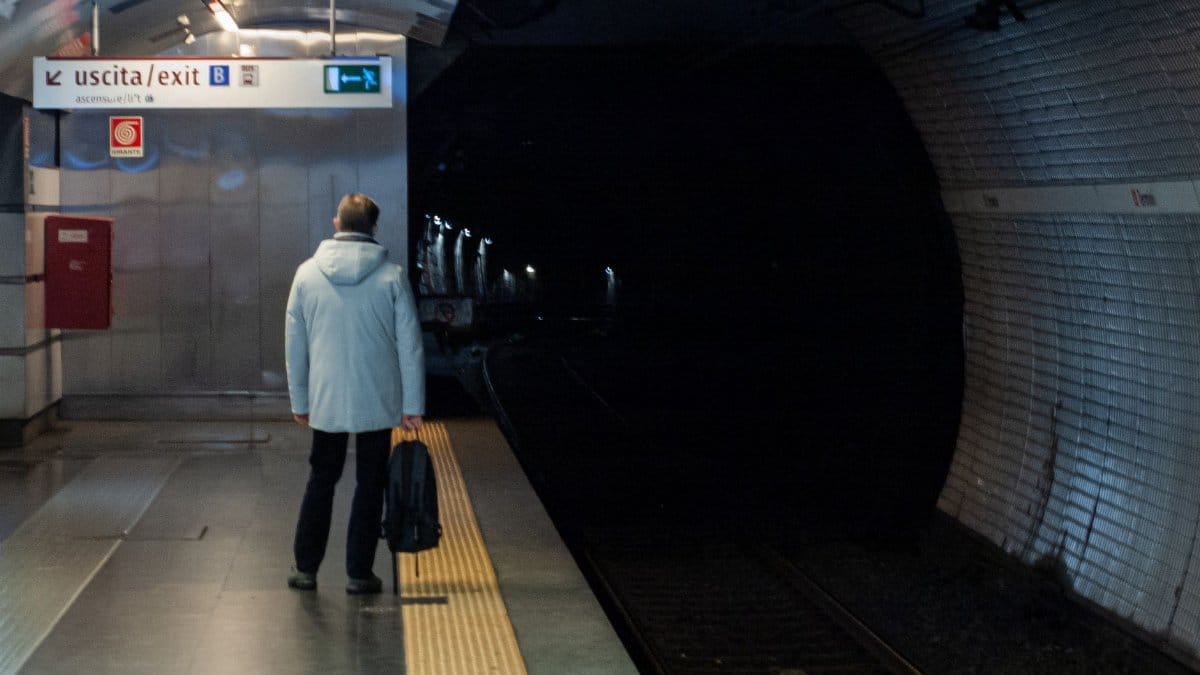
By the time an airline says an outage is resolved, many passengers have already rewritten the day. Some are in the air. Some are in line for a later flight. Some have given up and gone home, which is its own kind of cancellation, uncounted and unreimbursed. The terminal returns to its ordinary noise: wheeled bags, gate announcements, the low insistence of a schedule trying to reassert itself.
What remains is not mystery so much as unfinished accountability. The carrier has said the problem was not a cyberattack, and that statement should be taken as the starting fact rather than the whole story. Departures at SFO and other hubs were disrupted. The systems, the airline says, are back. The measure of that claim is not a headline. It is the next morning bank, and the one after that, leaving when the board says they will.