

On a gray morning in Ballard, the usual green water is gone and the concrete looks older than the neighborhood around it. Gulls stand where boats should float. The large chamber at the Hiram M. Chittenden Locks sits open to the air, its floor patched with marine growth and the stains of a century of tides. For people who walk the grounds every week, the sight is briefly startling. For the crews who keep the passage working, it is the point of the month. The Ballard Locks drained on schedule so engineers can reach gates, valves, and walls that stay underwater the rest of the year. Without that pause, the quiet machinery between salt water and the Ship Canal would keep wearing out in places no one can see.
A chamber that only tells the truth when it is empty
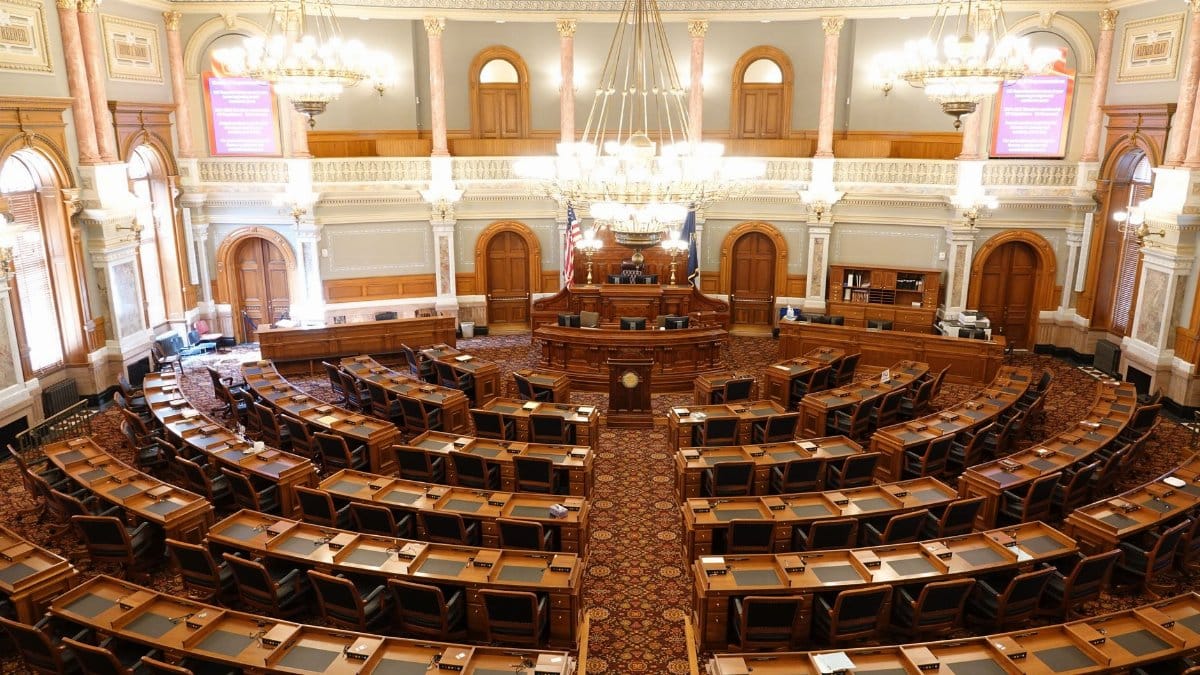
Most of the year the large lock is a moving room of water. Boats rise or fall between Puget Sound and the higher freshwater of the Lake Washington Ship Canal, and the public sees miter gates swinging, lines tightening, and a slow rearrangement of levels. Drain that room and the romance thins into engineering. Walls show where salt has worked into joints. Metal shows where it has been asked to hold back a lake for another season. The floor, suddenly walkable, is a record of everything that attached itself while the chamber was doing its ordinary job.
That ordinariness is easy to underestimate. The locks are not a scenic extra bolted onto the waterfront. They are the valve between a saltwater inlet and a chain of lakes that Seattle treats as both park and working harbor. When the big chamber is dry, the city gets a rare look at the part of the system that usually stays hidden under the green surface.
Why the water has to leave

Annual maintenance is not a photo opportunity that happens to require pumps. It is the only practical way to inspect and repair equipment that spends its life submerged. Crews need dry footing to examine gate leaves, quoin blocks, valves, culverts, and the concrete that takes the pressure when a chamber is filled or emptied. Paint, seals, and mechanical parts do not announce their fatigue from the walkway above. They announce it up close, with a scraper, a light, and time.
The Corps of Engineers, which operates the locks, schedules the work for a window when commercial and recreational traffic can be shifted to the smaller chamber. The large lock can handle the biggest vessels that use the canal. Closing it is inconvenient. Leaving it unexamined would be worse. A failed gate in the middle of a busy season is not a minor delay. It is a break in a route that fishing boats, workboats, and yachts all treat as given.
Barnacles, scrapers, and young salmon

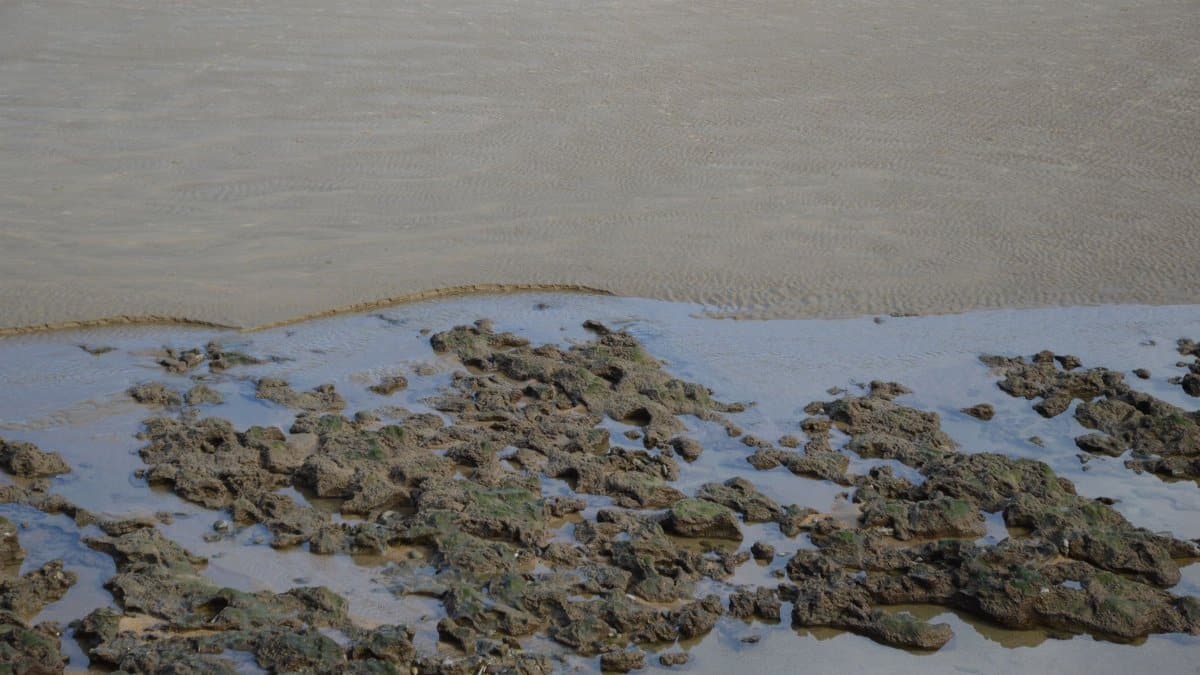
The growth on the chamber floor is not just unsightly. Barnacles and other marine organisms turn smooth concrete into a field of sharp edges. Young salmon moving through the locks can be cut or stressed by that roughness, especially when they are already navigating a structure built for ships rather than for fish. Scraping the chamber is maintenance and wildlife work at the same time. Crews clear the crust so the passage is less hostile to the small migrants that have no choice but to use it.
This is one reason the Ballard Locks drained look less like a closed attraction and more like a hospital ward with the sheets pulled back. The mess on the floor is evidence of a living saltwater edge pressing into a freshwater system. Removing it does not restore some pristine past. It reduces a known injury risk for fish that Seattle has spent decades trying to keep in the picture.
What the crews are actually repairing
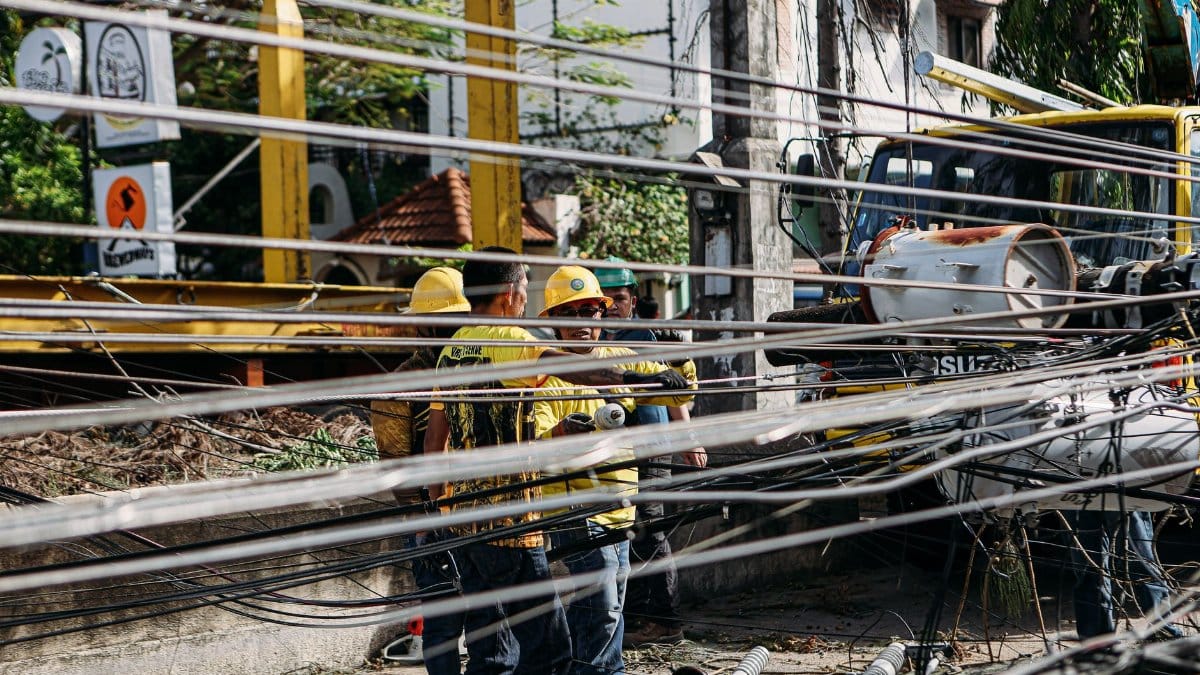
Once the water is gone, the work splits into many small jobs that only look dramatic in aggregate. Divers are not required for every task, because the point of draining is to make diving unnecessary. People on the floor chip, grind, weld, and replace. They look for cracks that widen under repeated filling. They check the machinery that moves the gates, because a gate that sticks is a gate that can fail under load. They clear drains and look at the places where freshwater and saltwater have left different kinds of damage.
None of this is glamorous, and none of it is optional in a structure that opened in 1917 and has been asked to perform every day since. Concrete of that age does not get a sentimental exemption. It gets inspection, patching, and a frank account of what can wait until next year and what cannot.
The scale visitors suddenly understand
From the lawn, the locks can feel modest, a pleasant interruption between the gardens and the fish ladder. Empty, the large chamber reads as industrial architecture. Walls rise far above a person’s head. The space that held a parade of boats becomes a pit with stained sides and a working floor. People who have crossed the walkway a hundred times often say they had not understood the volume until they saw it without water.
That shift in scale matters for public understanding. A lock is easy to treat as scenery. A drained lock is harder to romanticize and easier to respect. The fifty plus feet of chamber wall, the heavy gates, and the narrow margins crews work inside all argue the same point. This is infrastructure, maintained by people whose names rarely appear on the postcard.
Fish ladder, salt water, and a divided job

The locks do two things that pull in different directions. They pass boats between elevations, and they sit on a migration route for salmon moving between the sound and the lakes and streams beyond. The fish ladder beside the large lock is the public face of that second job. Viewing windows, counts, and seasonal crowds have made the ladder a civic habit. The drained chamber is the less celebrated half of the same obligation.
Salt water wants to push inland. Fresh water wants to run out. Operators manage that boundary every day with fills, spills, and the ladder. When the large lock is out of service, the smaller lock carries boats, and the ladder continues its own work. The system is redundant on purpose. Redundancy is what lets maintenance happen without sealing off the canal or abandoning the fish.
Boats rerouted, tempers managed
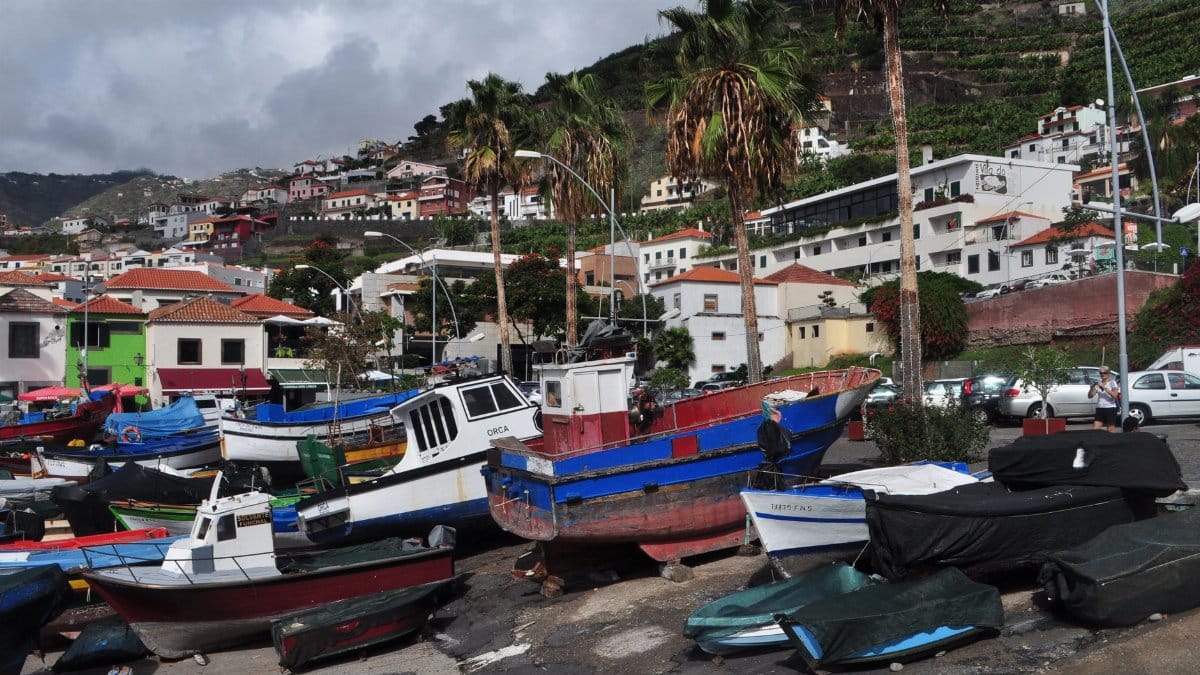
For mariners, the closure is a calendar item rather than a surprise, which does not make it painless. The small lock is narrower and slower when traffic bunches. Commercial operators plan around the dates. Recreational boaters discover them on a Saturday and learn, sometimes impatiently, that the pretty detour is also a working canal with a maintenance season. Staff spend part of the month explaining the obvious. The big gate is closed because the big chamber is a construction site.
That friction is the cost of keeping a free public passage in a metro area that has grown around it. The alternative is not a permanently open large lock. The alternative is a lock that fails at a worse time, with more boats waiting and fewer options for repair.
A month on the calendar, not a permanent drought

The dry chamber is temporary. Pumps and gravity take the water out. Crews use the days they are given. Then the gates close, the chamber fills, and the green surface returns as if the floor had never been visible. People who missed the window will see only the ordinary ballet of boats again. People who caught it will remember the stain line and the sound of tools against concrete.
Calling the scene a drought misses the mechanism. Nothing upstream has failed. The Ballard Locks drained because operators chose to empty a basin they can refill. The lake behind them is still there. The sound is still there. What changed is access to the machinery in between.
How a landmark stays ordinary

Seattle has a habit of treating its working waterfront as mood. The locks fit that habit too well. Gardens, a visitor center, and a fish ladder make the grounds feel like a park that happens to include steel. The annual drain is a correction. It shows the park is a byproduct of a machine, not the other way around.
There is a modest civic lesson in that correction, if one wants it. Landmarks that still do their original job require uglier intervals than landmarks that have been retired into pure scenery. The chamber has to be emptied, scraped, and judged. The judgment is technical. The result is that a boat can still rise from salt water to lake water next month, and a salmon still has a less brutal floor to cross.
What to look for if you go

If the chamber is still dry, the useful view is from the public walkways, not from the floor. The floor is a work zone. From above, the patterns are clear enough. Gate leaves rest at angles that usually hide their bulk. Culvert openings mark where water normally enters and leaves. Scraped patches show where crews have already been. Unscraped patches show the work still ahead. The small lock, if it is running, offers the contrast. One chamber is a job site. The other is still a staircase for boats.
Bring the expectation of noise and restriction, not of a special tour into the pit. The point of public access here has always been proximity, not permission to wander the machinery. That boundary is part of how the place stays both visitable and functional.
After the water comes back
When the chamber refills, the evidence of the month does not vanish. It simply goes under. Fresh seals, ground metal, and a cleaner floor will matter on the next busy weekend, when nobody on deck is thinking about barnacles. That is the success condition. Maintenance that calls attention to itself only while it is underway, then disappears into reliable motion.
The Ballard Locks drained will be a phrase people repeat for a few weeks, usually with a photo of gulls on concrete. The longer fact is duller and more important. A century old passage between a sound and a lake still depends on people willing to pump the water out, stand in the pit, and put the water back only when the pit is fit to hold it.