

On a wet morning in Jamaica Plain, the first thing visitors notice is not the noise of a shelter but the quiet that follows a very large dog into the room. Chicken, a 130 pound Irish wolfhound, settles on the floor as if the concrete were a hearth. A trembling puppy inches closer, then closer again, until a shoulder finds that rough gray coat. Staff at MSPCA Angell call him a therapy dog, and the title fits in a way that has little to do with vests and public events and everything to do with what happens when fear meets a body that refuses to hurry.
A calm that does not perform

Chicken does not bounce, bark for attention, or treat every newcomer as a game. He occupies space the way an old tree occupies a yard. Puppies who have spent days pressed against kennel walls often approach him sideways, sniffing the air before they commit. Handlers say the change is visible within minutes: ears that were pinned begin to lift, tails that were tucked make a cautious sweep, and the high, thin whine of separation eases into ordinary breathing.
That ease is the whole assignment. He is not there to teach tricks or to model perfect manners. He is there so that a frightened dog can practice being near another dog without paying for it in snaps or shouts. In a building full of urgent needs, his contribution is almost stubbornly simple. He stays.
Why an Irish wolfhound suits the work
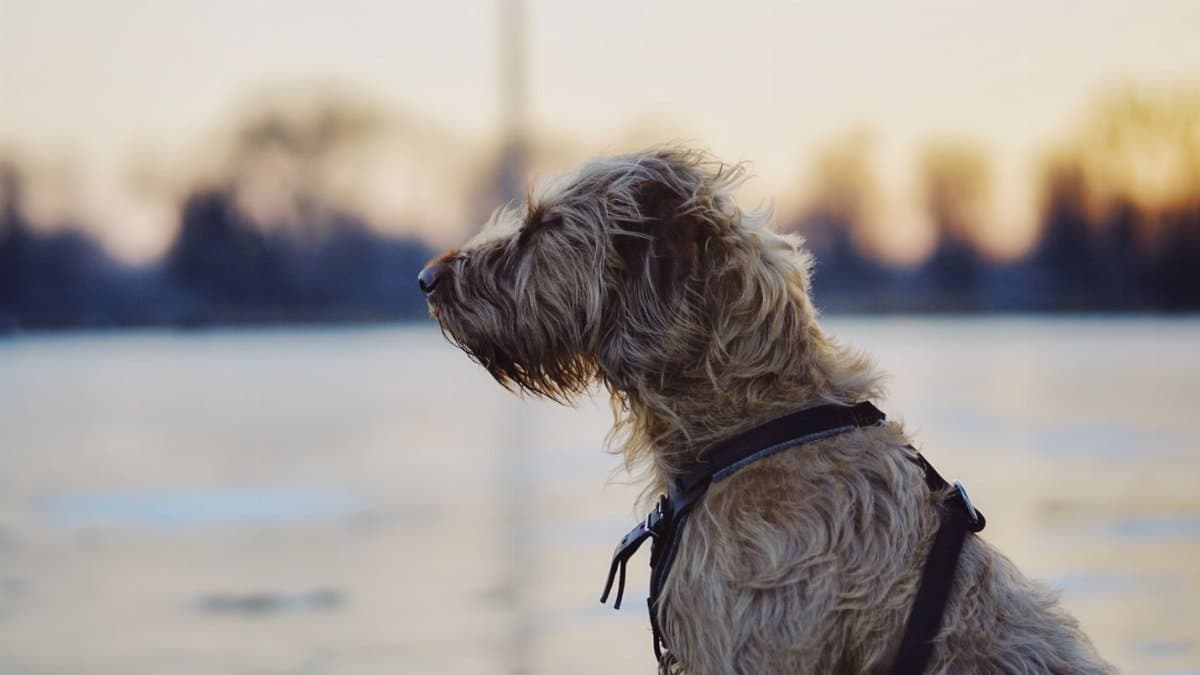
Irish wolfhounds are sighthounds with a reputation for gentleness that can surprise people who only know the breed from old hunting stories. Adults are tall, lean, and often described by fanciers as easygoing, even a little aloof with strangers until trust arrives on its own schedule. Chicken carries that inheritance in a frame that reads, to a small dog, as landscape rather than threat. A 130 pound presence can intimidate at a doorway. On the floor, with the head low and the eyes soft, the same mass becomes a windbreak.
Breed is not destiny. Plenty of wolfhounds would be wrong for a kennel full of anxious youngsters, and plenty of mixed breed dogs do this work with equal grace. What matters is the individual: a dog who does not correct, does not chase, and does not need the room to revolve around him. Chicken, by the account of the people who live with his routine, meets that test most days.
Inside the MSPCA Angell routine
MSPCA Angell in Jamaica Plain is both hospital and haven, a place where medical cases and shelter animals share a campus and a staff culture built on patience. Chicken’s rounds are not a spectacle for the lobby. They are scheduled contacts with dogs whose files mention fear, shutdown, or a history that makes ordinary kennel life feel loud. A handler chooses the room, watches the body language on both sides, and ends the visit before either animal is asked to be braver than the moment allows.
The count attached to his name is striking: about 200 dogs helped since the work began in earnest. That figure is not a clinical cure rate. It is a tally of encounters in which staff judged that his company made the next hour, or the next night, more possible. In shelter medicine, possibility is not a small thing. A dog who can rest is a dog who can eat, who can be examined, who can meet an adopter without collapsing into panic.
What the puppies seem to borrow
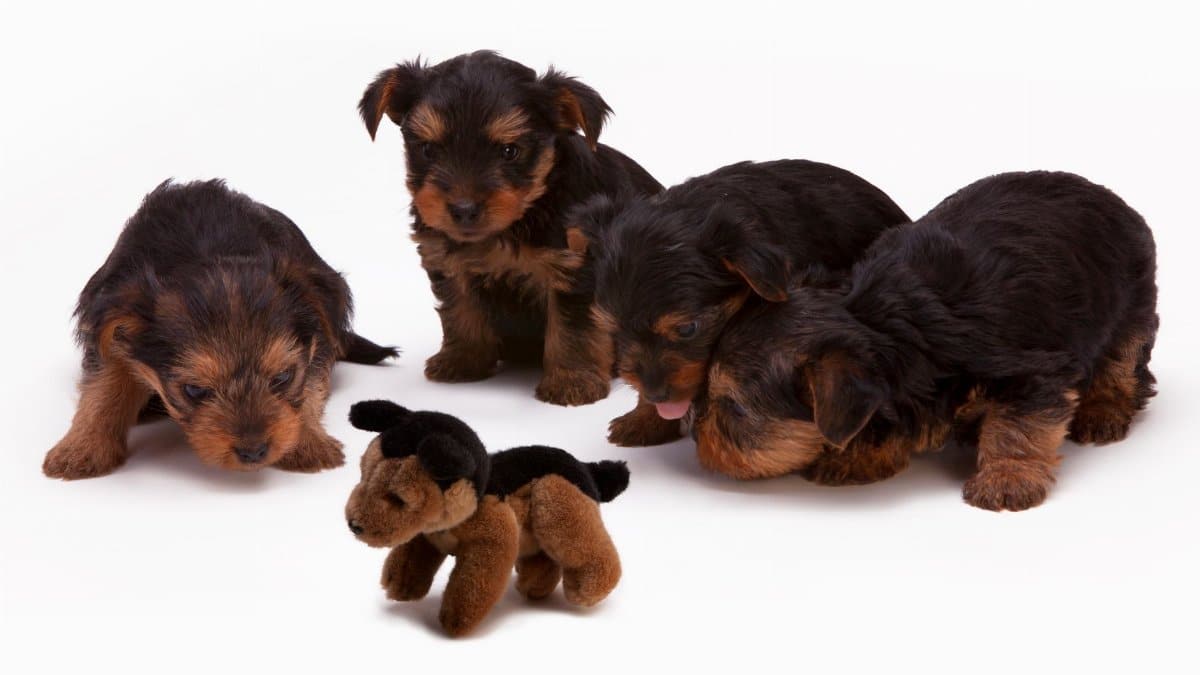
Watch a session and the borrowing is almost literal. A puppy will lie along Chicken’s foreleg and match his breathing, ribcage rising on the bigger dog’s rhythm. Another will sleep for the first time in days with a chin hooked over that wrist. The wolfhound rarely initiates play. When a braver pup offers a bow, he may answer with a slow wag and then return to stillness, as if to say the invitation was received and the answer is rest.
Handlers talk about this as modeling, though the word is a little grand for what is happening. Chicken demonstrates that another dog can be near without demanding a contest. For animals who learned, in a yard or a breeding barn or a roadside, that proximity means trouble, that demonstration is a kind of news. It does not erase the past. It complicates it.
The limits of a gentle giant
None of this should be romanticized into a cure. Some dogs want nothing to do with him, and forcing the introduction would betray the very calm the program is meant to protect. Bite histories, infectious disease, and extreme fear still require medical plans, behavior support, and sometimes a decision that a particular animal cannot safely share space with anyone, however saintly the roommate. Chicken is a tool in a kit, not a substitute for veterinary care or for the slow work of training.
There is also the matter of his own welfare. A dog asked to absorb other animals’ anxiety needs days off, predictable routines, and people who can read when he has had enough. The best programs treat the calm dog as a colleague with a finite shift, not as an infinite resource. Shelter life is already full of good intentions that outrun the bodies asked to carry them.
What research can and cannot say

Evidence on animals helping humans is broader than evidence on dogs helping dogs. A widely cited review by Andrea Beetz and colleagues, published in Frontiers in Psychology, gathered studies on human animal interaction and found associations with lower stress markers and improved social contact in people, while warning that study quality varies. The paper is available through Frontiers at https://www.frontiersin.org/articles/10.3389/fpsyg.2012.00234/full. It does not prove that a wolfhound in a Boston kennel rewires a puppy’s nervous system. It does support a more modest claim: calm contact with a trusted animal can change how a body under stress spends the next hour.
Shelter specific research on dog to dog comfort remains thinner, more observational, and harder to standardize. That gap is not a reason to dismiss what staff see. It is a reason to describe it carefully. About 200 dogs helped is a staff judgment, repeated often enough to become a pattern, not a peer reviewed trial with a control group down the hall.
Adopters and the story they meet
When a puppy who arrived rigid leaves a meet and greet able to take a treat from a stranger’s hand, the family in the visiting room rarely knows the full sequence. They see a dog who can be in a room. Behind that competence may sit medical notes, quiet hours, and a large gray animal who let a smaller one practice trust. Chicken does not go home with them. His influence travels as a disposition: a little less braced, a little more willing to be touched.
That handoff matters for the shelter’s larger purpose. A dog who can show a soft eye in a lobby is easier to place, and a placement is the outcome every kennel program is trying to earn. The wolfhound’s work is upstream of the photograph on the adoption page. It is easy to miss, which is part of why the people closest to it keep telling the story.
A wordless kind of ministry
Readers who come to animal news looking for a spiritual thread will not find doctrine in a kennel. They may find something adjacent: presence without speech, patience without credit, a creature whose usefulness is inseparable from his refusal to dominate. Many religious traditions have a place for that posture, whether they name it accompaniment, mercy, or simply staying when leaving would be easier. Chicken does not know the names. The puppies do not need them.
There is a risk in borrowing sacred language for a dog. The risk is sentimentality, the habit of turning suffering animals into symbols and forgetting the mops, the medications, and the overtime. Hold the language lightly and the observation still stands. Comfort, in this building, is often delivered by someone who cannot explain it.
How other shelters might borrow the idea
Not every facility can house a giant sighthound, and not every calm dog should be asked to work. The transferable piece is the principle: pair a stable, non reactive animal with fearful dogs under supervision, keep sessions short, record what changes, and stop when body language says stop. Some shelters already do versions of this with resident dogs, foster homes, or carefully chosen play groups. Others lack the staffing to watch two animals closely enough to call the contact safe.
Programs that skip the watching do harm. A viral video of a big dog “adopting” a small one can hide a chase, a correction, or a disease risk the camera never catches. The Jamaica Plain version, as staff describe it, is slower and less cinematic. That slowness is the ethics.
The disposition behind the name
Chicken is an odd name for an animal who outweighs most of his clients by a hundred pounds. The mismatch is useful. It undercuts the myth that only fierce dogs have presence, and it matches the chill temperament his people advertise without embarrassment. Easygoing, in this context, is not laziness. It is a nervous system that does not treat every sound as an emergency. Anxious puppies, who treat every sound as an emergency, get to stand next to a different answer.
Visitors sometimes expect a performance: tricks, costumes, a rehearsed lean into the camera. What they get is a dog who would rather lie down. In a culture that confuses attention with value, that preference can look like a flaw. In a ward full of fear, it looks like the job description.
What remains after the visit
By late afternoon the puppy is back in a kennel, and Chicken is off the clock. The building returns to its ordinary chorus of bowls, doors, and names called down a hall. Nothing about that return cancels the morning. A dog who slept against a larger heartbeat has a memory the night can use. Staff have a note in a chart. An adopter, days or weeks later, may meet an animal who flinches less.
Call him a therapy dog if the phrase helps the public understand why a wolfhound has a schedule. The more accurate description may be simpler. He is a colleague with a chill disposition and a talent for staying put, and about 200 frightened dogs have used that talent as a place to set their weight down. In Jamaica Plain, that has been enough to matter.