

In the Coachella Valley, where golf fairways fade into creosote and the mountains go violet at dusk, a familiar name has returned to the luxury listings. The Merv Griffin estate in La Quinta is back on the market at $23.9 million, a 40 acre compound with a private lake, 13 bedrooms, and a racing track. For readers who remember Griffin as the genial host who built Jeopardy and Wheel of Fortune into American rituals, the sale is more than a desert real estate note. It is a reminder that celebrity property has a second life, long after the applause, and that a house can keep performing for an audience that never met its first owner.
A name that still opens doors
Merv Griffin died in 2007, yet his public persona never quite left the culture. He was the smiling interrogator, the businessman in a sport coat, the man who understood that a simple format, repeated nightly, could outearn almost any drama. Buyers circling a famous house are often buying a story as much as square footage. In La Quinta that story is unusually thick. Griffin did not merely visit the desert. He settled into it, the way a certain generation of entertainers did when Palm Springs and its neighboring towns became a winter capital for Hollywood.
The listing does not need to invent glamour. The glamour is already in the memory of a gate and a host who liked company. What has changed is the audience. Younger purchasers may know Jeopardy as a streaming ritual or a cultural reference rather than as a weekday appointment. They still understand a private lake in a dry valley. Water, in this landscape, is the oldest luxury of all, older than television and harder to fake.
What sits on those 40 acres
Brokers describing the Merv Griffin estate tend to lead with scale, and the numbers justify the habit. Forty acres is not a lot in ranch country. In La Quinta, hemmed by fairways, club gates, and the long spine of the Santa Rosa Mountains, it is a small nation. Thirteen bedrooms suggest a house built for gatherings rather than for a quiet couple and a dog. A racing track suggests speed, display, and the particular pleasure of a private loop where the only traffic is your own.
A private lake does something stranger. It interrupts the desert grammar of gravel, palm, and heat. It implies pumps, liners, and a maintenance bill that does not care who is famous. It also implies evenings when the water holds the last light and the rest of the valley goes flat and gold. Listings love that sentence. So do buyers, until they ask who pays to keep the water blue when the summer highs sit well above comfort and the wind throws dust across every surface that was polished in May.
None of this is a floor plan you can judge from a paragraph. Celebrity compounds often hide ordinary problems behind extraordinary acreage: roofs that have seen too many seasons, systems designed for a staff that no longer exists, rooms that photograph better than they live. The serious questions are the unglamorous ones. How is the water moved? How is the track drained after a rare storm? Which of the thirteen bedrooms are truly private, and which are theater?
Water in a dry valley
The Coachella Valley has always sold a contradiction. It is a desert that behaves, in certain ZIP codes, like a resort coast. Golf, pools, and lakes are not accidents. They are the product of imported water, careful engineering, and a culture that treats shade as a moral good. A private lake on a 40 acre compound sits at the center of that contradiction. It is beautiful. It is also a claim on a resource the wider region watches with increasing anxiety.
Buyers at this price rarely arrive as innocents. They arrive with lawyers, inspectors, and a sense of what a desert house costs after the champagne photo. Still, the romance is real. To own water you do not share, in a place where the mountains look painted and the nights cool fast, is to own a kind of silence. Griffin understood silence as a professional. His public life was talk. His private acreage, if the listing is any guide, was built for the opposite: distance, a loop of track, a lake that does not answer back.
The showman behind the gate
Griffin came up as a singer, became a television host, and then did the less visible thing that made him rich. He created formats. Jeopardy and Wheel of Fortune were not merely shows. They were machines for attention, simple enough to travel, sturdy enough to survive new hosts, new networks, and new decades. That talent for repeatable pleasure is not irrelevant to a house. A great host builds rooms where other people feel slightly more alive. A great format does the same thing for a half hour at a time.
It is easy to flatten him into a grin and a theme song. The fuller picture is a man who moved easily between entertainment and property, who understood that a hotel lobby and a game show set are both stages, and who kept a desert address large enough to match the scale of his ambitions. Whether every acre was used, or some of it was simply the pleasure of having it, is a question the listing cannot answer. Estates of this kind are arguments about appetite. They say: there will be guests, and there will also be room to be alone.
How fame changes a listing
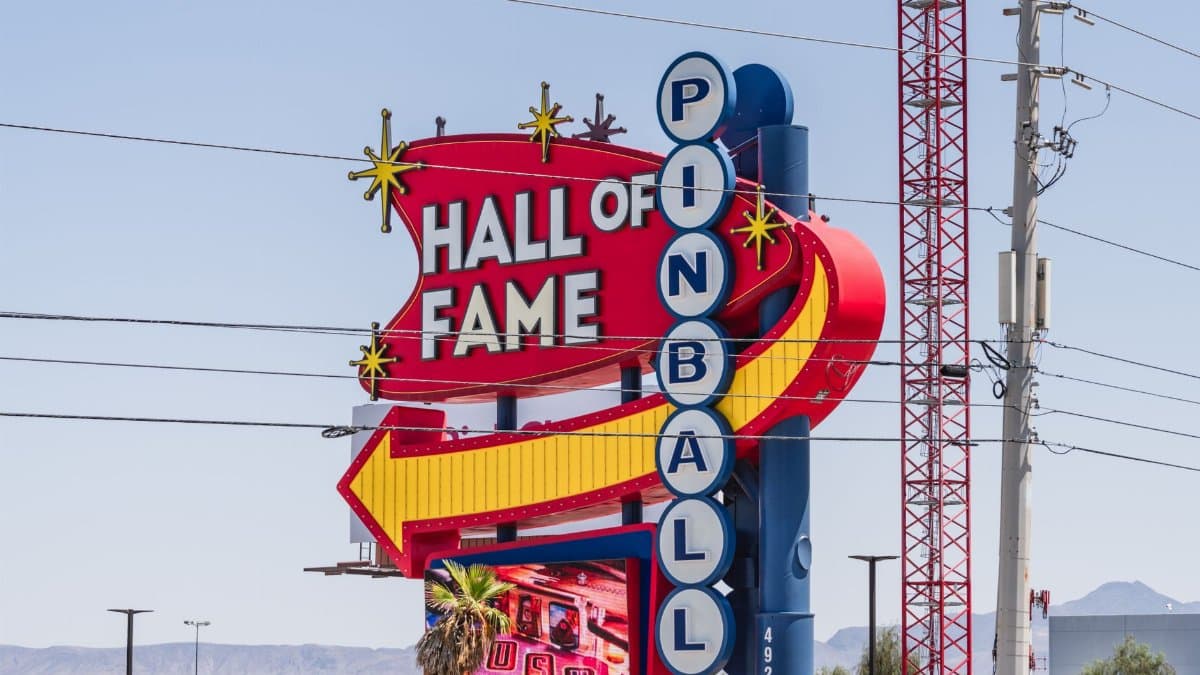
Attach the words Merv Griffin estate to a brochure and the inquiry list changes. Some callers want the history. Some want the discount they imagine must attach to an older compound with a famous previous owner. Some want the photograph, the proof that they slept where a television empire once unwound for the weekend. Fame is not a renovation. It does not fix a roof. It does change the speed of attention, and attention is the first currency of a luxury sale.
There is a risk in that attention. A house priced on legend can sit if the legend does not match the plumbing. Buyers with $23.9 million to spend are not collecting autographs. They are comparing this compound with newer construction in La Quinta, with gated golf estates that promise less myth and fewer surprises, and with desert properties that do not carry the cost of a private lake. The name gets them to the tour. The tour has to do the rest.
Agents know this dance. They lean on the story just enough to distinguish the property, then pivot to land, privacy, and the rarity of acreage this close to clubs and town. Overplay the ghost of the host and the house starts to feel like a museum. Underplay it and you waste the one fact every reader already knows.
La Quinta and the long desert season
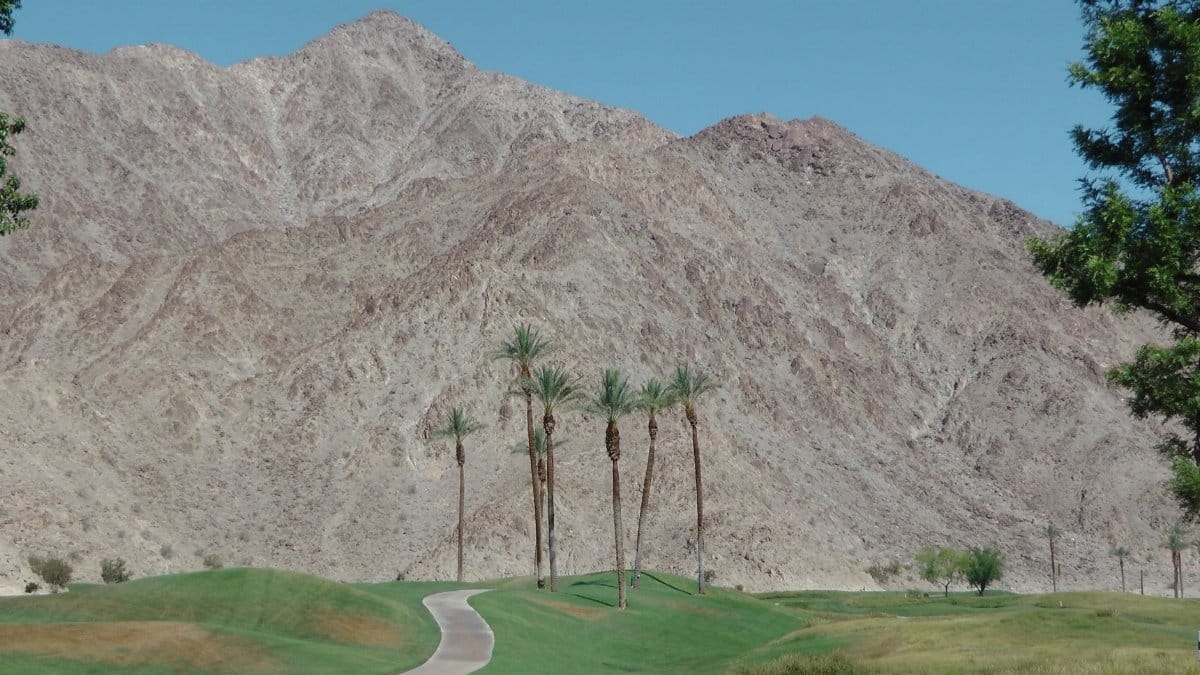
La Quinta has spent decades building a reputation that is adjacent to Palm Springs without being identical to it. The mountains sit closer. The club culture is deep. Winter weekends fill with people who want sun without the denser celebrity traffic of the older resort core. Summer is another country. The serious money often leaves, and the valley belongs to those who can stand the heat or who have somewhere else to be.
A 40 acre compound with a racing track fits that seasonal logic. It is a place to arrive, to gather, to leave. Thirteen bedrooms imply a calendar of visitors, not a single permanent household rattling around in empty halls. That pattern matches how many high desert estates actually function. They are winter instruments. They are also, for a narrow set of buyers, year round statements, staffed and cooled and kept ready because emptiness is its own kind of failure.
The broader luxury market in the valley rises and cools with interest rates, with the mood of coastal California, and with the simple fact that a second or third house is the first thing a fortune can postpone. A famous listing does not escape those forces. It only arrives with a louder announcement.
What a buyer is actually weighing

Pricing the Merv Griffin estate at $23.9 million asks the market to value both land and legend. The land side is easier to describe. Forty acres, a lake, a track, and a bedroom count that could host a production crew or a family reunion without anyone sleeping on a sofa. The legend side is a premium that either holds or evaporates once the second showing ends and the inspector starts opening panels.
A prudent buyer will want to know the condition of the water feature, the surface and drainage of the track, the age of mechanical systems, and the cost of staff required to keep a compound of this size from sliding into gentle neglect. Privacy cuts both ways. Distance from neighbors is the point. Distance from services is the bill. In the desert, deferred maintenance does not look charming for long. Sun and wind are patient editors. They revise stucco, wood, and paint without asking permission.
There is also the question of use. A racing track is a delight if someone in the household loves machines and has the time to use it. It is an expensive ornament if no one does. A lake is a nightly view and a daily responsibility. Thirteen bedrooms are a gift at Thanksgiving and a carrying cost in March. The romance of the listing is real. The arithmetic is stricter, and it does not care who built the party.
Legacy, hospitality, and an empty stage
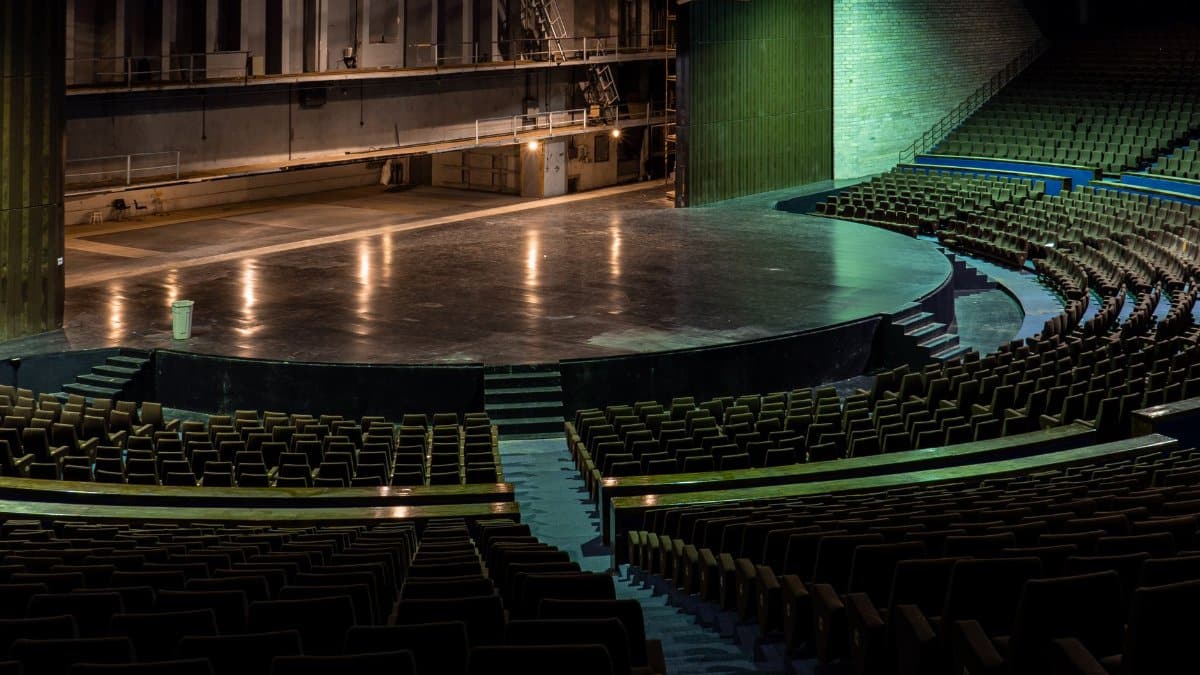
Griffin made a career of welcome. The job of a host is to make a room feel briefly like it belongs to everyone in it. A desert compound on this scale is the private version of that gift, offered to friends rather than to a national audience. When such a place returns to the market, it raises a quieter question than price per acre. What remains of a public life once the shows have new hosts and the man himself is gone?
Houses are imperfect archives. They keep a preference for gathering, a taste for water where water is scarce, a willingness to build more room than a single life can fill. They do not keep the jokes, the deals, or the particular warmth that made a guest feel chosen. Still, people tour them as if some of that warmth might have soaked into the walls. That hope is not foolish. It is one of the reasons famous houses sell at all. We want objects that remember us after we stop being able to remind anyone ourselves.
There is a spiritual undertone to that hope, even in a transaction conducted by brokers and bankers. Not a doctrine, and not a shrine. Just the old human wish that hospitality might outlast the host, and that land held with generosity might pass to someone who understands the duty that comes with a gate. Whether the next owner feels any such duty is unknowable. The wish itself explains why readers who will never see the lake still pause on the listing.
A sale that is also a farewell tour

Whether the Merv Griffin estate sells quickly or lingers, the listing already does a kind of cultural work. It pulls a twentieth century showman back into the present tense. It reminds a valley full of new construction that some of its glamour was installed earlier, by people who came for the winter and stayed long enough to reshape the map. And it tests, in public, what a name is worth once the cameras are gone.
$23.9 million is a specific bet. It says the acres, the water, the track, and the bedrooms can stand beside the biography rather than hide behind it. If a buyer agrees, the compound begins another chapter, probably quieter, certainly more private, and no less expensive to keep. If the market hesitates, the house will wait, as famous houses often do, while the desert light does what it has always done: make even an empty stage look briefly like a performance.