

On a cold Monday morning in Pilsen, fifty people stood in a modest hall and raised their right hands. They had come from 24 countries, carrying different accents and the same stack of forms. When the oath ended, they were new US citizens. Some had circled this date for years. Others said recent immigration enforcement pushed them to finish a process they had treated as optional. The room was quiet in the way rooms get when a promise is being made out loud.
What the morning looked like

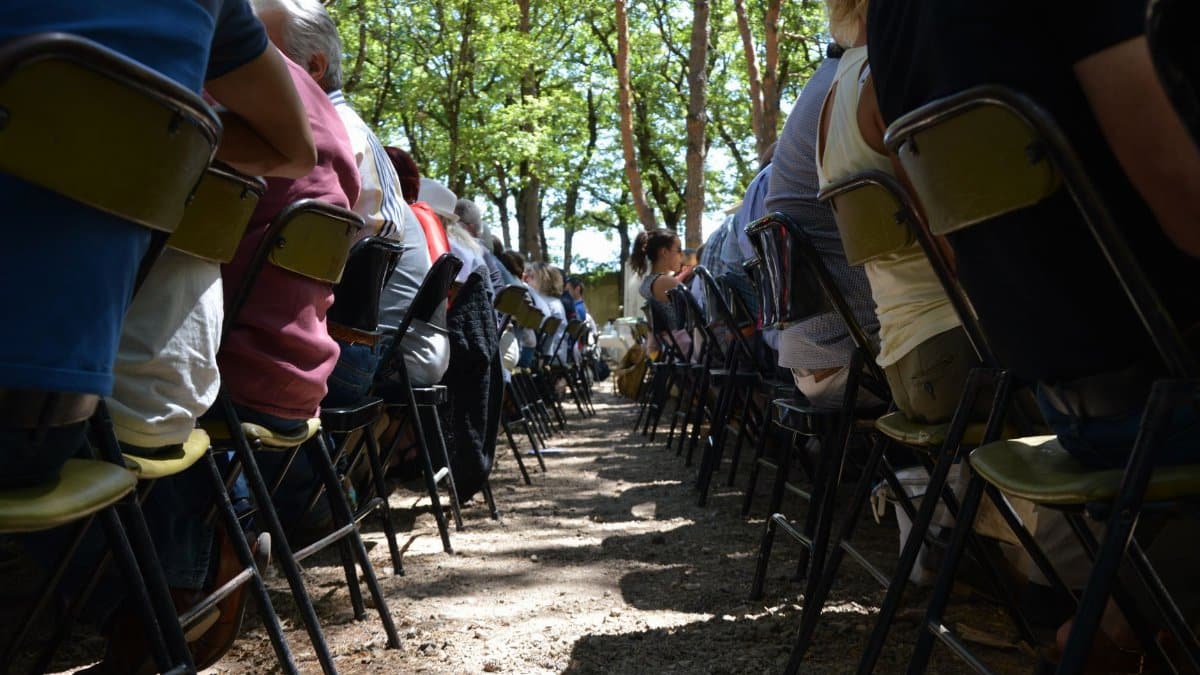
Naturalization ceremonies rarely look like the photographs people later frame. There are folding chairs, a flag, a judge or an official from U.S. Citizenship and Immigration Services, and a line of names that takes longer to read than anyone expects. In Pilsen, a neighborhood on Chicago’s Near Southwest Side with deep Mexican roots and a widening mix of languages, the setting fit the city more than it fit a postcard. Coats stayed on. Children shifted in their seats. A few people cried without making a sound.
The Chicago Tribune reported the gathering, noting that the new citizens came from two dozen countries and that enforcement in recent months had hurried some of them toward the oath. That detail matters. Citizenship is often described as a celebration. For part of this group it was also a form of protection, a legal status that changes what an officer can do at a workplace, a courthouse, or a front door.
The promise in plain language

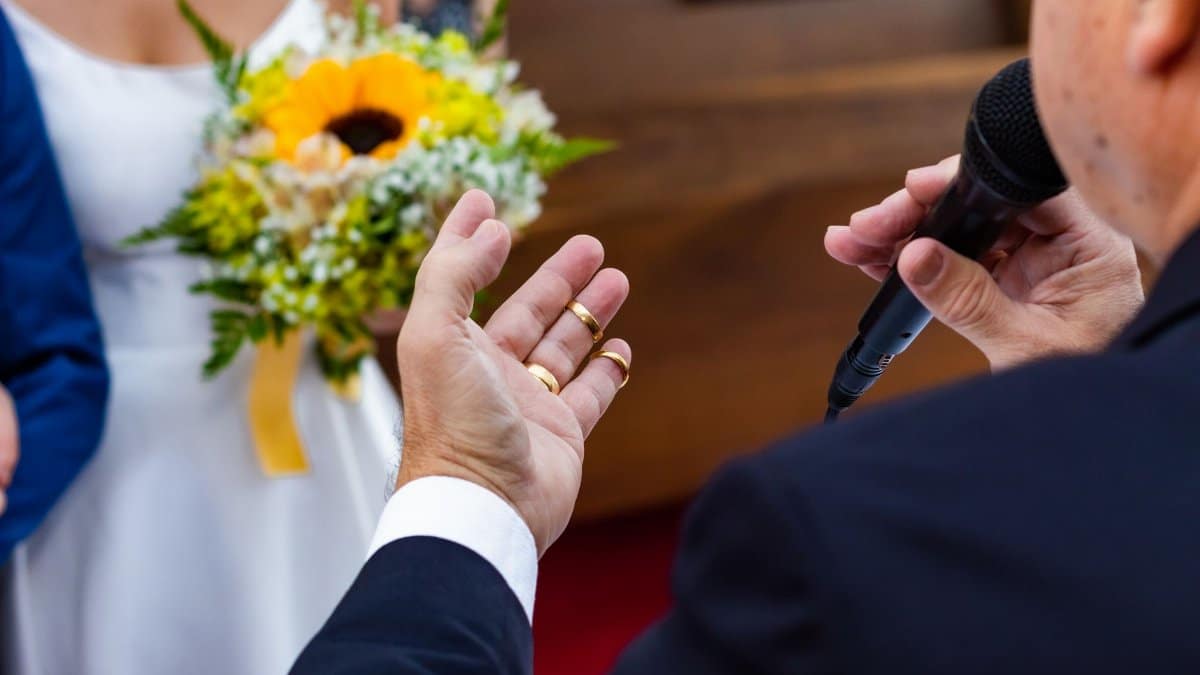
The oath of allegiance is not poetry, though people sometimes hear it that way. It asks a person to support the Constitution, to renounce prior political loyalty in a formal sense, and to serve the country if the law requires it. Spoken together, the sentences sound heavier than they look on a government webpage. They are a public vow. In a city built by successive arrivals, that vow sits beside older ones: marriage vows, baptismal promises, the quiet deals families make about who will send money home.
For readers who think of news through a spiritual lens, the parallel is not decorative. An oath is a moral act. It binds the speaker to a community that did not raise them and to laws they did not write. It also asks the country, without saying so, to treat the speaker as fully inside the circle. When that second half feels uncertain, the first half still has to be said.
Why some did not wait any longer
Lawful permanent residents can live for decades without naturalizing. They work, pay taxes, raise children, and renew green cards. The reasons for delay are ordinary: fees, English tests, civic exams, fear of failing, a sense that papers already in hand are enough. Recent enforcement changed that calculation for some people in the Pilsen group. When raids, workplace checks, and high profile arrests fill the news, a green card can start to feel like a borrowed coat.
Citizenship does not make a person invisible to the law. It does change the legal ground under their feet. Citizens cannot be deported for most immigration violations that still haunt noncitizens. They can vote. They can petition for certain relatives with a stronger claim. They can travel with a passport that does not expire into a question mark at the border. Those are practical goods. They are also reasons a spiritual person might call the decision an act of care for a household.
Twenty four countries, one line of names

Fifty is not a large number in a metro area of millions. It is large enough to hold a map. The Tribune’s account placed the new citizens’ origins across 24 countries, a reminder that Chicago’s immigrant present is not a single story about one border. A ceremony like this can include people from Latin America, Africa, Asia, Europe, and the Caribbean in the same half hour. Their routes differ. Their Monday did not.
That variety resists the lazy picture of immigration as one neighborhood, one language, one political argument. Pilsen itself has never been static. It has been Czech, then Mexican, then something more mixed, while murals and bakeries keep older layers visible. A naturalization hall there is a fitting stage. The city is practicing, again, the habit of taking people in and then asking them to help run the place.
Enforcement as a teacher people did not request
Immigration enforcement is a policy choice with a human timetable. When it intensifies, applications for citizenship often rise. Advocates have watched that pattern for years: fear is an efficient registrar. It would be a mistake to treat every new citizen as someone chased into the oath. Many in any ceremony would have applied anyway, out of pride or family plans or a simple wish to vote. It would also be a mistake to ignore those who said enforcement moved the date forward.
Journalists should be plain about what that means. A government can celebrate naturalization on Monday and conduct aggressive arrests the same week. Both can be lawful. They do not feel coherent to the person studying civics flash cards after a shift. The oath talks about fidelity to a constitutional order. People notice when that order seems to value them as future voters and suspect them as present risks.
What papers change and what they leave alone

A certificate does not rewrite a biography. Accents remain. Parents overseas remain. Grief for a country left behind does not file a change of address. Citizenship can even sharpen that grief, because the choice is now official. Some new citizens describe a double loyalty of the heart that the oath’s legal language does not fully capture. The law asks for allegiance. The conscience often keeps room for two kitchens, two sets of holidays, two ways of praying before a meal.
That tension is not a flaw in the ceremony. It is the ordinary condition of American life, older than any current administration. The useful question is whether public institutions can live with it without demanding a performance of forgetting. Most of the people who took the oath in Pilsen will go back to jobs, parishes, mosques, temples, or no religious home at all. They will pay rent in the same buildings. The country they joined is the one on the block, not only the one in the pamphlet.
Families in the back rows
Ceremonies are witnessed as much as they are performed. Spouses who are already citizens sit with a complicated pride. Children born here watch a parent become, on paper, what the child has been since a hospital bracelet. Relatives who cannot yet apply measure the distance. In immigrant households, one person’s oath can be a family strategy: a vote, a passport, a slightly wider margin of safety for everyone under the same roof.
There is also absence. Not everyone who wanted to be in that room could be. Some relatives lack status. Some are detained. Some are simply far away and expensive to fly. A spiritual reading of the morning has to include those empty chairs. Belonging is rarely distributed evenly inside a single family. The person who raises a hand may be doing it for someone who cannot.
Chicago’s long habit of arrival

Chicago has argued about immigrants since before it had this skyline. It has also depended on them: stockyards, steel, railroads, hospitals, restaurants, and the tax base of bungalow belts. Pilsen’s ceremony sits in that history without needing a speech about it. The practical city, the one that plows streets and staffs clinics, has always been more plural than its loudest political seasons admit.
Readers far from Illinois can still recognize the pattern. Naturalization days happen in courthouses and community centers in every region. They are small, repetitive, and easy to skip in a news cycle built on conflict. They are also one of the few civic rituals in which the government and the newcomer agree, for an hour, on the same sentence. That agreement is worth reporting even when the surrounding politics are harsh.
Tuesday morning, after the folder is closed

The day after an oath is deliberately ordinary. People update employer forms. They ask about passport appointments. They tell a supervisor, or they do not. They register to vote if they choose, which many will, and which some will postpone out of caution or exhaustion. Citizenship is a status. Using it is a series of errands.
Those errands are where the country’s promise gets tested. A new citizen who cannot get a passport appointment, who is still profiled at a checkpoint, or who hears neighbors talk as if the oath never counted, learns a second lesson. The first lesson was in the hall. The second is on the bus home. Institutions that want trust have to pass both.
A moral claim that runs both ways
It is fair to ask newcomers to know the Constitution they just swore to support. It is fair to ask the rest of us what we owe people who have met every legal test we set. The Pilsen group did not slip through a side door. They studied, paid, waited, and stood up when called. Some did so sooner because enforcement made delay feel dangerous. That motive does not cheapen the oath. It explains the timing.
Faith communities in Chicago have often been the places where that two way claim is said without a microphone. Parishes host citizenship classes. Mosques and synagogues write letters of support. Volunteers drill people on questions about the branches of government. That work is not partisan in its best form. It is neighborly. It treats the exam as something a city can help a person pass, rather than a trap designed to fail them.
How to hear a ceremony without flattening it
A careful account refuses two simplifications. One is the greeting card version, in which every new citizen is a beaming proof that the system works. The other is the grim version, in which every oath is only fear in formal clothes. The Tribune’s reporting, and the mix of motives people describe at events like this, points to a third picture. Joy and strategy can share a row of chairs. A person can be grateful and wary in the same afternoon.
That third picture is harder to headline. It is closer to how adults actually change their lives. They weigh risk. They love a country without pretending it is gentle. They raise a hand because the alternative, for their family, looks worse. If there is a spiritual trend worth naming here, it is not a new doctrine. It is an old one: people will bind themselves to a community when they believe the binding protects the vulnerable they already love.
What remains after the names are read

By the time the hall emptied, the new US citizens had a certificate and a set of rights that do not depend on the mood of a news cycle. They also had a country in the middle of a hard argument about who belongs. Pilsen went back to its weekday noise. The oath did not settle the argument. It added fifty voices who now have a formal right to join it.
Anyone tempted to treat that as small should sit through the reading of the names. Each name is a life that cleared a narrow legal path. Each one is also a reminder that enforcement policy does not only produce arrests and court dates. It produces decisions in kitchens, late at night, about whether to spend the savings on an application. Some of those decisions walked into a Chicago ceremony and left as citizenship. The rest of us can argue about the politics. We should at least notice the vow.