
On a bright weekday morning along Sansome Street, the glass lobby at 475 looks like any other tower waiting for a tenant with deep pockets and a long horizon. Brokers had been trading rumors for months about a crew that wanted more than desks and whiteboards. They wanted room for models, benches, and the slow work of turning software into something a person can hold. Word that the OpenAI San Francisco office hunt had settled on roughly 115,000 square feet recasts how the city reads the company. This is no longer only a research lab in a historic pocket of downtown. It is a bet on objects.
A lease larger than a footnote

The San Francisco Chronicle reported that the artificial intelligence company and the hardware group associated with designer Jony Ive had taken a huge block of space at 475 Sansome Street, a move beyond the Jackson Square base that has housed much of the design effort. The figure, about 115,000 square feet, is the kind of number landlords quote when a tenant expects to grow, not when a team is camping for a season. In a market still marked by empty floors and cautious lenders, a commitment of that scale is news even before anyone asks what will be built inside.
Readers can find the Chronicle account at sfchronicle.com. What follows is less a replay of lease terms than a look at why the address matters, what it suggests about a shift from chat windows to physical products, and how a secretive hardware push sits inside a city still arguing over its own recovery.
Sansome Street and the old financial grid

Sansome Street belongs to the grid that once defined San Francisco money. Towers here were built for banks, law firms, and trading floors, not for foam models and quiet labs. Choosing that corridor, rather than a campus south of Market or a converted warehouse near the water, sends a plain signal. The company wants to be inside the traditional core, close to transit, hotels, and the civic stage, while still keeping the work itself out of public view.
Jackson Square, a few blocks away, offered brick, low scale, and a design neighborhood feel. A high rise floor plate offers something else: room to separate teams, to stage prototypes, and to grow without hopping between small suites. For a hardware effort, square footage is not vanity. It is the difference between a sketch and a line that can actually ship.
From language models to things in the hand

OpenAI became a household name through software that answers, writes, and draws. Hardware is a different craft. It demands suppliers, certifications, batteries, plastics, glass, and a tolerance for delay that software culture often lacks. A large OpenAI San Francisco office for that work implies the company expects the physical project to last, not to remain a side experiment parked near the founders.
Ive built his reputation at Apple by treating the object as the interface. Buttons, seams, weight, and silence were part of the product, not decoration. Pairing that sensibility with a lab known for large models raises an obvious question. Will the first devices feel like computers that talk, or like something quieter, closer to a tool that disappears into a day? The lease does not answer that. It does say the question is being asked with real estate, which is harder to reverse than a slide deck.
Why secrecy travels with the floor plan
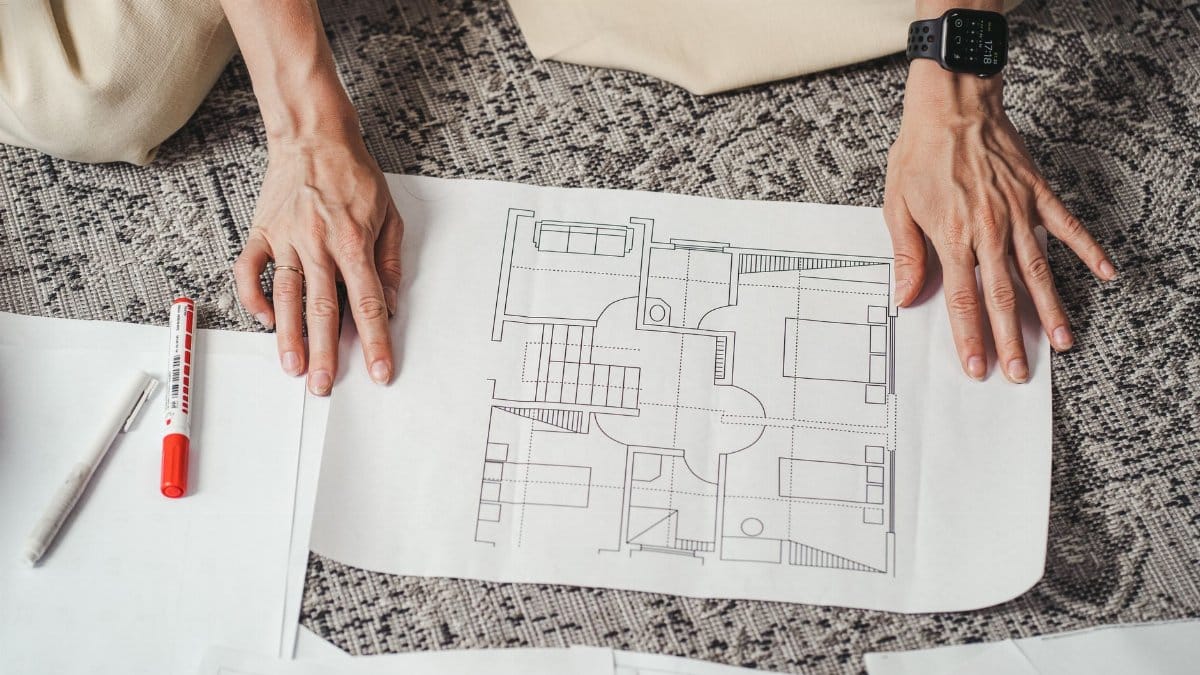
Hardware leaks. A rendering, a part number, a photographer on the sidewalk can rewrite a launch. Companies that care about surprise tend to cluster sensitive work behind badges, frosted glass, and nondisclosure agreements. A tower floor can be easier to control than a street of small storefronts, where every delivery is a public event.
That instinct collides with a city that has grown wary of tech opacity. Neighbors want to know whether a new tenant brings daytime foot traffic or sealed floors and private cars. Journalists want to know whether jobs are new or merely relocated from a few blocks away. The company, if it follows the pattern of past design shops, will say little until a product is ready to be seen. The building, meanwhile, will still change the block.
Downtown recovery measured in signed leases
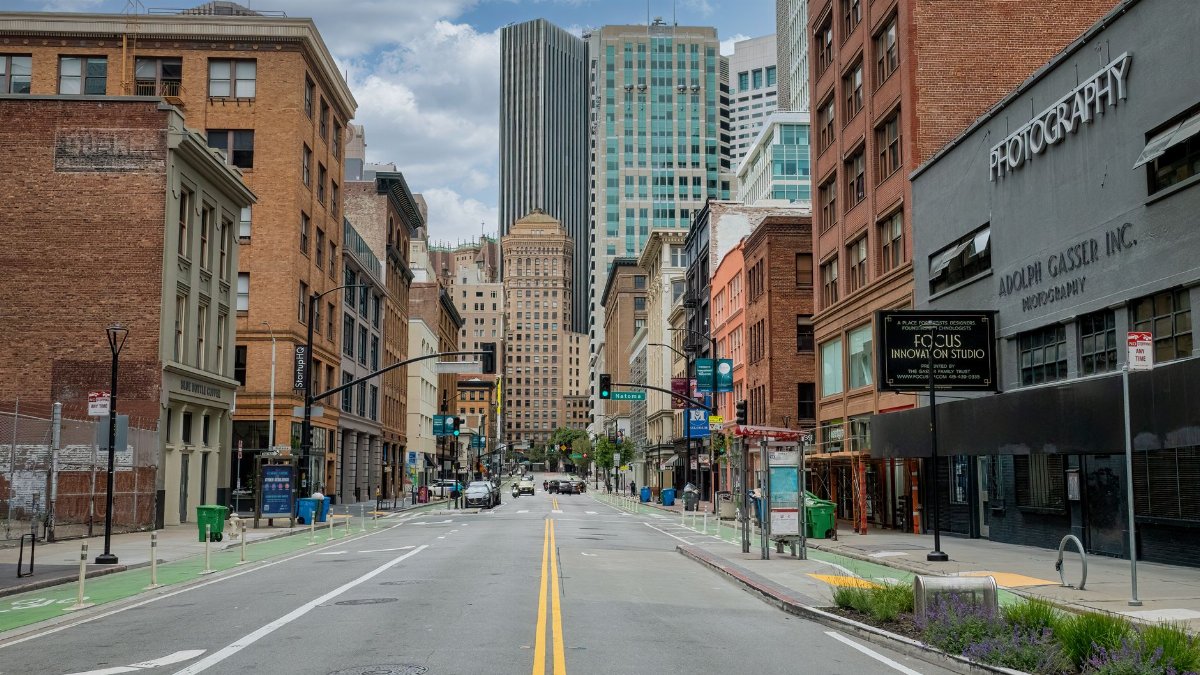
San Francisco has spent years hearing that its office market is broken. Vacancy climbed after remote work stuck, and some owners cut rents or handed keys back to lenders. Against that backdrop, a single famous tenant cannot refill a skyline. It can, however, change the story brokers tell. A name associated with artificial intelligence and a name associated with beloved consumer objects together make a listing easier to explain to investors who have stopped believing in generic tech demand.
City officials have argued that a living downtown needs more than cubicles. It needs lunch crowds, evening events, and reasons to ride transit on a Tuesday. Whether this tenancy helps depends on headcount, on whether people actually come in, and on whether hardware work keeps a steadier on site rhythm than pure software. None of that is visible from the lease announcement alone. The square footage only sets the ceiling.
Jackson Square as the first chapter
The move beyond Jackson Square does not erase that address. Early design teams often start small, in rooms where a handful of people can argue over a curve without a corporate calendar. Those rooms matter. They are where taste gets set before process takes over. Leaving them, or outgrowing them, is a rite of passage and a risk. Scale can dull the very judgment that made the small studio valuable.
Keeping a foothold in the old neighborhood while expanding onto Sansome would be a familiar pattern. Research and corporate functions stay in one place. Form giving stays in another. The Chronicle framing, a step beyond the Jackson Square base, suggests the hardware group is no longer content to borrow corners of someone else’s floor. It wants a home sized for production thinking.
Talent, cost, and the choice to stay

San Francisco remains expensive. Housing, taxes, and office rents still push some founders toward other cities. Staying, and taking more space, is a statement about where the relevant people already live and where recruiting still works. Designers, mechanical engineers, and researchers who have spent careers here do not always follow a cheaper lease to another state. An OpenAI San Francisco office of this size is also a signal to those people that the hardware bet is funded, not tentative.
Cost cuts the other way too. Every square foot is a promise to investors that revenue, or at least strategic value, will follow. Hardware margins are unforgiving. A beautiful device that cannot be built at a sane price becomes a museum piece. The glamour of a notable address will not protect a team from that arithmetic. If anything, the visibility raises the cost of failure.
What a building cannot tell us
Lease filings and broker chatter rarely reveal product plans. They do not say whether the first device is a companion that listens, a screen that stays mostly dark, or a tool for work rather than home. They do not say when anything ships. They do not say how the group will divide credit between a storied designer and a company whose public face has been researchers and executives, not industrial form.
Caution is warranted. Tech history is full of celebrated collaborations that produced little the public ever held. It is also full of quiet floors that later defined a decade of objects. Treating 475 Sansome as destiny would be a mistake. Treating it as irrelevant would be another. Companies spend this kind of money when they expect bodies in chairs and parts on tables for years, not months.
Neighbors and the texture of a block
A hardware floor changes a street in small ways. Deliveries arrive at odd hours. Security gets tighter. Cafes notice a new lunch rush or notice nothing at all if staff stay inside. Preservation groups and nearby businesses will care less about model architecture than about loading docks, signage, and whether ground floor life improves. Those are legitimate civic questions, and they sit alongside the product questions rather than beneath them.
San Francisco has learned, sometimes bitterly, that a celebrated tenant can also be a fleeting one. Leases get sublet. Strategies pivot. The healthiest reading of this deal is provisional. It is evidence of intent, not a guarantee of a revived district or of a beloved gadget. Residents are right to ask for ordinary accountability: jobs, safety, and a block that still feels like a city rather than a campus with a sidewalk.
Software speed and hardware patience
Artificial intelligence labs update models on a rhythm that would exhaust a factory. Hardware cannot match that tempo. Tooling takes months. A flawed hinge cannot be patched overnight. The cultural tension inside a shared company may prove as important as any floor plan. If software leaders expect weekly visible progress, and design leaders expect long silences followed by a finished object, the Sansome floors could become a site of friction as much as invention.
The healthiest teams treat that friction as the work. They let engineers sit with designers early, and they let taste survive contact with cost. A separated OpenAI San Francisco office for the hardware group could help that, by giving form its own rooms. It could also isolate the group from the models that are supposed to make the objects intelligent. Proximity on a map is not the same as proximity in a meeting. Management will have to build the second kind on purpose.
A city watching a private experiment

For a broad public, the details of badges and benches will stay abstract until a product appears, or until it does not. What people can see now is a company associated with generative software planting a large flag in the financial district beside a designer associated with the last era of personal machines. That pairing is the story, more than any single broker statistic.
I have walked enough half empty downtown blocks in recent years to know that one lease does not restore a neighborhood. It does change the temperature of the conversation. Landlords, city staff, and rival firms will treat the OpenAI San Francisco office expansion as proof that at least one future still wants to be here, in rooms large enough to hide a prototype and public enough to be counted. The rest, the thing in the hand, remains behind the glass.