
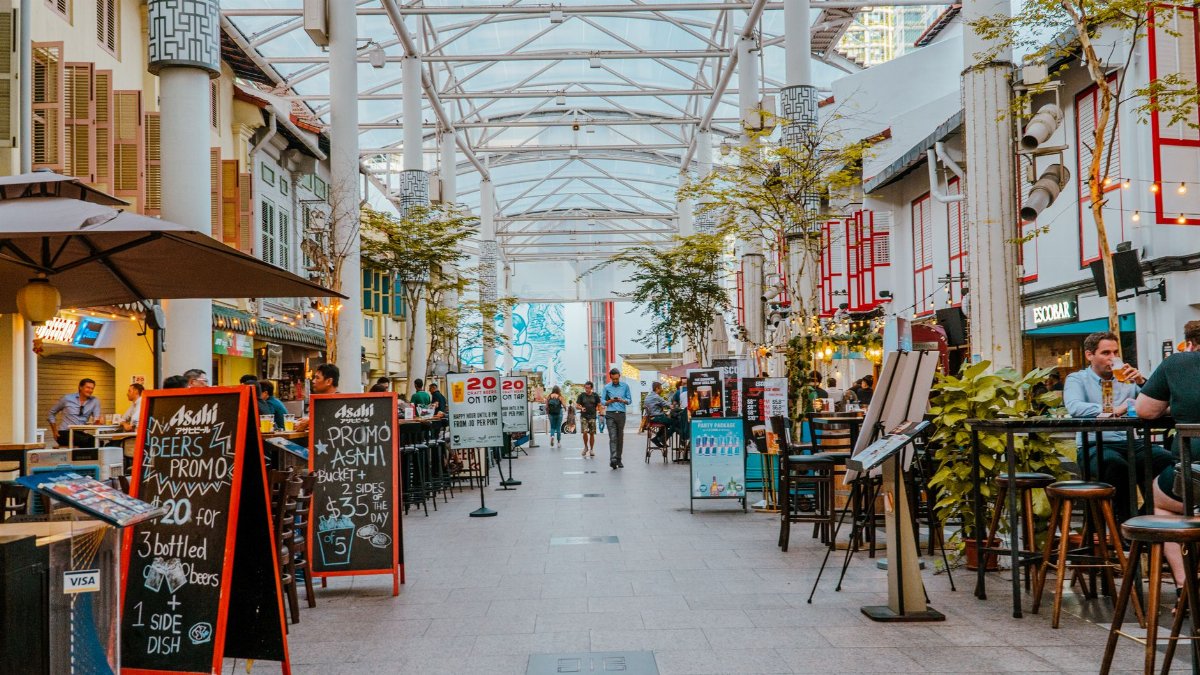
The neon arrives before the game does. In bars from Brickell to Little Havana, chalkboards list drinks named for a city that exists only on a screen, and servers explain the joke before anyone has to ask. Miami has spent decades selling a version of itself to visitors. Now that sales pitch has a new costume. The GTA 6 release, still months away, is already shaping menus, playlists, and window displays, as if the fictional Vice City were a neighboring neighborhood rather than a marketing echo.
A city already fluent in its own myth
Miami does not need a video game to understand spectacle. The skyline, the causeways, and the pastel hotels have been props in films and songs for generations. What feels new is the precision of the reference. Vice City, the metropolis at the center of the forthcoming Grand Theft Auto VI, is not a vague tropical backdrop. Trailers have shown saturated streets, fast boats, and two fugitives moving through a Florida that is both familiar and exaggerated.
Restaurant owners have noticed that guests arrive already speaking that language. A cocktail the color of a sunset does not require a long explanation if the table has spent the week watching a trailer on repeat. The promotion works because the audience has done the homework.
Chalkboards, burger specials, and a wink at Burger Shot
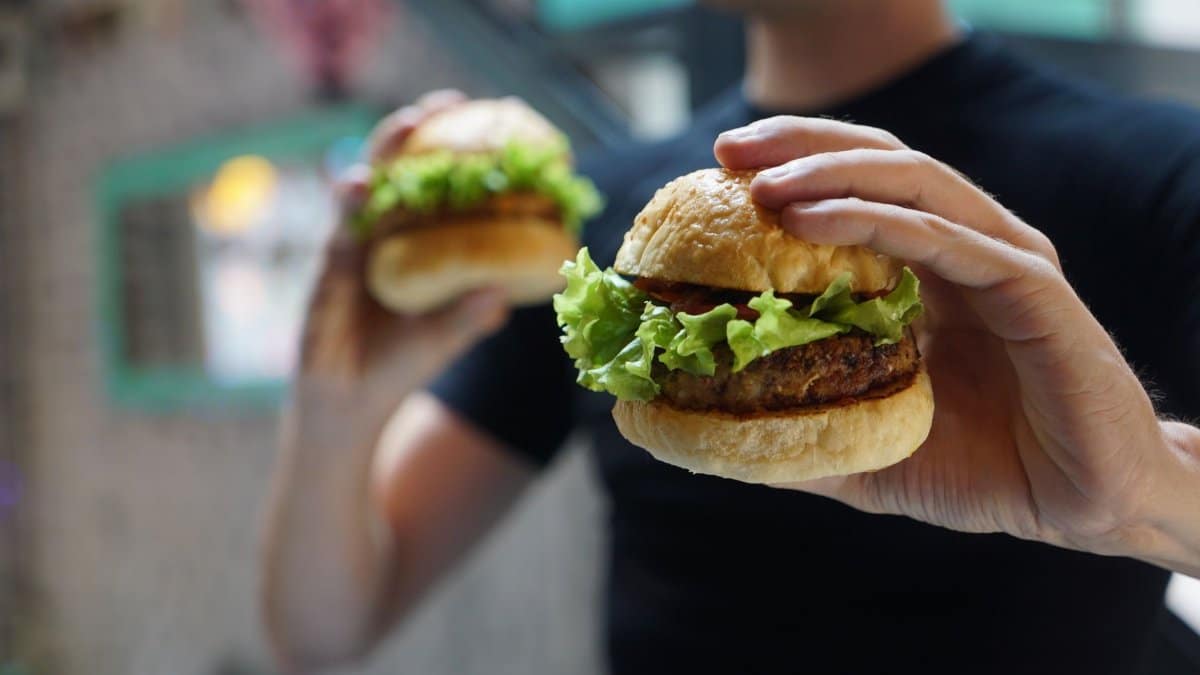
The most visible promotions are also the cheapest to attempt. A chalkboard can be rewritten between lunch and dinner. A burger special can borrow the blunt name Burger Shot, the fast food chain players already know from the series, without a new station in the kitchen. Cafes set out limited postcards. Bars trade a house playlist for tracks heavy with bass, the sort of sound that suggests a night drive over the water.
None of this requires a license agreement that a small operator could afford, and that is part of the appeal. The references stay in the realm of homage: a color, a name on a menu, a poster near the host stand. Lawyers would draw a harder line around copied logos and trademarked characters. Most rooms try to remain on the safe side of that line and still collect the photograph they want for the week.
Why the wait itself is useful
Anticipation is a rare kind of inventory. It does not spoil, and it can be poured again next week. The GTA 6 release has been discussed, delayed, and discussed again, which means the cultural conversation has a long runway. For a bar, a long runway is a gift. A theme night in spring can return in summer. A cafe can keep a Vice City cold brew on the menu until the novelty thins.
On a weekday morning I stopped at a coffee counter near a design district warehouse and listened as a barista described a pink foam drink to a couple who had come for the picture, not the caffeine. They left with cups and a story. That transaction is small. Multiplied across a weekend, it is the incremental traffic operators chase when rent does not negotiate.
What the official calendar actually says

Rockstar Games has set a launch date of May 26, 2026, after earlier talk of a 2025 arrival gave way to a delay. The company posted that timing on its newswire, and it has been sparing with everything else, which leaves room for local invention. A date on a corporate calendar is not a script for a Miami Saturday night. It is a deadline that makes themed menus feel timely rather than random.
Operators who plan around that date talk about two peaks. One is the stretch of trailers and previews, when curiosity is high and the game is still a shared rumor. The other is the week of the GTA 6 release itself, when fans may want a public place to mark what is, for most people, a private download. Between those peaks, the promotions have to earn their keep as ordinary hospitality, not as a costume that only works once.
Homage, logos, and the cautious kitchen

There is a practical limit to how far a cafe can go. Grand Theft Auto is a fiercely protected brand. A drink called a Vice City sunset is a nod. A printed logo lifted from a trailer is a different decision. People who run these rooms tend to describe a simple rule of thumb: evoke the mood, do not counterfeit the art.
That caution has not stopped invention. Some rooms lean on architecture instead of names. A patio with plastic flamingos and an inexpensive neon tube can suggest the game without printing a single character. Others lean on food that already belongs to Miami. A Cuban sandwich, a colada, a stone crab plate in season: these can be framed as what you eat before a fictional joyride through Leonida, the state the game invents out of Florida. The joke lands because the plate was local first.
Who shows up, and who rolls their eyes

Not every guest is delighted. Some longtime residents hear Vice City and think of the earlier game, released in 2002 and soaked in the style of the 1980s, and they are tired of being a backdrop. Others welcome the attention if it fills seats on a slow Tuesday. The split is familiar. Miami has argued for years about how much of its identity should be packaged for outsiders.
Younger guests tend to treat the theme as play, not as a verdict on the city. They pose, they post, they order the second round. Older guests, the ones who remember when South Beach was a different kind of ruin and then a different kind of revival, often want the drink to taste like a drink. Operators who last will satisfy both tables. The menu can wink. The kitchen should not hide behind the wink.
Giveaways, reservations, and thin margins

A poster in the window is not a business plan. The promotions that stick are tied to something a guest can buy. A fixed price menu. A reservation that is easy to make. A contest for a console that is clearly a straight retail prize, not a murky resale box. A late night coffee flight for people who will not be in a club.
Margins in hospitality are thin enough that a themed month has to be measured. If the special slows the line, it dies. If it photographs well and still tastes like the rest of the menu, it stays. That is a dull truth, and it is the one that separates a weekend stunt from a run of Saturdays.
Influencers, tourism, and borrowed glamour

The game will market Florida whether or not a single cafe participates. Trailers already function like travel films with worse morals and better color. Influencers will film themselves against the real skyline and caption the clip as if they have crossed into Vice City. Restaurants are inserting themselves into a stream that would exist anyway.
There is a civic awkwardness in that stream. A fictional crime saga is an odd ambassador for a region that also sells family beaches and art fairs. Cities have lived with that contradiction for decades. New York did not collapse because films lingered in its alleys. Miami can survive being the inspiration for a satirical open world. The sharper question is whether local businesses are amplifying a caricature or refusing to let a global company be the only narrator. Both can be true in the same week.
When the download finishes
Themes expire. The GTA 6 release will eventually become a memory of a launch week, then a game people play in private, then a reference that needs a footnote. Menus will change. The pink drinks will be renamed for the next holiday. What may remain is a habit: the sense that a cultural event, even a digital one, can be an excuse to gather in public.
That habit is not trivial in a city where so much social life has moved onto phones. A bar that gives people a reason to leave the apartment is doing a small civic service, even if the reason is a little ridiculous. Shared jokes are a kind of infrastructure. They do remind a neighborhood that it can still meet face to face.
How to plan a night without being sold a costume

If you want to chase the theme, go where the room already has a point of view. A generic hotel bar with a hastily printed sign will feel like an advertisement that wandered indoors. A neighborhood spot that already loves color, music, and a little chaos will wear the idea more honestly. Ask what is actually on the plate. Notice whether the staff seems amused or exhausted. Amusement is the better seasoning.
If you would rather skip the bit, Miami will still be Miami. The water will still throw light at the buildings. The GTA 6 release will not rewrite the county. It will, for a season, give restaurants, bars, and cafes a story to tell at the door. Stories at the door are how this city has always filled a room.