
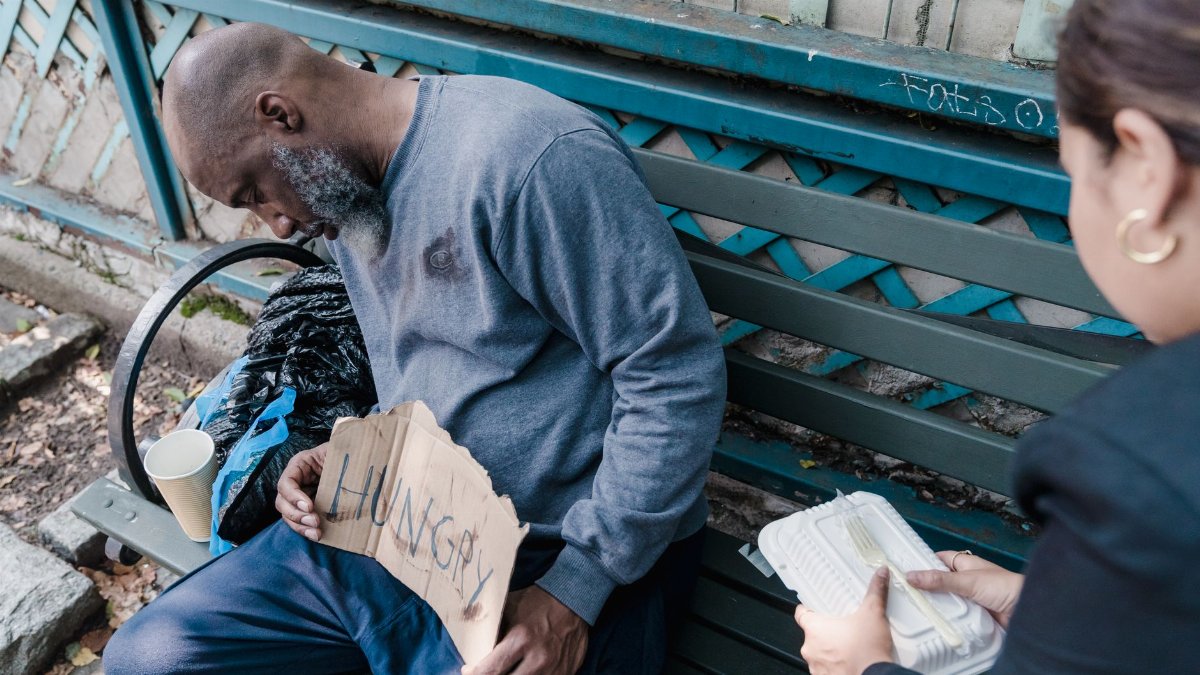
On a cold morning along a Tenderloin block, a city worker with a clipboard asks a man in a worn jacket where he slept and where he came from. The exchange lasts only a few minutes, yet answers like his now sit at the center of a fierce argument about responsibility, migration, and what a city owes people who arrive with nothing. The newest SF homeless count found that 44 percent of San Francisco’s unhoused residents were already homeless when they got here, a record share, while the broader totals moved in mixed directions compared with 2024.
A number that reframes an old argument

For years, San Francisco has argued with itself about whether its streets reflect local failure, regional poverty, or a reputation that draws people in crisis from far away. The new figure does not end that argument. It does sharpen it. Nearly half of the people counted said they were already without housing before they reached the city. That is not a footnote. It is a record share, and it forces residents, advocates, and officials to hold two truths at once: many people became homeless here, and a very large group did not.
Readers should treat the share with care. A point in time survey is a snapshot, not a census of every life on the street across a year. People move. Some decline to answer. Memory is imperfect when someone has been unsheltered for months. Even so, the direction of the finding is hard to ignore. The city is not only managing a homegrown crisis. It is also absorbing people who lost housing somewhere else and then landed in San Francisco.
What mixed change actually means

The same count did not deliver a single clean headline about whether the crisis is shrinking. Overall numbers showed mixed changes from 2024. Some categories improved. Others did not. That kind of split result is unsatisfying for anyone who wants a victory lap or a simple indictment. It is also closer to how street homelessness behaves. Shelter beds can fill while unsheltered camping persists. A neighborhood can look quieter while another grows more crowded. A program can move dozens of people indoors and still leave the skyline of tents, doorways, and overnight buses largely intact.
Mixed change is not the same as stasis. It means the city is not frozen, and it is not finished. Officials can point to pockets of progress. Critics can point to corners where conditions still feel unchanged to anyone walking home after dark. Both observations can be honest. The political temptation is to pick the slice of data that flatters a prior belief. The journalistic task is to keep the whole picture in view.
How the city tries to see who is outside
San Francisco’s count follows a method used in cities across the country. Teams go out on a designated night and early morning, tally people in shelters, and estimate or survey those sleeping outside, in vehicles, or in places not meant for habitation. The work is laborious and imperfect. A person sleeping in a friend’s car may be missed. A person who spent the night in an emergency room may not appear on a sidewalk. Volunteers and staff cannot interview everyone they see.
Questions about origin are especially delicate. Asking where someone lived before homelessness requires trust. Some people have cycled through several cities. Some left a town because a relative could no longer house them. Some came for a job that vanished, a hospital, a partner, or a court date. A single answer, already homeless on arrival, covers many paths. It does not, by itself, prove that anyone came for a particular service, a particular drug market, or a particular political reputation.
Arrival is not the same as intention
The record share invites a blunt story: people are coming here because San Francisco is known for aid. That story is partly about real policy. The city spends heavily on homelessness, behavioral health, and street outreach relative to its size. It also has a dense network of nonprofits, clinics, and soup kitchens that a smaller town cannot match. People in extremity go where help is rumored to exist. That has been true of ports, rail towns, and big cities for generations.
Intention is harder to measure than presence. A person can arrive already homeless because a bus ticket was the only way out of a violent encampment, because a sibling lived in the Bay Area, or because a hospital discharged them with nowhere to go. Drug markets and untreated addiction are part of the street reality, and pretending otherwise insults people who live beside open use. Collapsing every arrival into drug tourism, though, flattens lives that do not fit the slogan. The count can tell us about status on arrival. It cannot read motive with courtroom certainty.
The people who lost housing here
If 44 percent arrived already homeless, then a majority did not. That remainder matters just as much. San Francisco still generates homelessness through rents that outrun wages, evictions, family breakups, illness, and the long wait for subsidized homes. A cook, a hotel worker, or a senior on a fixed income can lose a room and have no private fallback. When that happens, the crisis is local in the most ordinary sense. The lease ended. The couch was no longer offered. The disability check did not cover a room.
Focusing only on newcomers lets the city avoid its own housing math. Focusing only on locals lets the city avoid the regional and national failures that push people toward any place with a visible safety net. The newest figures refuse both comforts. They describe a city that both produces homelessness and receives it.
Services, shelters, and the moral strain on neighbors
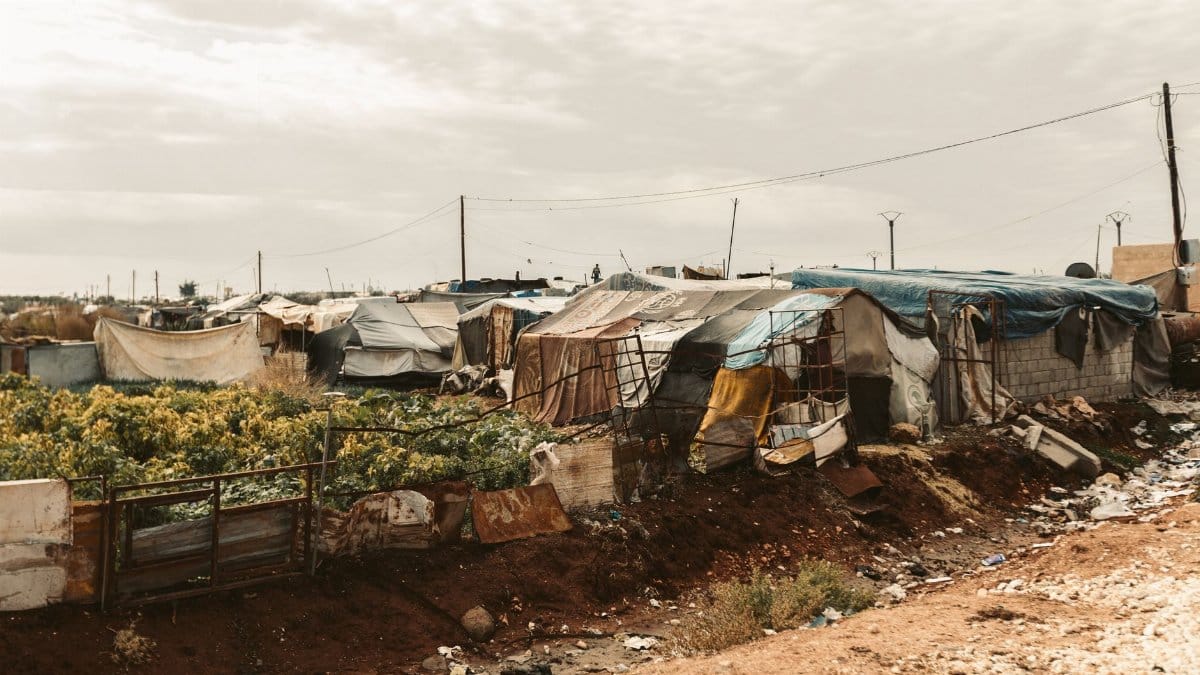
Walk certain blocks and the policy debate stops being abstract. Parents step around belongings. Shopkeepers absorb theft and human waste as a cost of staying open. Unhoused people endure rain, assault, and the humiliation of being discussed as a problem rather than as neighbors in extremis. Compassion and order are not opposite virtues. A city can believe every person has dignity and still believe sidewalks cannot function as permanent bedrooms.
Shelter is the hinge. When beds are available, staffed, and safe enough that people will accept them, the street count can fall. When shelters feel chaotic, rule bound in ways that clash with pets, partners, or possessions, or simply too few, people stay outside. Treatment for addiction and serious mental illness sits on the same hinge. Offers that exist only on paper do not change a night count. Offers that are real, repeated, and paired with housing have a chance.
What leaders are likely to claim

Expect the record share to be used in City Hall within days, if it has not been already. One camp will say the number proves that San Francisco has become a destination for people other places have failed, and that local taxpayers cannot be the last resort for the state and the nation. Another camp will say the number proves the need for more regional coordination, more housing, and less scapegoating of people who had no good choices. Both camps can quote the same percentage.
Voters should listen for what follows the quote. A serious plan names shelter capacity, housing placements, treatment slots, and prevention for people still housed but one missed paycheck from the street. A weak plan stops at the statistic and asks residents to feel either vindicated or ashamed. Data is not a program. It is a prompt to build one.
Why a single night still matters

Skeptics sometimes dismiss these surveys as political theater. The criticism is not empty. Counts can be timed, interpreted, and messaged to suit an administration. They also remain one of the few shared measurements a city has. Without them, debate sinks into anecdote: my block is worse, my commute is better, my friend got housed, my store lost another window. The SF homeless count gives those stories a common scale, even if the scale is rough.
The latest scale says something specific. A record share of unhoused residents were already homeless upon arrival. The overall picture since 2024 is mixed rather than triumphant or disastrous. Anyone selling a simpler tale is selling past the evidence.
Housing supply still sets the ceiling
No outreach team can outrun a housing shortage forever. If rooms cost more than low wage work can bear, people who stabilize in shelter will cycle back outside when the subsidy ends. If the region builds little housing that extremely poor people can afford, San Francisco will keep concentrating both need and resentment. Prevention programs, eviction defense, and shallow subsidies for people on the edge are less photogenic than encampment clearances. They are also how a future count stops growing from the inside.
Regional responsibility belongs in the same paragraph. Counties that offer almost no shelter export misery to cities that offer some. A fair system would share beds, treatment, and housing dollars instead of hoping a bus line settles the moral account. The 44 percent figure is, among other things, a map of that imbalance.
Dignity without denial

There is a spiritual question under the spreadsheets, whether or not officials want it. What do we owe the stranger who arrives already broken by another place, and what do we owe the neighbor who has watched the same corner deteriorate for years? Religious and secular traditions in this country have usually answered that abandonment is a failure, and that order without mercy curdles into cruelty. They have also warned that mercy without truth becomes sentiment. Addiction kills. Untreated psychosis isolates. A tent is not a home. A statistic is not a person, but a person is why the statistic exists.
San Francisco does not need a softer vocabulary. It needs fewer people sleeping outside, whether they lost housing in the Mission or arrived from hundreds of miles away. The new count will not house anyone by itself. It can, if leaders resist the urge to weaponize a single share, mark who is here and why the next set of choices has to be larger than a press conference.
What to watch in the next tally

The useful test is not whether commentators repeat 44 percent. It is whether the following year shows fewer people outside, more people in stable rooms, and a clearer account of who is entering homelessness for the first time. If arrivals stay high while local prevention fails, the city will be managing inflow and outflow at once, which is the hardest version of this work. If inflow eases and local losses continue, the story was never only about newcomers.
Residents can ask plain questions. How many shelter beds are realistically available tonight? How many people moved from the street into housing that lasts longer than a season? How many were already homeless when they arrived, and how many became homeless after a San Francisco lease ended? Those questions keep the SF homeless count tied to lives rather than to slogans. The newest answers are uncomfortable in exactly the way good measurement often is. They deny the city an alibi, and they deny it a simple villain. What remains is the harder assignment: house people, treat illness, protect public space, and tell the truth about a crisis that both begins here and arrives at the city limits already underway.