

On a quiet morning after the midterms, staffers wheeled carts of binders into a hearing room that had sat mostly dark for two years. The labels were plain: detention logs, use of force reports, contractor invoices, family separation files. None of it was new to the people who had been asking for it. What felt new was the likelihood that someone with a gavel would finally make the requests stick. That is the practical meaning of Democrats ICE oversight as the party prepares to use committee power against an immigration crackdown it spent the campaign calling reckless.
A majority that wants answers, not only speeches

Winning seats does not automatically produce accountability. It does change who controls the calendar, who can issue a subpoena, and who decides which witness sits under the lights. Democrats who campaigned on immigration say voters did not hand them a blank check for open borders rhetoric. They handed them a narrower job: find out how enforcement was carried out, who was hurt, and whether the law was followed when speed mattered more than paperwork.
Party leaders have described a season of hearings rather than a single show trial. The distinction matters. A spectacle can dominate a news cycle and then vanish. A record, built week after week, can outlast the headlines and shape appropriations, court fights, and the next presidential debate. Members who lived through earlier immigration battles remember how quickly outrage faded when committees lacked the votes to compel documents.
Where the oversight will actually sit
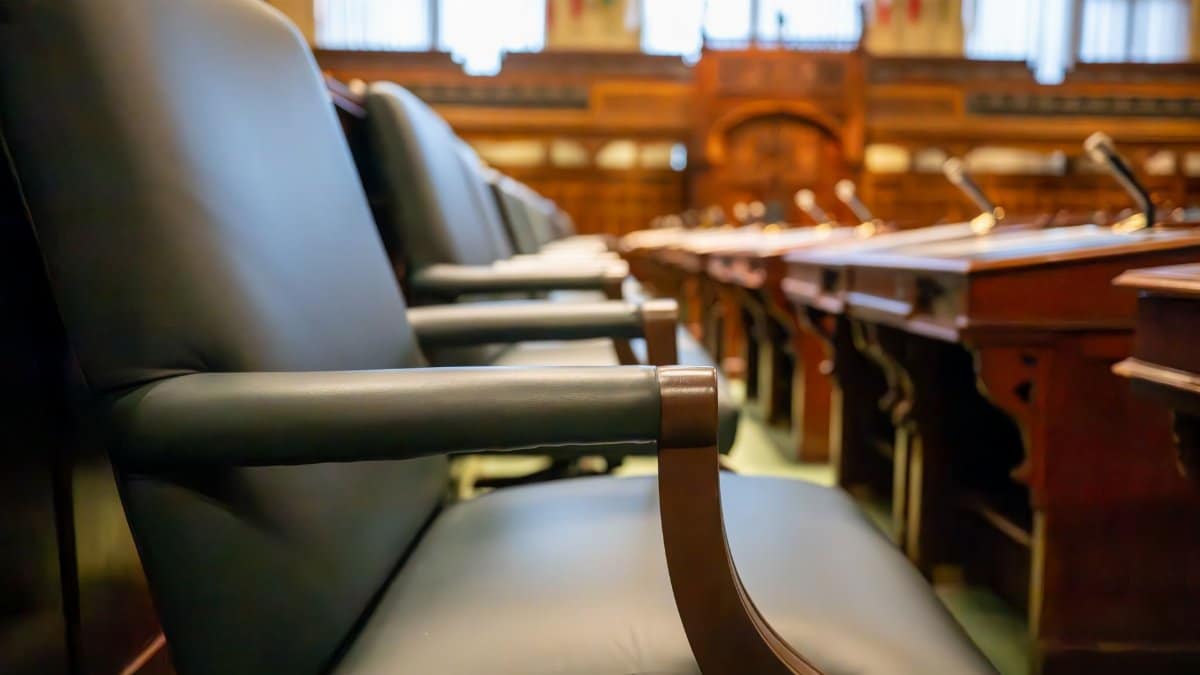
Immigration enforcement does not live in one committee. Homeland security panels can question agency leaders. Judiciary members can press on due process, asylum rules, and the legal basis for interior arrests. Appropriations staff can follow the money into detention contracts, transportation, and technology. Oversight committees can chase whistleblower complaints that never reached a courtroom.
That spread is both a strength and a risk. Parallel inquiries can cover more ground. They can also duplicate questions, exhaust witnesses, and give the administration a chance to answer one panel while ignoring another. Veterans of past Congresses say the first real test will be coordination: shared document demands, a common timeline, and a decision about which fights are worth a contempt citation and which are better left to inspectors general.
Democrats ICE oversight and the detention file

If there is a center of gravity, it is detention. Facilities holding adults and children have long drawn complaints about medical care, overcrowding, and the length of confinement. Democrats argue that Democrats ICE oversight should begin with conditions that can be counted: staffing ratios, hospital transfers, deaths in custody, and the time people spend in holding cells before a formal placement.
Republicans who defend aggressive enforcement say detention is the price of a system that otherwise loses track of people who skip hearings. They will arrive at these sessions ready to recite arrest numbers and border encounter totals. The Democratic reply, at least in draft talking points circulating among staff, is that volume does not answer questions about treatment. A large operation can still be lawful. It can also hide routine violations inside the scale of the work.
Interior arrests and the question of priorities

Border scenes dominate television. Much of the coming fight will concern arrests far from any port of entry. Workplace operations, courthouse pickups, and traffic stops conducted with local police have split cities and suburbs that otherwise agree on little. Democrats say they want the criteria in writing: who was targeted, whether criminal history was required, and how often collateral arrests swept up people who were not the original subject.
Administration allies call that a demand for operational details that help people evade the law. Oversight lawyers counter that Congress has reviewed sensitive enforcement methods for decades, from drug task forces to financial crime units, without publishing raid plans in advance. The line between legitimate secrecy and convenient silence is exactly what a functioning committee is supposed to draw, preferably in public and with a transcript.
Money, contractors, and the quiet power of the purse

Hearings make noise. Appropriations make policy. Detention beds, flight contracts, surveillance tools, and local jail agreements all depend on funds Congress can slow, condition, or redirect. Democrats eyeing the next spending bills talk less about abolishing agencies than about attaching strings: reporting deadlines, medical standards, limits on certain contract renewals, and public data on who is held and for how long.
Those conditions rarely survive intact. Senate math, presidential veto threats, and the fear of a shutdown have watered down immigration riders before. Still, the mere prospect of a fight changes agency behavior. Career officials who expect a subpoena tend to keep cleaner files. Contractors who expect a hearing tend to answer emails. That is a modest form of power, and members who have served in the minority often value it more than a floor speech.
Whistleblowers, inspectors, and the paper that does not lie

Some of the most damaging immigration revelations of recent years did not begin with a member of Congress. They began with a nurse, a guard, a data analyst, or an internal memo that someone decided should not stay internal. Democrats say they will protect those channels and press inspectors general who they believe were sidelined when findings were inconvenient.
Protection is not the same as amplification. A responsible inquiry tests a claim before it becomes a headline. False or exaggerated accounts have damaged immigration debates on every side, and they hand opponents an easy dismissal of everything that follows. Staff who have already started reading old reports say the goal is corroboration: matching a complaint to a log, a log to a contract, a contract to a payment. That work is dull. It is also how oversight earns the right to be believed.
Cities, states, and a map that does not match the party line

Not every Democratic mayor wants a spotlight on local cooperation with federal agents, and not every Republican governor wants to defend every workplace raid. The country that will watch these hearings is more mixed than campaign ads suggest. Some swing district Democrats won by promising order at the border and fairness in the interior. They will not sign onto every subpoena their colleagues draft.
That internal tension may be the story that outlasts the first news conference. A party that treats immigration as a single moral claim will struggle to hold a coalition that includes border state members, urban progressives, and suburban voters worried about both cruelty and disorder. Committee chairs who ignore that spread may win a clip and lose a vote when the subpoena comes to the floor.
What the administration is likely to argue

Expect a consistent defense. Officials will say enforcement surged because unlawful crossings and visa overstays demanded it. They will say Congress failed for years to fix asylum rules, hiring, and immigration courts, then complained when the executive branch used the tools it had. They will accuse Democrats of caring more about process than about people victimized by smugglers, wage theft, or crimes committed by a small share of those without legal status.
Some of that argument will land, especially with viewers who felt earlier administrations looked away. Oversight does not require pretending those frustrations are imaginary. It requires separating a real policy dispute from specific acts that may have broken rules the agency itself wrote. A hearing that only restates the election will bore the public. A hearing that puts a named practice next to a named standard can still change minds.
Courts will not wait for Congress
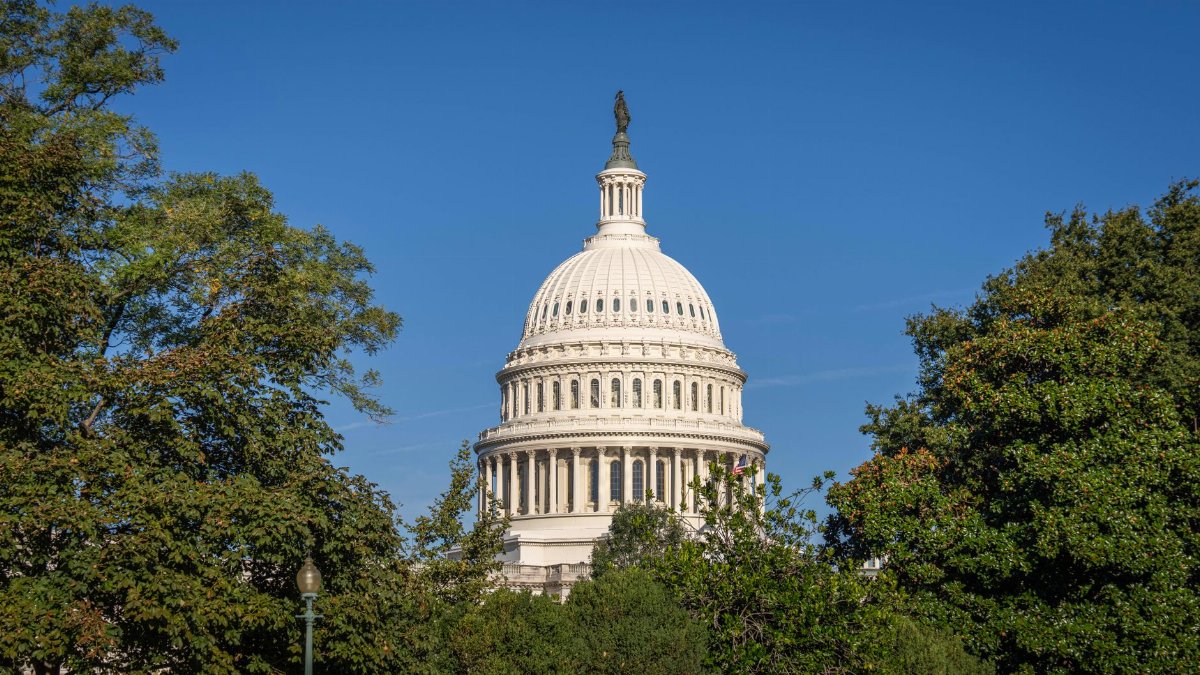
Lawsuits over detention conditions, expedited removal, and local cooperation will move on their own schedule. Judges do not pause because a committee has scheduled a markup. Democrats know this and, in private, some welcome it. A court order can force document production that a hostile agency would stall for months on the Hill. A judicial finding can also narrow what Congress still needs to investigate, or expose gaps no lawsuit was designed to reach.
The risk is confusion. When a judge, an inspector general, and three committees all ask related questions, agencies answer the forum that scares them most and delay the rest. Clear public explanations of who is examining what would help. They are rare, because each institution prefers to look like the one in charge.
The human stakes behind the procedural fight

It is easy, in Washington, to talk about oversight as if it were a sport between branches. The files in those binders describe people waiting on outcomes: a parent trying to locate a child, a worker wondering if a traffic stop will end in deportation, an officer who believes a dangerous person was released, a nurse who says a patient was ignored. Any serious inquiry has to hold more than one of those stories at once.
Democrats who frame the entire project as punishment for a rival president will lose the readers who want competence more than vengeance. Republicans who frame every question as sabotage will lose the readers who have seen a facility, a courtroom backlog, or a family split by a process no one can explain. The country is capable of wanting both enforcement and restraint. Congress has often been worse at saying so than the voters who sent it there.
How far Democrats ICE oversight can actually go

Subpoenas can be ignored. Contempt votes can stall. Privilege claims can tie records up until the next election. Even a united House cannot, by itself, rewrite immigration statutes or empty a detention system the executive branch is determined to run. The outer limit of Democrats ICE oversight is information, publicity, and leverage over money. That is less than activists demand and more than skeptics admit.
Within those limits, choices still matter. Chairs can chase viral moments or they can build a public archive. They can invite only friendly witnesses or they can put agency leaders, contract executives, local sheriffs, and affected families in the same record. They can release documents in searchable form or bury them in a PDF no one reads. The midterm result created the opportunity. It did not choose the method.
A calendar already filling with collision points

The first months will likely bring confirmation style questioning of senior enforcement officials, even when no new nomination is pending. Then come document fights, then field visits that members will film and opponents will call staged. Budget season will force numbers into the open. Somewhere in that sequence a single case, tragic or inflammatory, will threaten to swallow the broader inquiry. Chairs who have planned for that moment will keep the wider docket alive. Chairs who have not will spend the year answering someone else’s narrative.
Staff already speak of a rolling report rather than a final doorstop. Periodic findings, tied to evidence and written in plain language, travel farther than a thousand page tome released on a Friday. Whether the party has the discipline for that pace is an open question. Opposition is energizing. Governing attention is harder.
What readers should watch for

Ignore the adjectives and watch the artifacts. Did a committee obtain the detention logs it asked for, or only a summary? Did members question the people who signed contracts, or only the political appointee who can blame a predecessor? Did Democrats ICE oversight produce a change in reporting, a condition on funding, or merely a clip that each side posts to its own audience?
Those tests do not require a law degree. They require memory. The immigration argument will be loud. The oversight argument will be quieter, and it will show up in what gets published, what gets funded, and what an agency stops doing once it knows someone competent is reading the file. That is the battle now being organized, binder by binder, in rooms that finally have the lights on.