
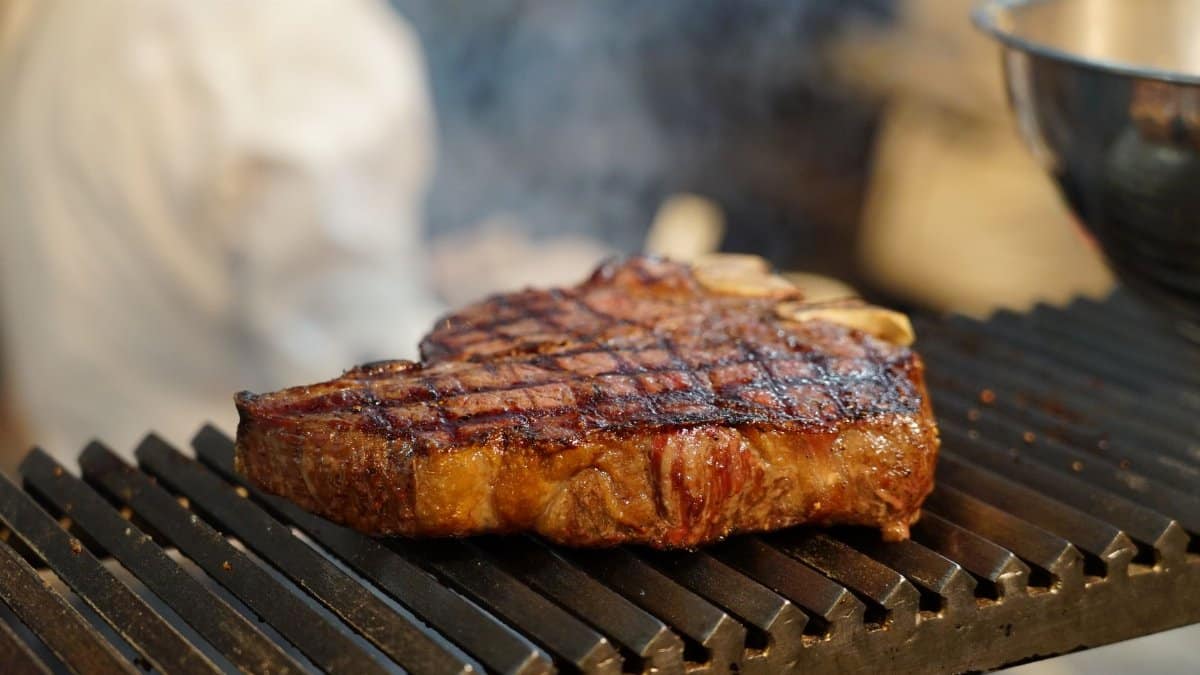
On a humid November evening, the line outside a new dining room in Houston did not look like a publicity stunt. It looked like people who had already decided where they wanted to spend a long dinner. Cars idled, coats came off at the door, and the room filled with the low noise of a city that treats a steak dinner as both reward and ritual. The Houston steakhouse opening arrived late in 2026, and it entered a market that already knows the difference between a thick cut and a memorable night.
A debut that asks for more than a good steak
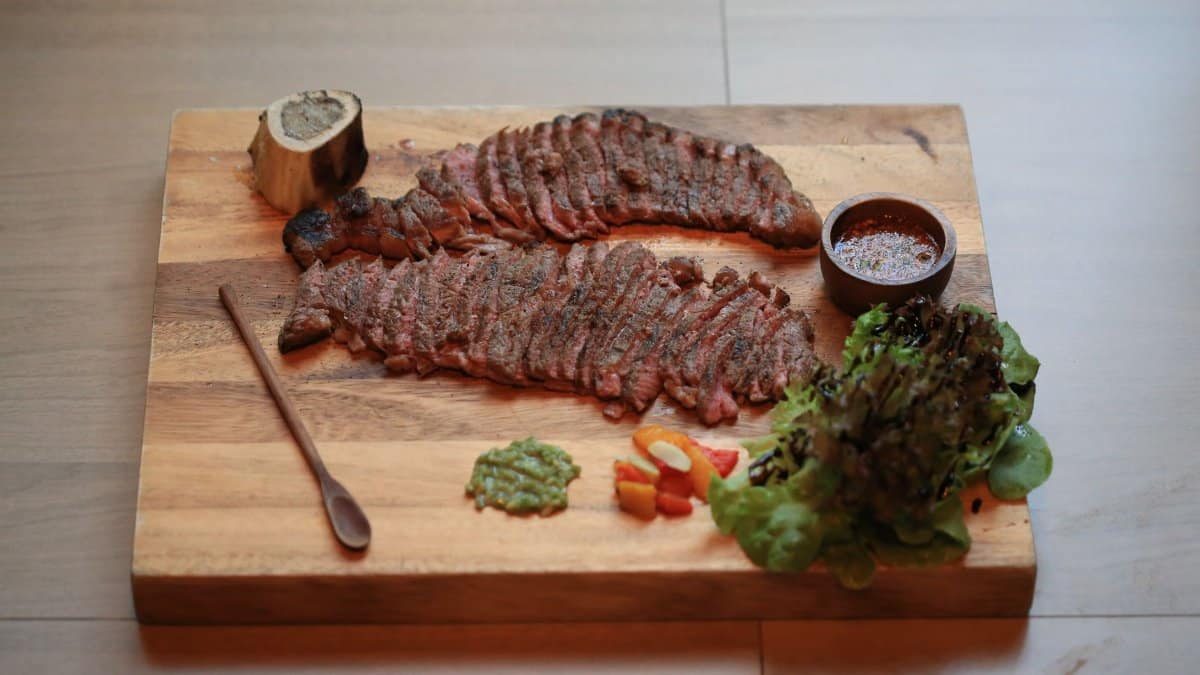
Houston has never lacked places to order beef. What it sometimes lacks is rooms that feel finished, staffed, and sure of themselves from the first week. An elevated dining experience is not a slogan. It is a set of choices about light, pacing, glassware, and whether the kitchen can hold a standard when the reservation book is full. A new steakhouse has to prove those choices quickly, because diners here compare notes before the check arrives.
The timing of the debut, in November 2026, put the restaurant in front of holiday parties, business dinners, and families who treat a night out as the close of a long year. That calendar is a gift and a test. A gift, because demand is real. A test, because expectations rise with the season.
Why Houston keeps making room for beef
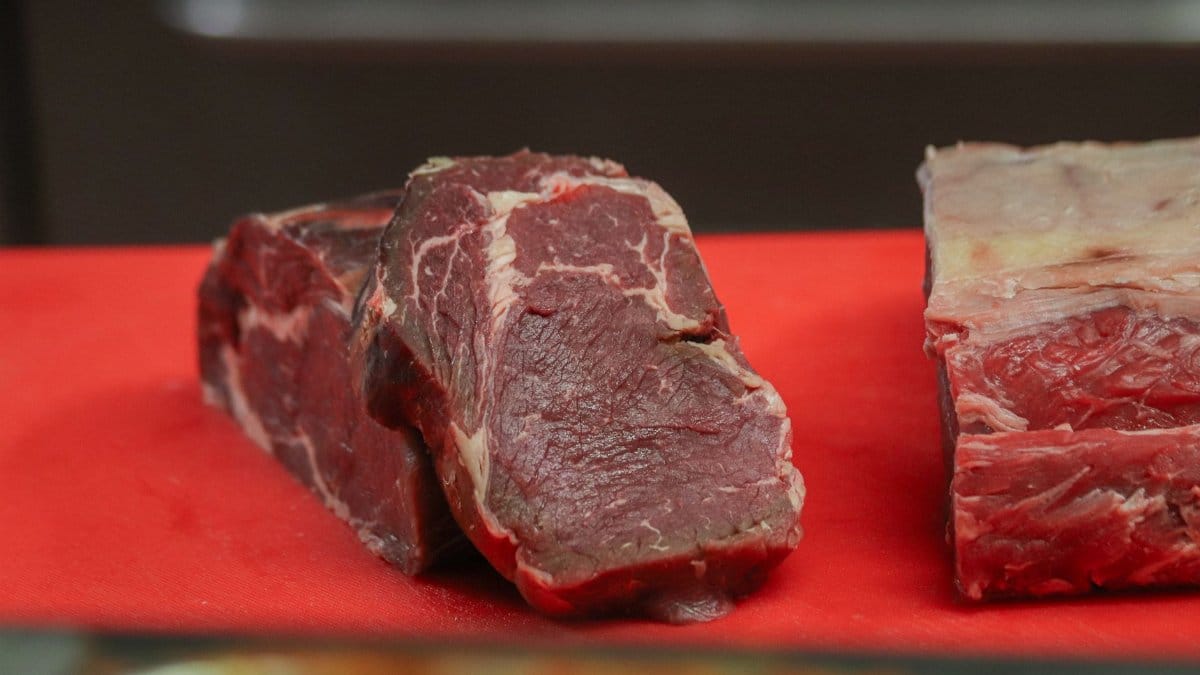
The city sits at the center of a cattle economy and a dining culture that grew up beside it. Steakhouses here are not imports from some distant idea of luxury. They are part of how Houston marks promotions, reunions, and the ordinary Friday that needs to feel less ordinary. Energy companies still book private rooms. Families still argue, gently, over who gets the last bite of a bone in ribeye. Visitors still ask locals where to go when they want one serious meal.
That history explains why another opening can feel both inevitable and risky. Inevitable, because the appetite is structural. Risky, because loyalty in this category is stubborn. People return to the room where they were treated well on a night that mattered. A newcomer has to earn a second visit, not merely a first impression.
What elevated actually means at the table
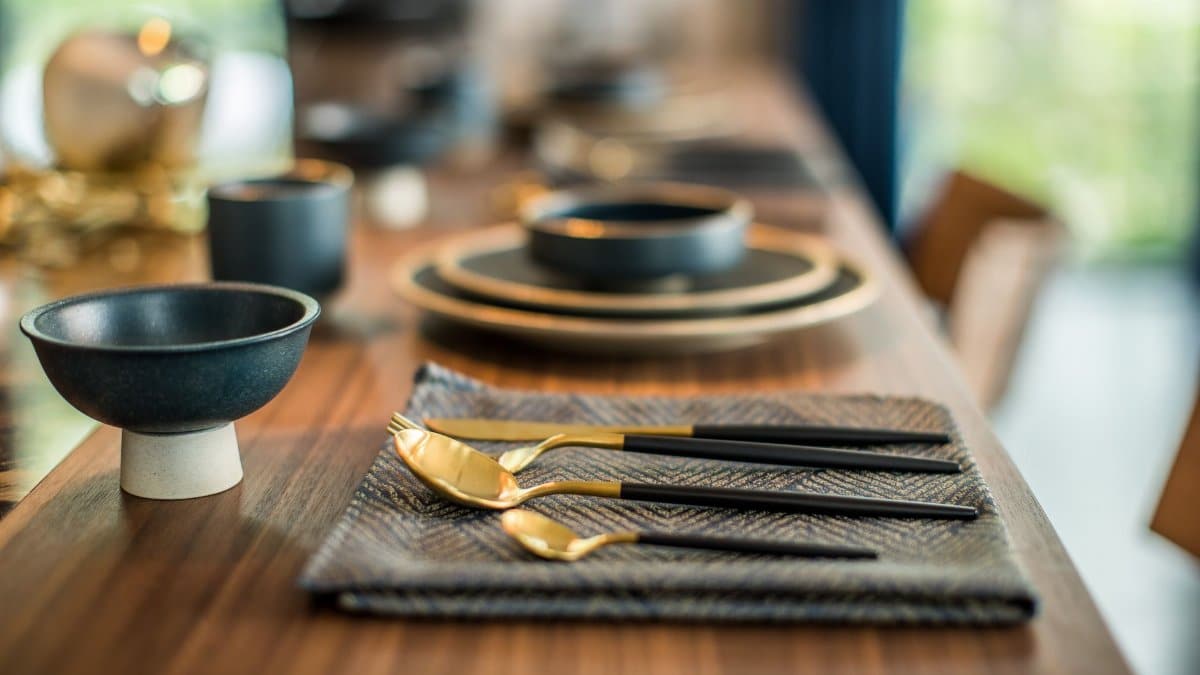
Premium cuts are the easy part of the promise. Any serious kitchen can buy well and sear with care. The harder part is everything around the plate. Does the bread arrive warm without turning the meal into a performance. Does the server know when to step back. Is the wine list written for people who drink, or for people who want to be impressed by names they will not order.
Elevation, in a steakhouse, is mostly discipline. Salt in the right amount. Resting the meat long enough. Sides that taste like someone cooked them, not like they were thawed to fill a menu. A room quiet enough for conversation and lively enough that no one feels they have entered a museum. Those details are what separate a competent dinner from one people describe to friends the next morning.
The pressure of a crowded field

Houston already supports neighborhood favorites, destination rooms, and hotel restaurants that serve a traveling clientele. Some lean classic. Some chase trends in cocktails and small plates before the steak even lands. A new opening cannot win by copying the loudest competitor. It has to decide what kind of evening it is selling.
Price is part of that decision, even when a feature does not print a menu. Diners can feel when a check is justified and when it is merely confident. In a city this large, word travels through group texts faster than through reviews. One overcooked filet on a busy Saturday can cost more than a slow Tuesday ever will.
November as a proving ground

Opening in November is a particular kind of bet. The weather has cooled just enough that people want to sit indoors for hours. Company calendars fill with client dinners. Families start planning the meals that will carry them through December. A restaurant that is still training a floor team in that window has little margin for confusion.
The Houston steakhouse opening therefore matters less as a headline than as a stress test. Can the kitchen repeat the same doneness at table twelve and table forty. Can the host stand recover when a party of eight arrives early. Can the bar keep a guest comfortable for twenty minutes without making the wait feel like a slight. Those are the questions that decide whether a debut becomes a habit.
Atmosphere is not decoration

A refined room is often described in materials. Wood, leather, low lamps, a bar that catches the light. Those choices matter, but atmosphere is also tempo. It is the gap between courses. It is whether music sits under the conversation or fights it. It is whether a solo diner feels welcome or merely tolerated until a larger party needs the table.
Houston diners are not uniform. Some want a clubby dark room. Some want a brighter space where they can see the people they came to meet. A steakhouse that tries to please every taste at once usually pleases none of them. The better rooms pick a mood and hold it, night after night, until regulars can describe the place without looking at the website.
Service as the real luxury
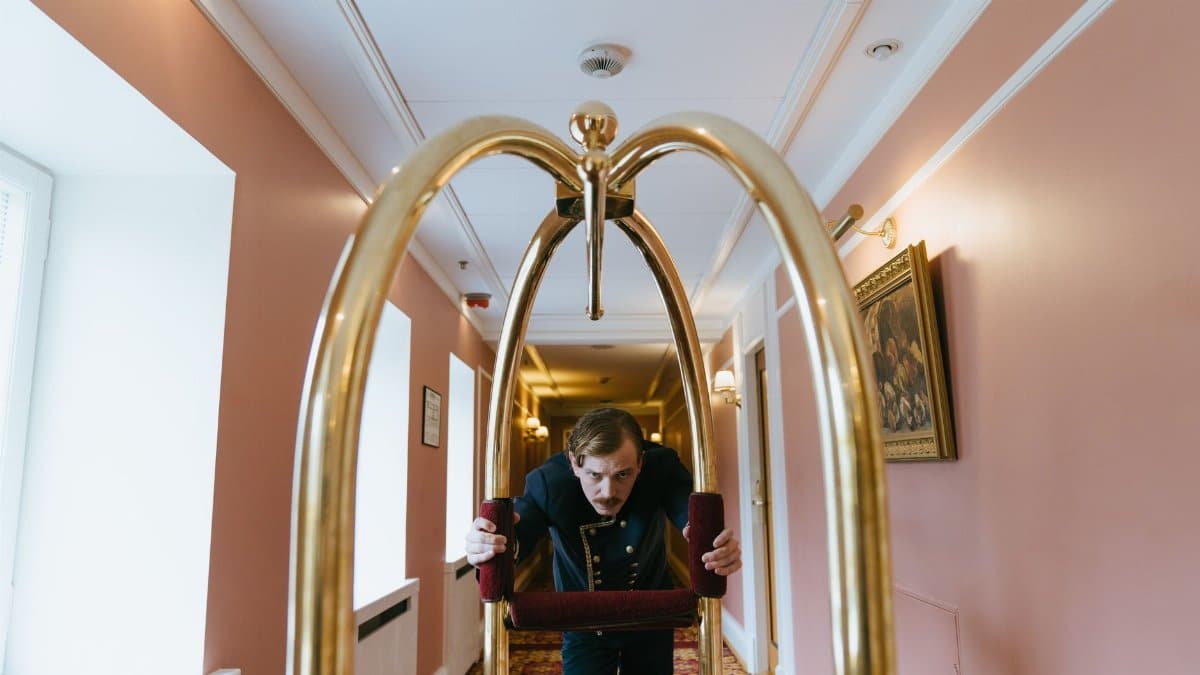
In expensive dining, the plate is only half the product. The other half is attention that does not hover. Good service in a steakhouse sounds simple and is rare. Remember the wine. Do not rush the salad because the grill is ready. Notice when a guest is celebrating without turning the celebration into a script. Correct a mistake before it becomes a story.
New restaurants often staff up with people who know the city and people who are still learning the room. That mix can be a strength if leadership is visible. It becomes a weakness if every table gets a different version of the evening. Consistency is the quiet luxury. Guests rarely praise it by name. They simply come back.
How a neighborhood absorbs another dining room
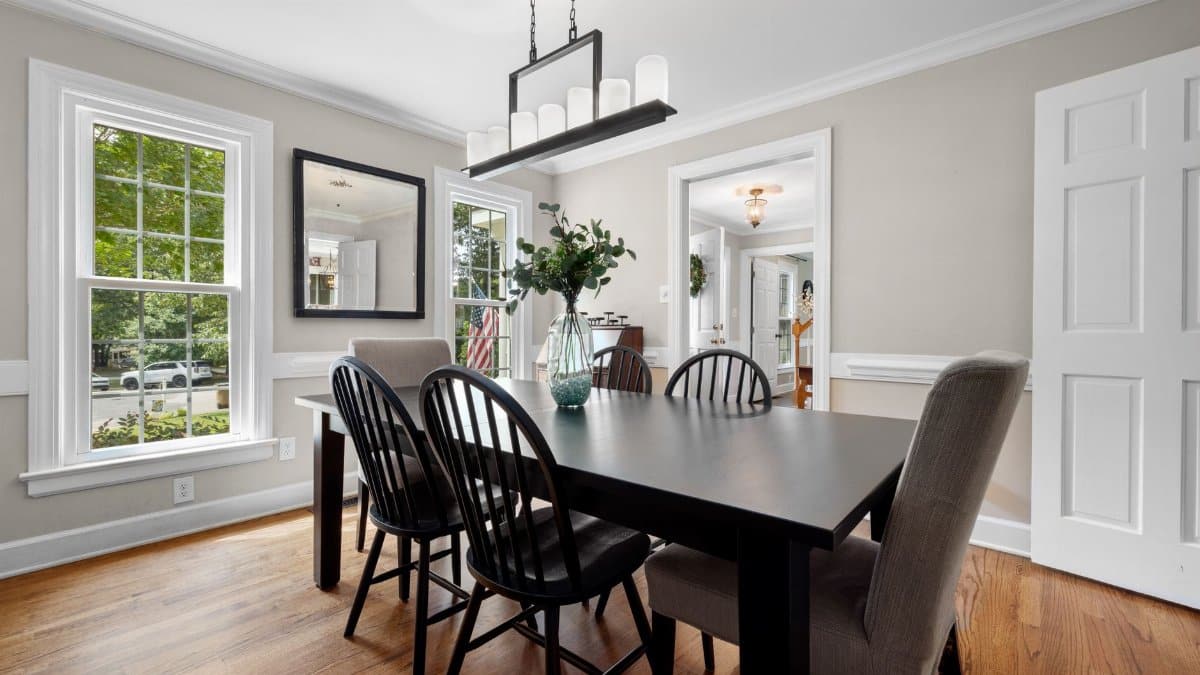
A steakhouse does not land in a vacuum. It lands on a street with parking habits, nearby offices, and residents who already have a weeknight plan. Some openings lift the block, drawing people who then walk to a bar or a dessert spot afterward. Others pull business from older rooms and leave the street no busier than before.
The early weeks tell a partial story. Curiosity fills seats. The second month tells a truer one. If the room is still full on a Wednesday when no holiday is near, the neighborhood has made room. If the energy fades once the novelty posts stop, the opening was a moment, not a place.
What regulars will judge first

Regulars in this city are specific. They will notice whether the steak arrives at the temperature they asked for, not the temperature the kitchen prefers. They will notice the salt on the fries, the temperature of the butter, the honesty of the server who says a dish is not at its best tonight. They will notice if the private dining room feels like an afterthought.
They will also notice generosity that does not announce itself. A complimentary course that fits the meal. A manager who stops by without a speech. A check that matches what was described. None of that requires a famous name on the door. It requires a staff that has been given permission to care about the same things the guest cares about.
The business case behind the glamour
Steakhouses look lavish and operate on thin margins once rent, beef prices, and labor are counted. Premium product costs more when cattle markets tighten. Skilled cooks and captains can choose among many employers in a growing city. A beautiful room does not pay for itself if turns are slow and waste is high.
That is why the Houston steakhouse opening is also a business story, not only a food story. Investors and operators bet that Houston will keep spending on nights that feel special. The bet is reasonable. It is not guaranteed. Restaurants close in good economies when the offer is unclear or the execution slips. The ones that last treat glamour as the result of systems, not as a substitute for them.
A city that compares everything

Houston diners travel. They eat in other cities and bring those memories home. They also eat across their own map, from inner loop rooms to suburban destinations that have held the same standard for decades. A new steakhouse is measured against all of that, fairly or not.
The comparison can be useful. It keeps kitchens honest. It also creates a trap. Chasing every rival’s signature dish produces a menu with no point of view. The stronger path is narrower. Cook a few things at a level people will cross town for. Make the rest quiet and correct. Let the room do some of the talking.
What the first season can and cannot prove

A debut month proves that a concept can open. It does not prove that it can endure a slow January, a staff turnover, or a run of bad weather that keeps casual diners home. The restaurants Houston remembers are the ones that look the same in quality on a random Tuesday as they did on opening weekend.
Readers who follow dining news should treat early praise with patience. A polished first visit is encouraging. A third visit, months later, is the real review. By then the training period is over. The menu has been edited by what actually sells. The staff knows which tables need time and which guests want to be in and out before a show.
The Houston steakhouse opening in a wider dining moment

Across the country, diners have spent recent years asking whether a traditional steakhouse still fits how they want to eat. Some want smaller portions and brighter flavors. Others want the old ceremony and are willing to pay for it. Houston, with its mix of longtime residents and constant newcomers, holds both appetites at once.
That split is an opportunity. A room can honor the classic plate without pretending the city stopped changing in 1995. It can offer a serious steak and still welcome a table that orders differently. The Houston steakhouse opening sits inside that argument. It does not settle it. It gives diners another place to decide what they want a night out to mean.
A measured place in the city’s memory

Not every opening becomes a landmark. Some become reliable. Reliable is not a small word. It means a guest can book with confidence, bring a client or a parent, and leave feeling that the evening matched the promise on the door. In a competitive dining scene, that kind of trust is the asset that compounds.
For now, the facts are straightforward. A new steakhouse debuted in Houston in November 2026, with premium cuts and a refined atmosphere offered to a public that has many other options. Whether it becomes part of the city’s regular rotation will depend on repetition, not on the first photograph of the dining room. Houston has always been willing to try a new table. It has always been equally willing to return to the old one if the new one does not earn the drive.