
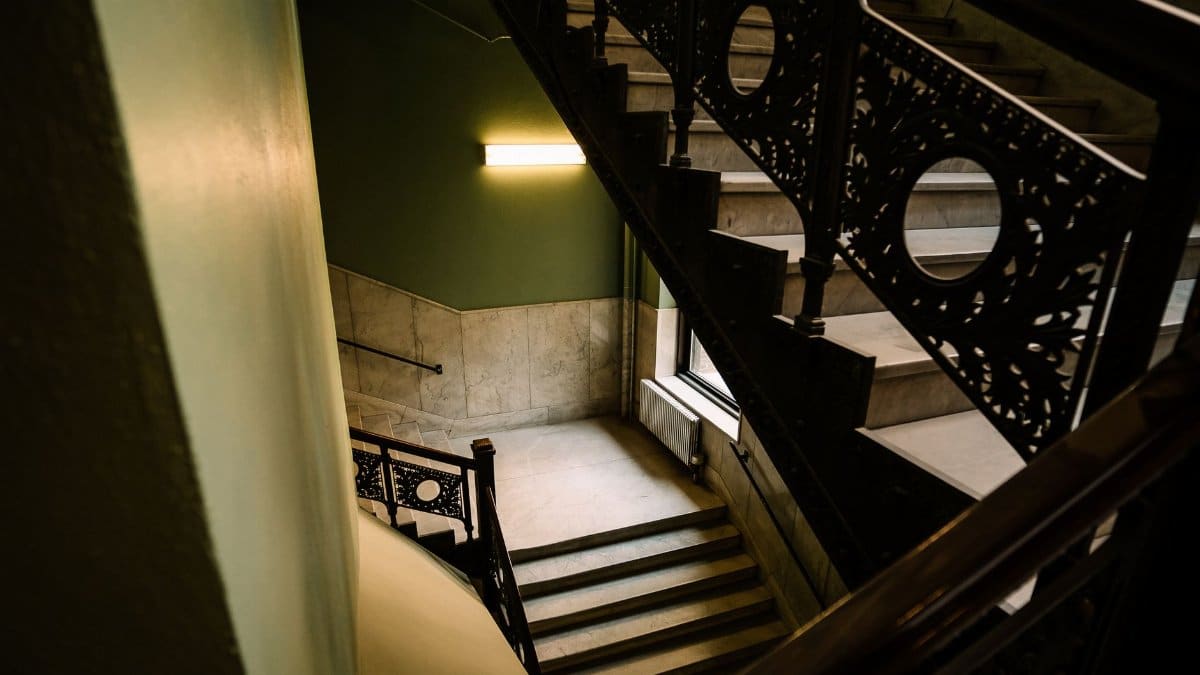
On a winter afternoon along Franklin Avenue, the limestone steps of a small public library still gather people who need warmth, a computer, a quiet table, or a place to wait between appointments. For more than a century that building has stood in the American Indian Cultural Corridor of Minneapolis, a Carnegie era room that has outlasted streetcars, freeway fights, and waves of neighborhood change. Now Hennepin County has started the process of closing it, and the phrase Franklin Library replacement has moved from planning memos into the daily talk of patrons who are not sure where they will go next. The decision is practical on paper. In the corridor, it feels like a question about what a city owes the rooms that have held its people.
A small building with a long public life
The Franklin Library opened in 1914, one of the Carnegie gifts that put reading rooms within walking distance of working neighborhoods. Andrew Carnegie paid for the shell. Minneapolis and later Hennepin County paid, in a different currency, by staffing it, heating it, and keeping the doors open when the surrounding blocks were poor, crowded, or simply overlooked. Generations learned the layout by heart: the desk near the entrance, the children’s corner, the newspapers, the computers that arrived long after the oak was planed.
Patrons did not come only for novels. They came for tax forms, job listings, school assignments, and a staff member who knew their name. In a city that often measures civic health by downtown projects, this branch measured it by whether a person could sit down without buying anything.
Why county leaders say the old library cannot stay

Hennepin County has described the decommissioning as a response to space constraints and security problems that a 1914 plan cannot absorb. The building is beloved and also tight. Modern library work needs room for tutoring, digital access, community meetings, accessible restrooms, and sight lines that let staff see trouble before it spreads. Historic charm does not add square footage.
Security concerns are the harder part of the public conversation, because they touch on homelessness, mental health, and the simple fact that a warm public room will draw people the rest of the city has failed to house. A library is not a shelter, and it is not a police station. When those roles collapse into one desk, both books and people suffer. Officials argue that a larger, better designed building can separate those pressures. Neighbors worry that closing the old room first will leave a gap no memo can fill.
The corridor this branch was built to serve
Franklin Avenue is not a generic commercial strip. It is the spine of Minneapolis’s American Indian Cultural Corridor, home to organizations, clinics, restaurants, and gathering places tied to Native nations whose citizens live in the city in large numbers. The library sits inside that civic geography. Its users include elders, students, artists, and families who already navigate a neighborhood shaped by displacement, underinvestment, and extraordinary cultural persistence.
Any Franklin Library replacement that ignores that context will be judged as a real estate decision rather than a public one. The question is not only where the books go. It is whether the next building remains walkable, welcoming, and legible to the people who have treated this corner as theirs.
What patrons actually do inside
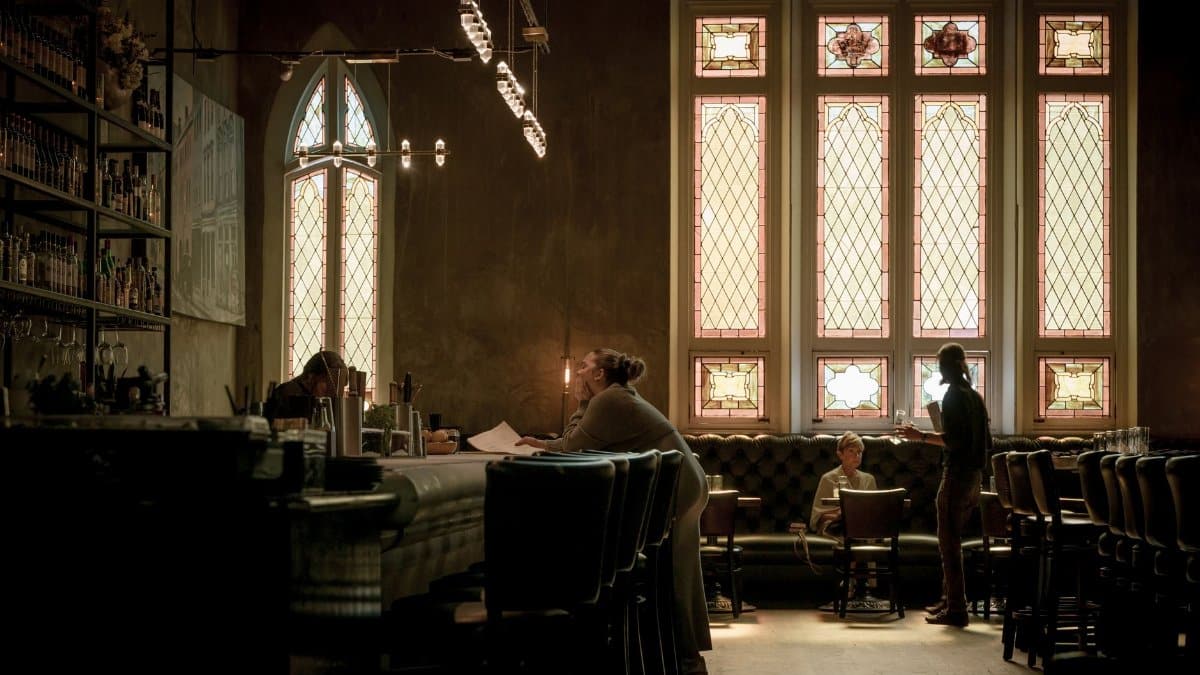
Spend an hour in a branch like this and the romance of old wood gives way to ordinary labor. A teenager prints a resume. A parent finds a picture book in a language the school does not stock. Someone charges a phone. Someone else asks, quietly, how to apply for benefits. These tasks look small until they are the difference between a week that holds together and a week that does not.
Staff have carried that work in a building never designed for it. Electrical capacity, elevator access, and private space for sensitive conversations are not aesthetic preferences. They are the difference between a service that exists on a sign and a service a person can actually use. County leaders point to those limits when they say repair is no longer enough.
Historic fabric and the urge to keep it

Carnegie libraries are finite. Minneapolis has already lost or altered several, and the ones that remain carry a public memory that new glass cannot fake. Preservationists will ask whether the Franklin building can be reused, sold with protections, or paired with an addition. Those questions deserve a straight answer, with costs attached, rather than a shrug toward nostalgia.
Keeping a facade while emptying its purpose is a familiar urban compromise, and it often pleases no one. A library is a use, not only a style. If the county cannot safely deliver modern service inside these walls, the honest debate is about the next public use of the old structure, not about pretending the stacks can stay forever.
Space, access, and the bodies the building forgot
A 1914 library was designed for a public that planners imagined as able bodied, unhurried, and mostly literate in English. Stairs, narrow aisles, and restrooms tucked into awkward corners exclude people as effectively as a locked door. Accessibility law came later. Retrofitting a small historic building to meet it can cost nearly as much as starting over, and still leave a cramped result.
That fact does not make demolition a moral good. It does mean that love of the past has to sit beside the present tense of wheelchairs, strollers, and elders who should not have to ask for help to reach a book. A replacement that fails this test will have solved the wrong problem.
Security without turning a library into a checkpoint
The word security can slide, in public debate, toward cameras, bans, and a narrower idea of who belongs. Some of that apparatus may be necessary. None of it is a substitute for staffing, sight lines, and a building large enough that conflict is not forced into every corner. Patrons have a right to read without fear. Unhoused neighbors have a right not to be treated as a nuisance for existing in public.
Cities that handle this well do not pretend a new floor plan ends poverty. They design rooms where staff can see, where private calls can happen away from the children’s area, and where partners in housing and health are close enough to be useful. If the Franklin Library replacement is only a prettier box with the same unmet needs outside the door, the security problem will move with the books.
What a new building would need to earn trust
Trust, on this corridor, is not granted by a rendering. It is earned by location, hours, and whether Native led organizations are in the room when programs are set, not invited to applaud after the fact. A larger branch could hold language classes, oral history work, art, and meeting space that the old library could never offer. It could also become a county showpiece that feels managed from elsewhere.
Residents will look for plain commitments: a site on or very near Franklin Avenue, a construction calendar that does not strand patrons for years, and interim service that is more than a bookmobile on a good day. They will also look at who is hired, and whether the new desk knows the neighborhood as well as the old one did.
The money question, without the usual fog
Public building projects fail in the gap between a beloved idea and a funded schedule. Hennepin County will have to say what the replacement costs, what it replaces in annual operating terms, and what is cut or delayed elsewhere in the library system to pay for it. Voters and patrons can accept a hard number. They resent a soft one.
There is also the cost of doing nothing, which rarely appears in a single budget line: lost homework hours, missed benefits applications, staff burnout, and a historic building that grows less safe as systems age. Honesty requires both columns. A county that cites space and security as the reasons for closure should publish the conditions, the incidents, and the engineering limits in language a non specialist can read.
Interim service is the real test
Decommissioning is a verb with a waiting period inside it. Between the last open day in the old building and the first open day in a new one, people still need printers, bathrooms, and a person who can help. If that interval is treated as a detail, the county will have told the corridor that continuity is optional.
Nearby branches can absorb some visits. They cannot absorb the habit of a corner that people reach on foot, in bad weather, between a clinic appointment and a bus. Interim hours, a staffed storefront, or a partnership with an existing community site would show that the Franklin Library replacement is a relocation of service, not a withdrawal of it.
Memory, ceremony, and a room that held quiet
Libraries are secular, but they are not empty of ritual. People mark time there: the first library card, the afternoon after a funeral, the winter when the apartment was too loud to think. In a neighborhood where spiritual life, cultural life, and survival work often share the same block, the loss of a familiar room is not only logistical. It interrupts a pattern of return.
That does not require incense or speeches. It requires the county to treat closing day as a public moment, with a record of what the branch meant, told by the people who used it. A new building can inherit that story only if someone bothers to carry it across the street.
What other cities have learned from old branches

Across the country, library systems have closed Carnegie buildings, expanded them, or turned them into archives and community halls. The projects that aged well shared a few traits. They named the service losses before they celebrated the architectural gains. They kept a presence in the old neighborhood during construction. They did not confuse a donor’s name on a wall with a community’s consent.
Minneapolis has its own record to consult, including branches that grew and branches that felt imposed. The useful lesson is modest: people forgive a smaller collection faster than they forgive a sense that they were managed rather than consulted. Process is not a delay tactic. It is part of the building.
A corridor already doing cultural work
The American Indian Cultural Corridor did not wait for a library renovation to assert itself. Murals, businesses, health services, and political organizing have made Franklin Avenue a place with a public voice. A new library can join that voice or talk over it. Joining means collection choices that reflect Native authors and local history, programs set with community partners, and a design that does not treat culture as a mural added at the end.
It also means admitting that a library cannot repair housing shortages or clinic wait lists. What it can do is remain the one civic room on the avenue that asks almost nothing at the door. That standard, more than limestone or glass, is the inheritance worth protecting.
How to read the next official announcements
Readers who care about this corner should watch for four things in the months ahead. Where, exactly, will service move. How long will the gap last. Who sits on the advisory group, and do they have power or only a microphone. What happens to the 1914 building once the books leave, and is that plan public before a sale or a wrecking crew makes it real.
Skepticism is healthy. So is the possibility that a larger, safer, more accessible branch could serve this community better than a cherished building that has reached its limit. Both ideas can be true. The county’s job is to prove, in dates and floor plans and interim hours, which one it intends.
What remains when a room closes
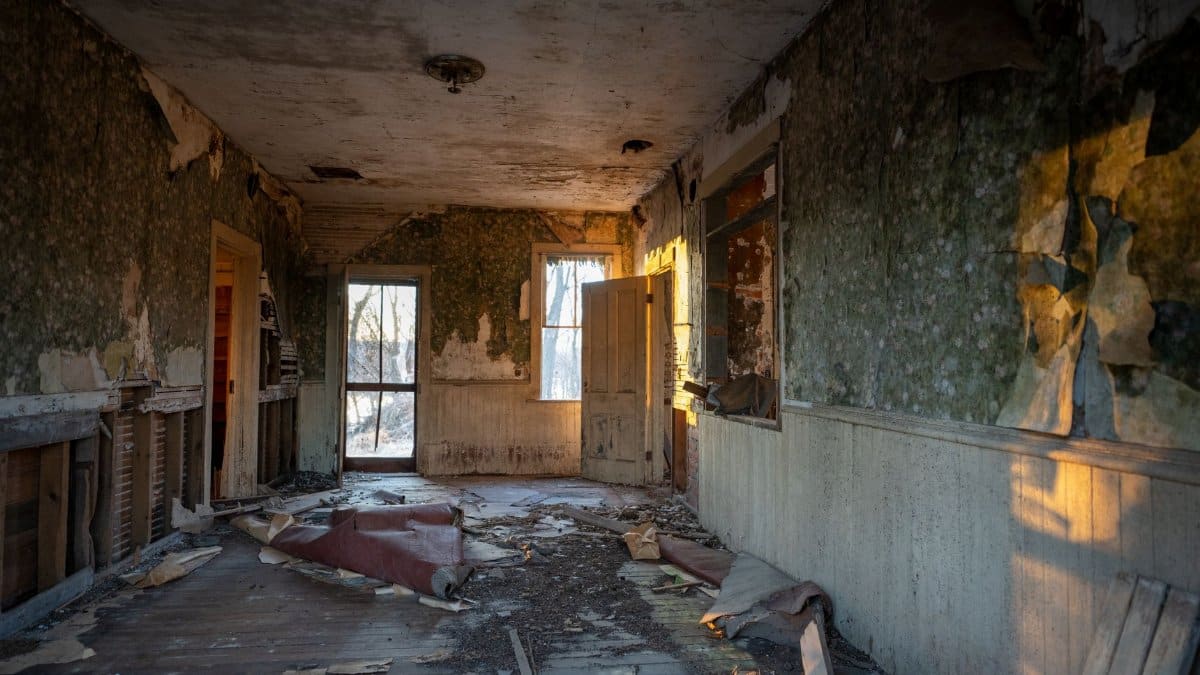
A library is a promise that knowledge and shelter can occupy the same address. The Franklin branch kept that promise in a building too small for the century it was asked to serve. Letting it go will hurt, and pretending otherwise insults the people who used it. Building something worthy in its place is the only answer that respects both the past and the patrons still walking up those steps.
The Franklin Library replacement will be judged less by the press release that announces it than by the first winter it is open, when someone needs a table, a printer, and a staff member who does not flinch. If that person finds the door, the century continues. If not, Minneapolis will have preserved a debate and lost a public room.